Eindhoven College & Aloysius de Roosten
Eindhoven College & Aloysius de Roosten
Eindhoven College & Aloysius de Roosten
Two schools with their own educational views
One of the first craft schools in the Netherlands
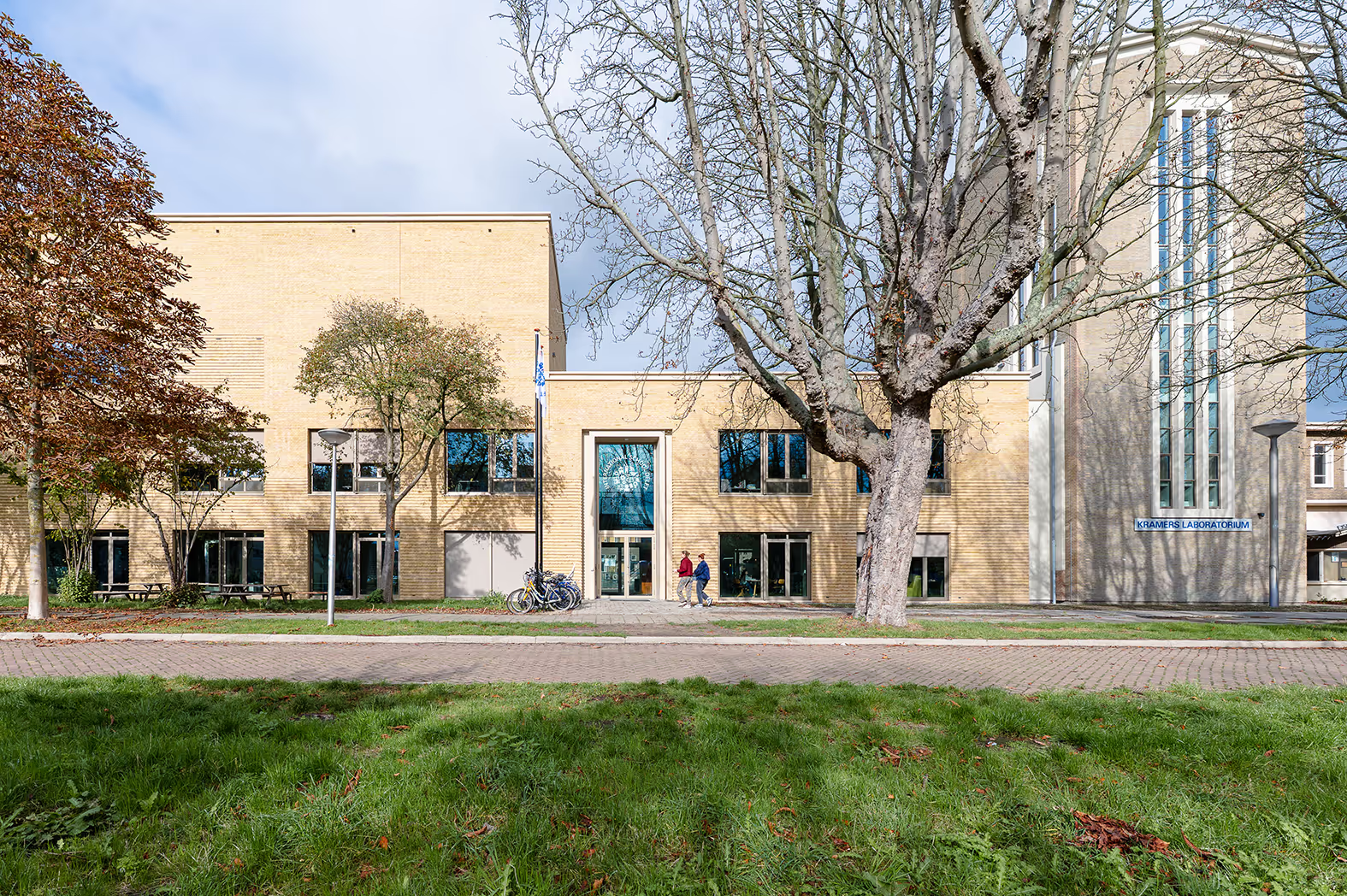
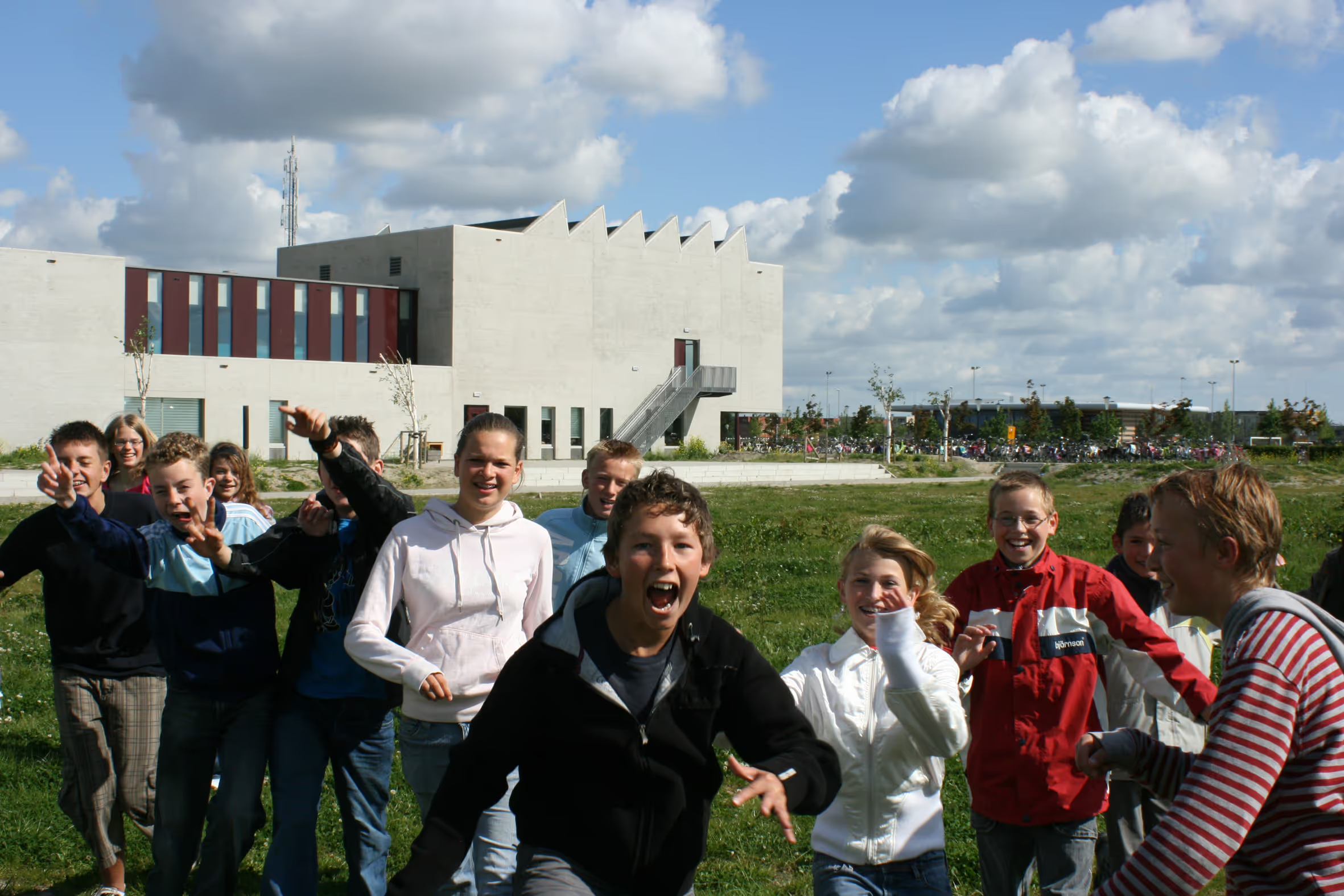
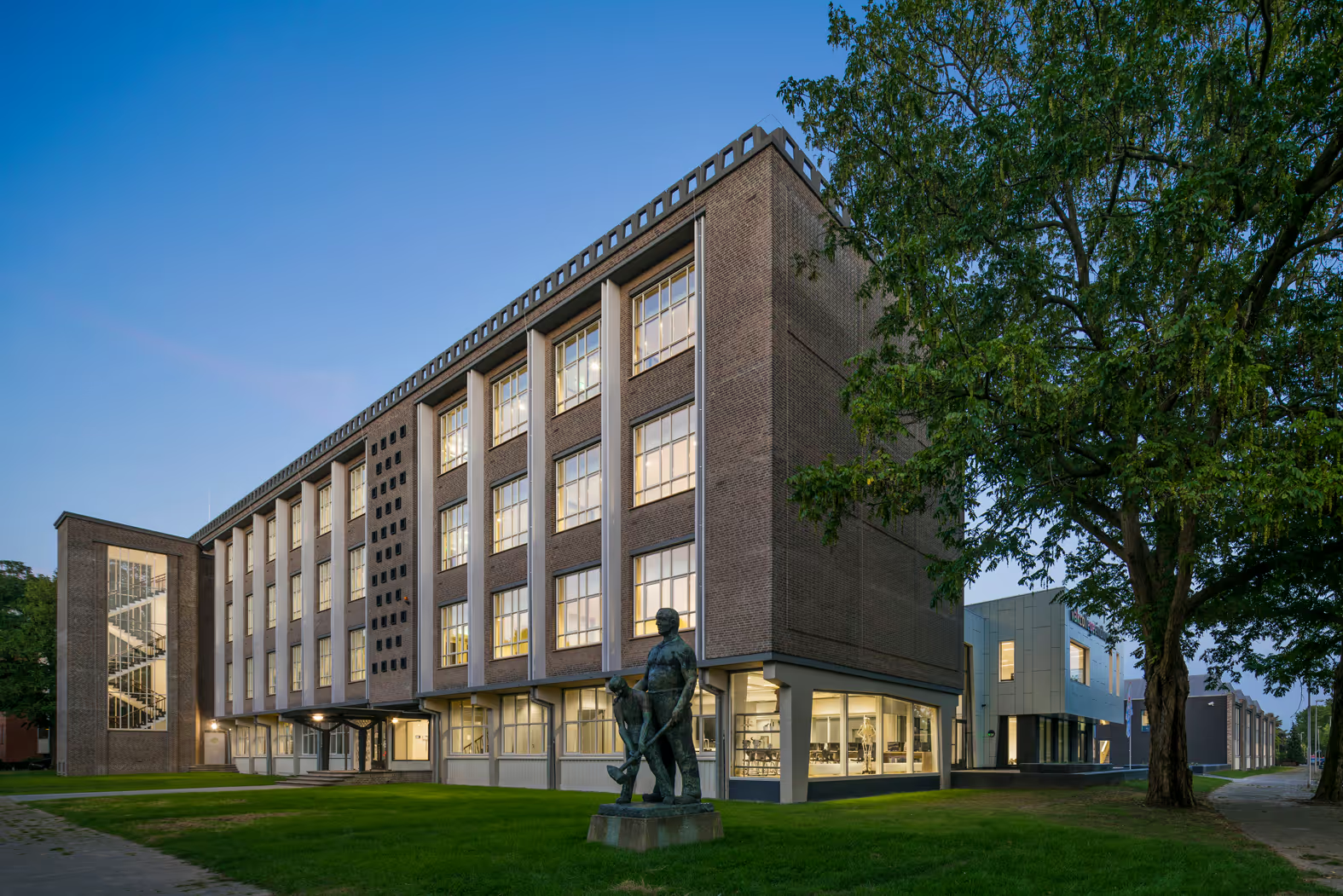
Eindhoven flourished in the fifties due to the increasing growth of Philips and DAF. Huub van Doorne, founder of DAF and also a board member of this Second Eindhoven Technical School, advocated a separation between theory and practice rooms. By introducing the school workshop, one of the first craft schools in our country was born. The original complex was designed in 1952 by the Geenen & Oskam office, and consists of a 4-storey building intended for theory, 9 practice halls and a few outbuildings.
Your own identity
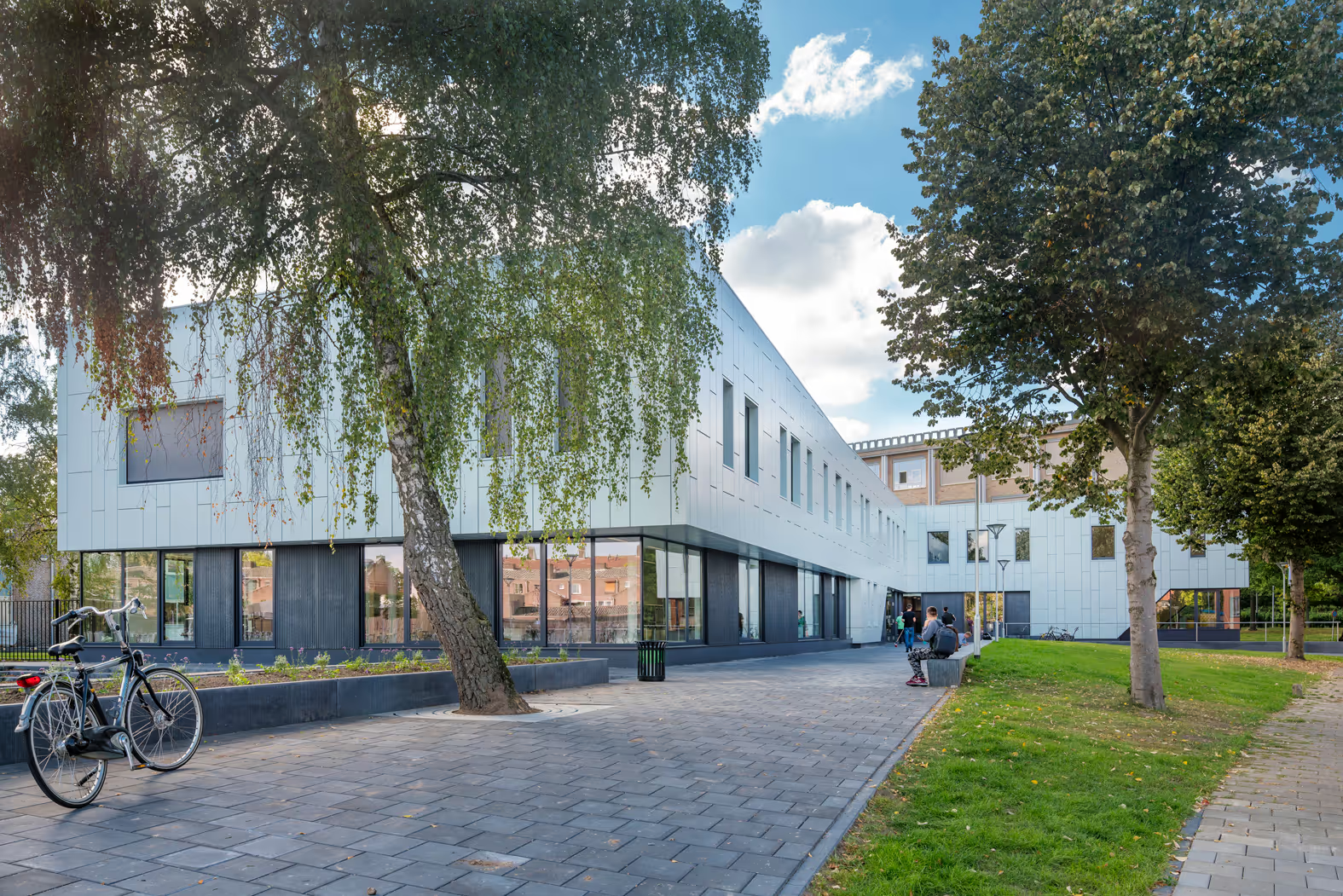
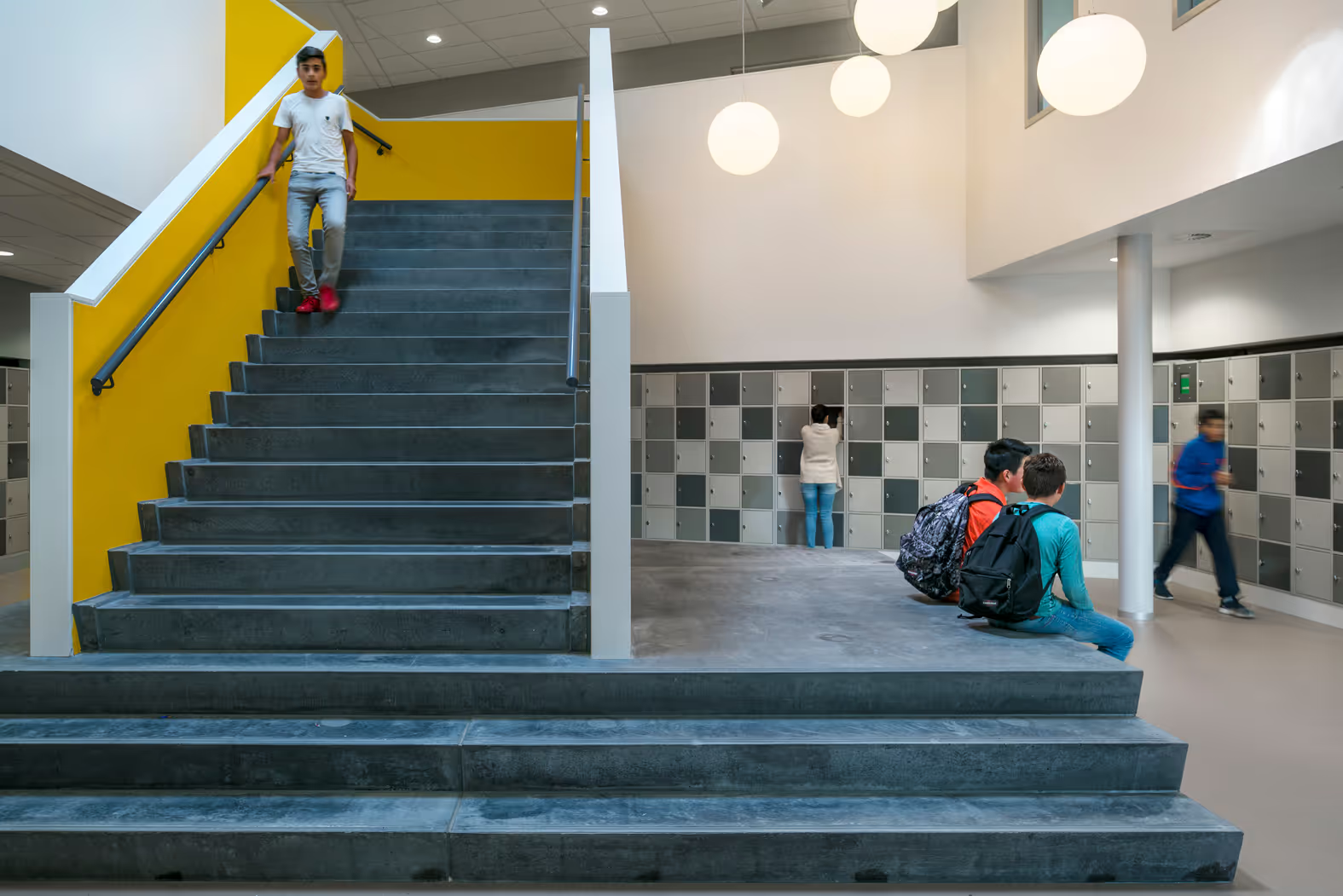
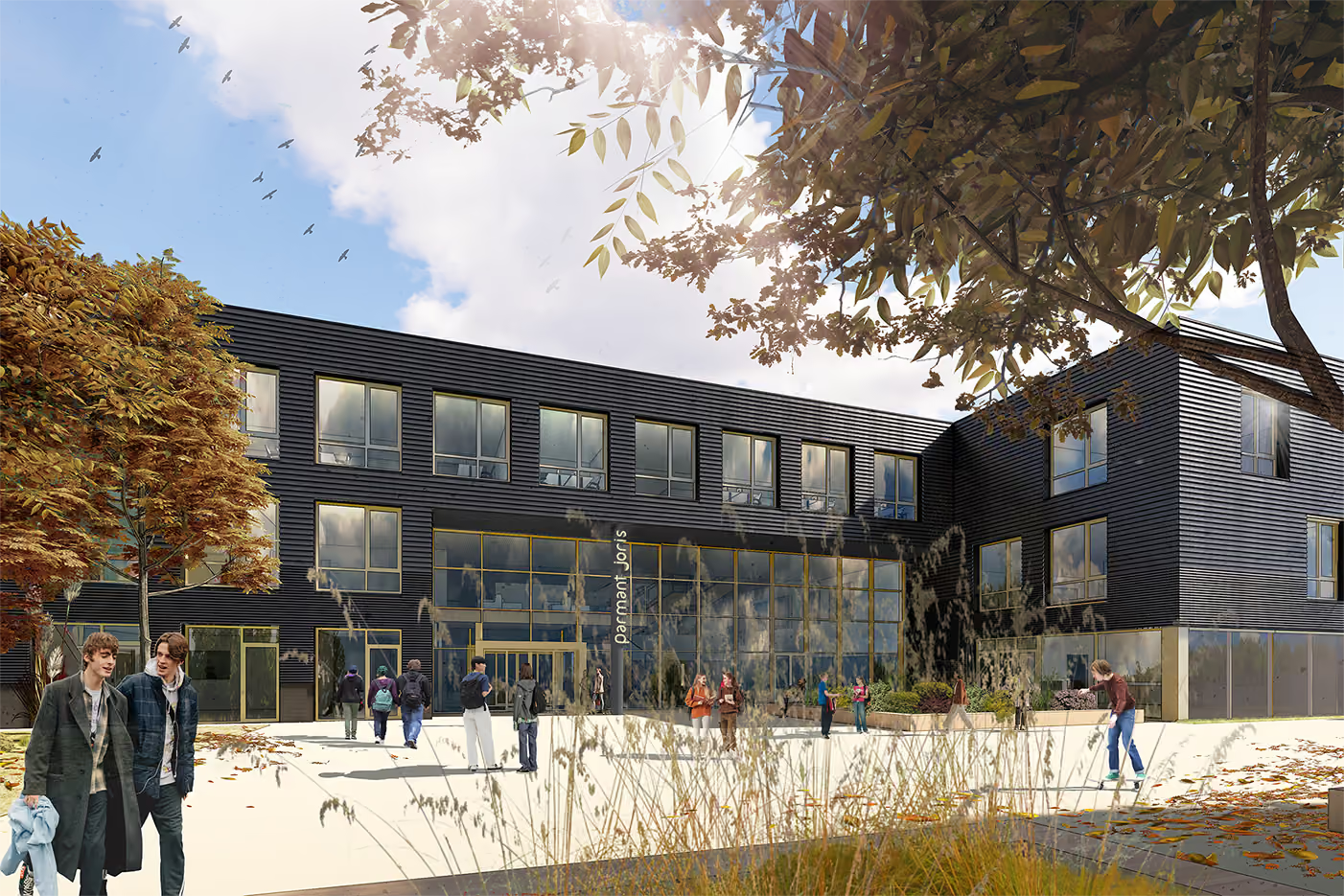
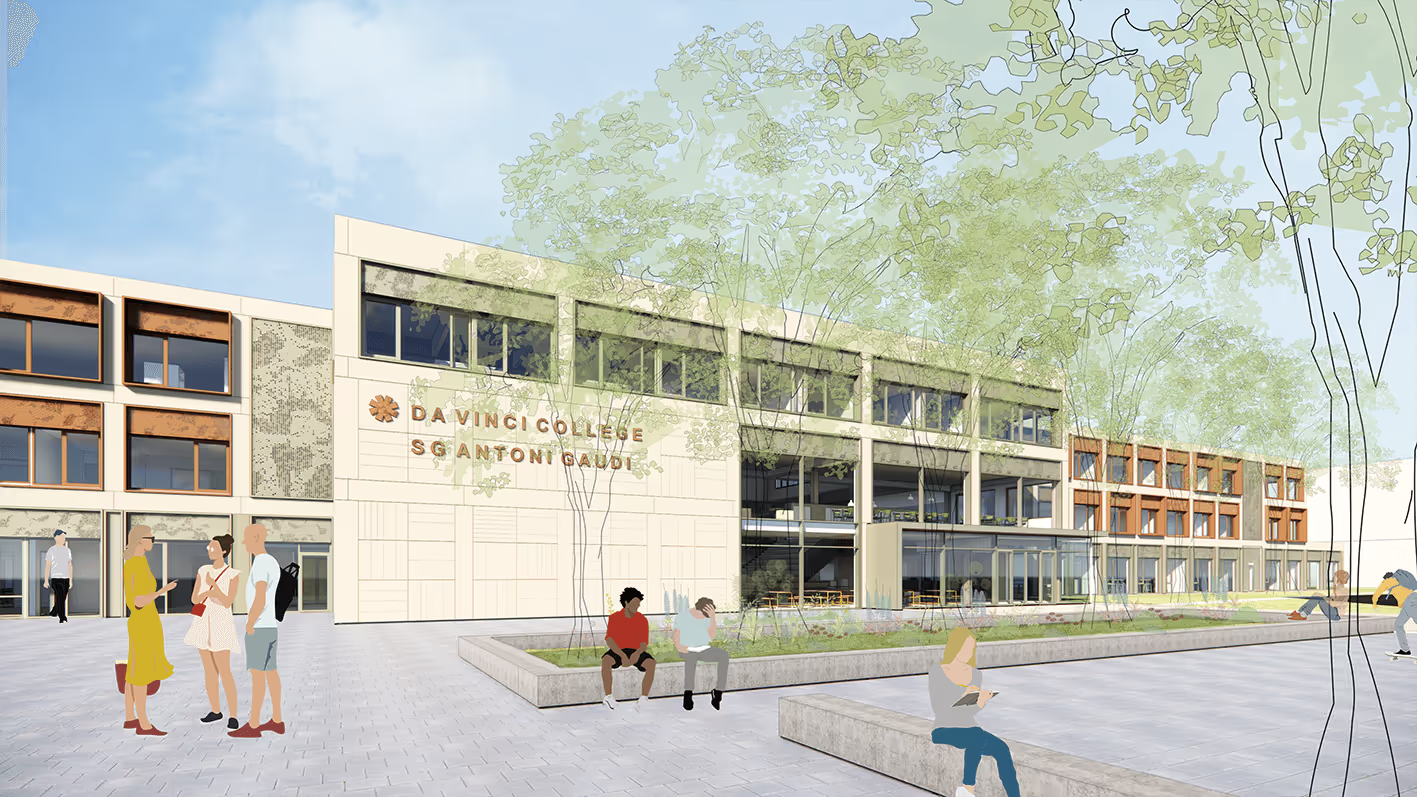
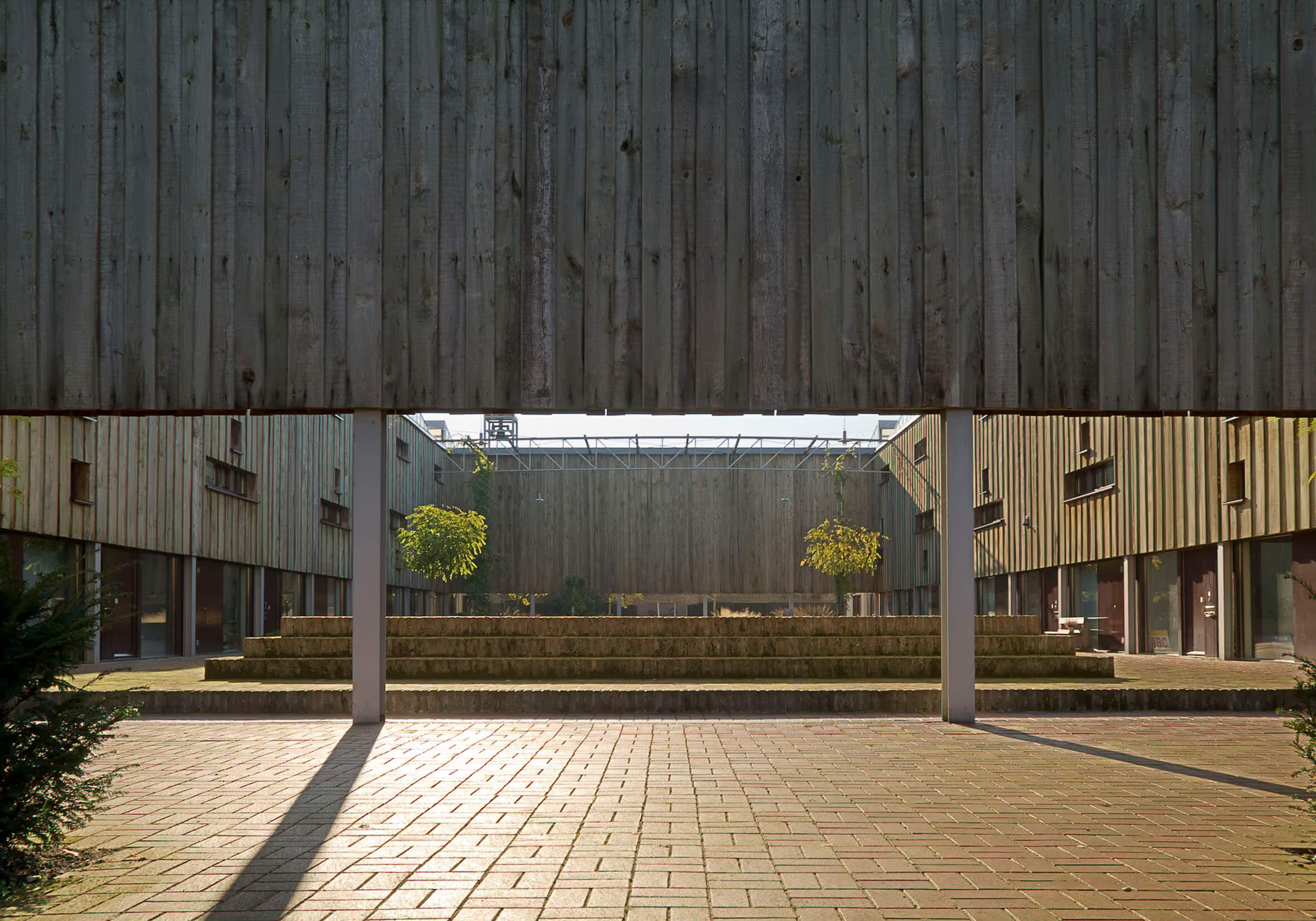
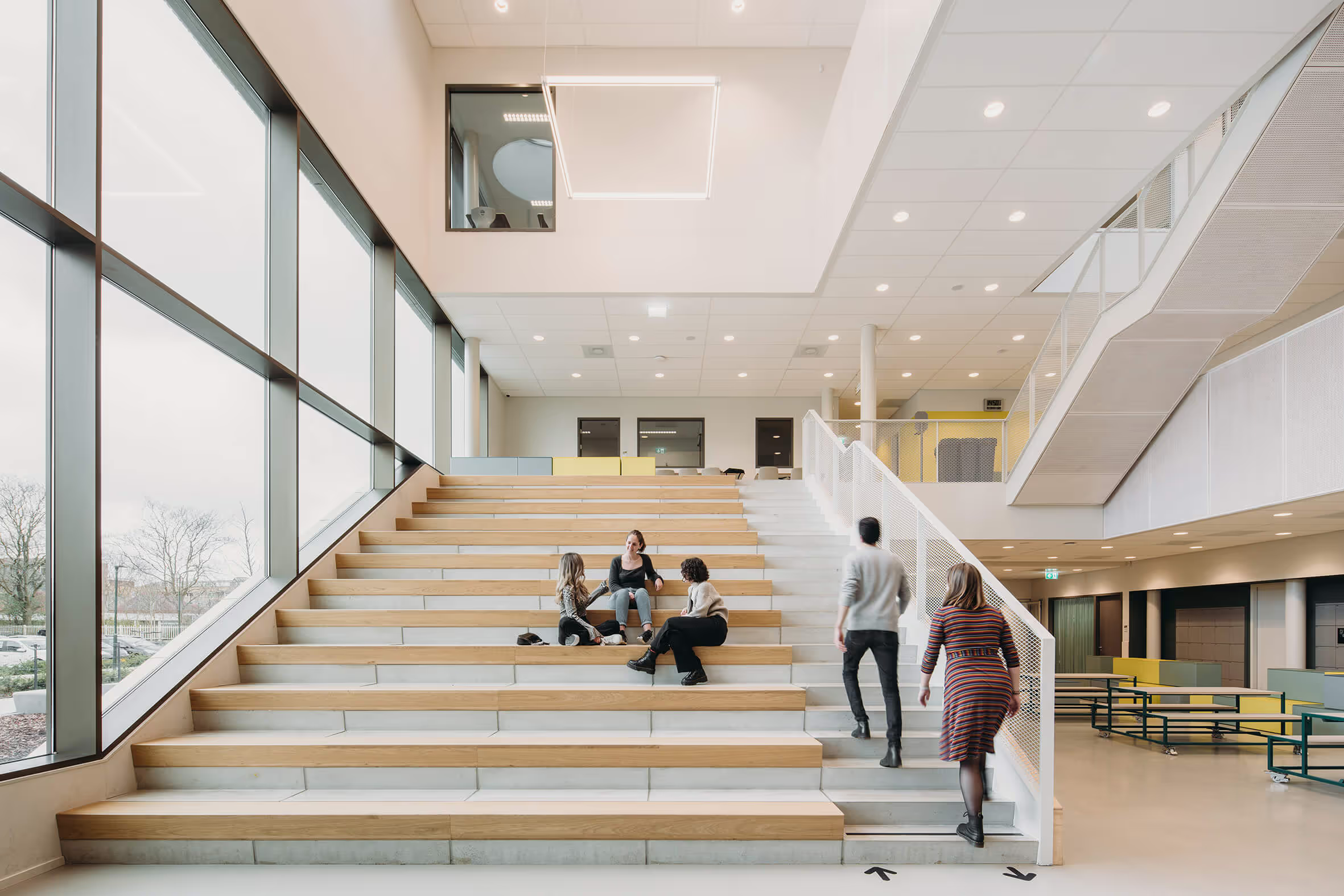
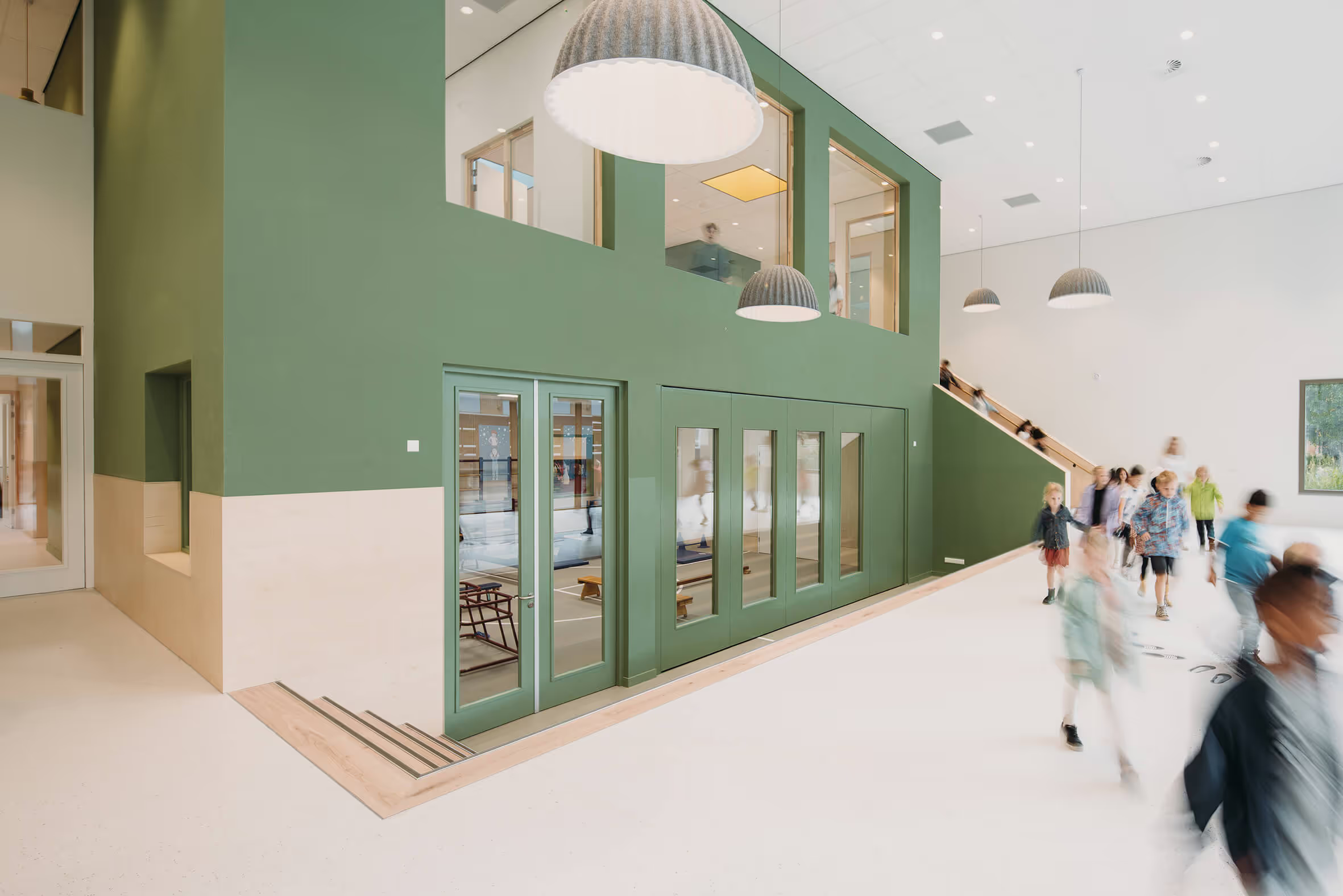
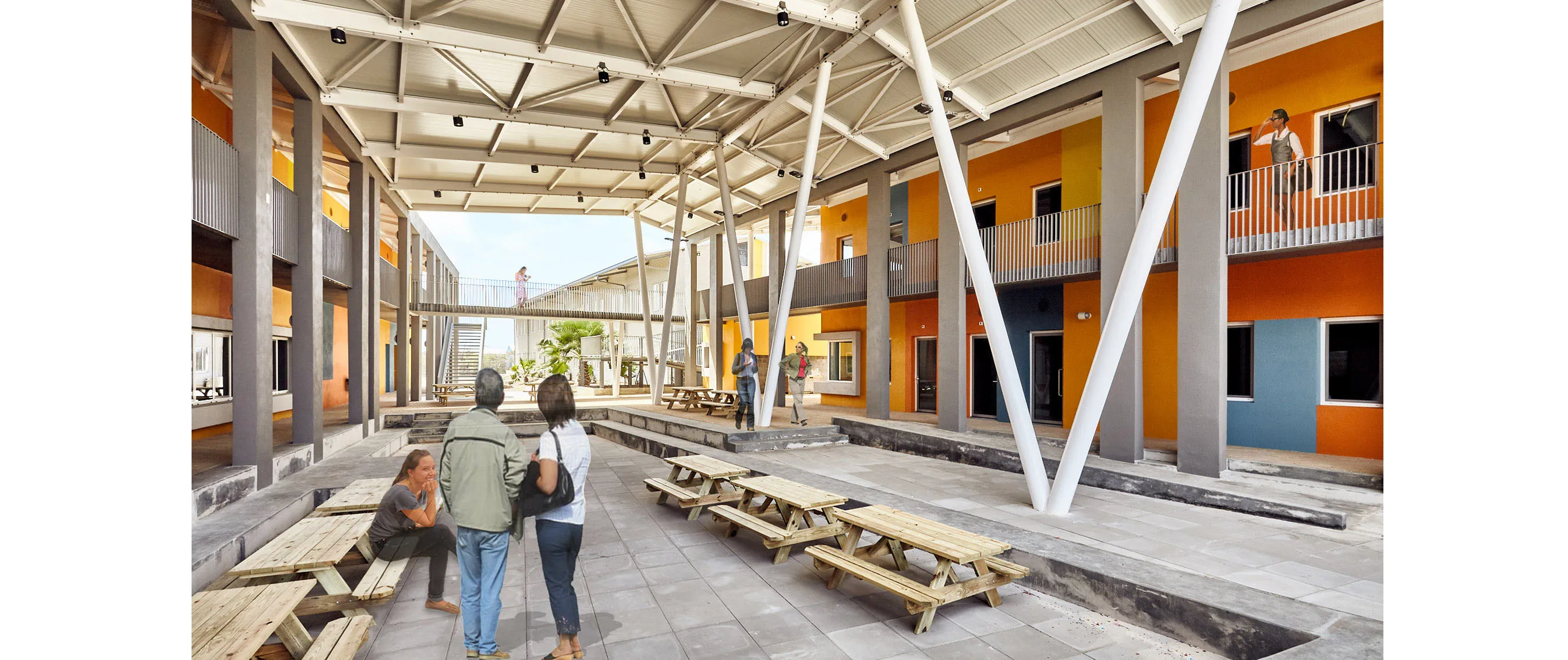
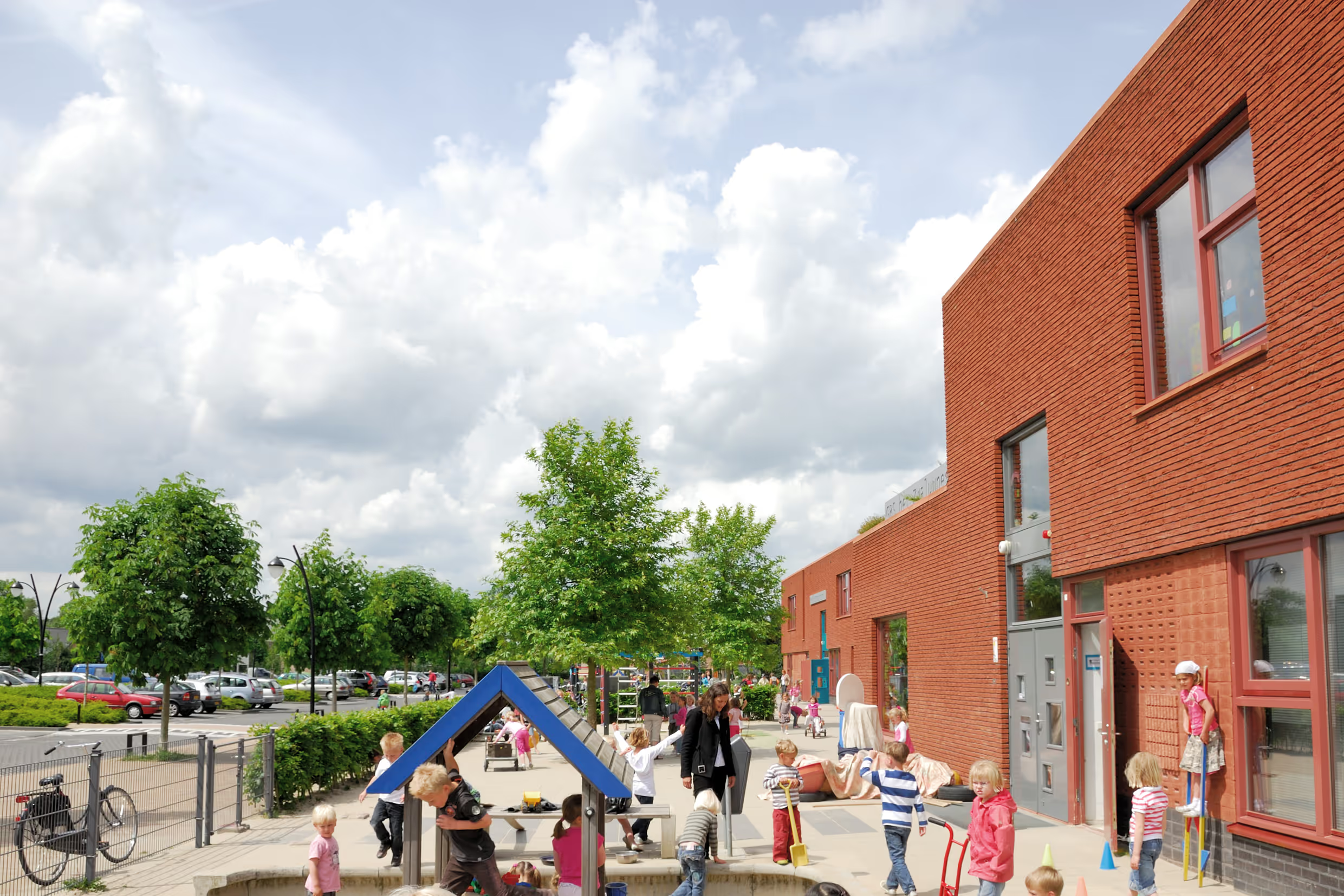
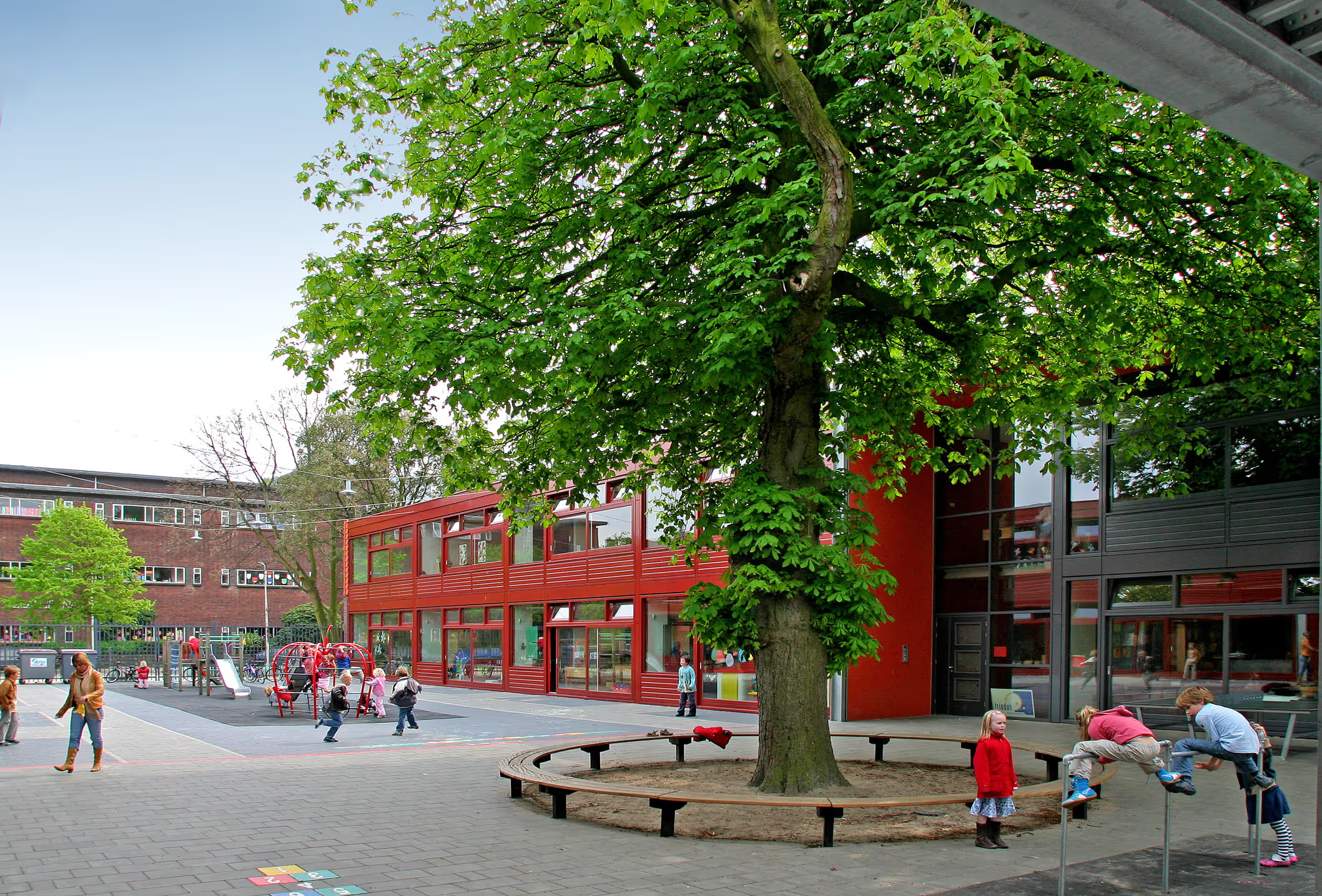
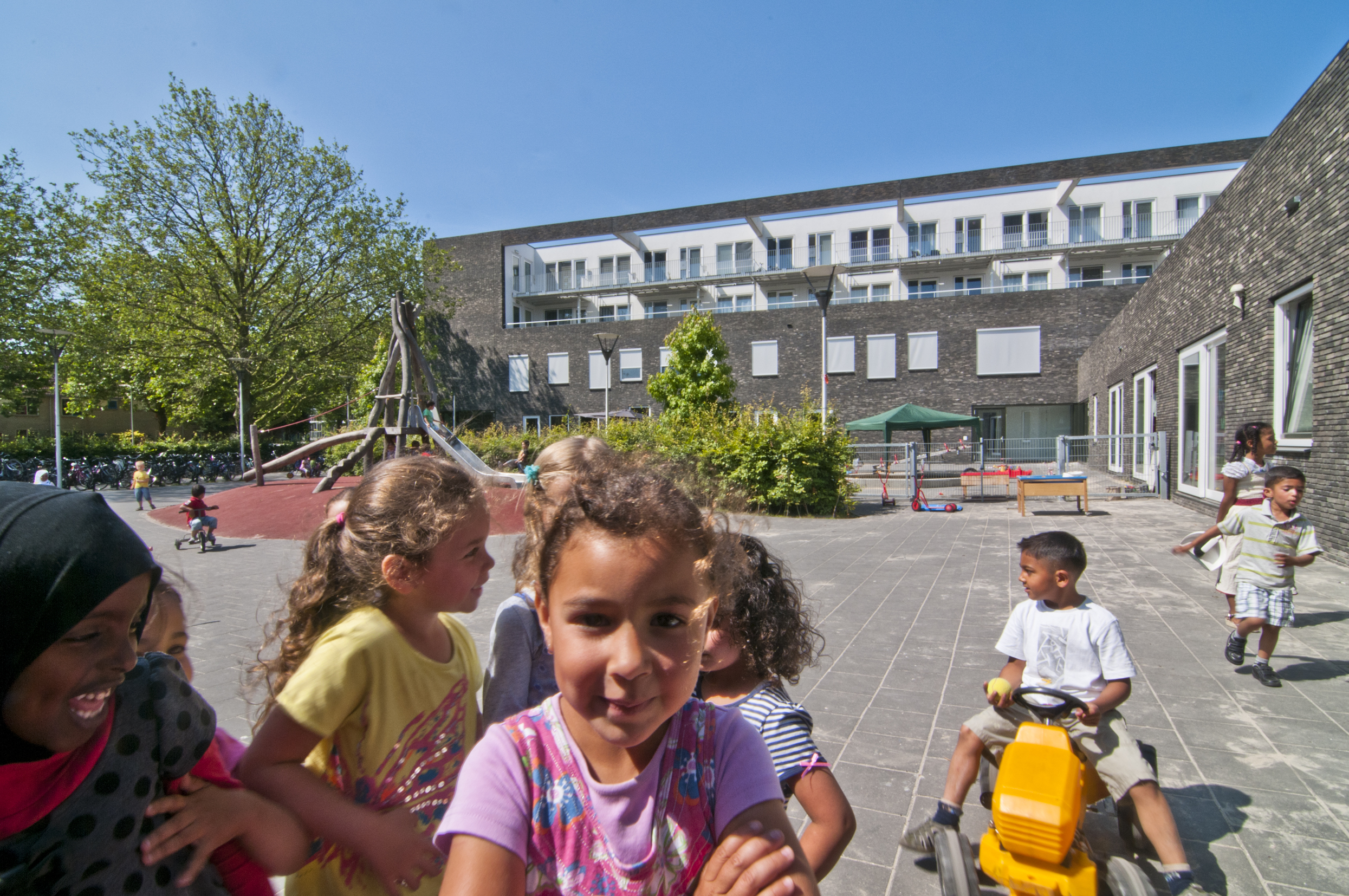
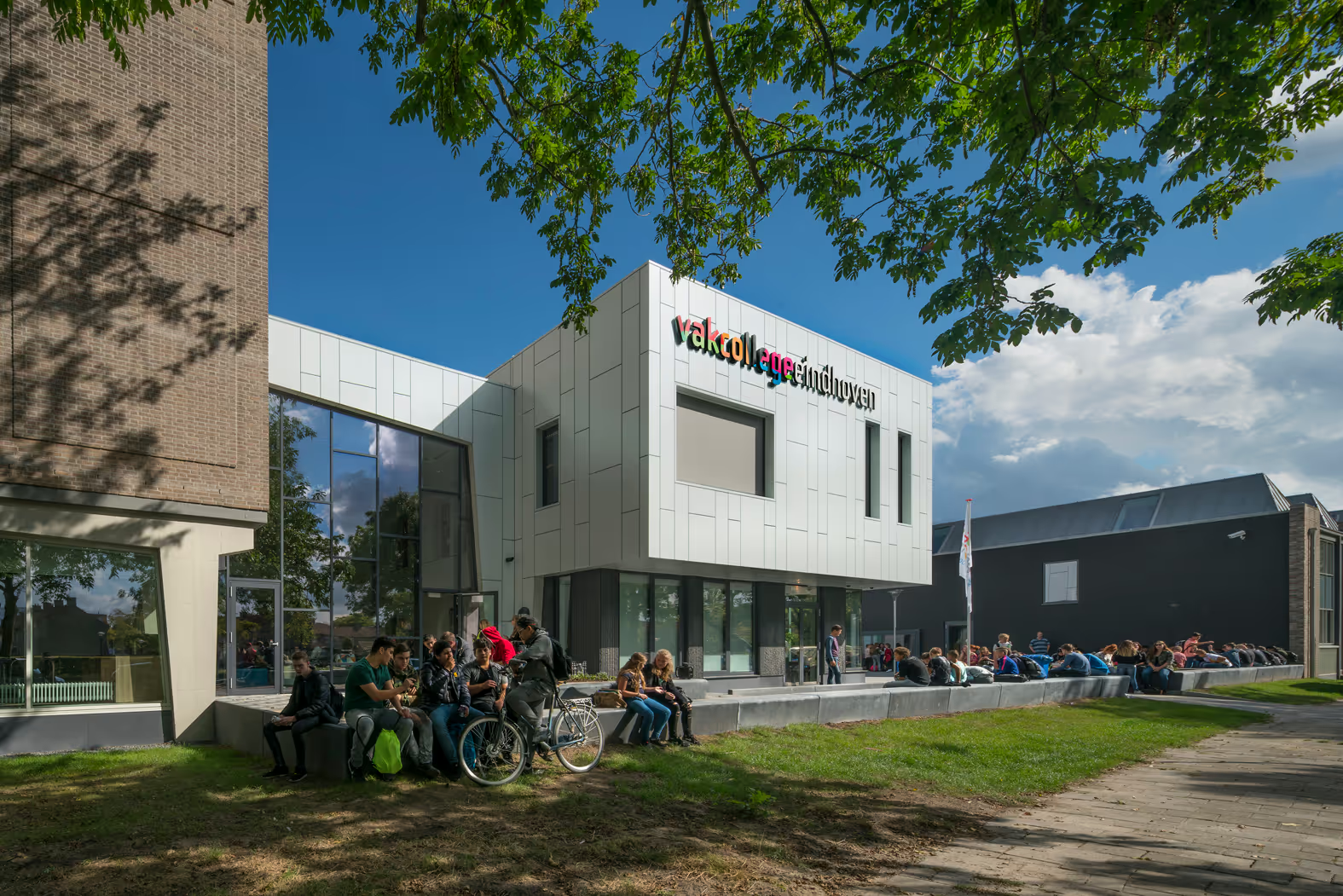
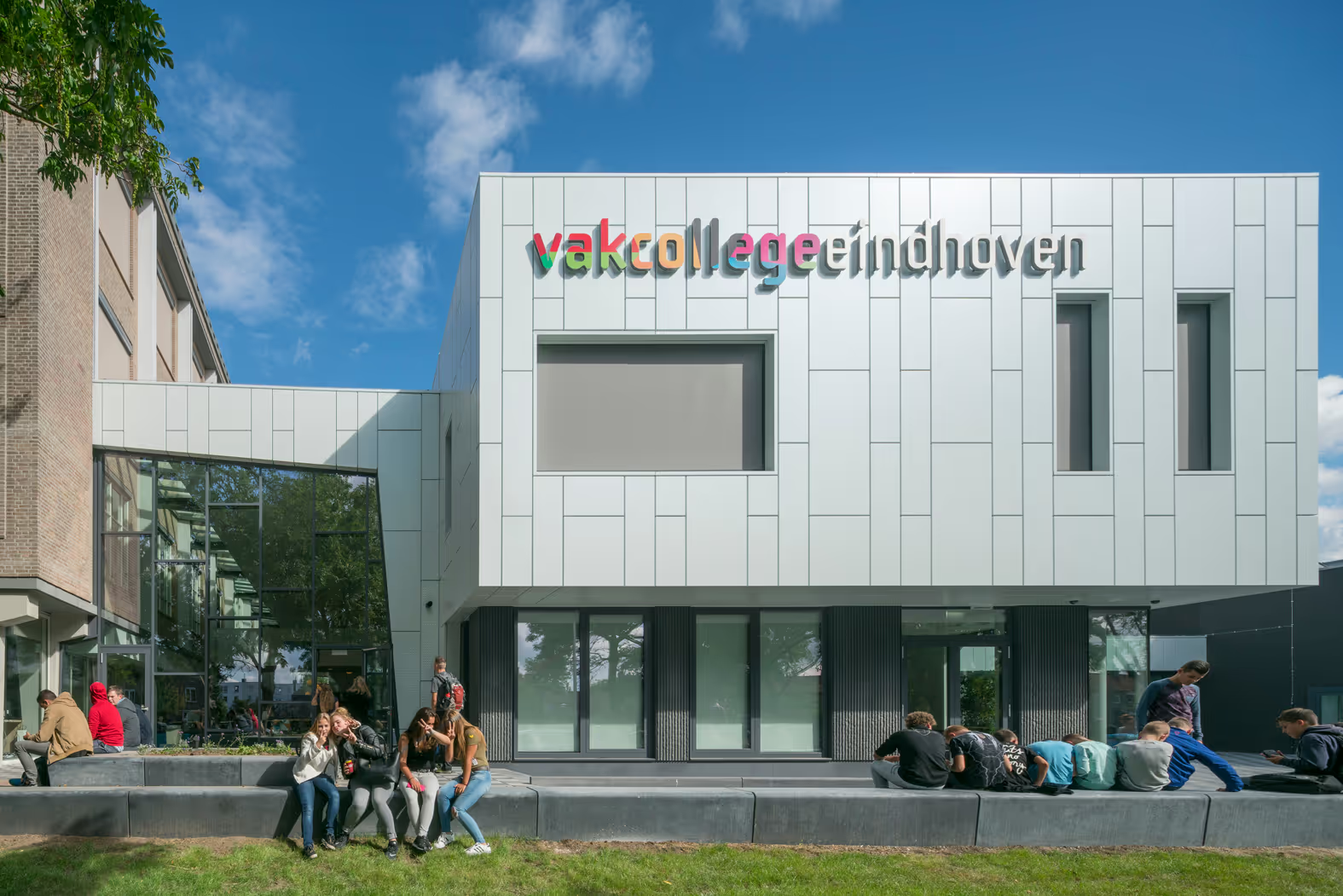
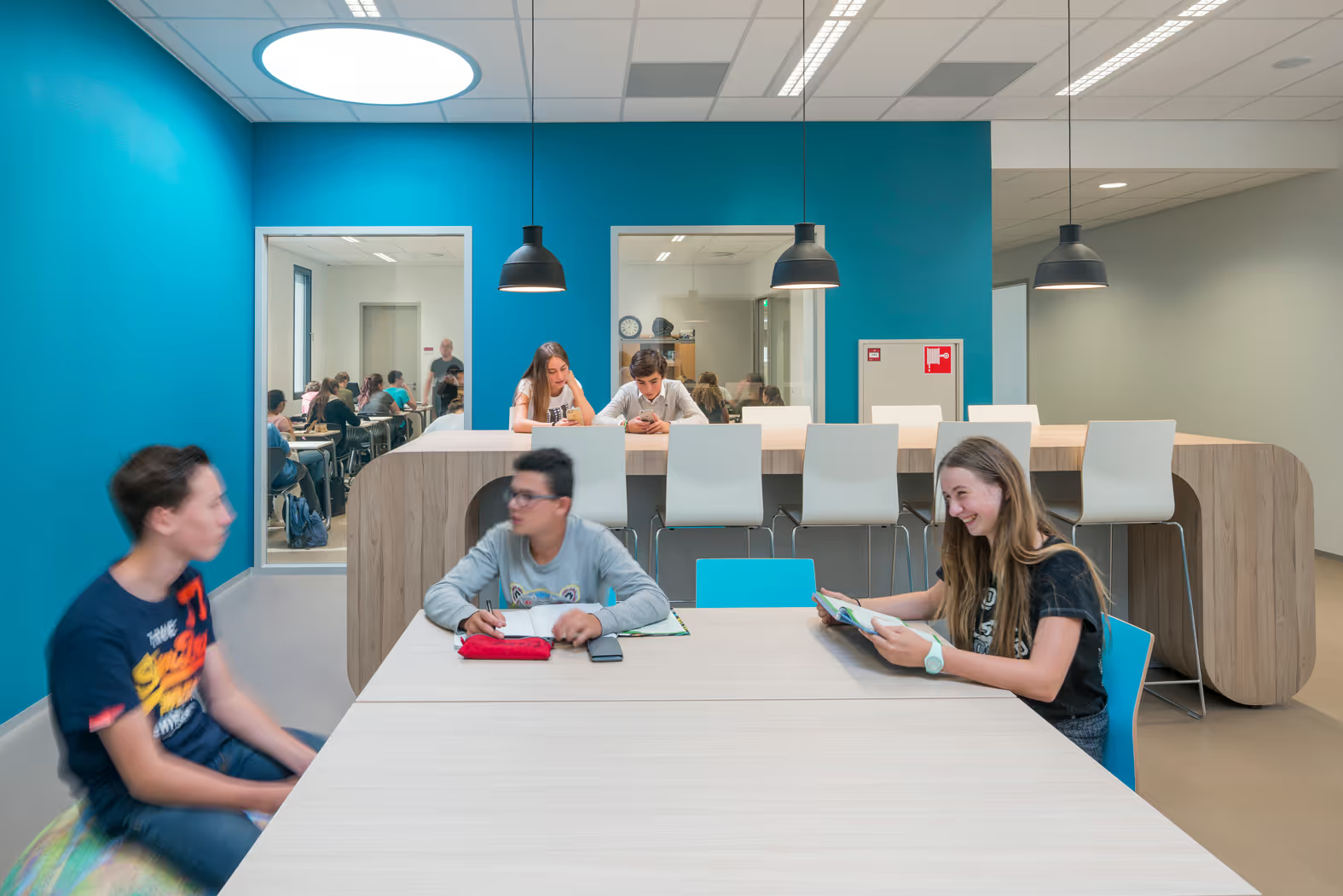
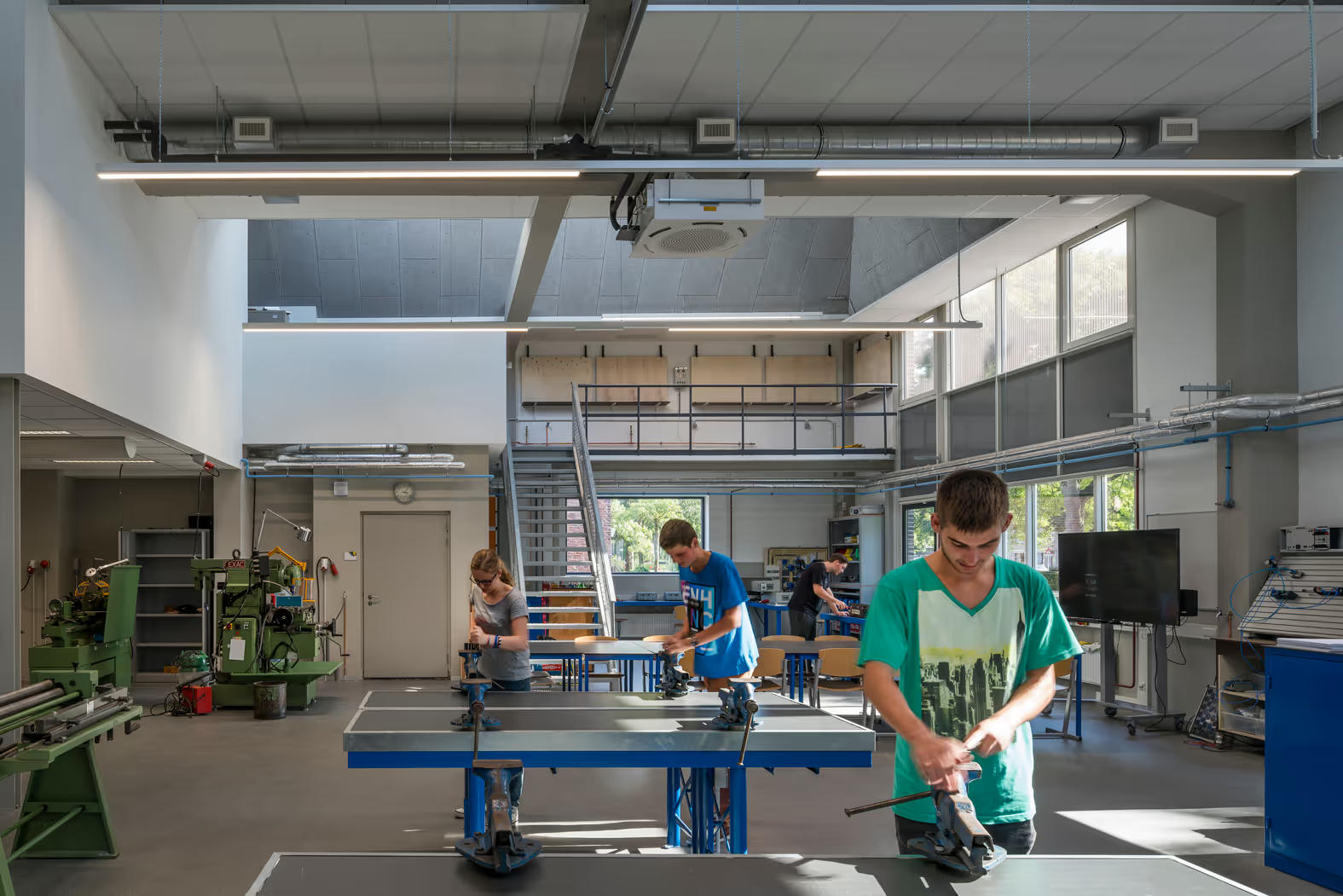
Aloysius De Roosten & Vakcollege Eindhoven are emphatically two schools with their own educational visions and their own student populations of approximately 400 students each. They have their own building, square and entrance area. Aloysius de Roosten's teaching takes place around four inspiration labs surrounded by four classrooms. Labs that are all about discovery, research, solving and collaboration. Vakcollege Eindhoven is a school where craftsmanship is of paramount importance. The existing practice halls are ideally suited for this.
Synergy
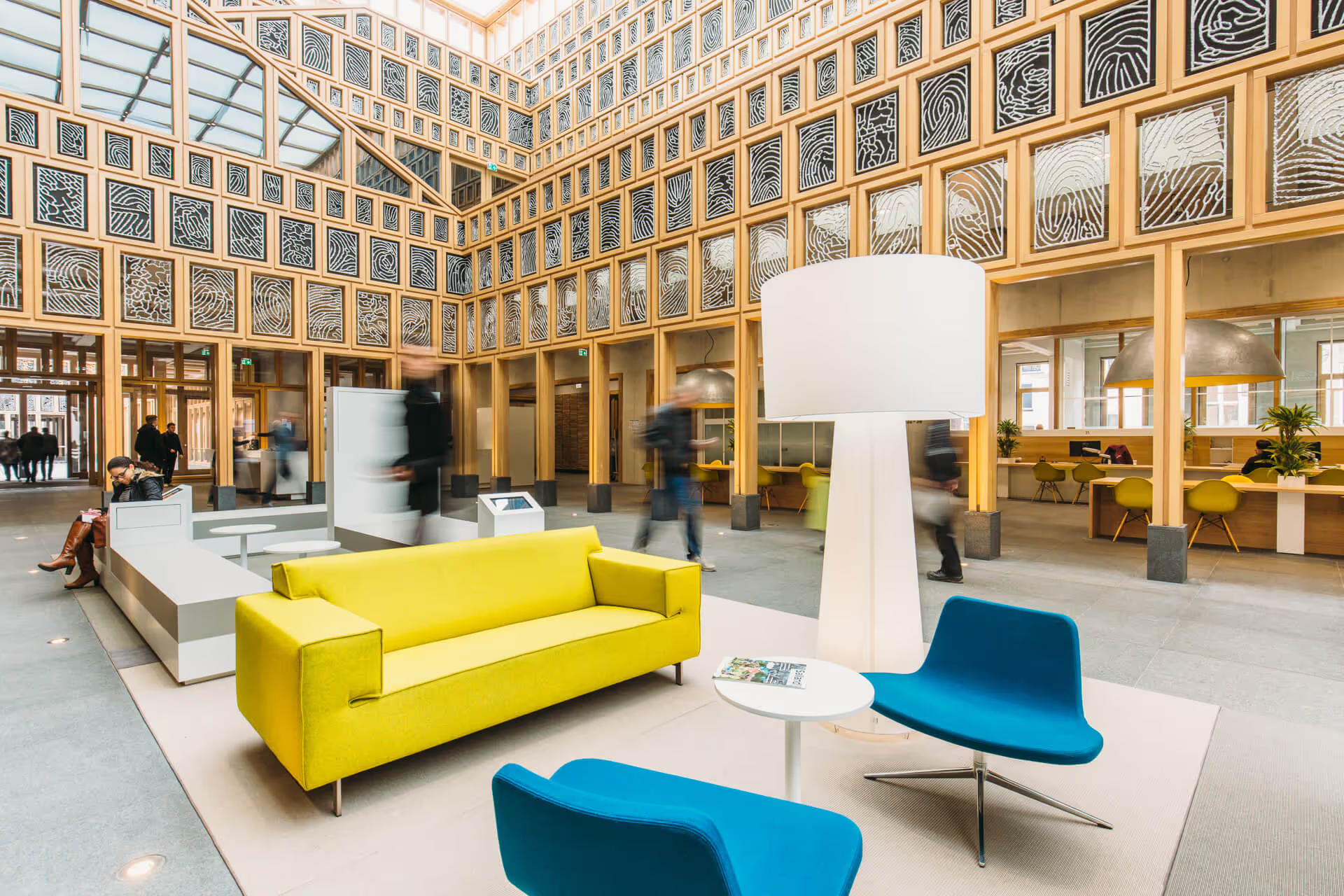
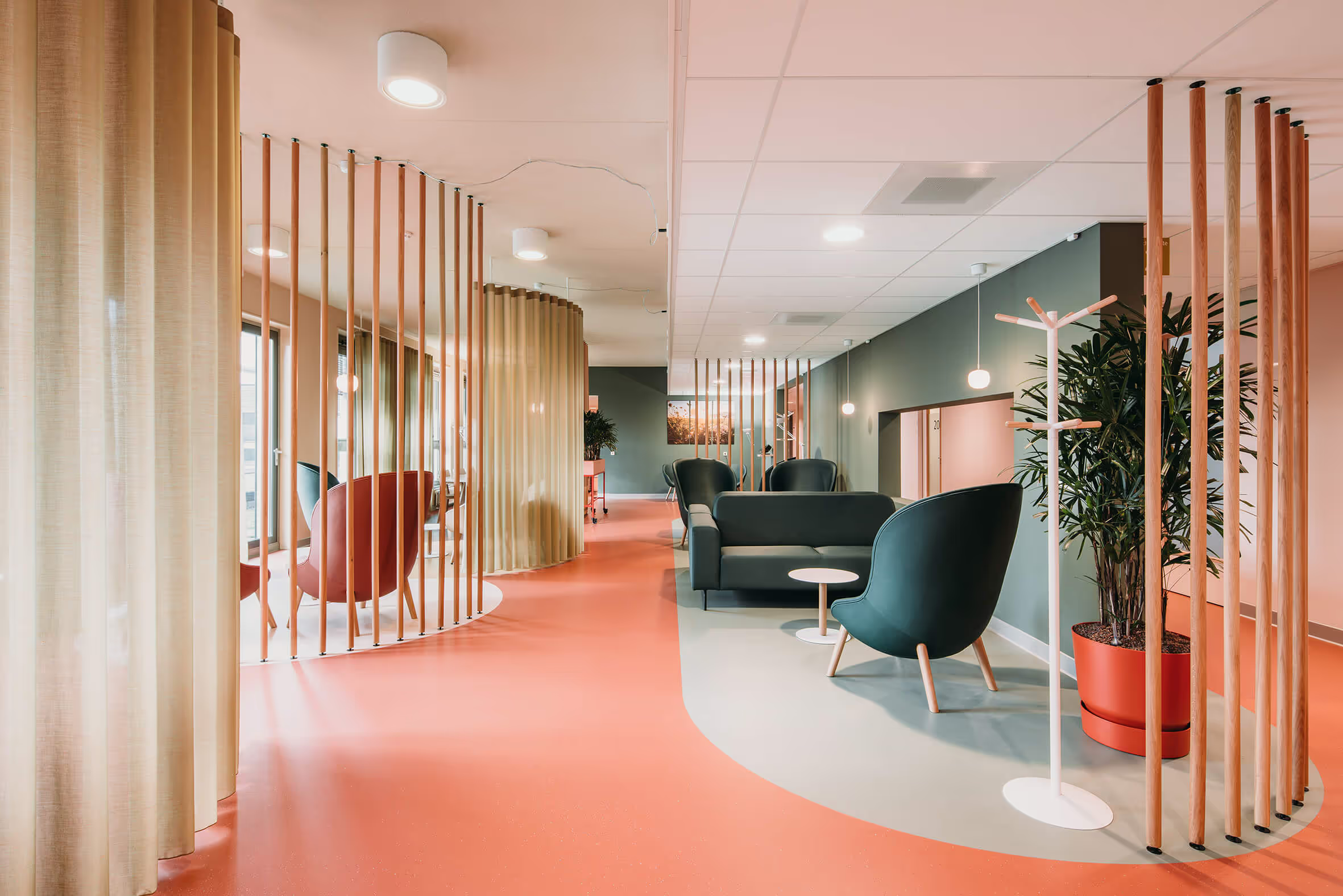
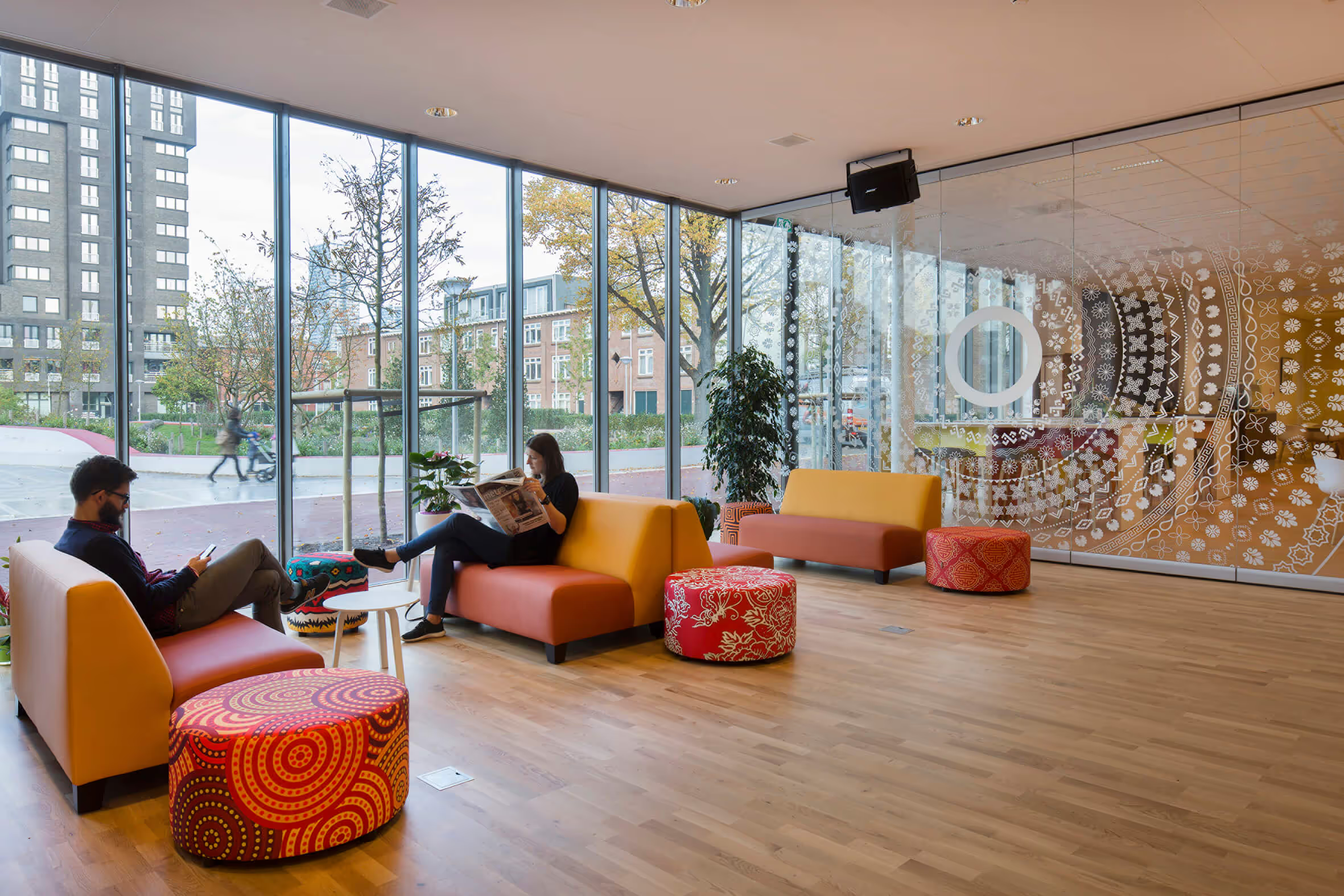
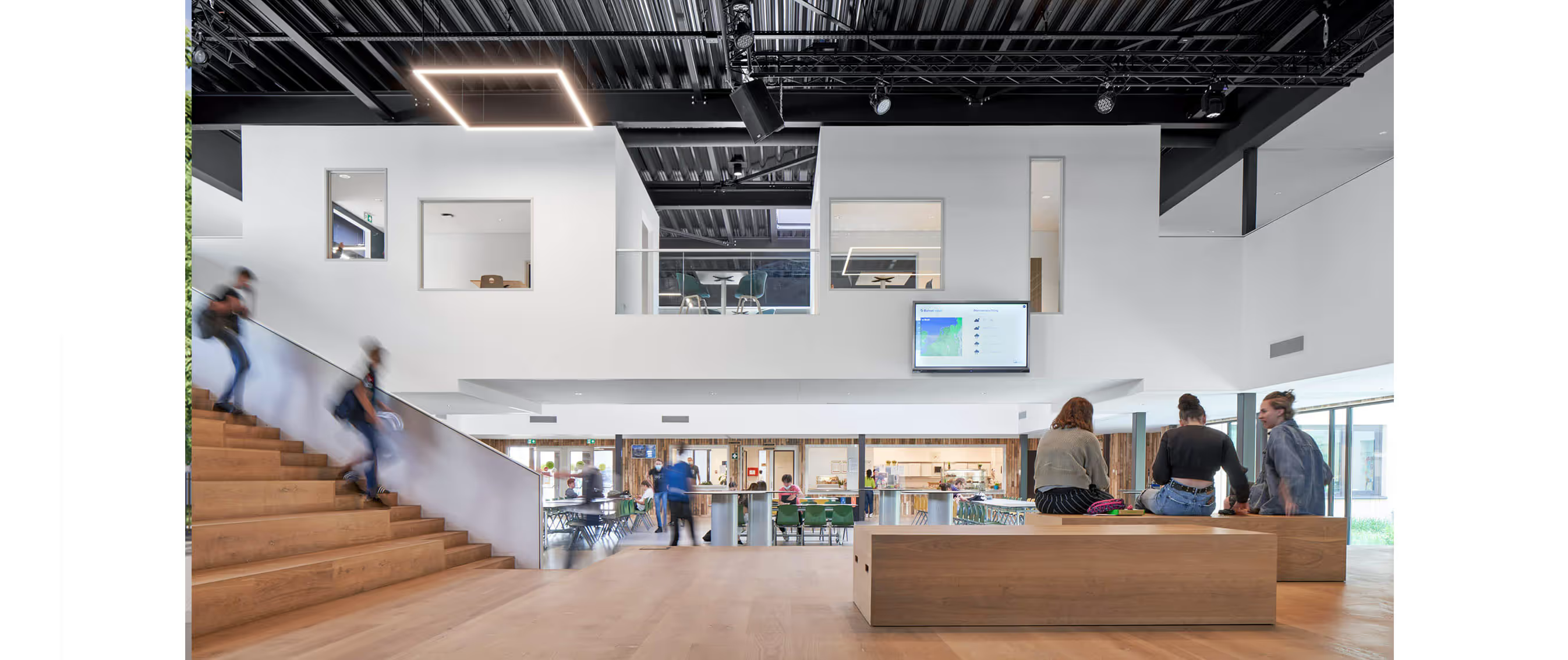
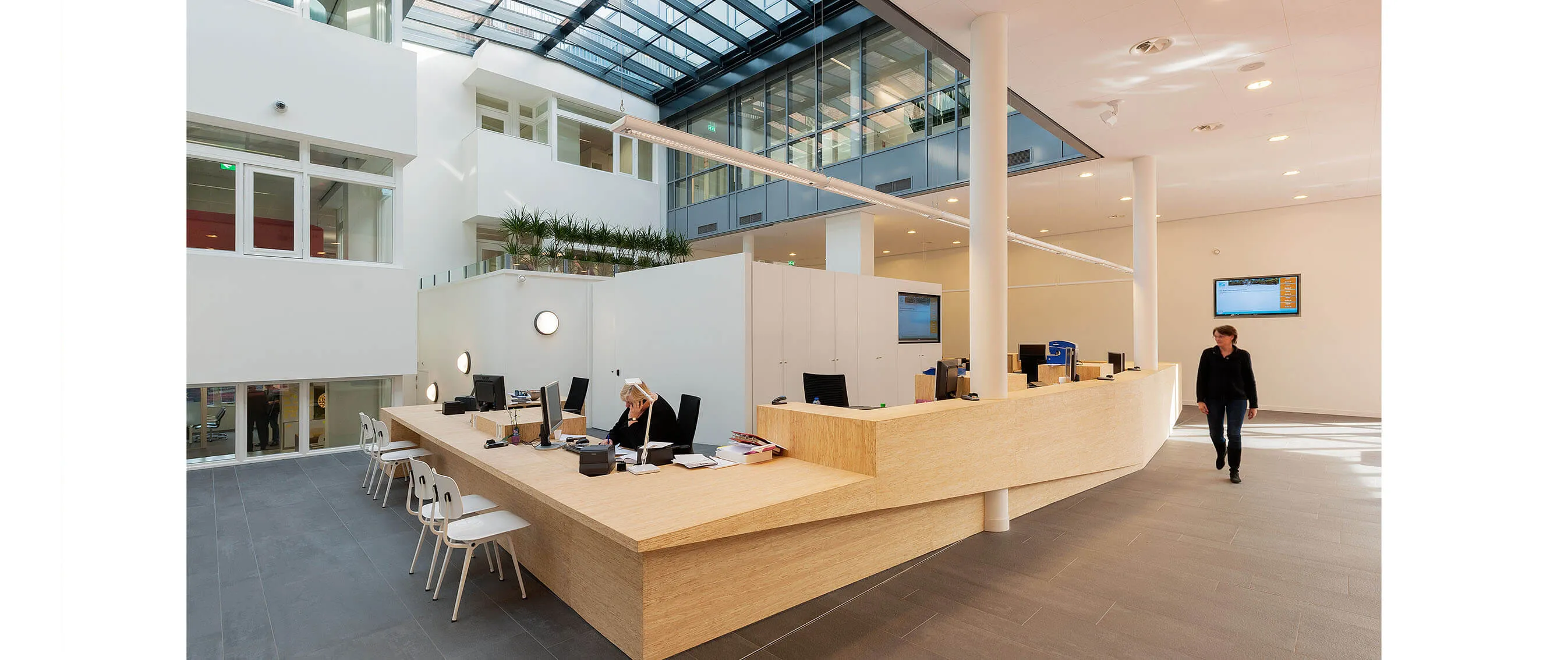
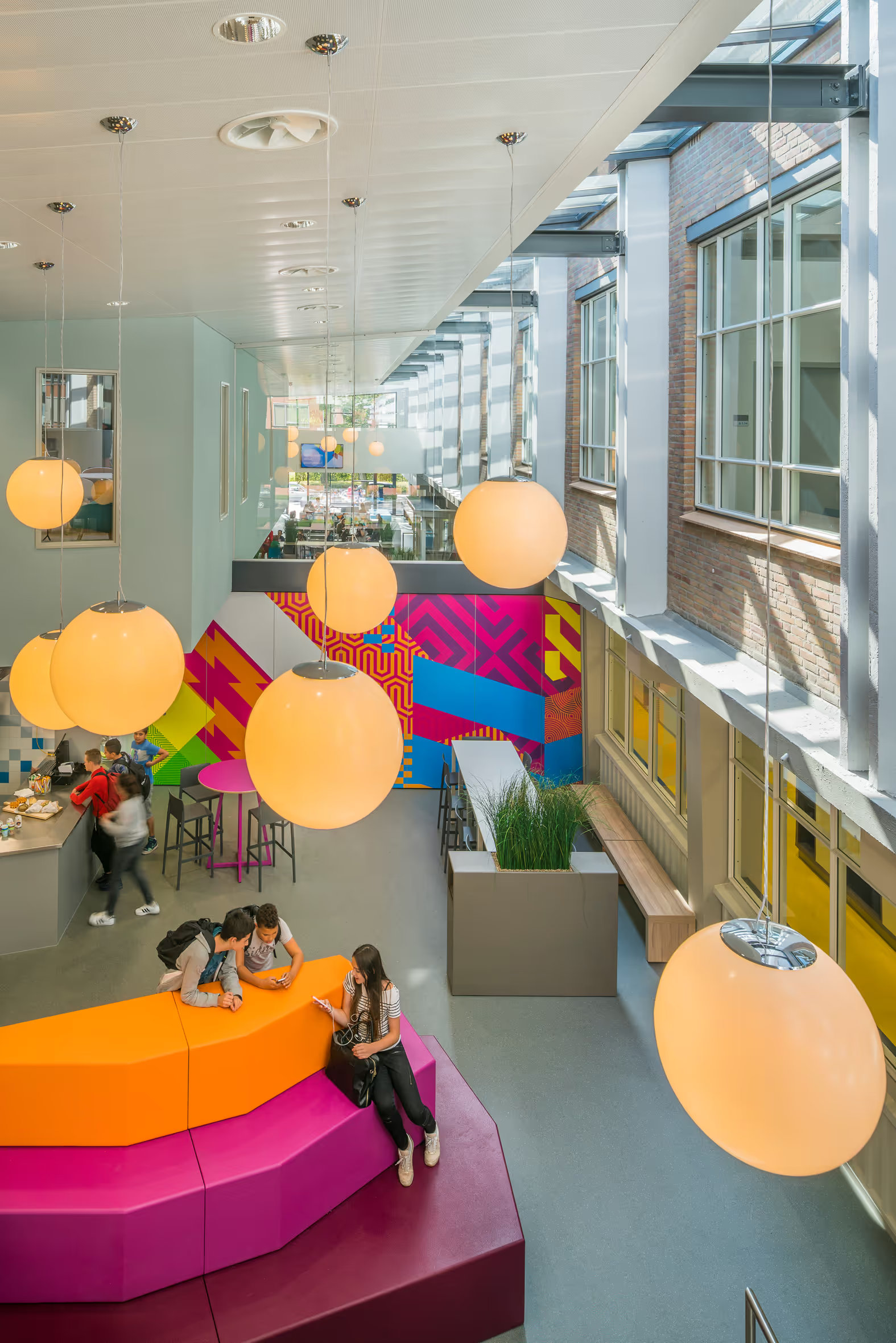
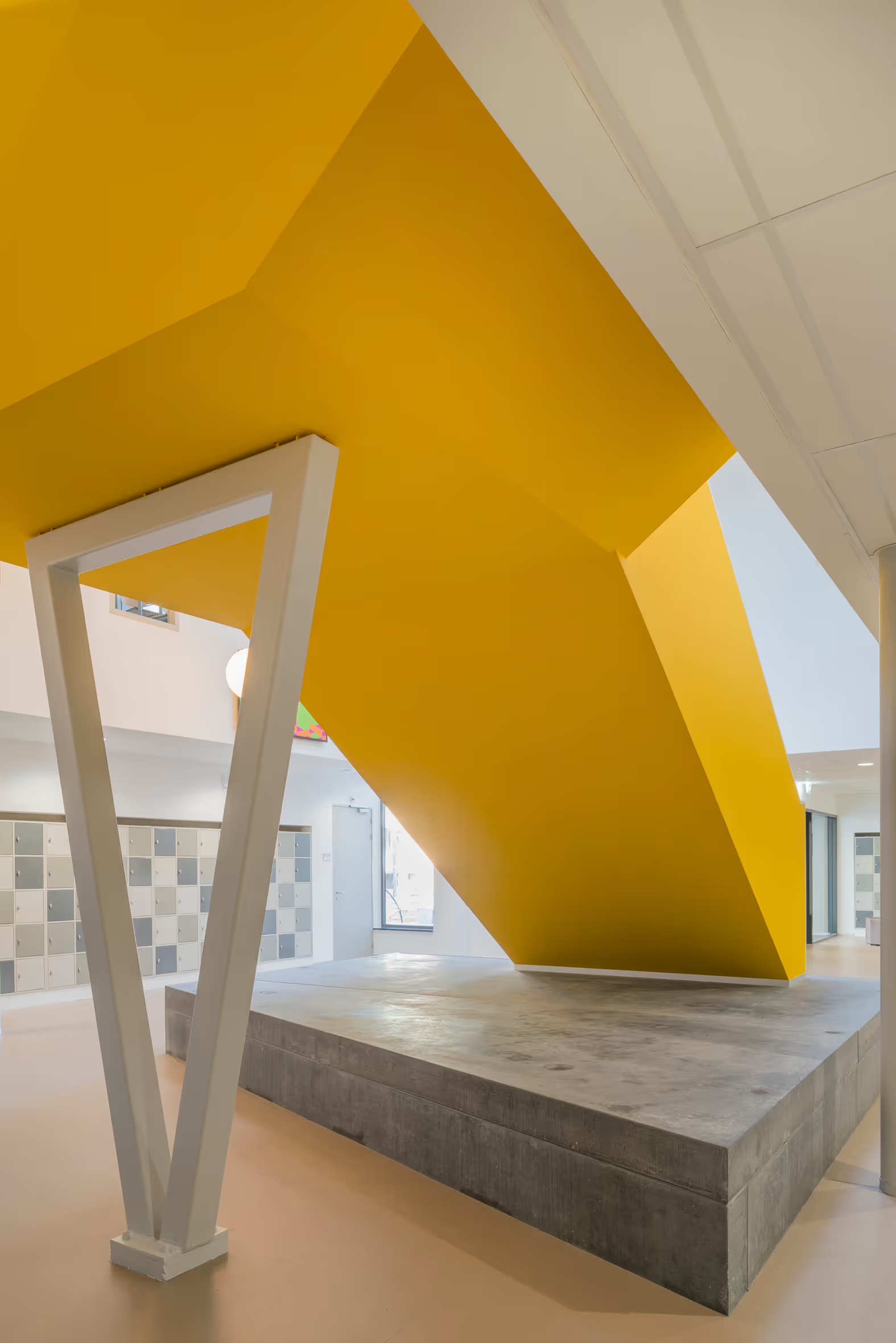
The new building has a central core where both schools share functions such as a central administration, a communal kitchen, a large communal team room and two auditoriums that flow into each other. In fact, both schools are friendly neighbours. In addition, there are various classrooms that are used by both schools: e.g. art & cultural spaces, and technical classrooms. Should there be other insights and/or educational visions in these in the future, the complex will also be able to be used as one building.
Fresh and contemporary while retaining its original character
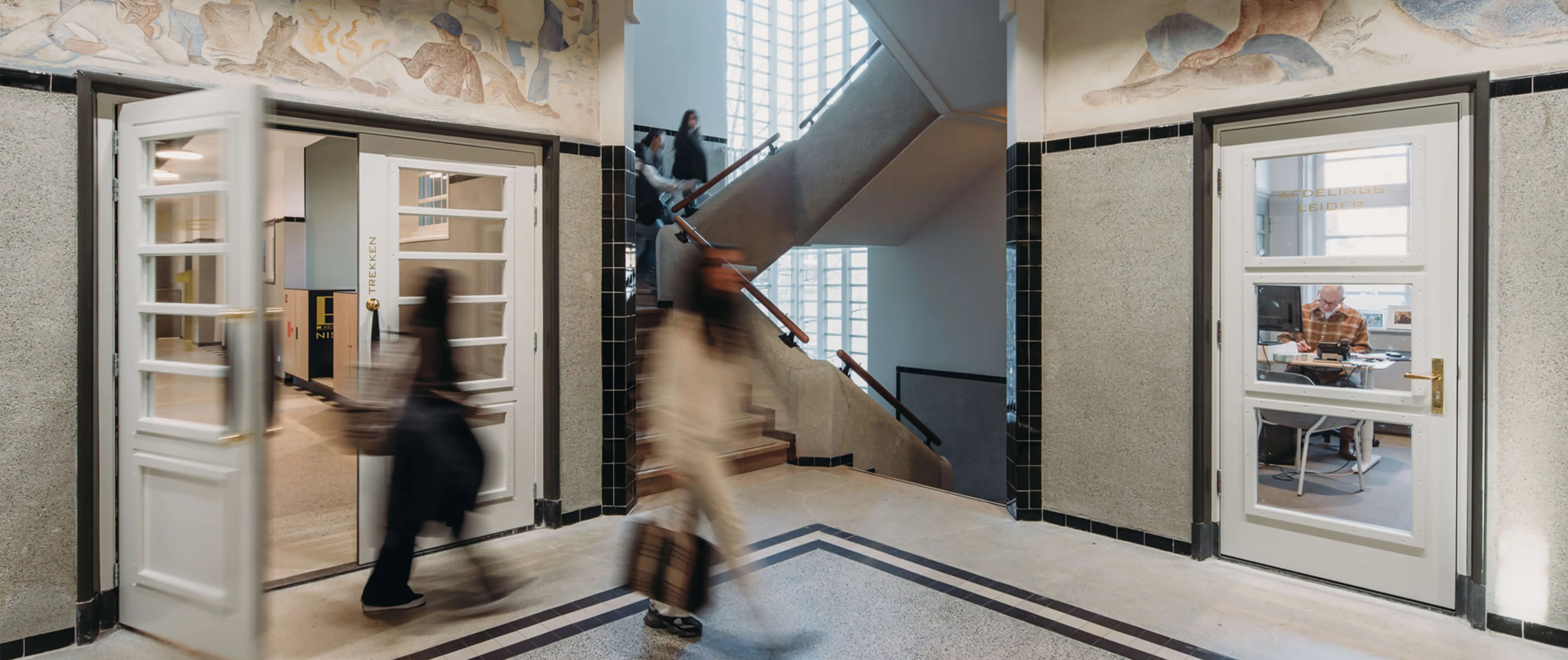
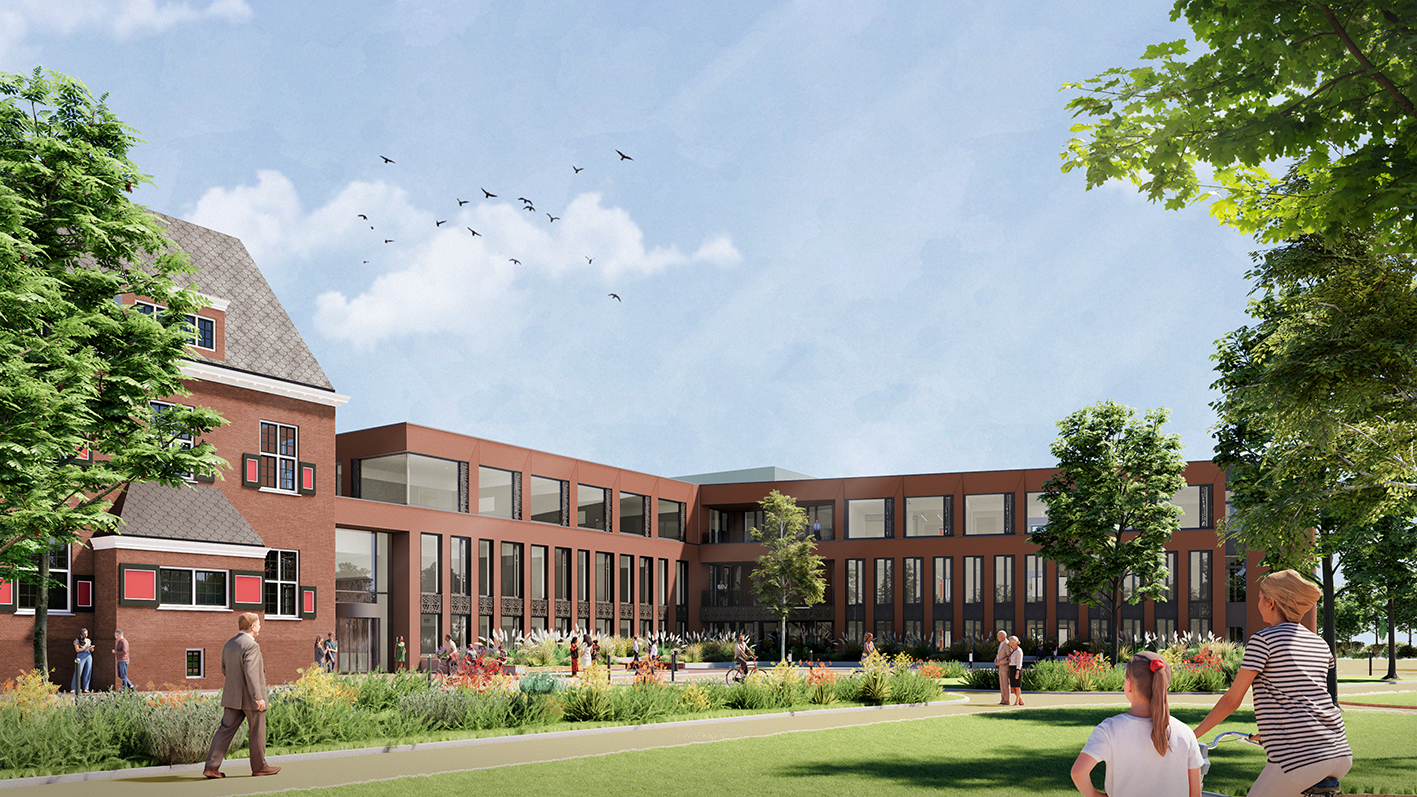
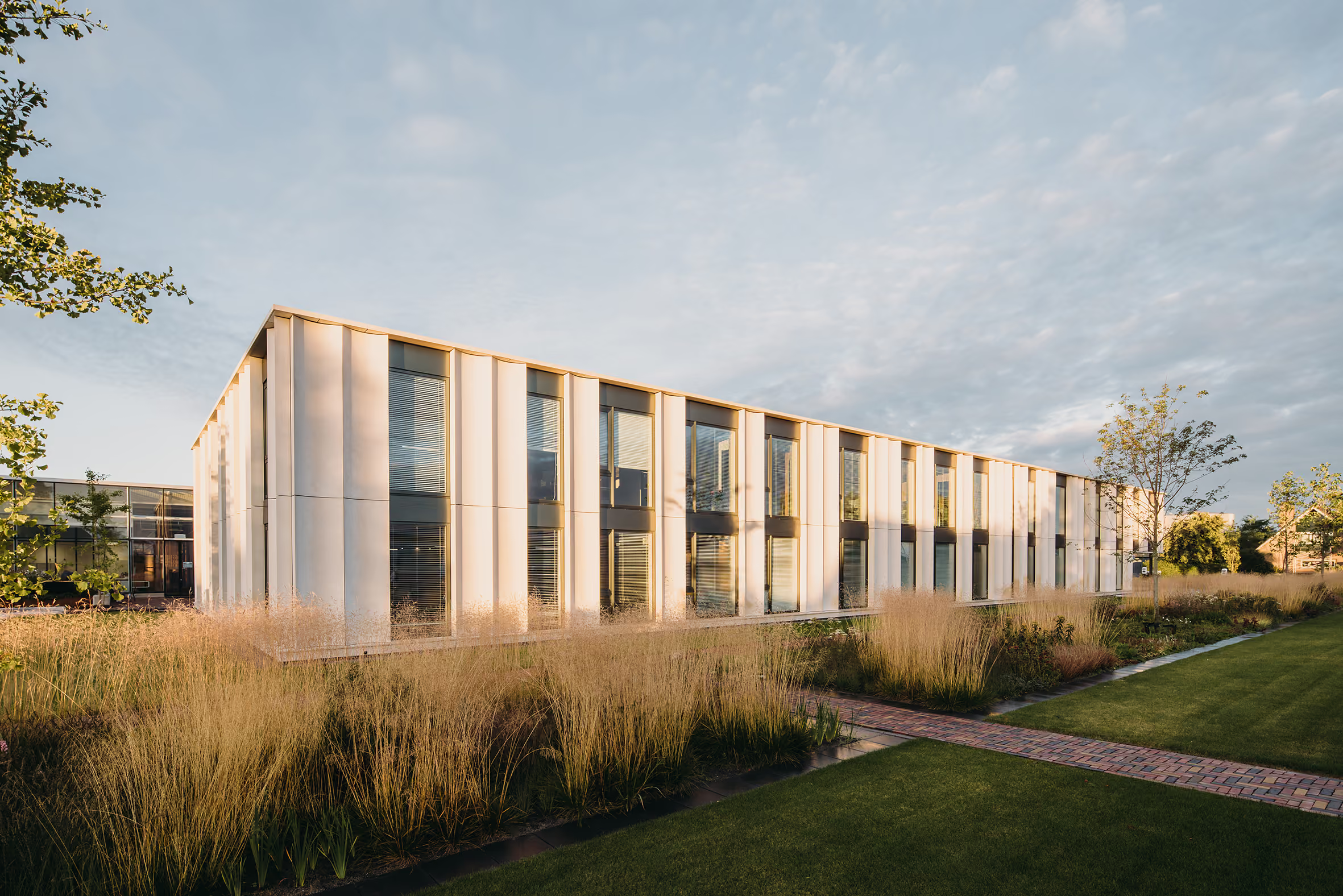
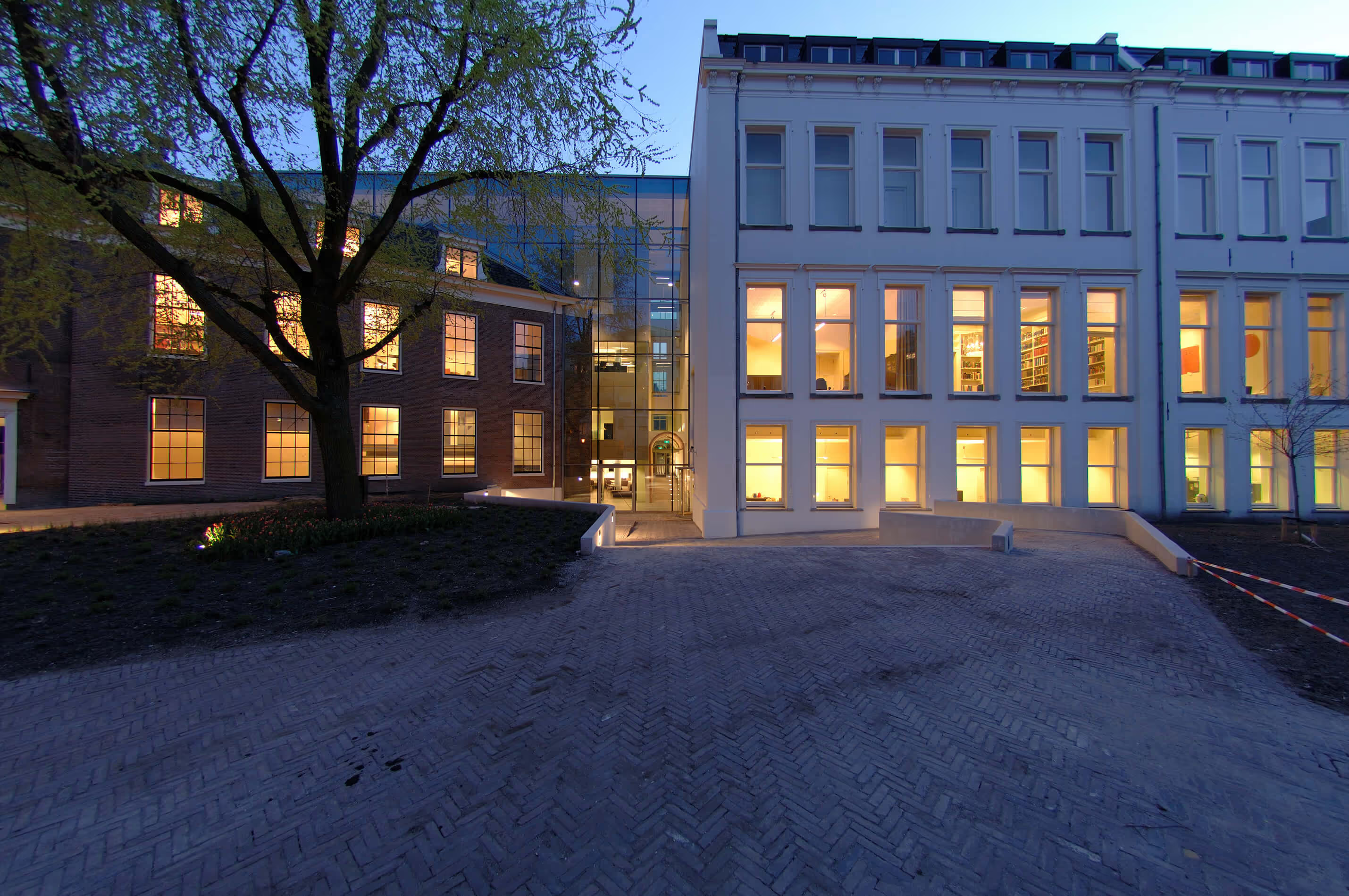
Fortunately, this type of building from the Reconstruction period, which was eligible for demolition until recently, has undergone a strong revaluation. When renovating the 4-storey building and the practice halls, the consideration was always made: “original and therefore preserved” or “functional for contemporary education”.
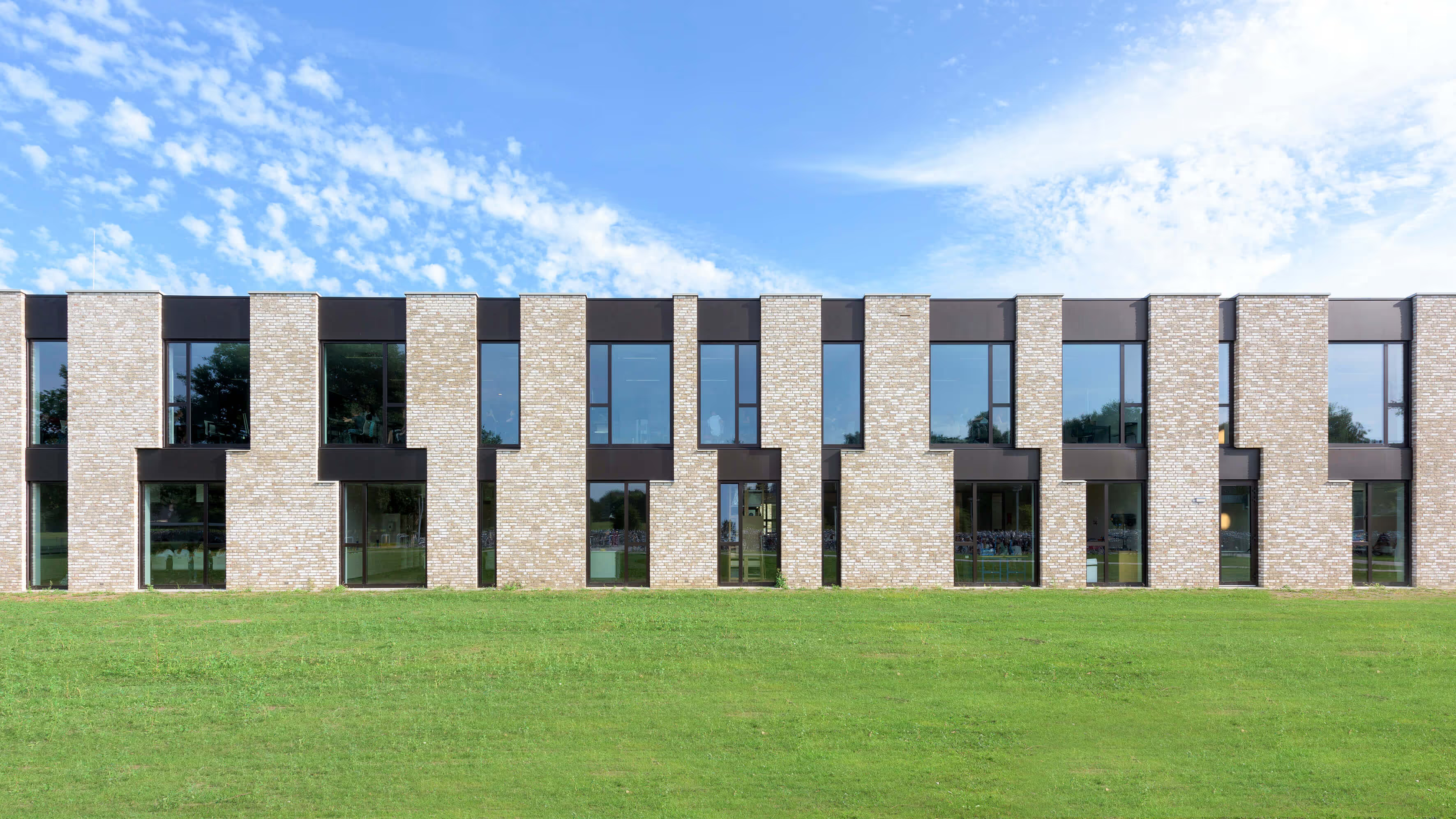
Examples of preserving characteristic elements include the decorative concrete parapet elements, beautiful Solnhofer floor tiles, existing steel staircases in the practice halls and, of course, Willy Mignot's 1959 sculpture “Blacksmith with Apprentice”. Existing steel frames, on the other hand, have been replaced from a thermal point of view while retaining the existing lines.
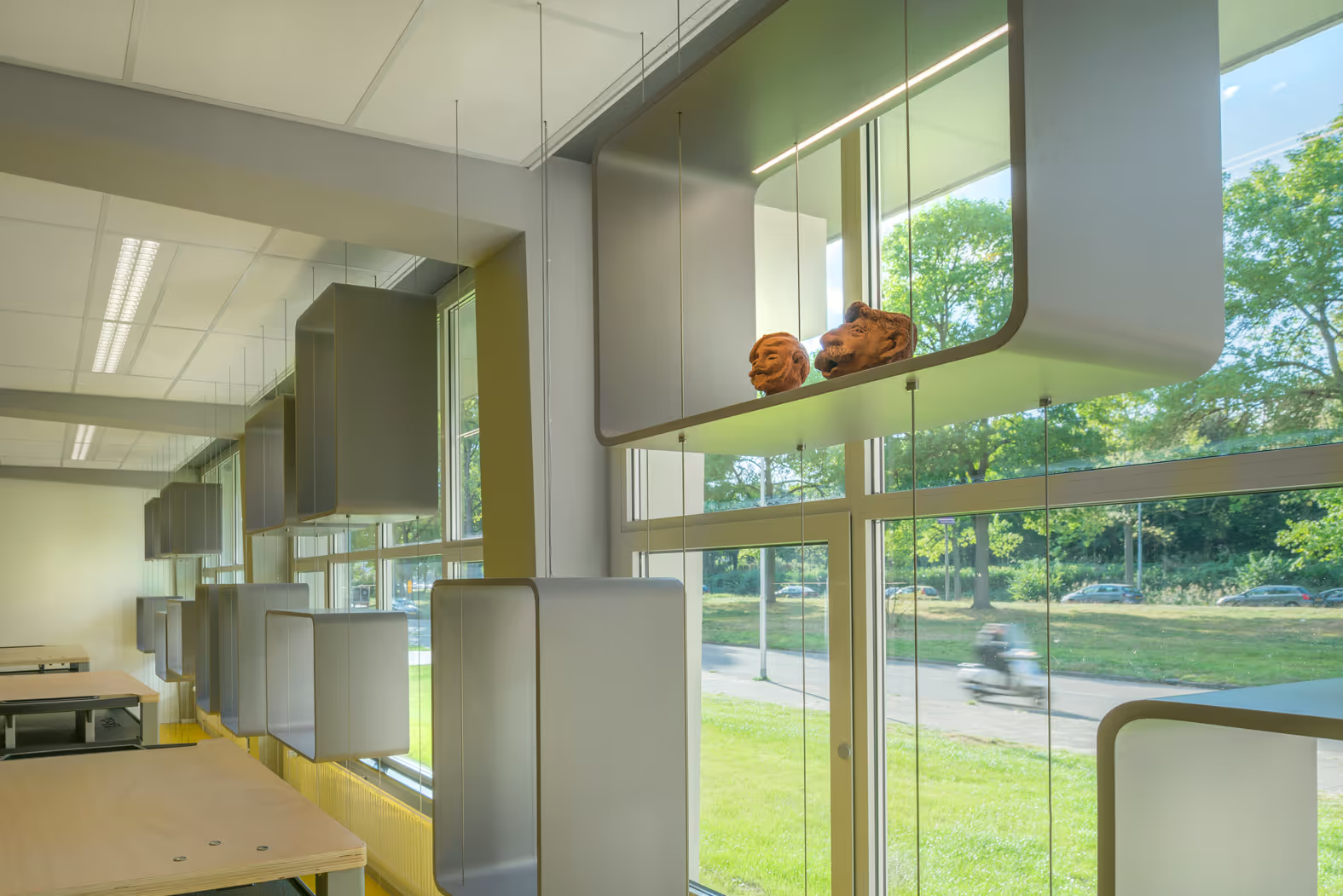
Another part is the light covers in the practice halls. Due to excessive heat load and leaks, system ceilings were hung underneath. New skylights have been installed with limited glass on the desired orientation side. Finally, the closed masonry heads of the 4-storey building have been replaced by glass fronts at ground level. This makes the beautiful concrete table structure more visible, but this intervention is not original.
Auditorium as a jewel between existing and new
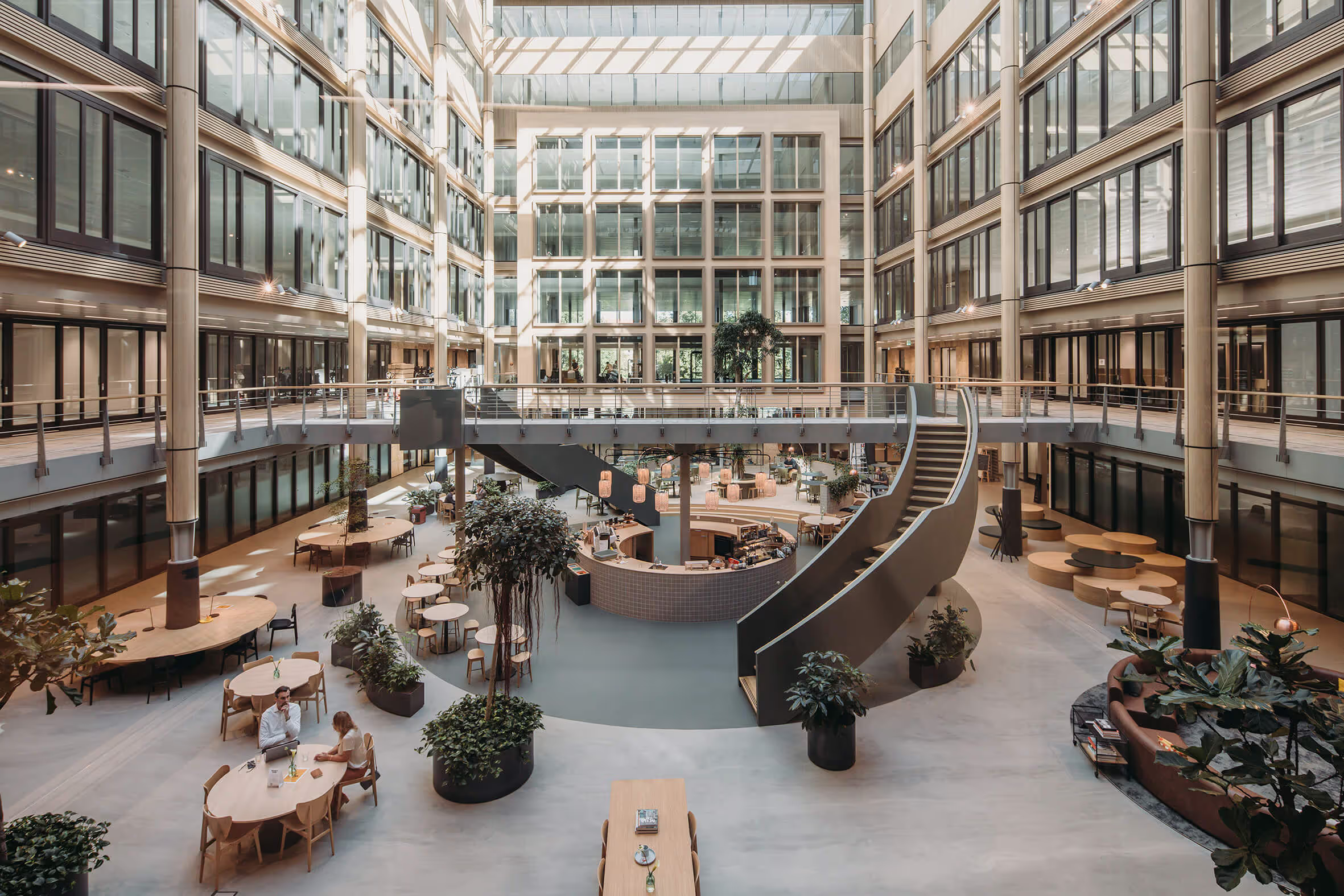
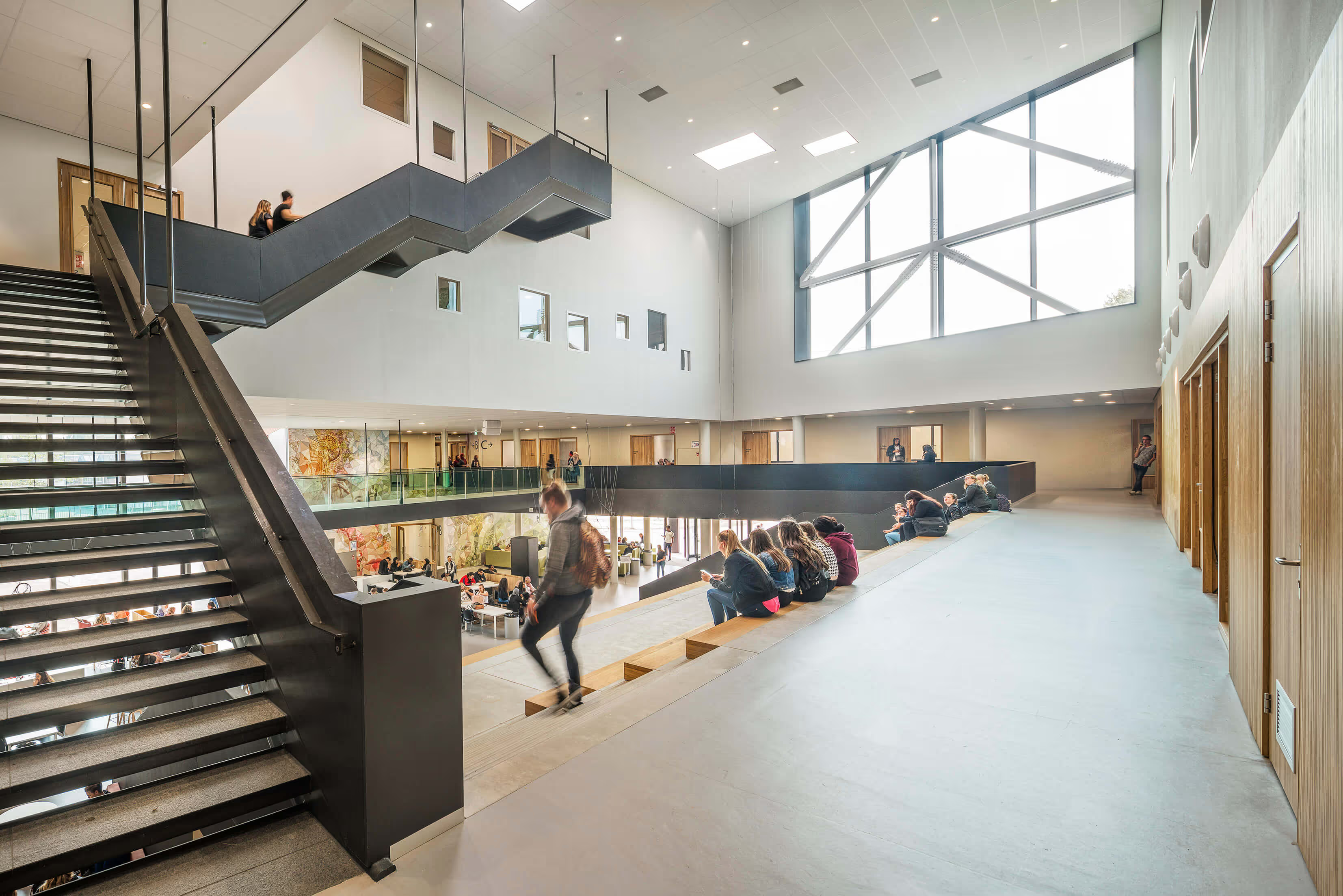
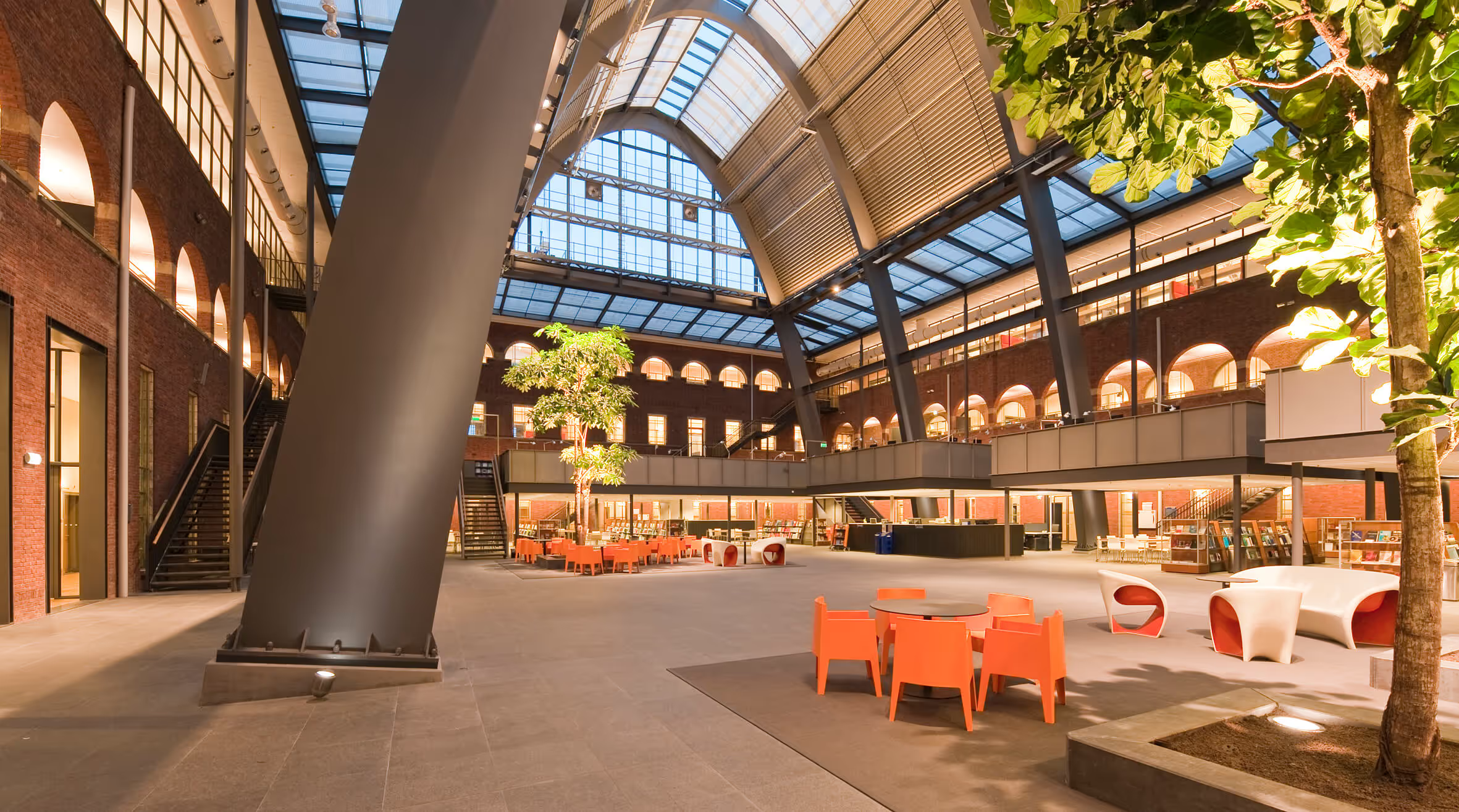
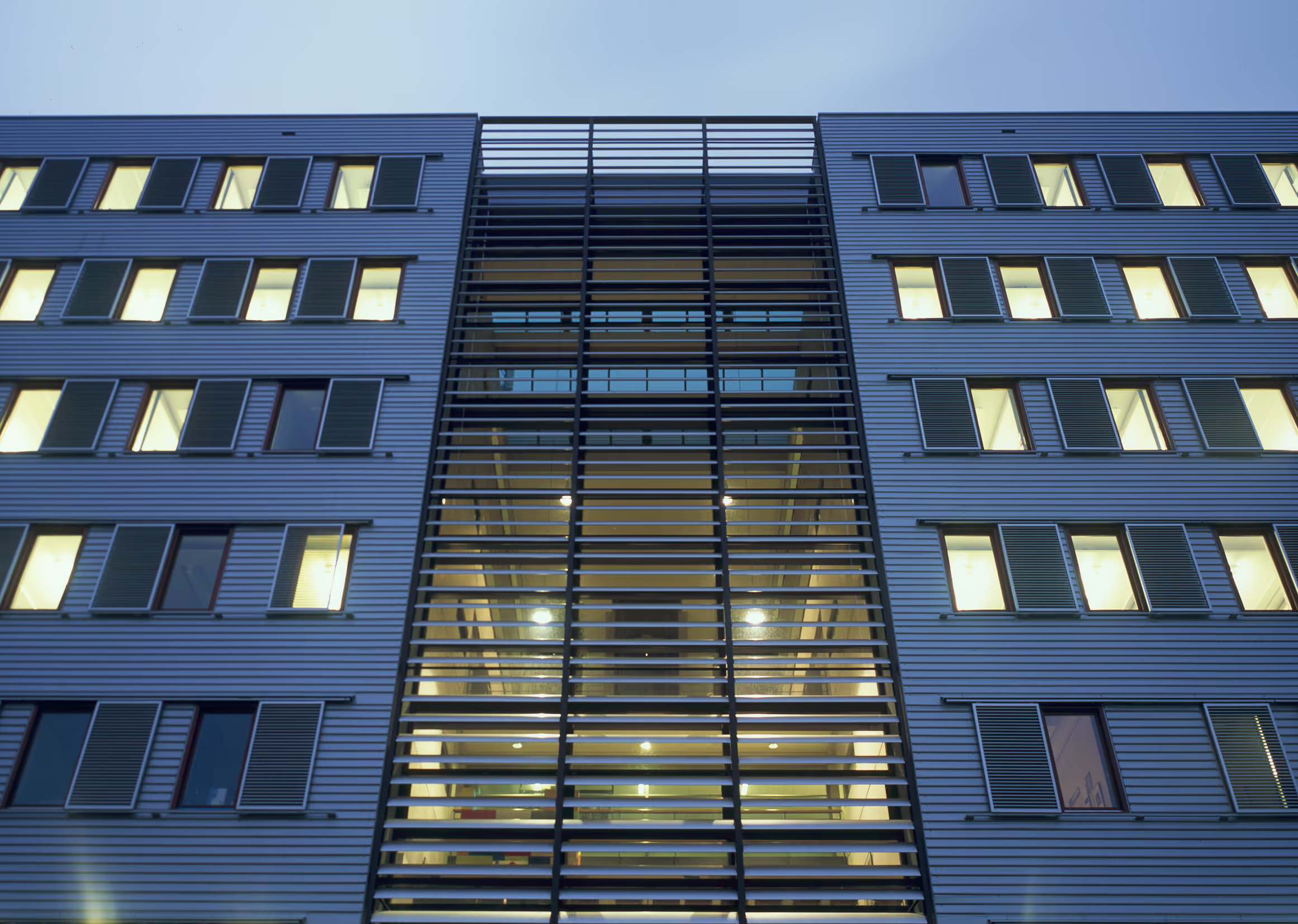
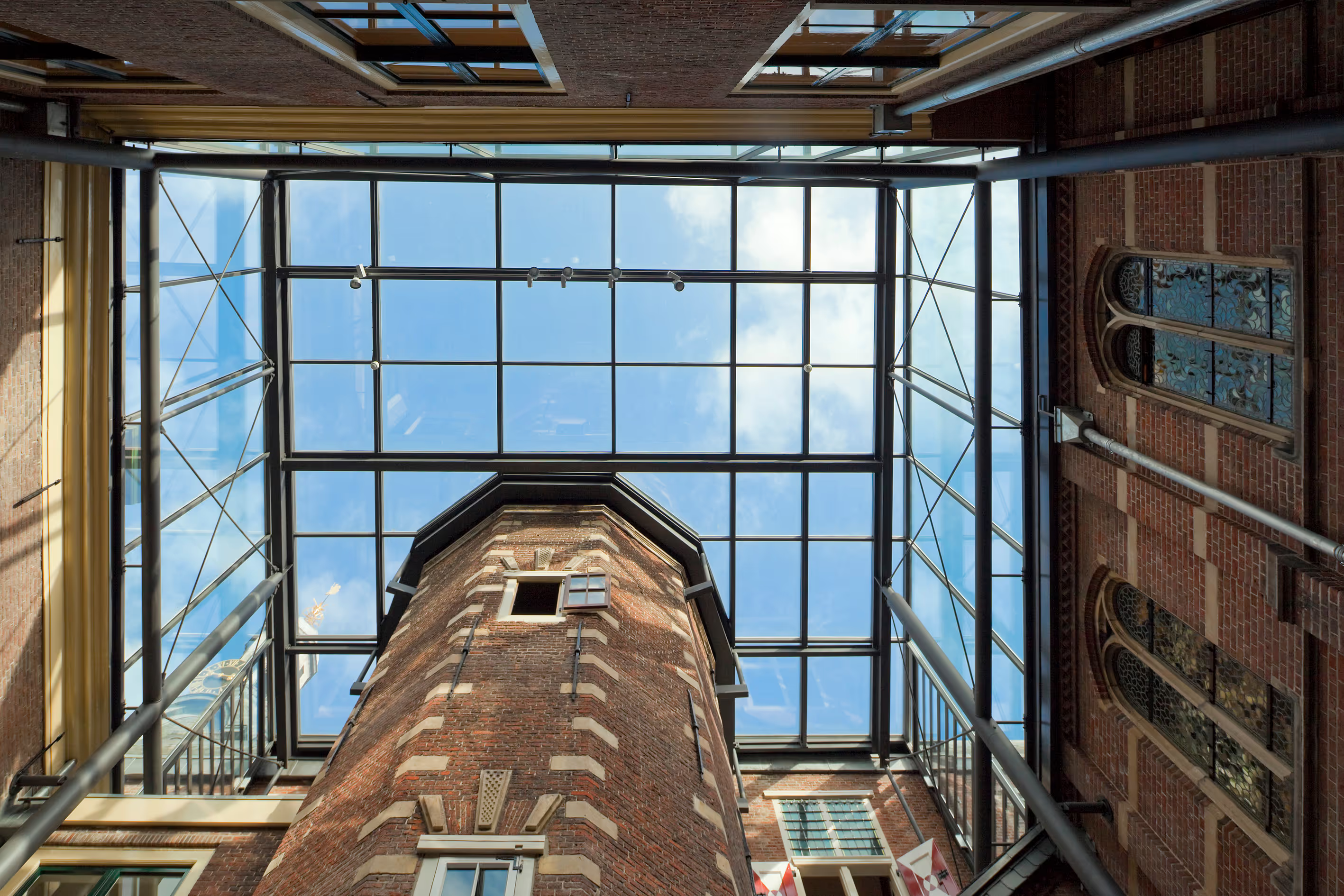
As mentioned, various considerations play a role in renovation. In addition to functional constraints, there are the opportunities. The auditoriums have been centrally located on the border between the existing structure and the new addition. The original exterior façade, with its characteristic vertical columns and large glass fronts, has now become an interior wall. A full-length skylight has been installed here, allowing the sunlight to play across the space throughout the day.
Footprint and urban integration
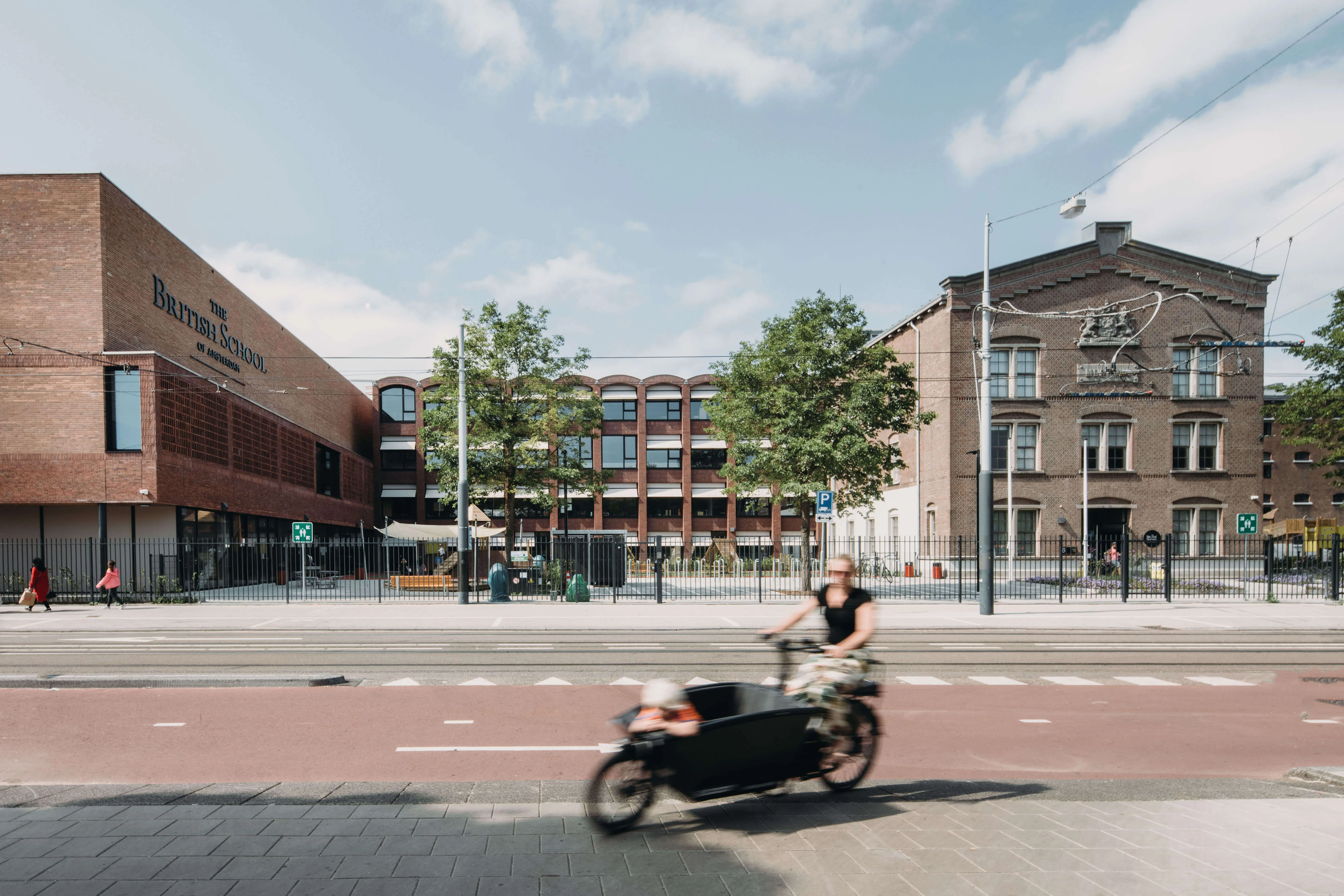
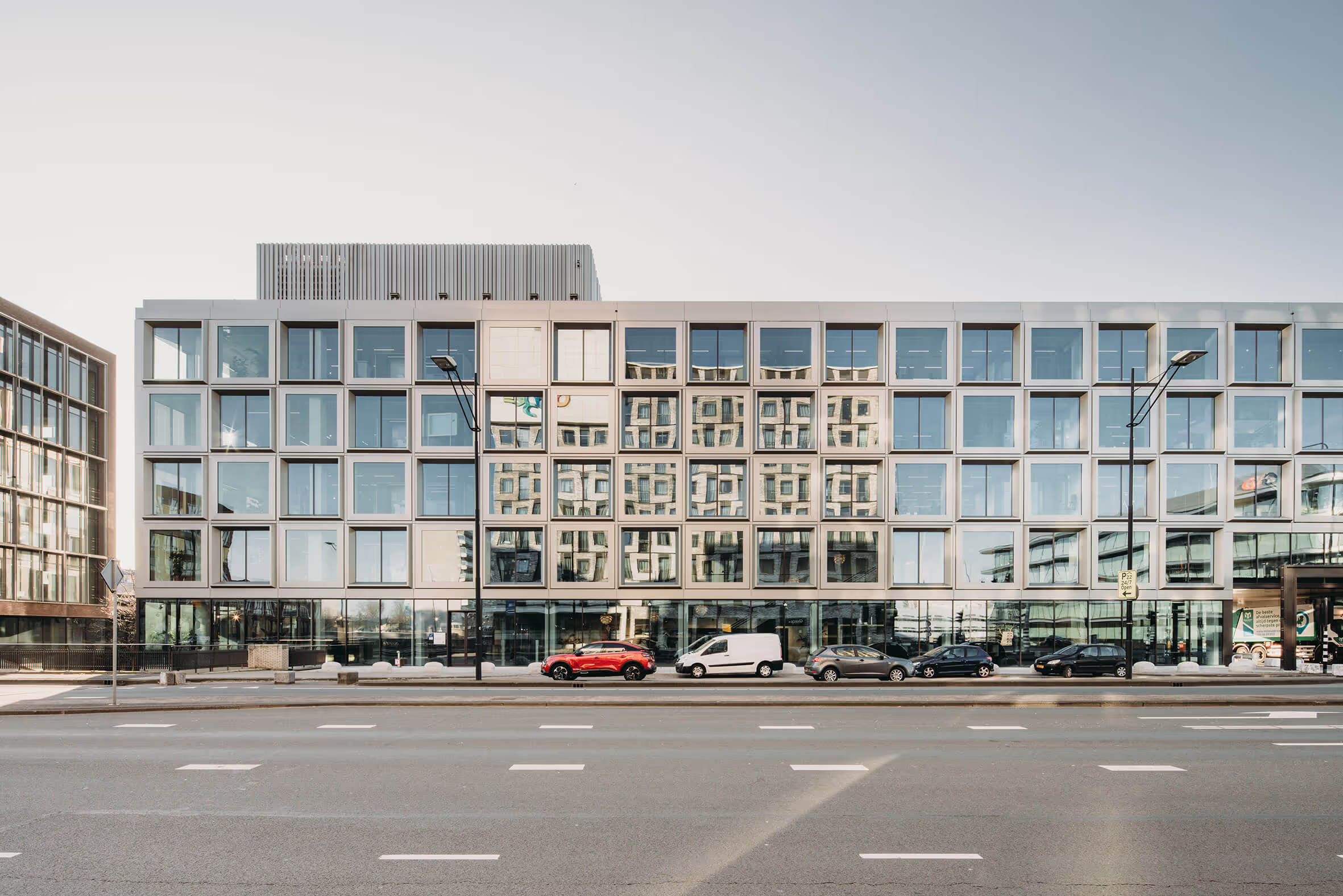
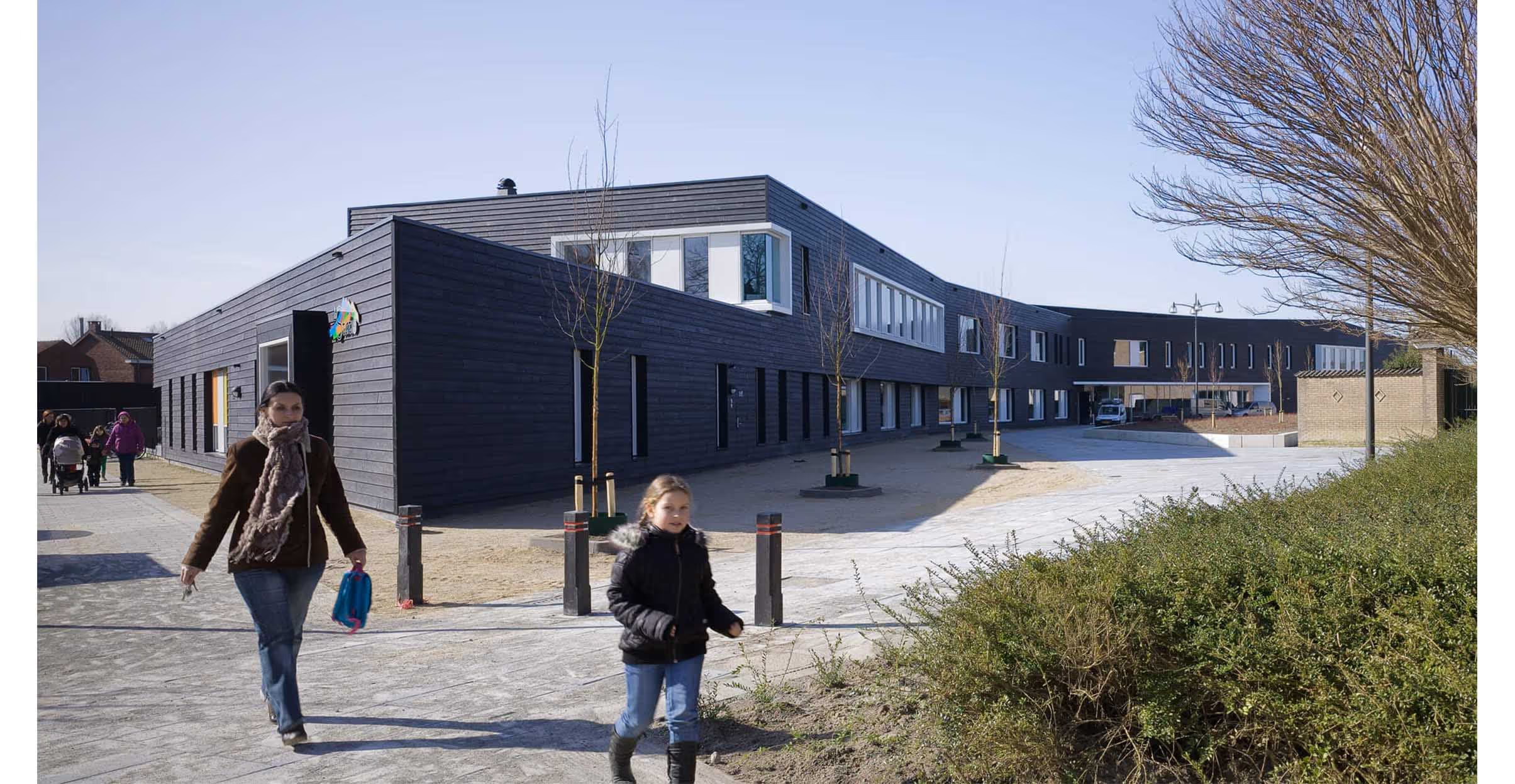
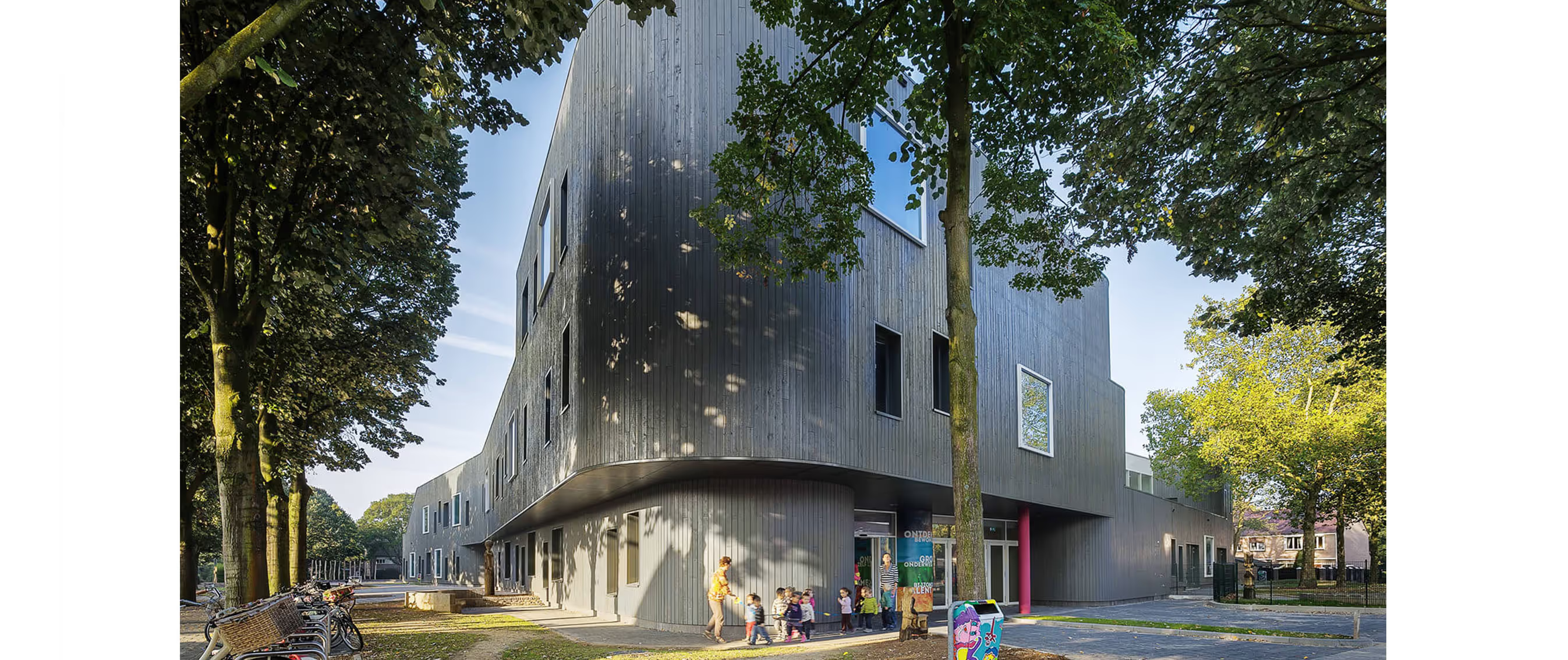
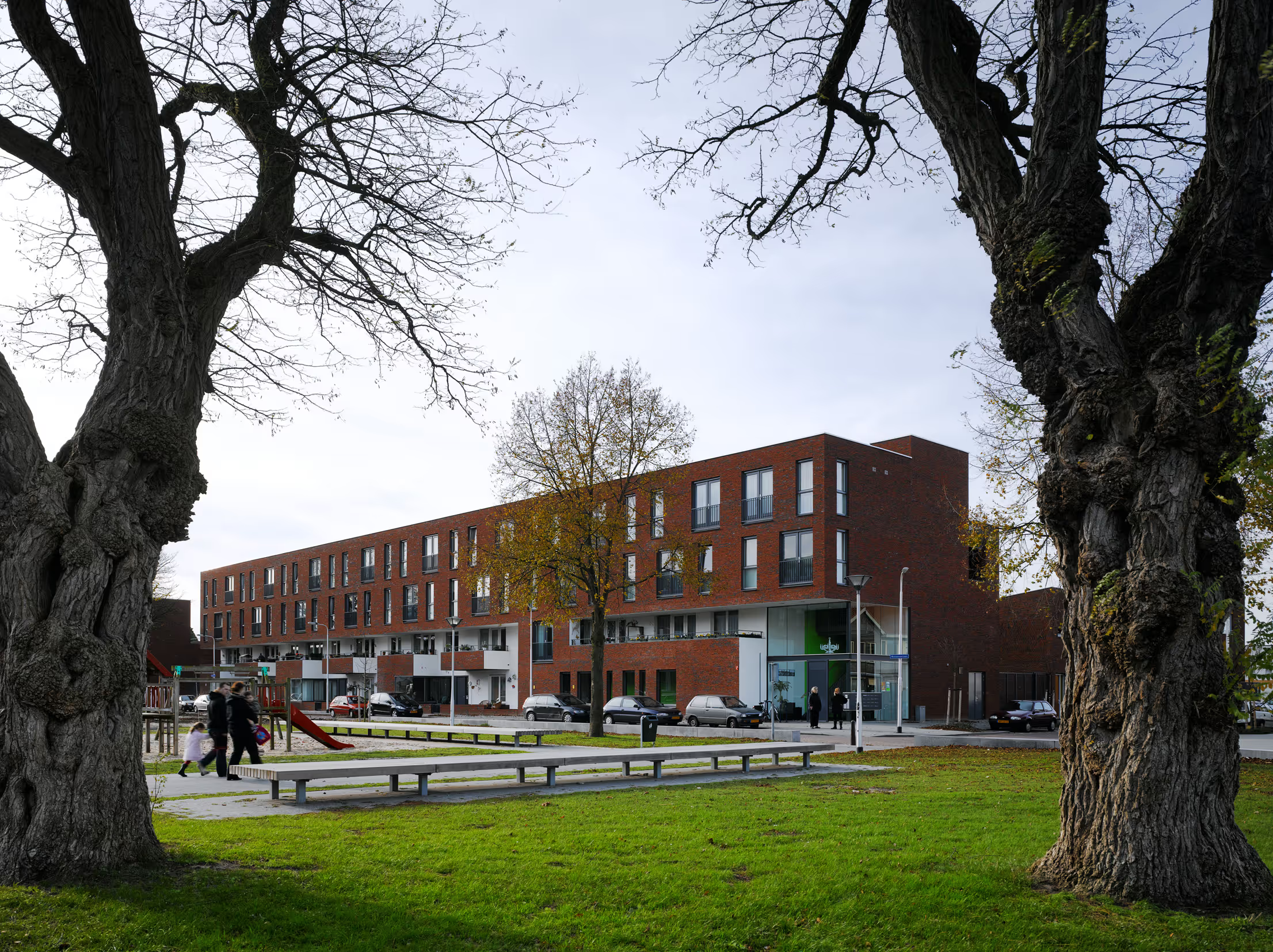
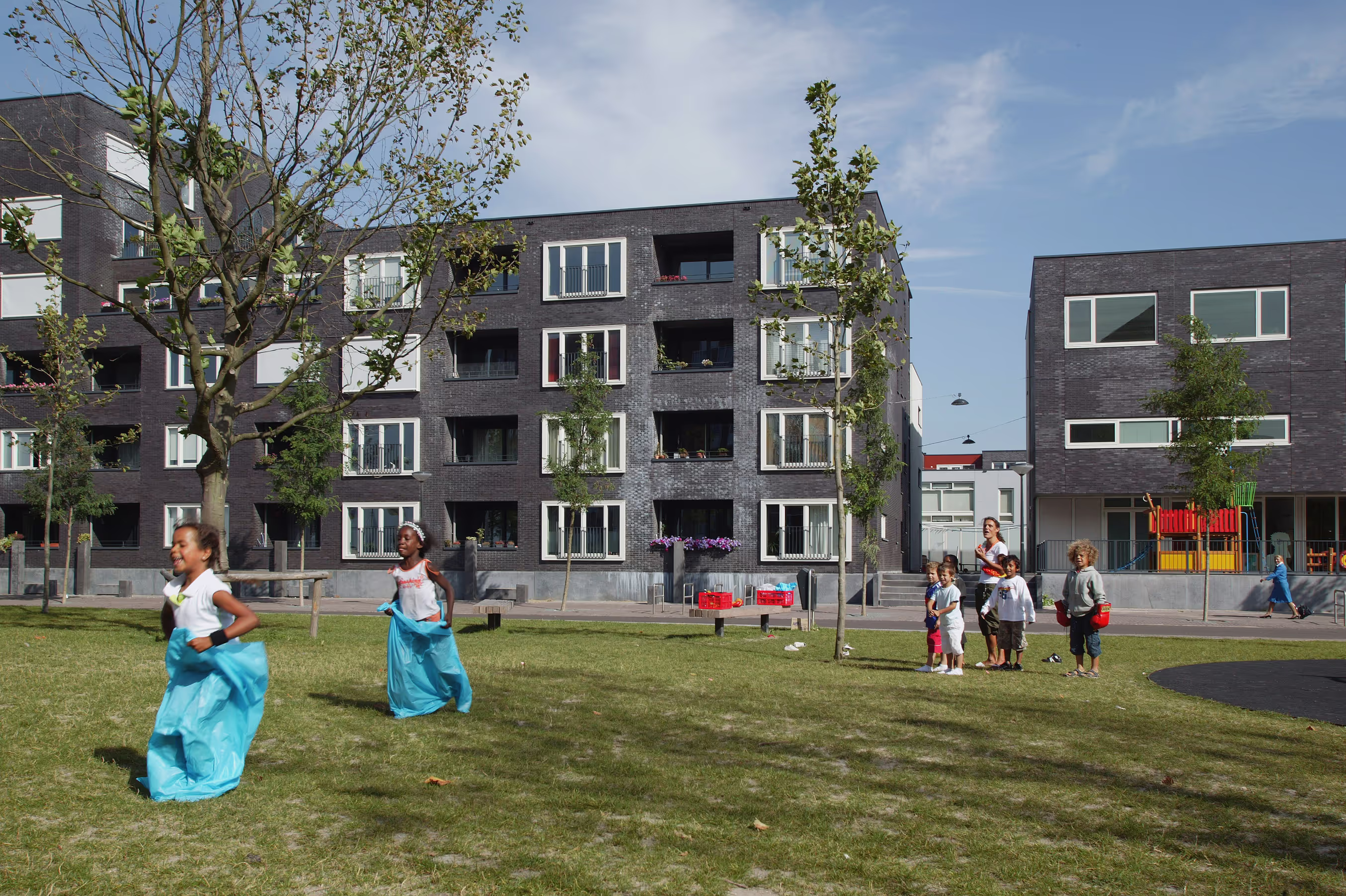
With its powerful historic presence, the four-story existing building remains the defining feature along the ring road. Due to its height, it acts as a noise buffer for the area behind it. The new building is integrated into the neighborhood in a unique way, which is reflected in the shape of its footprint. This was driven by the urban design and the orientation and twists of the existing streets. The façades do not follow the building lines but are set back, creating new space for public squares. This also ensures that two building ends remain visible. This layout allows approximately 400 students to enter the school smoothly. By retaining the five sets of two practice halls furthest away, the new building is anchored to the existing structure, while these spaces also create a buffer between the old and new sections.
The renovated school provides a boost to the character of the entire neighborhood.