International School Delft
International School Delft
International School Delft
Clear structure with a spacious central heart
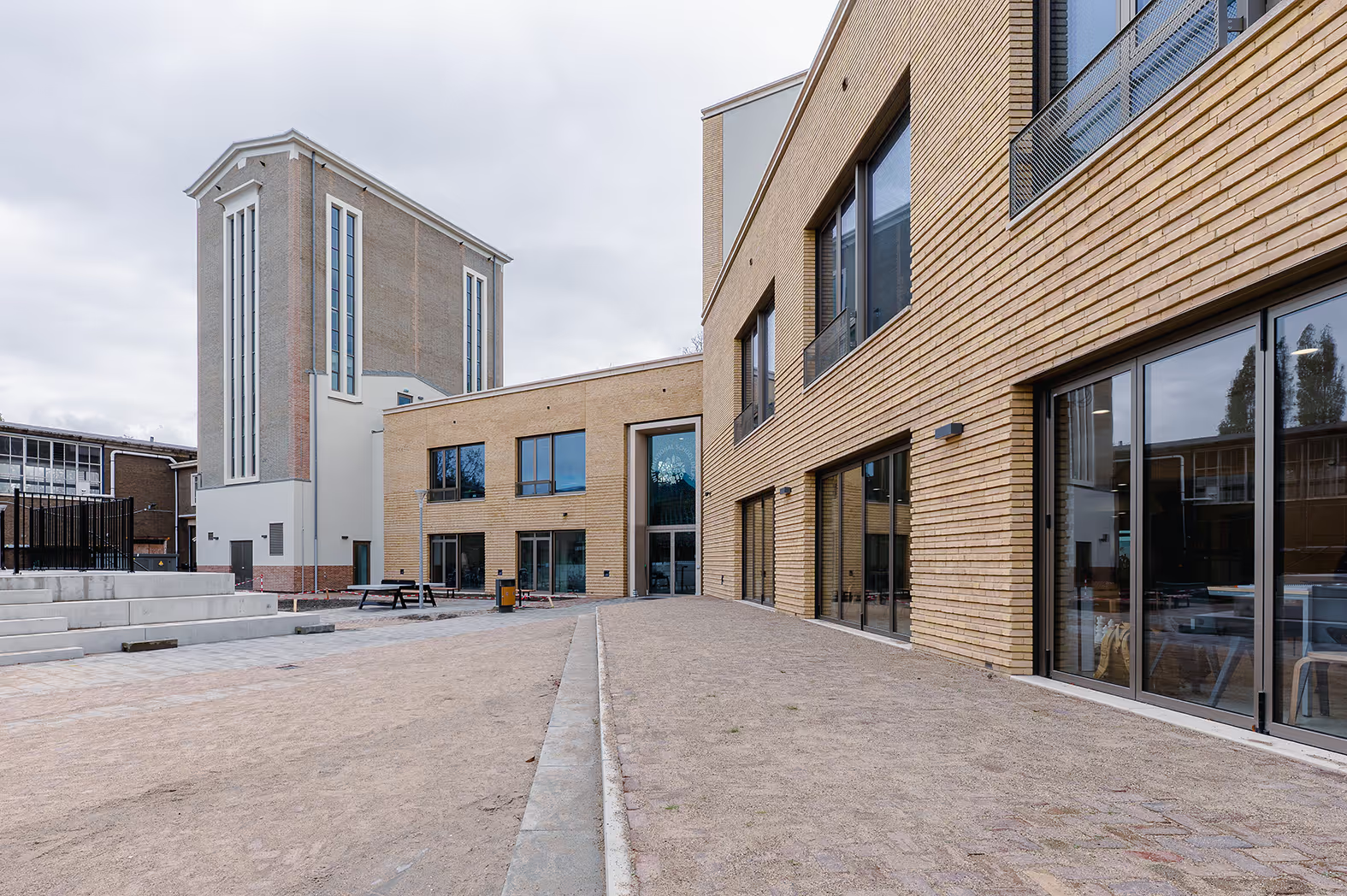
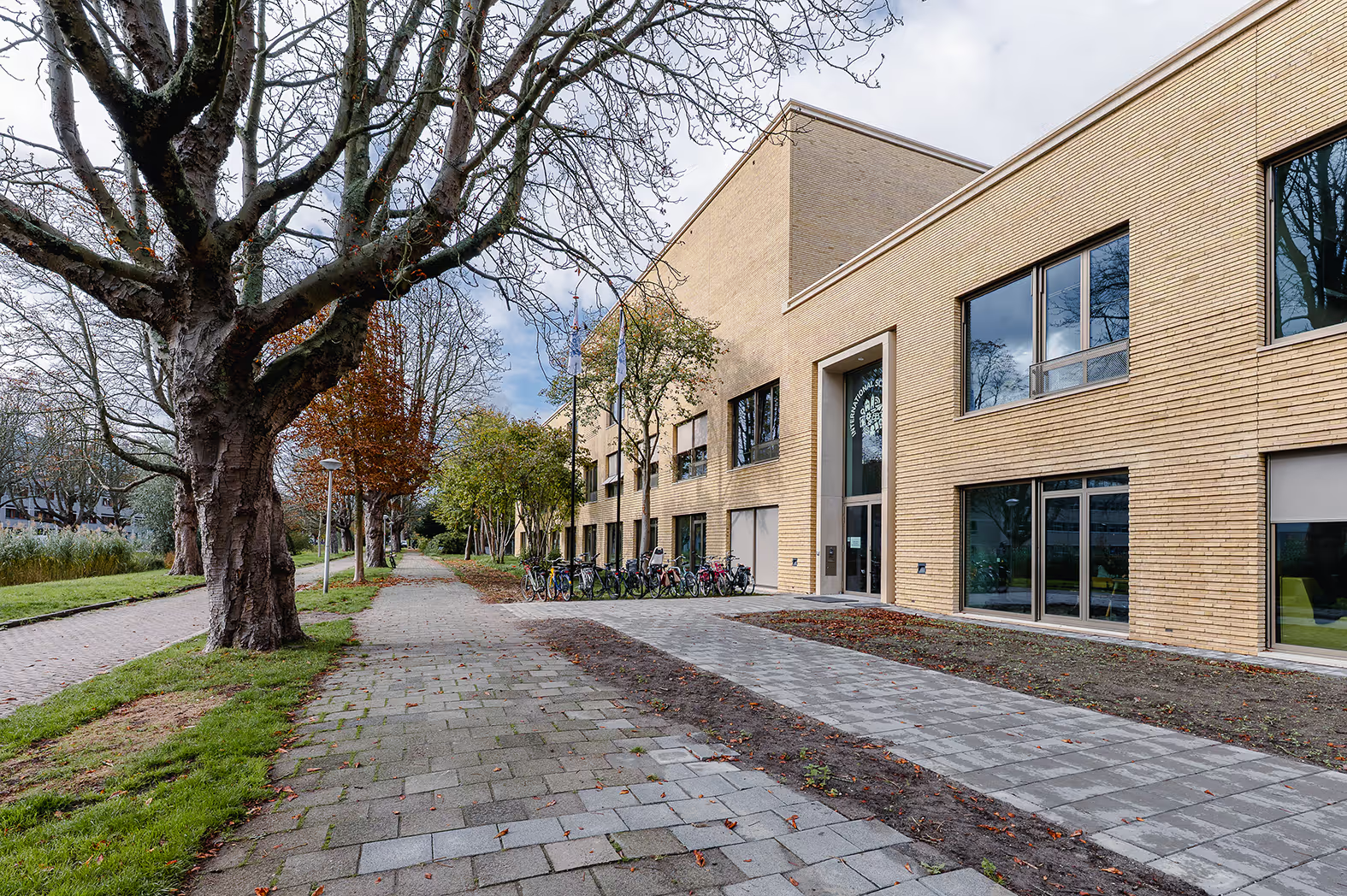
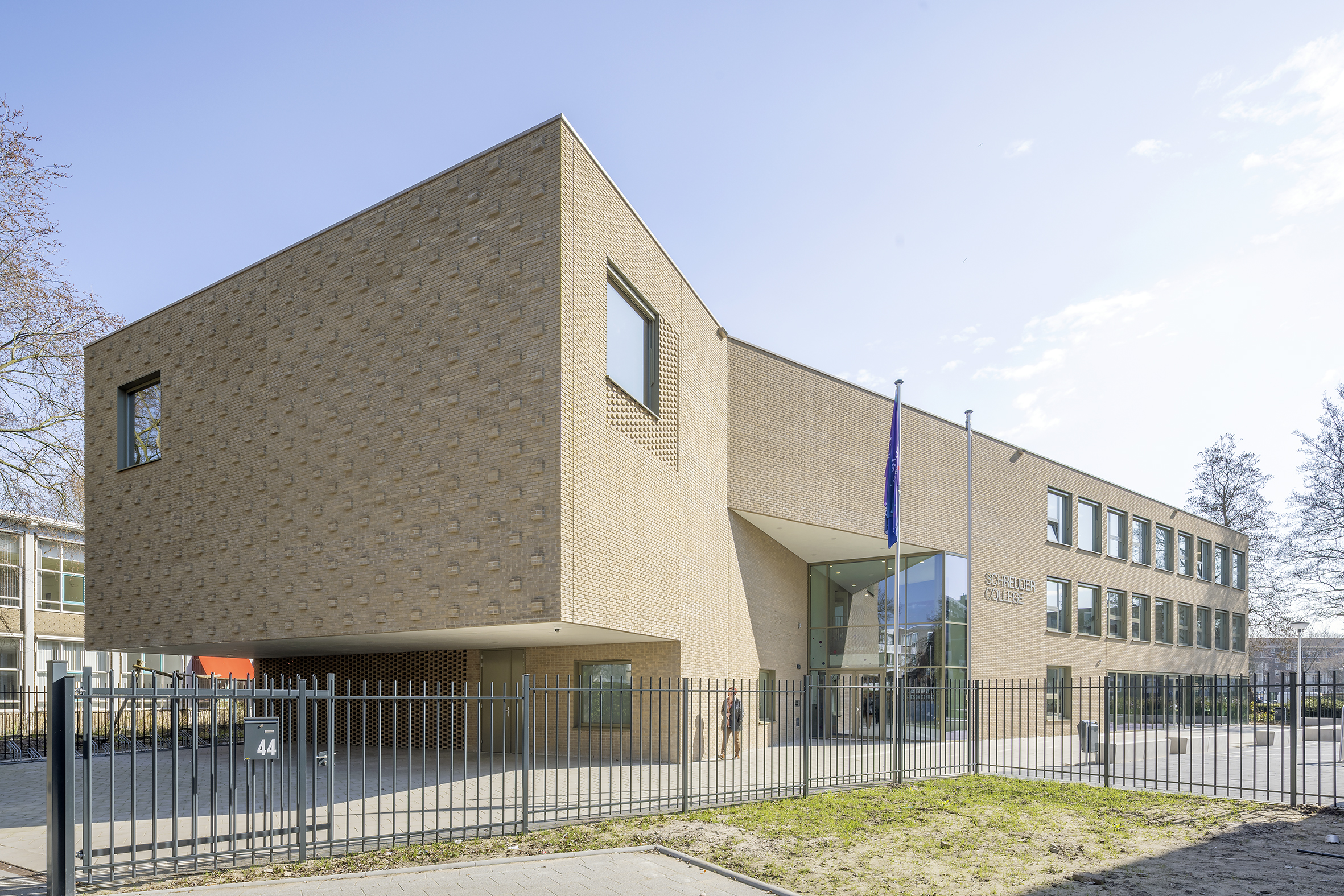
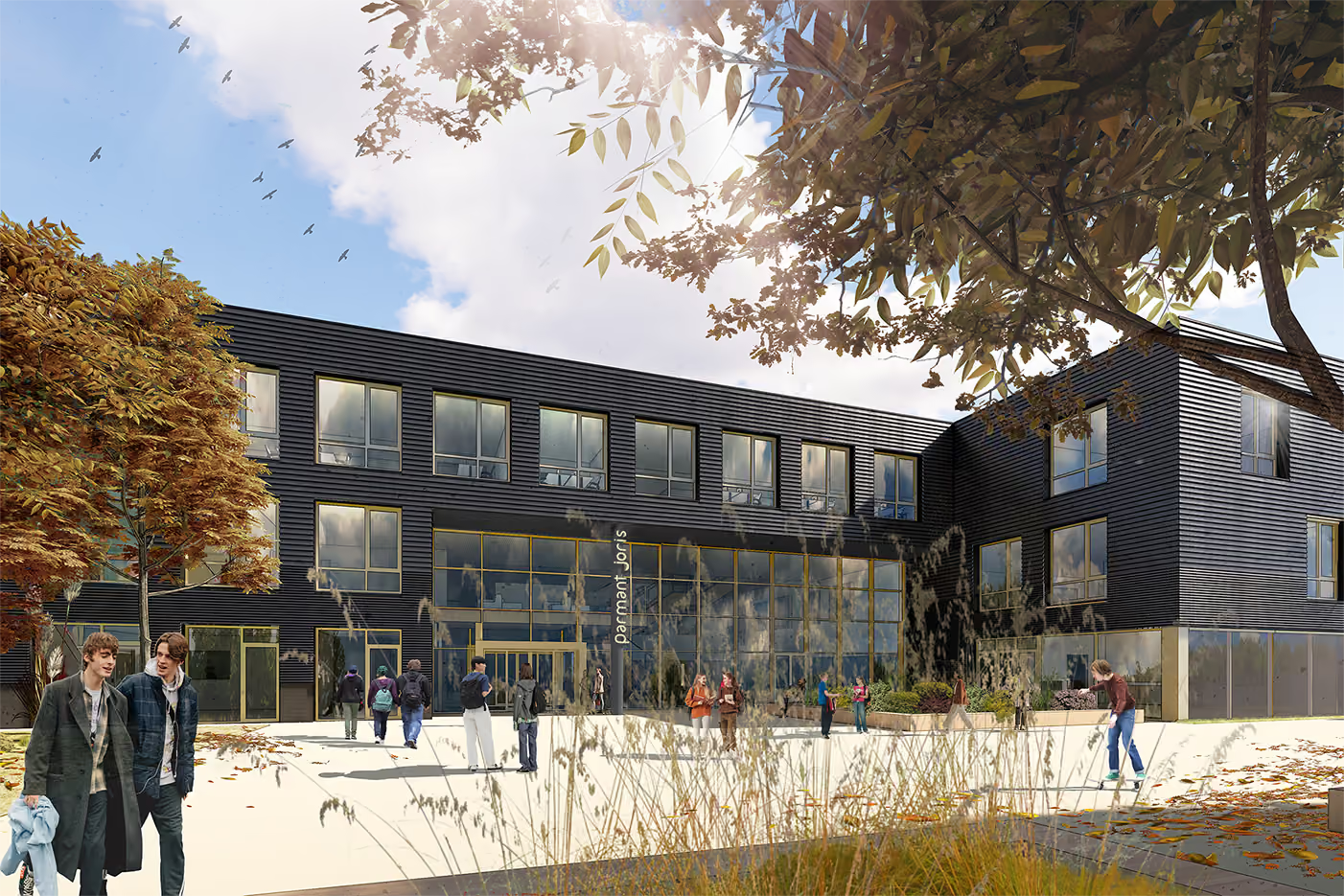
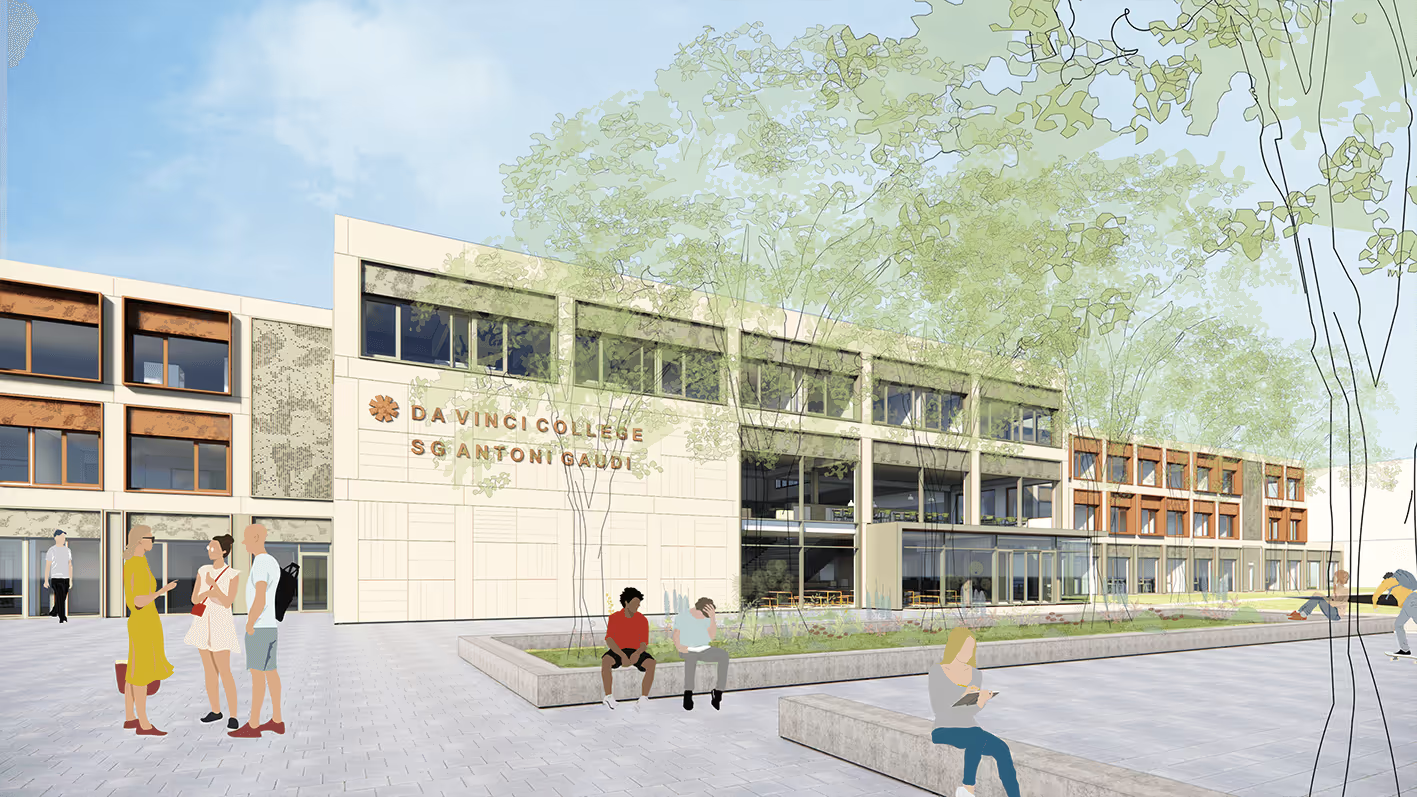
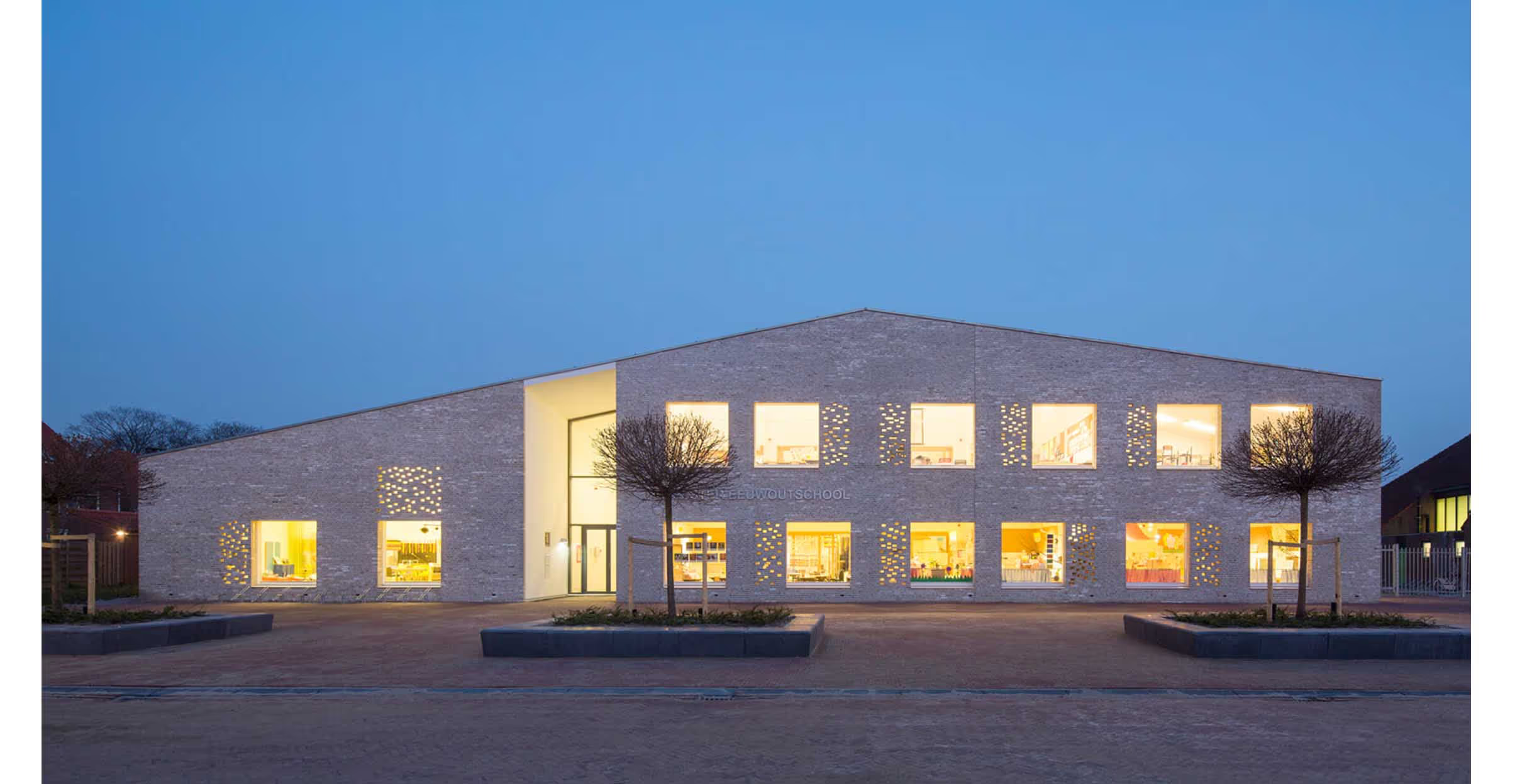
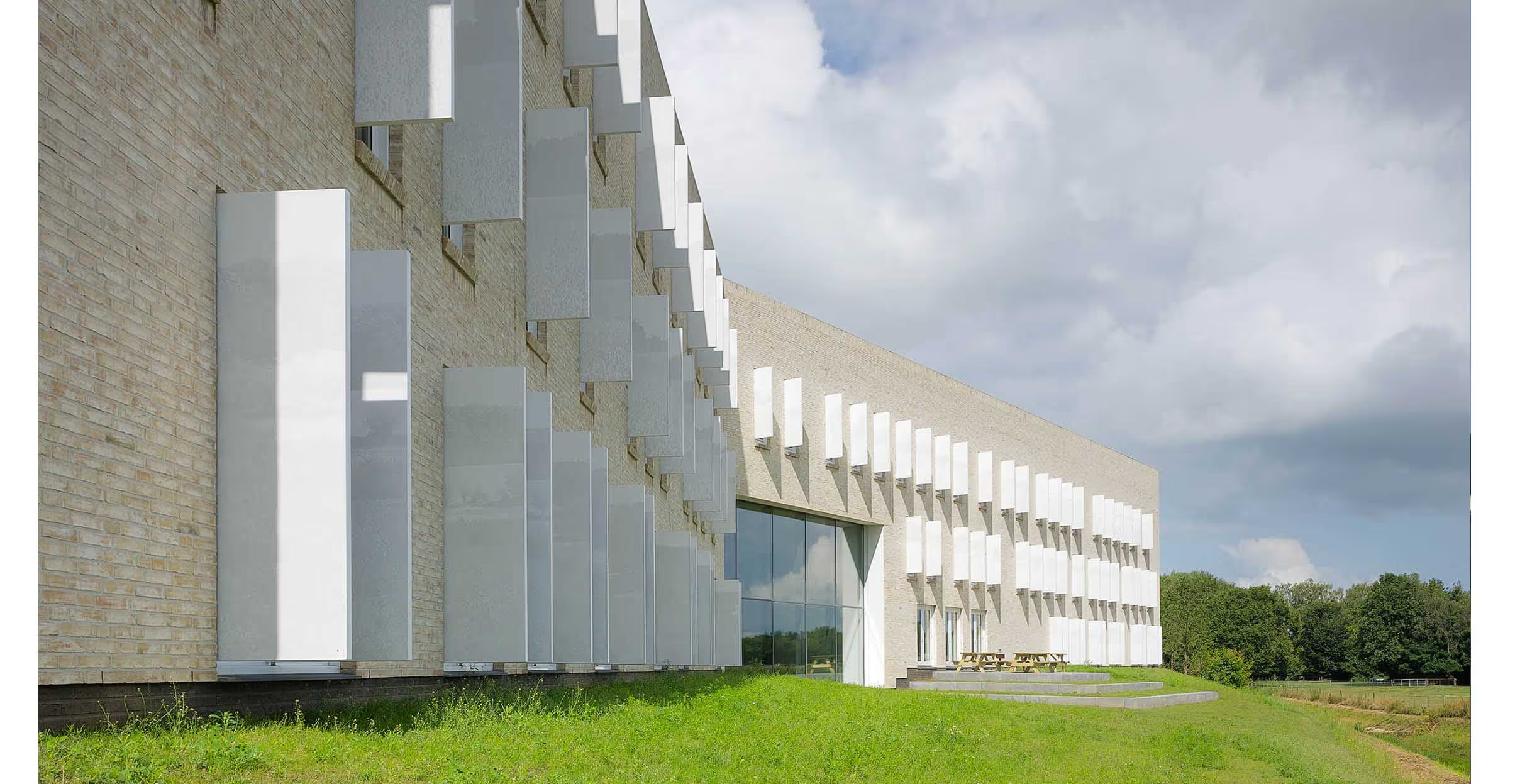
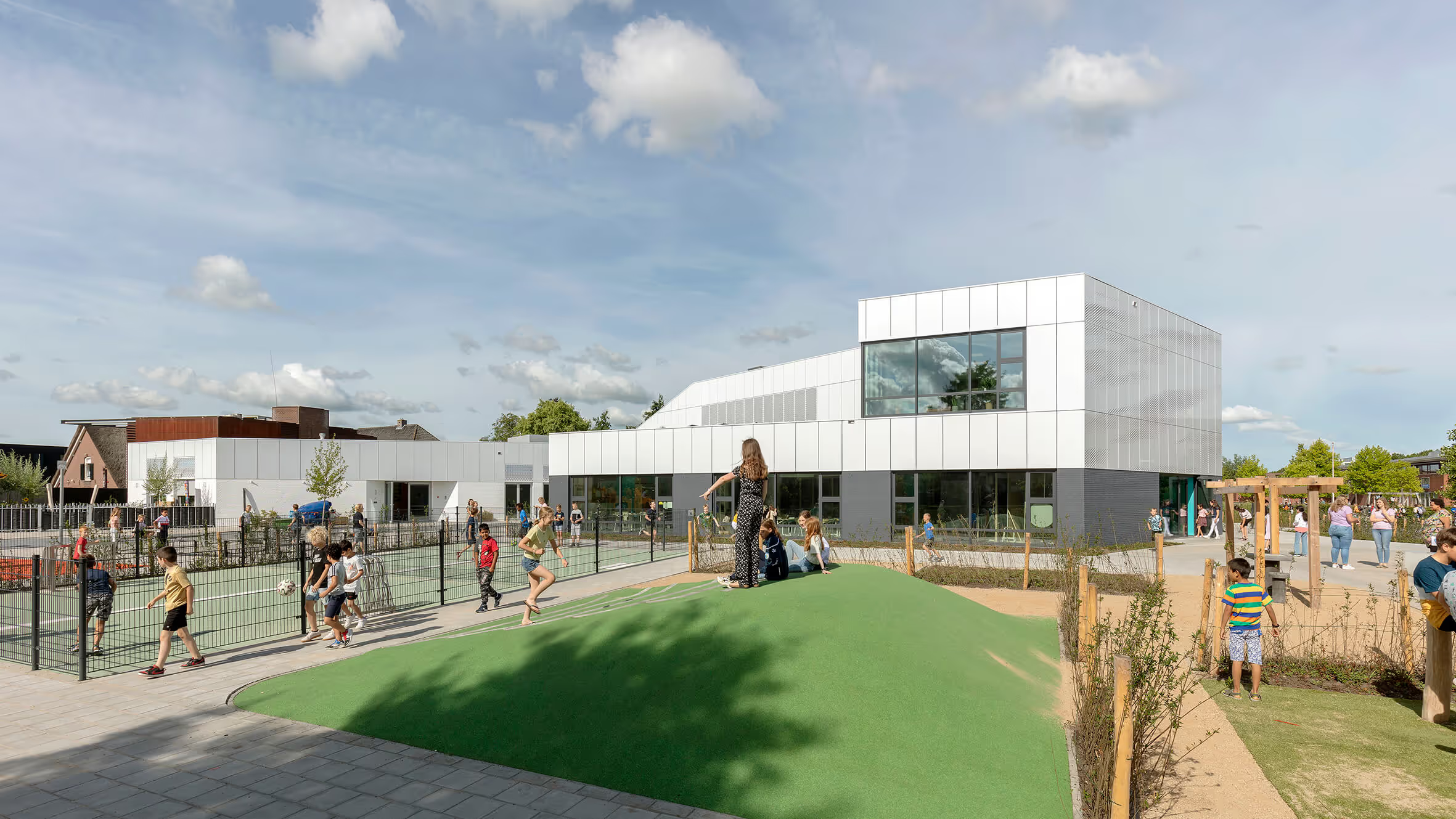
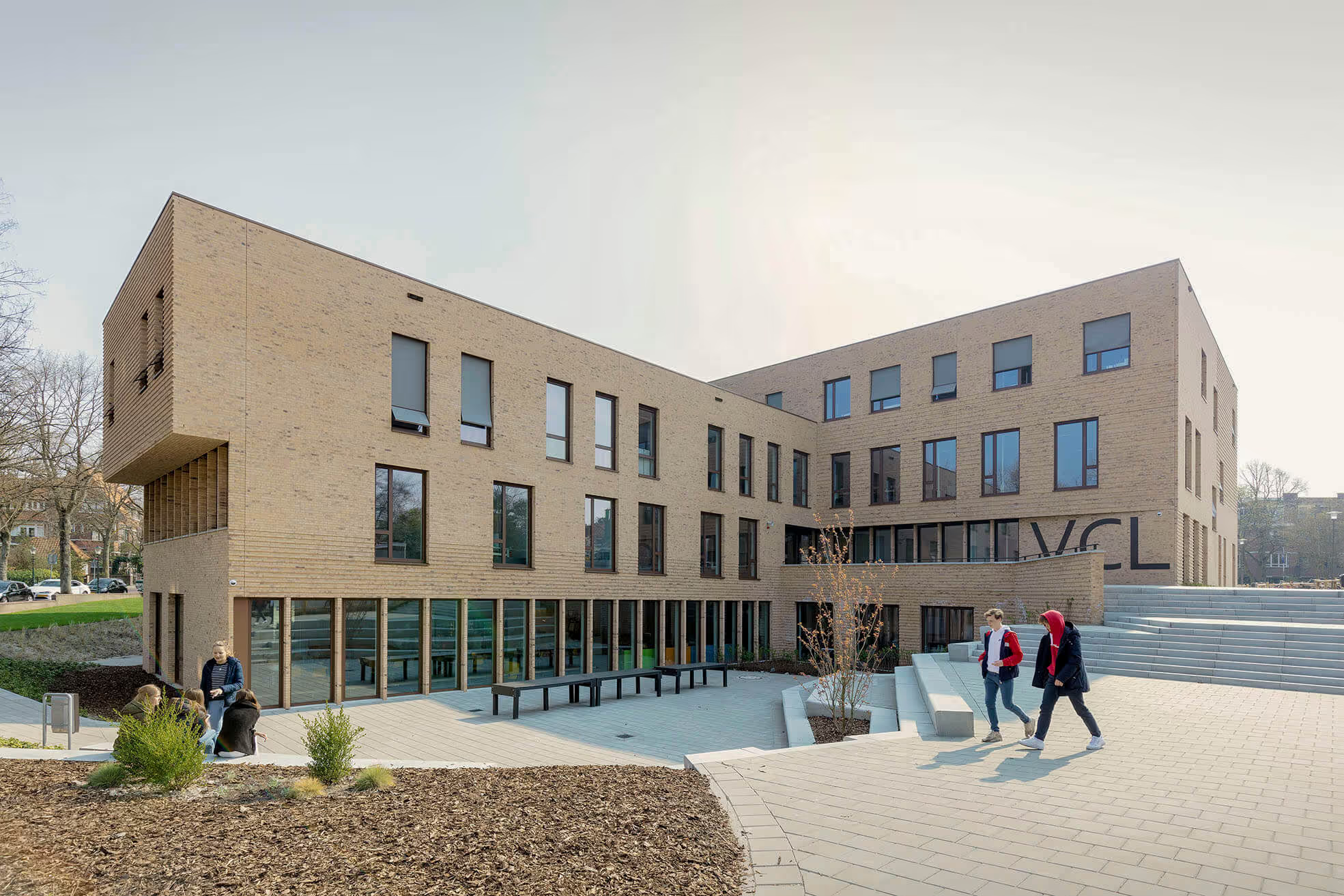
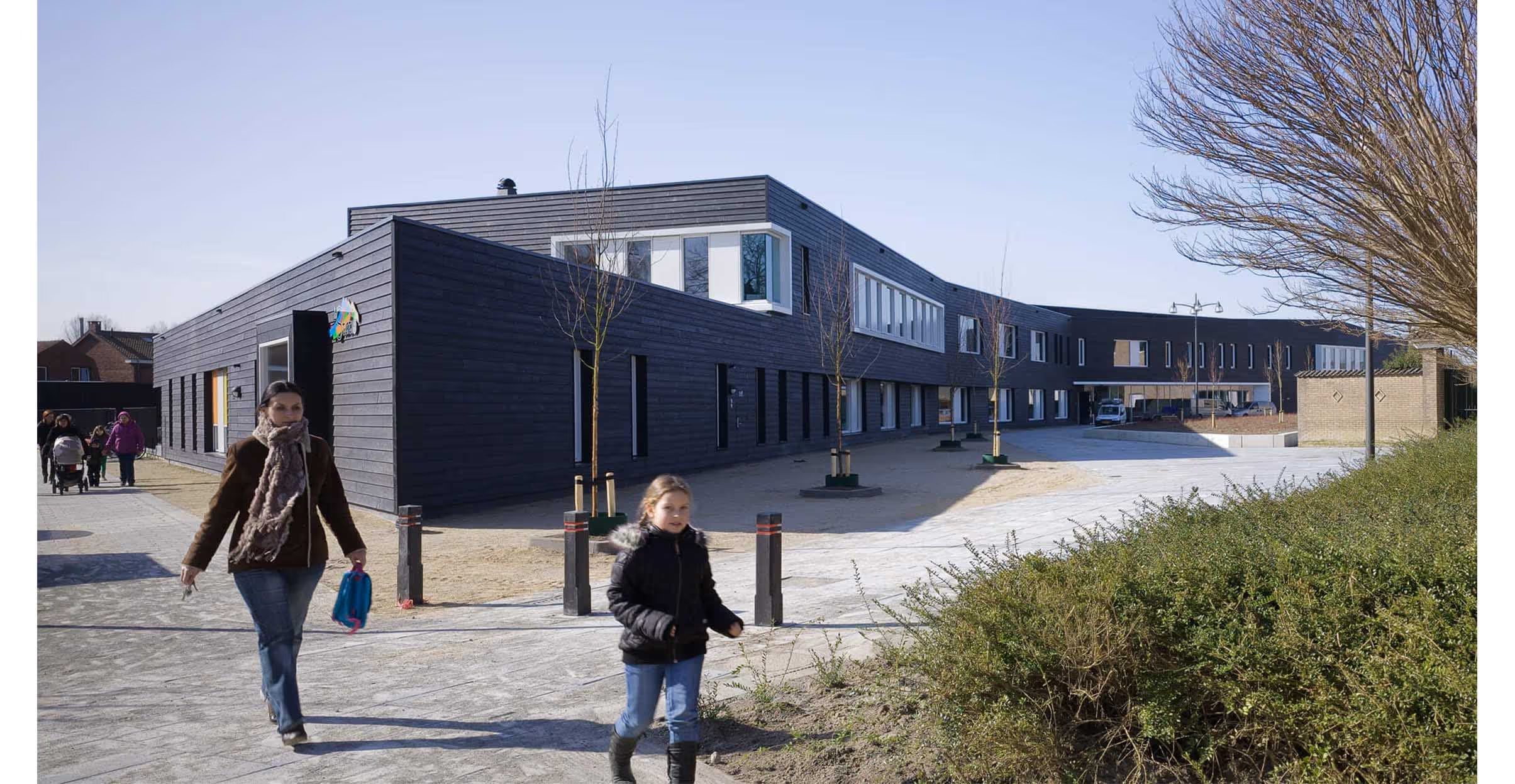
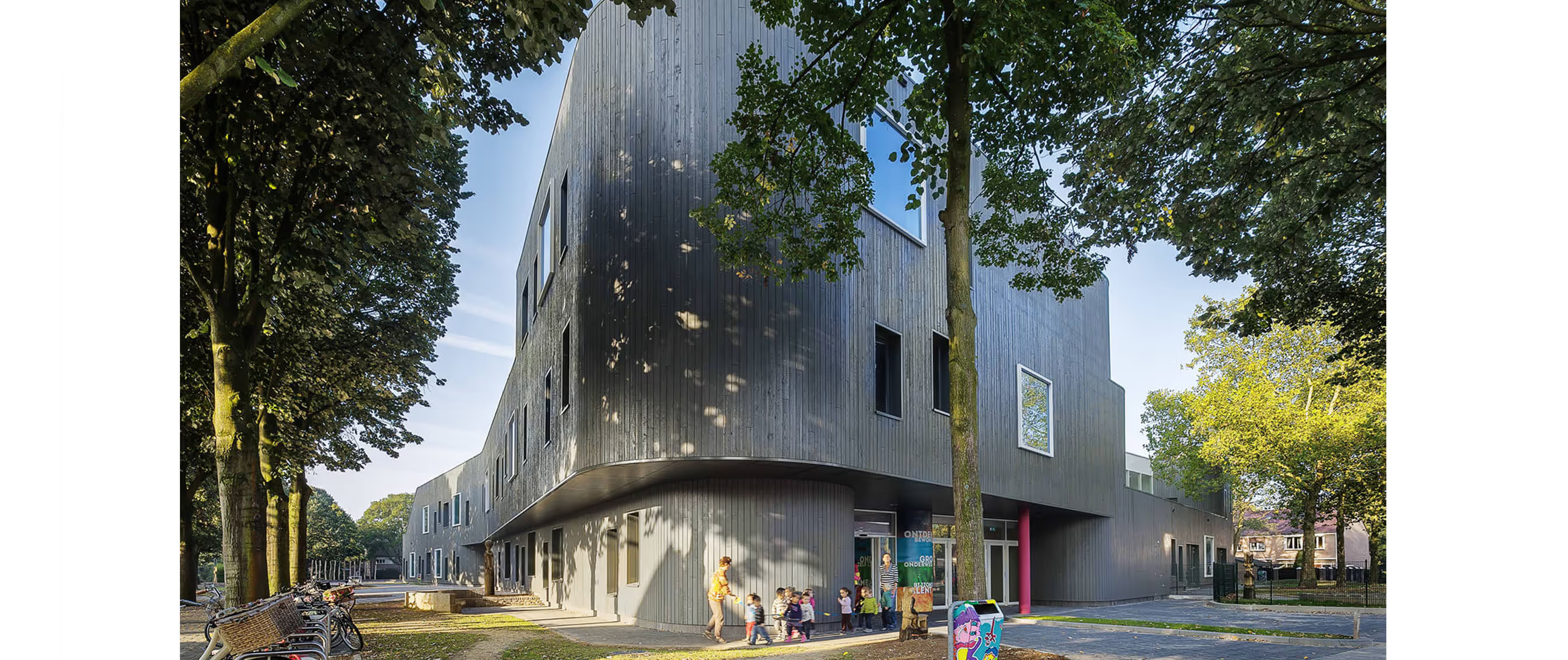
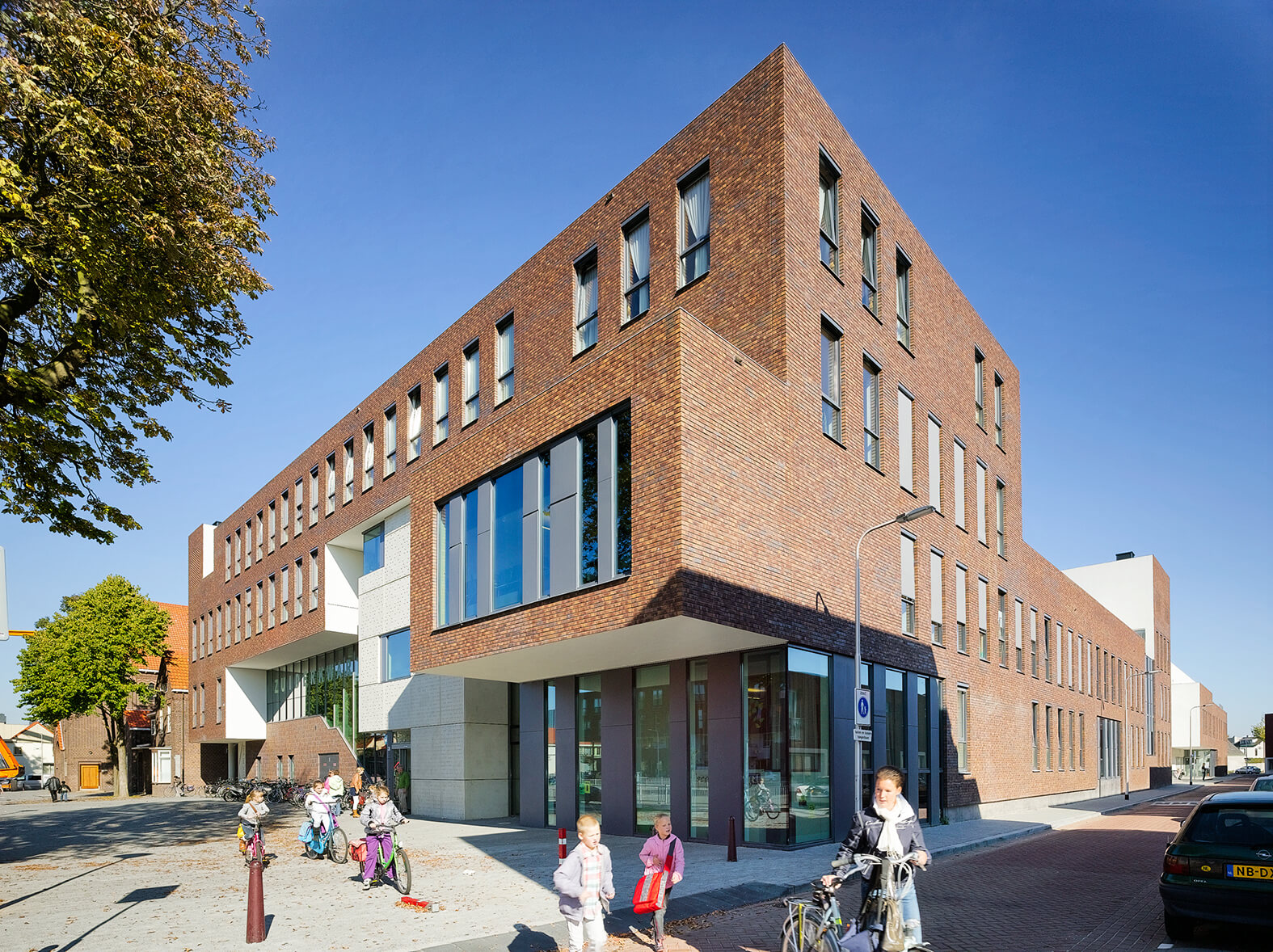
In the search for an optimal building shape for the new building, the conviction quickly arose that the building is taking as much distance as possible from the future buildings of the TU next to the educational building. The triangular shape of the lot is emphasized by a compact, skew-shaped volume. This leaves space around the building to stay outside during breaks.
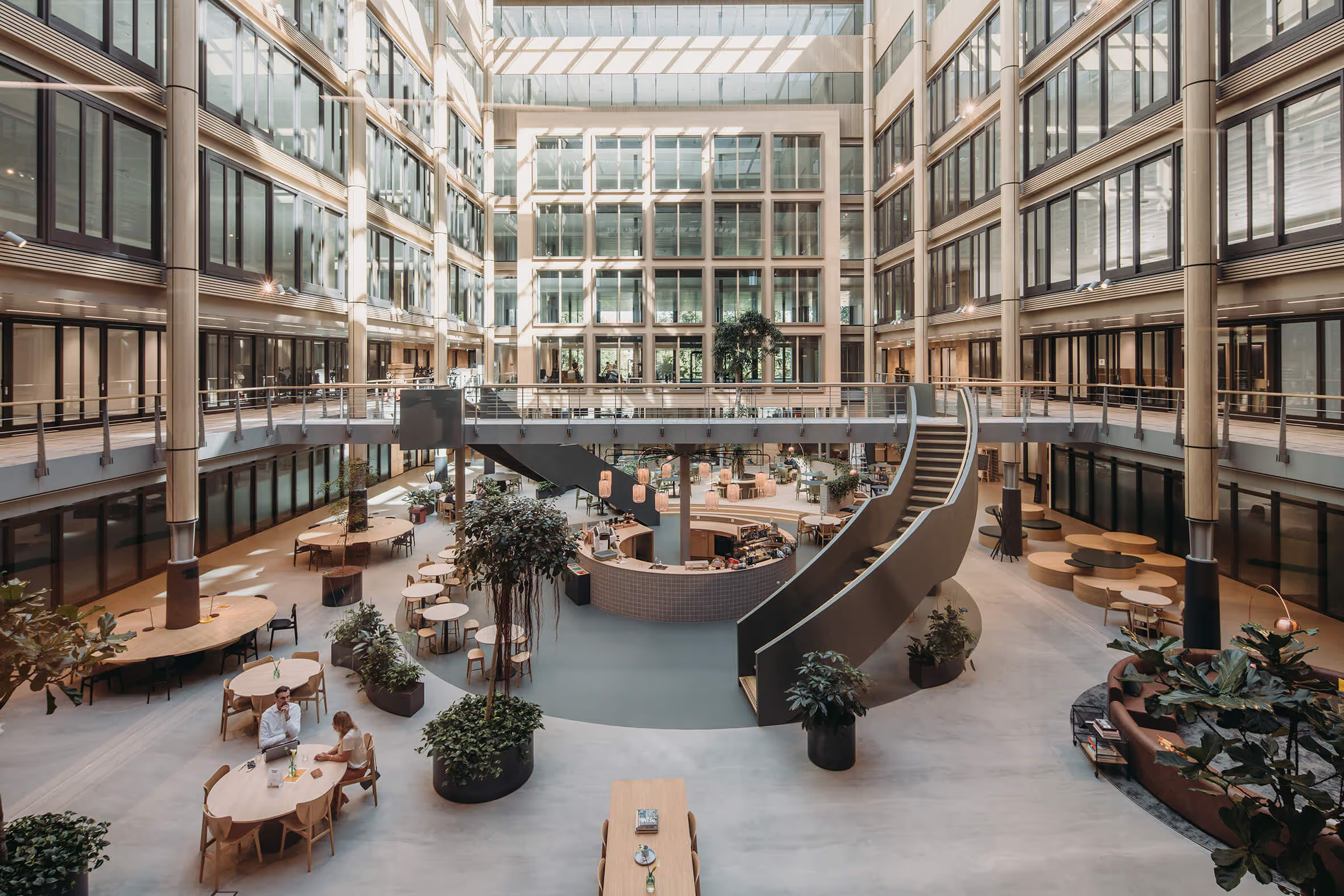
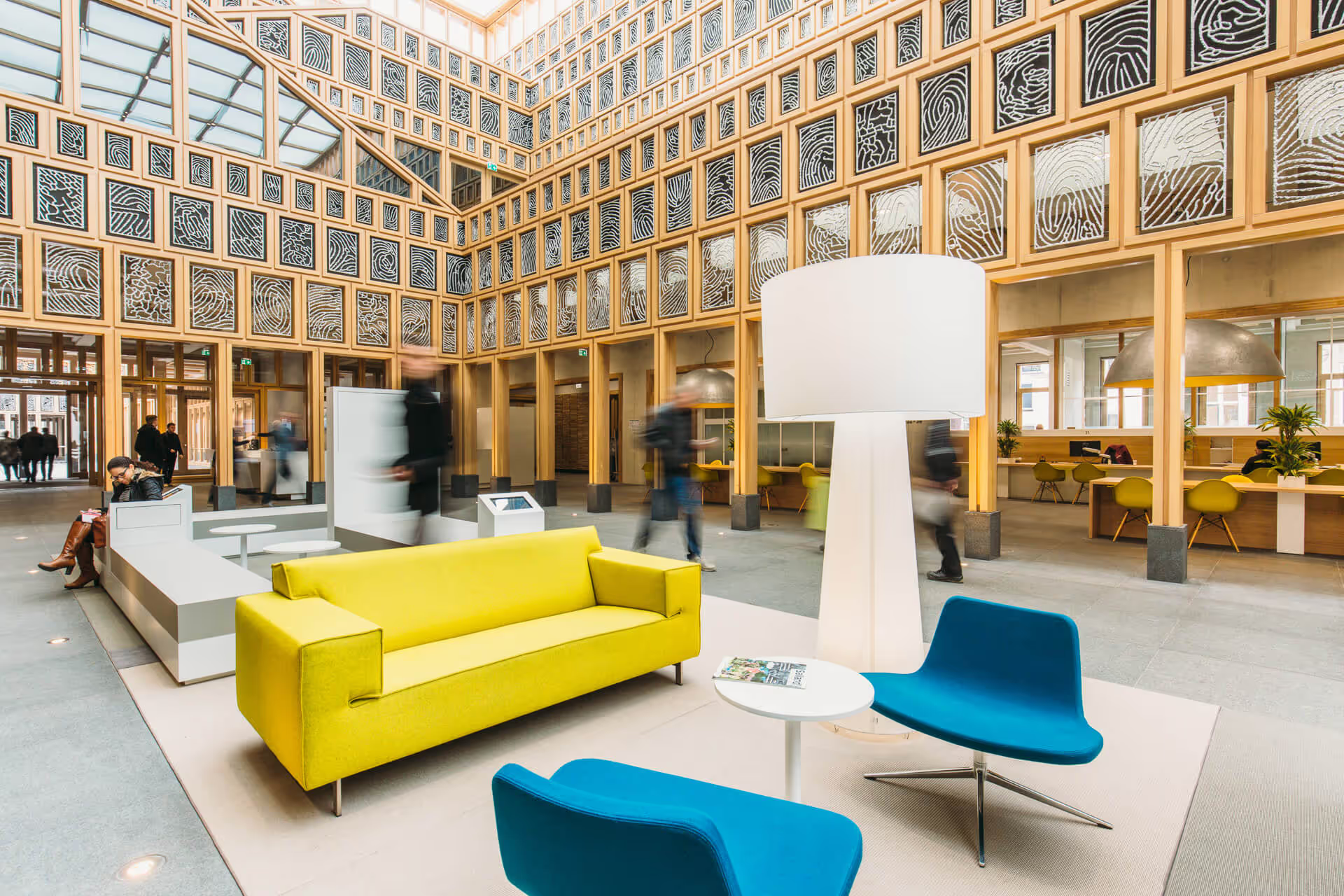
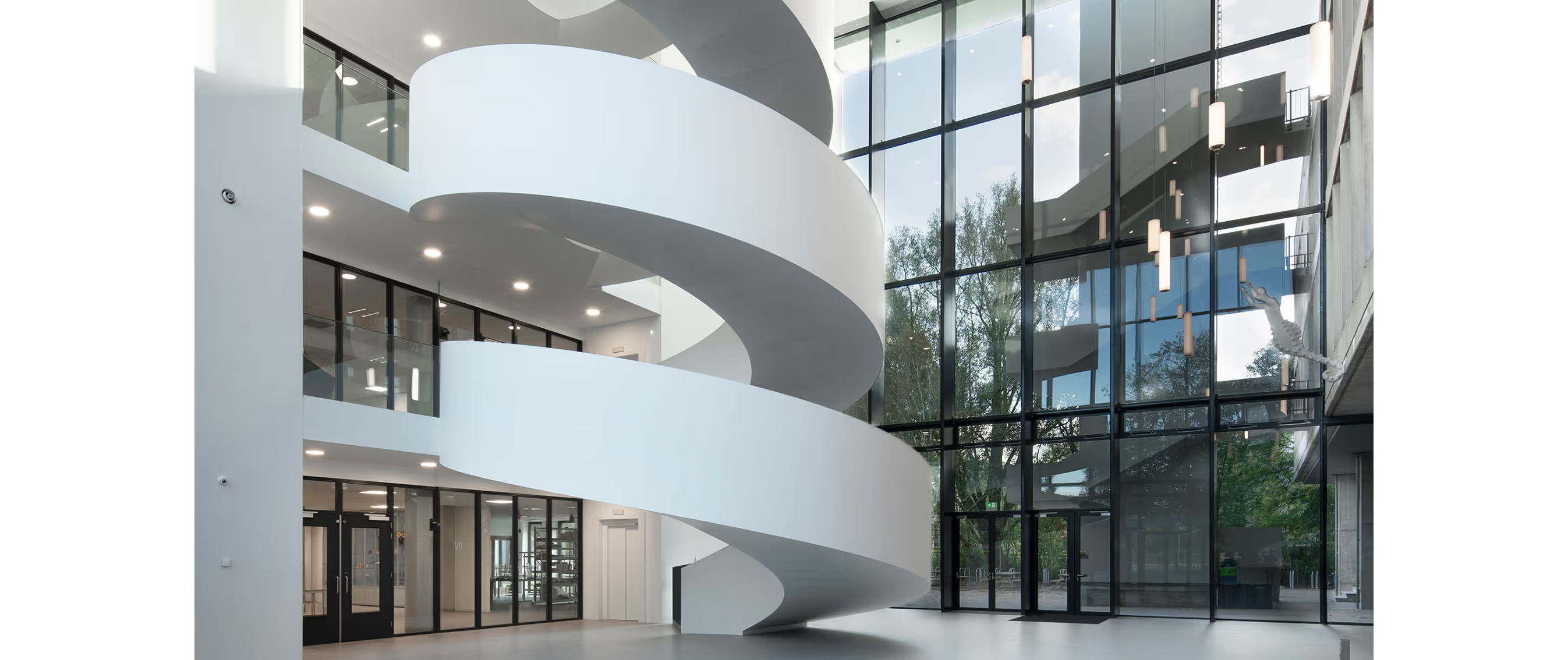
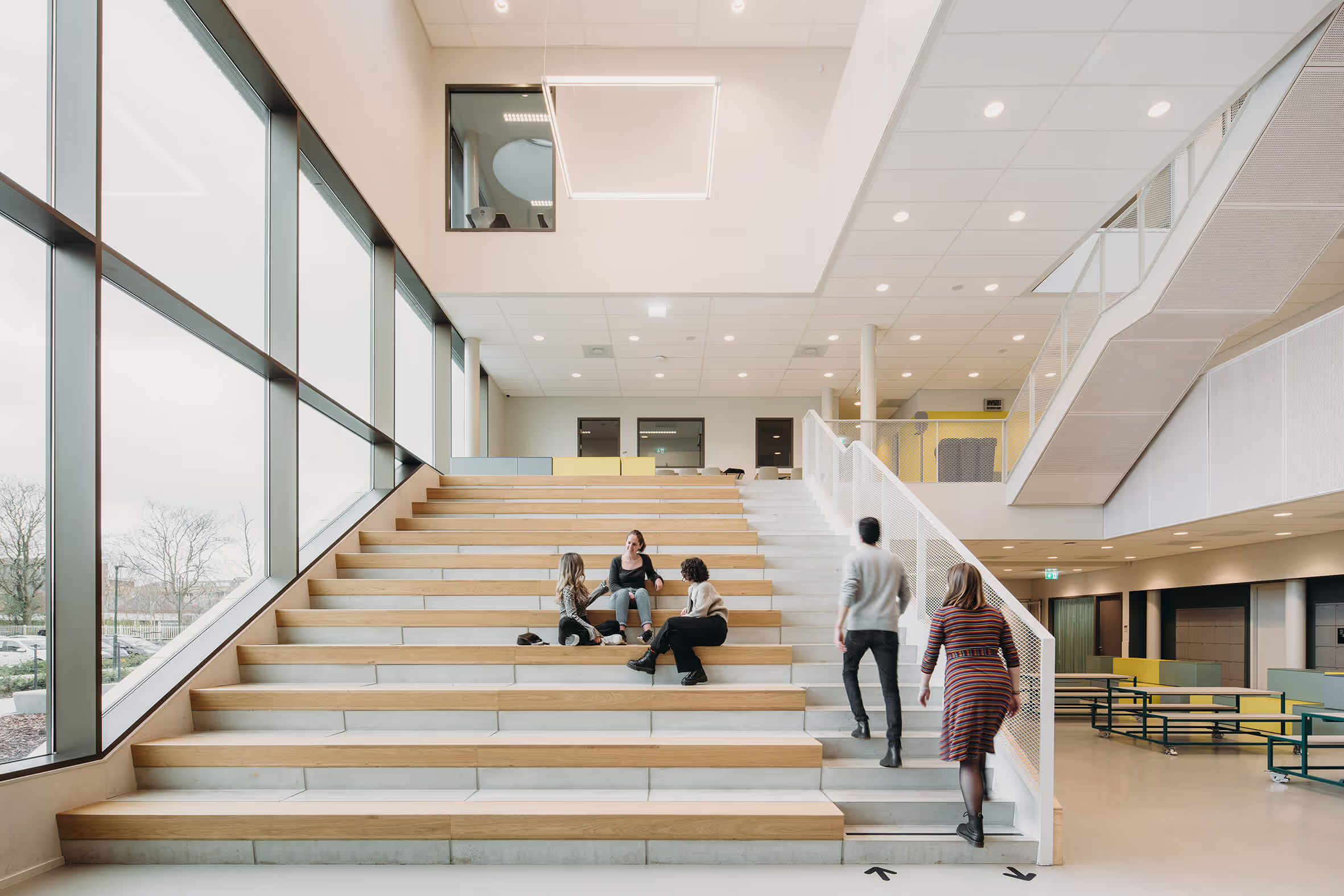
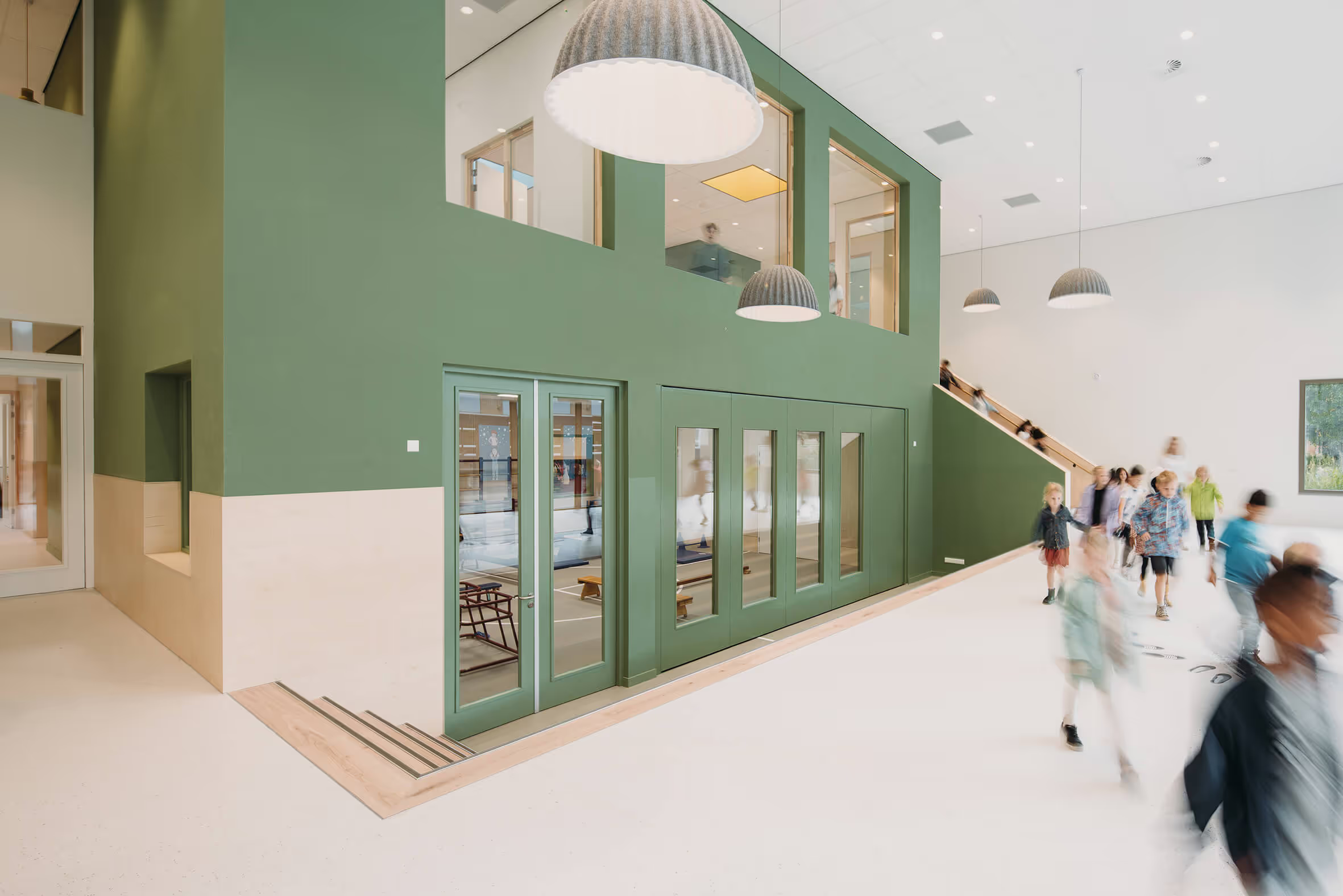
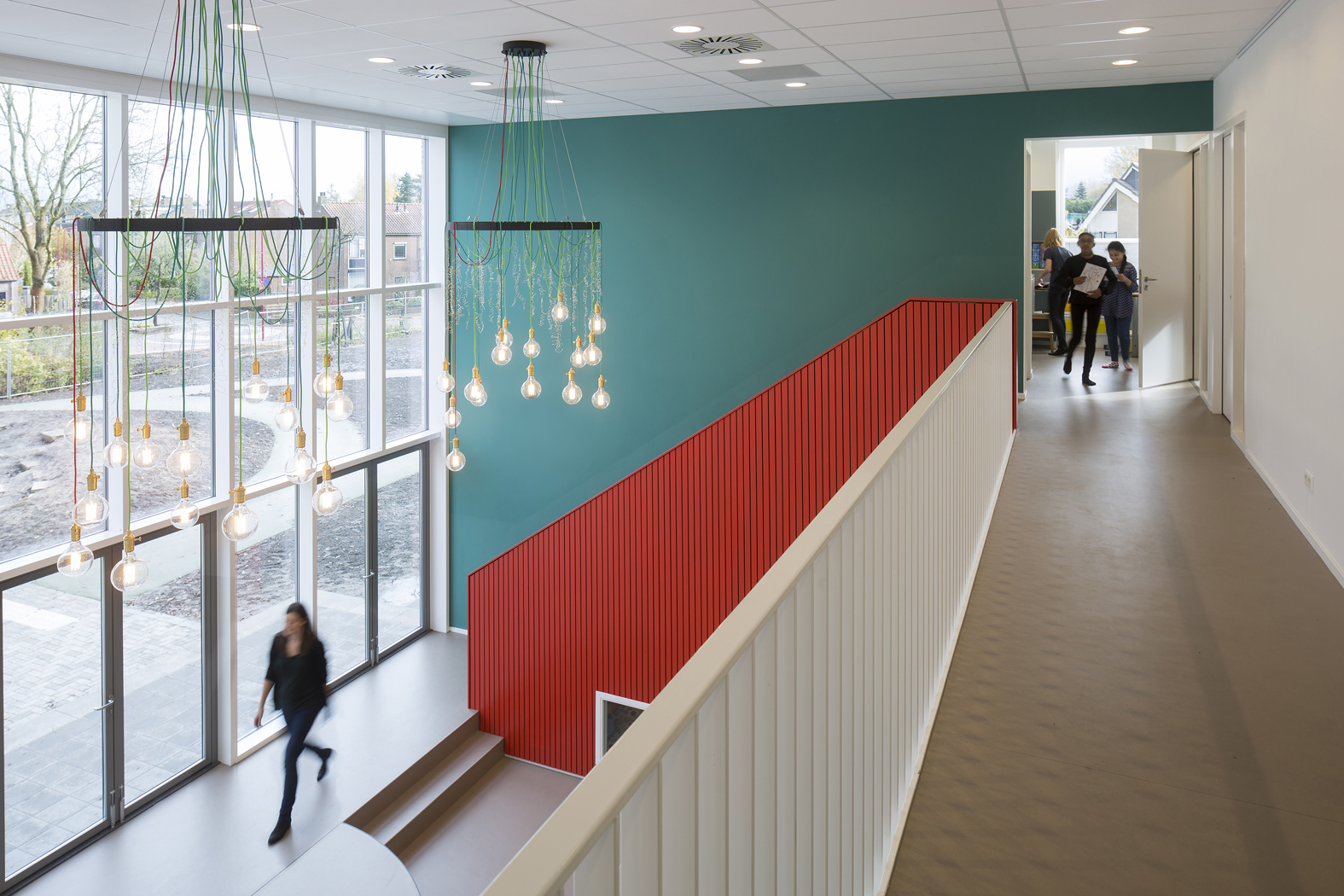
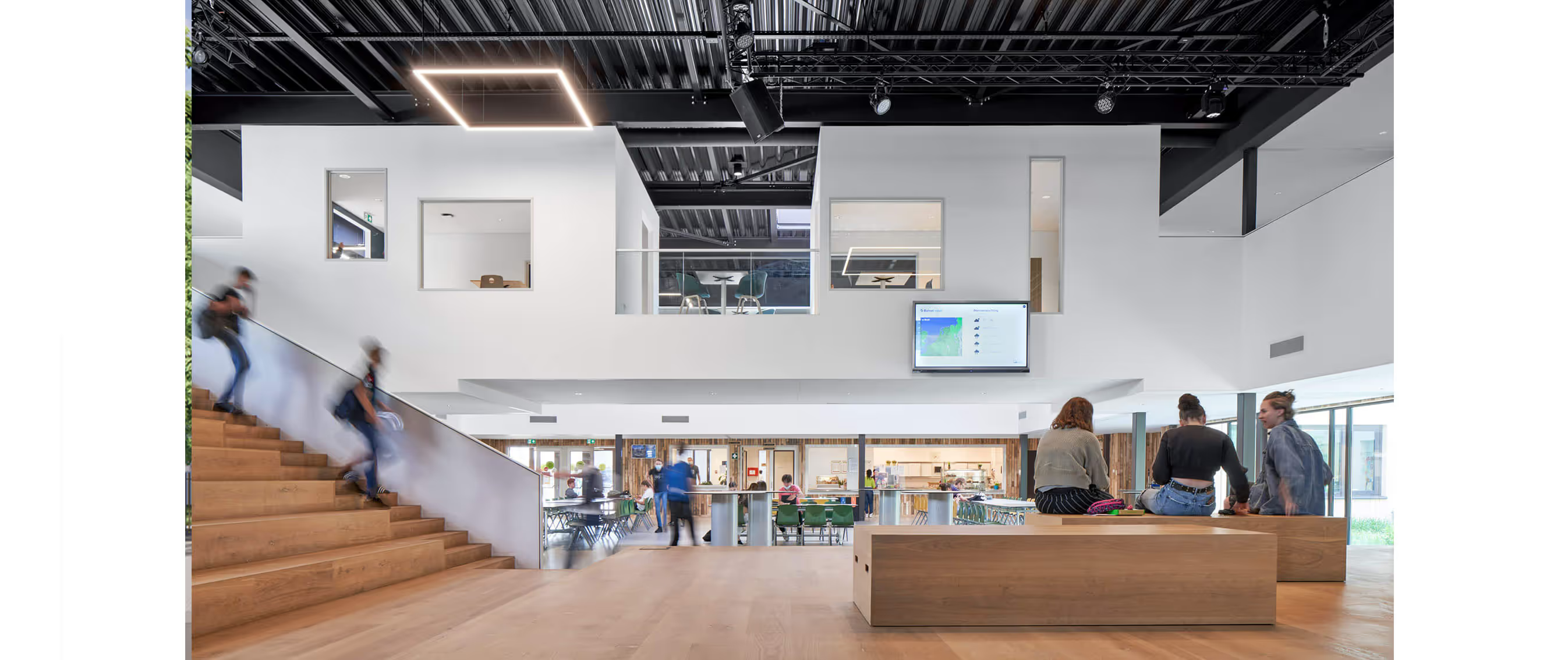
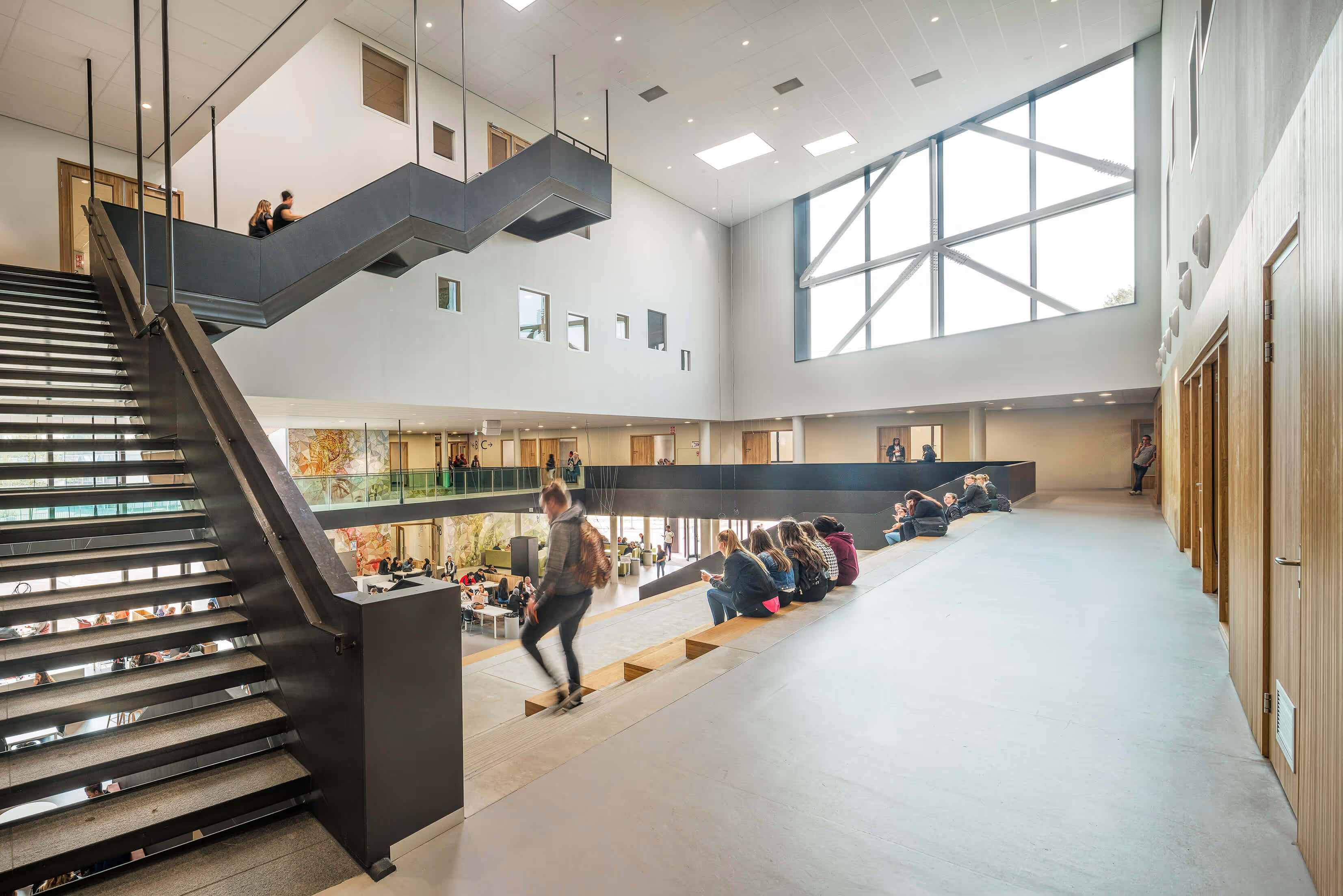
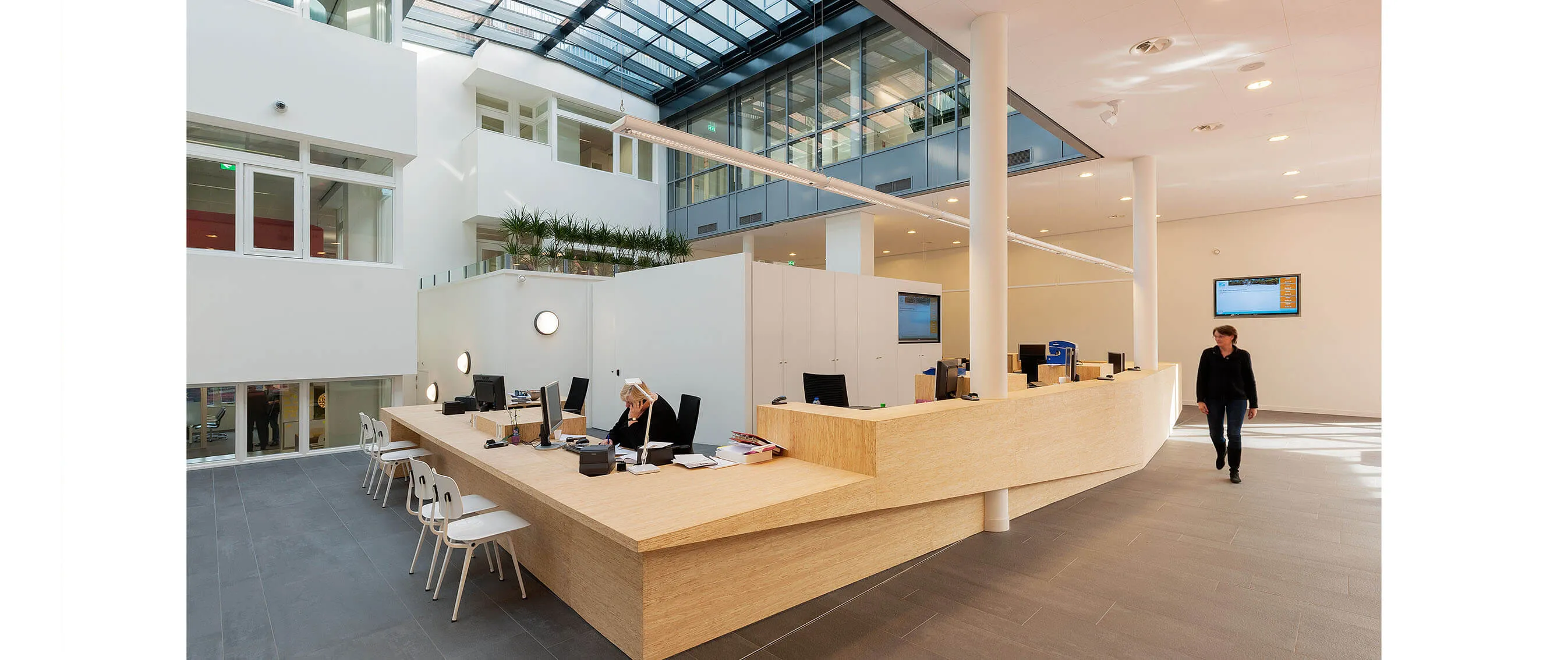
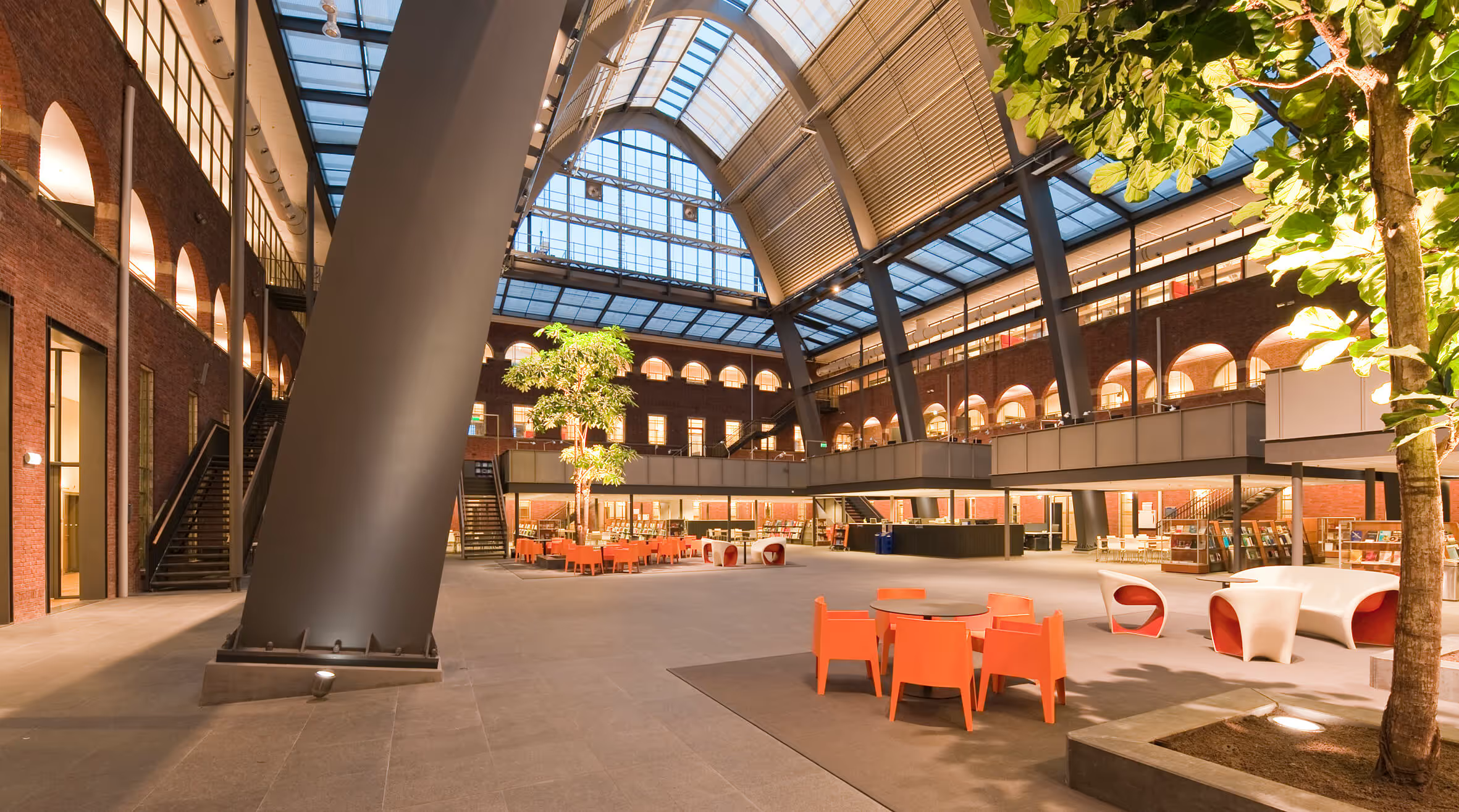
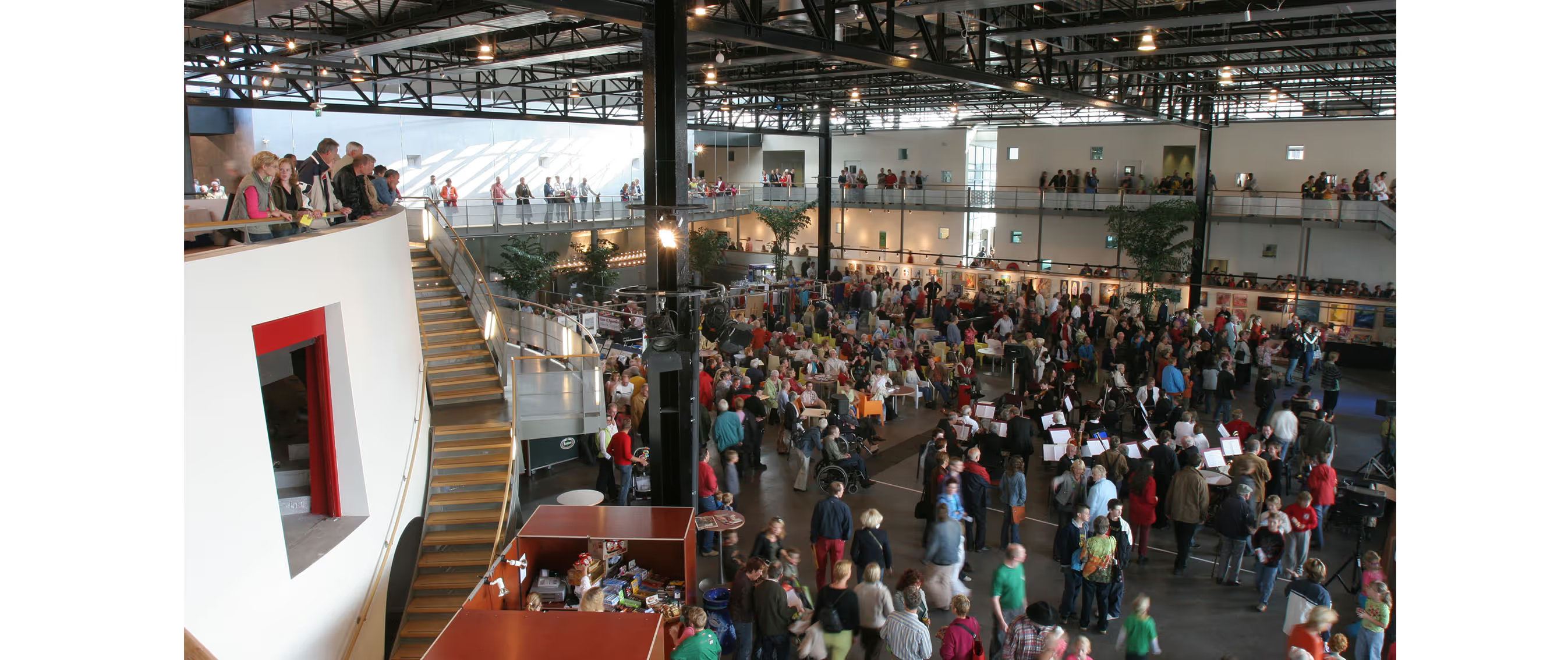
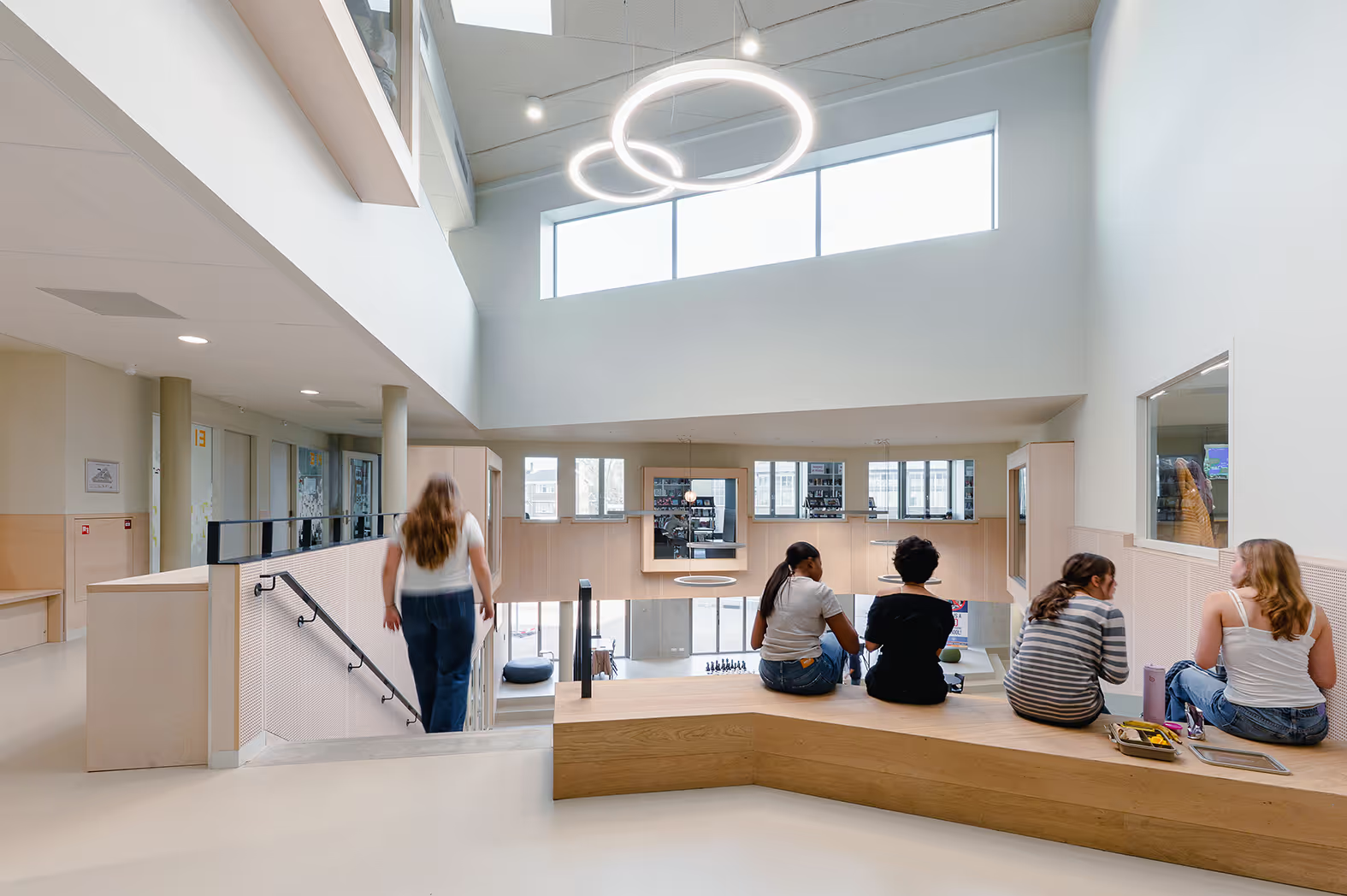
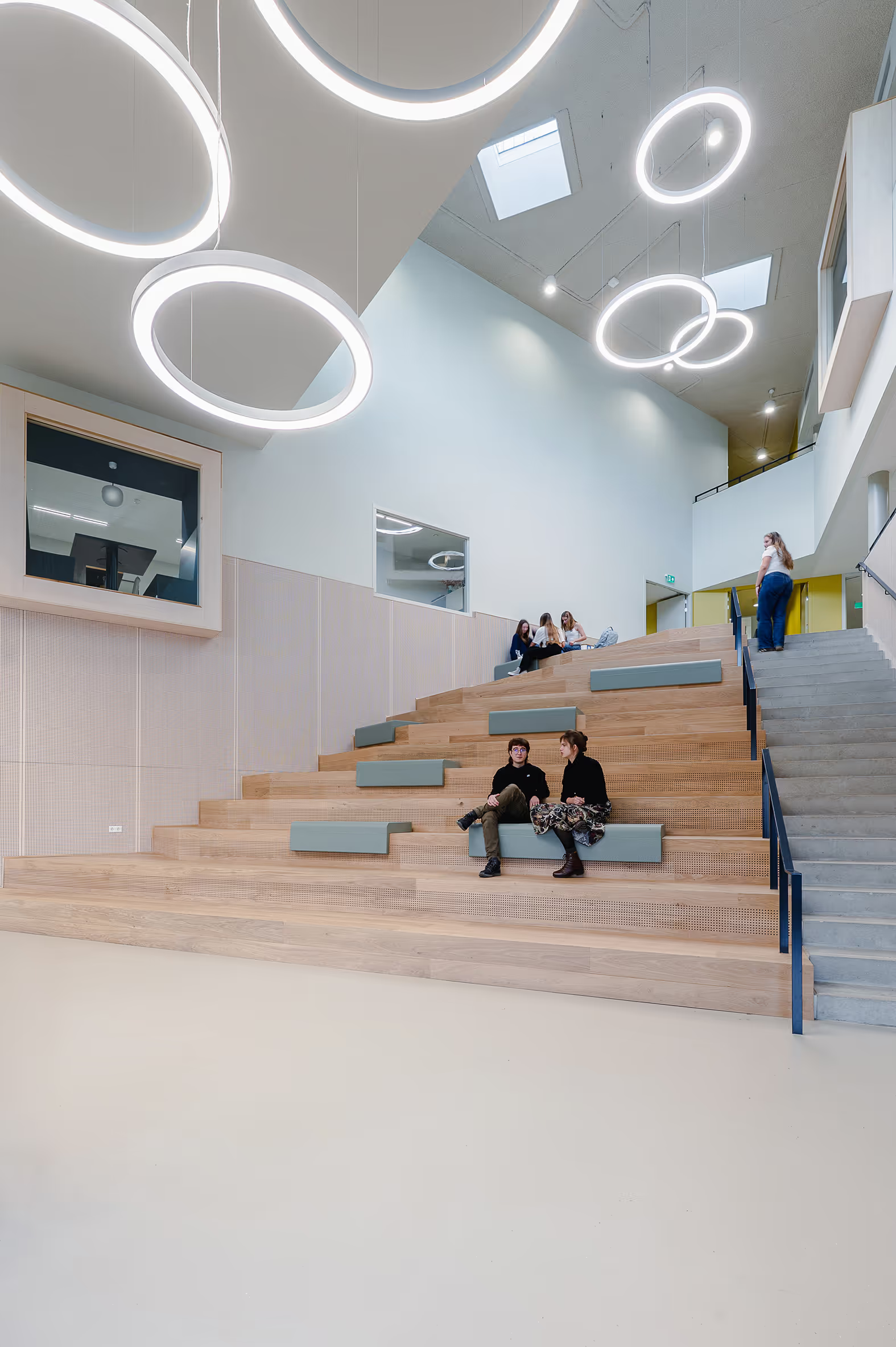
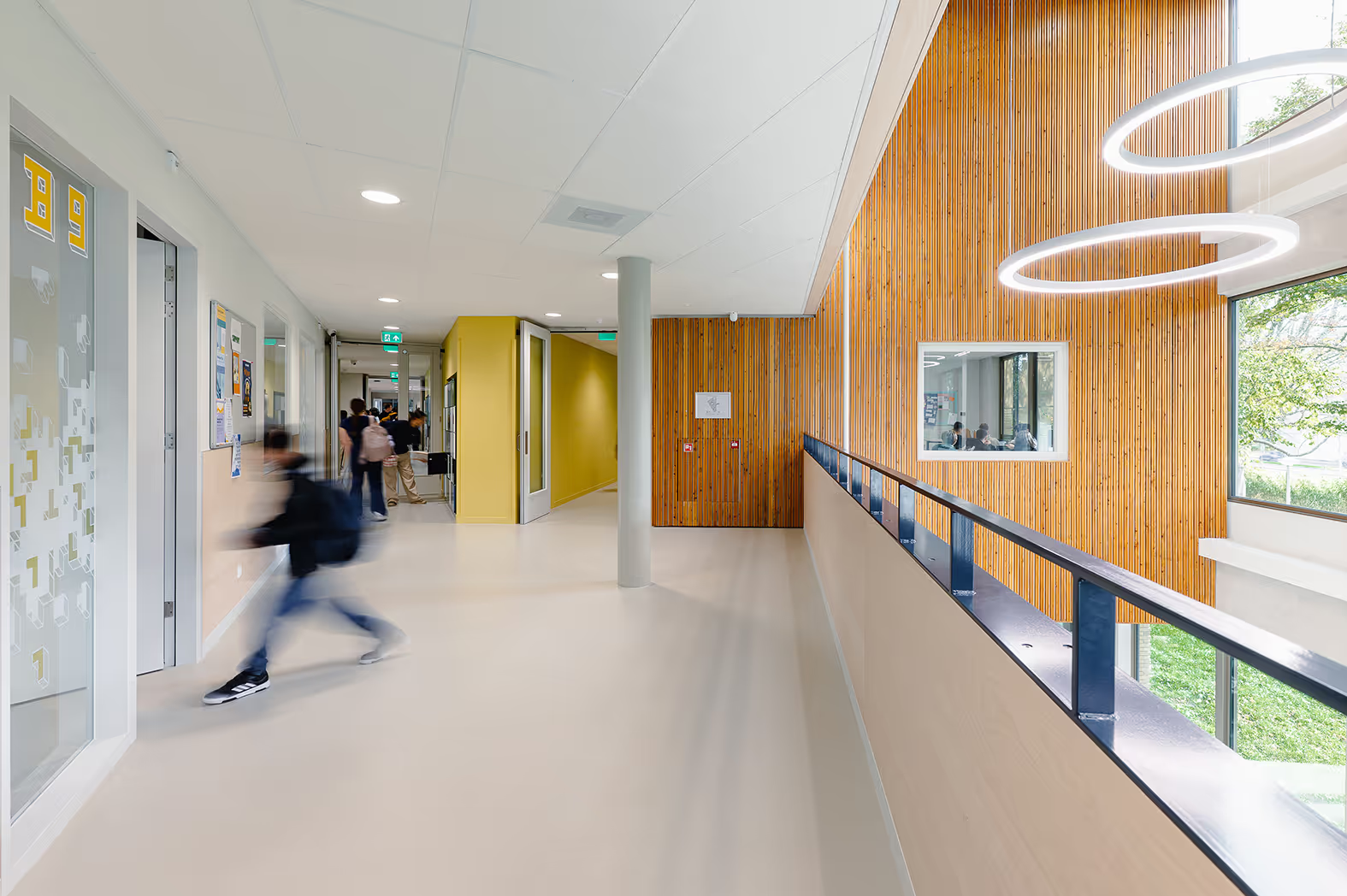
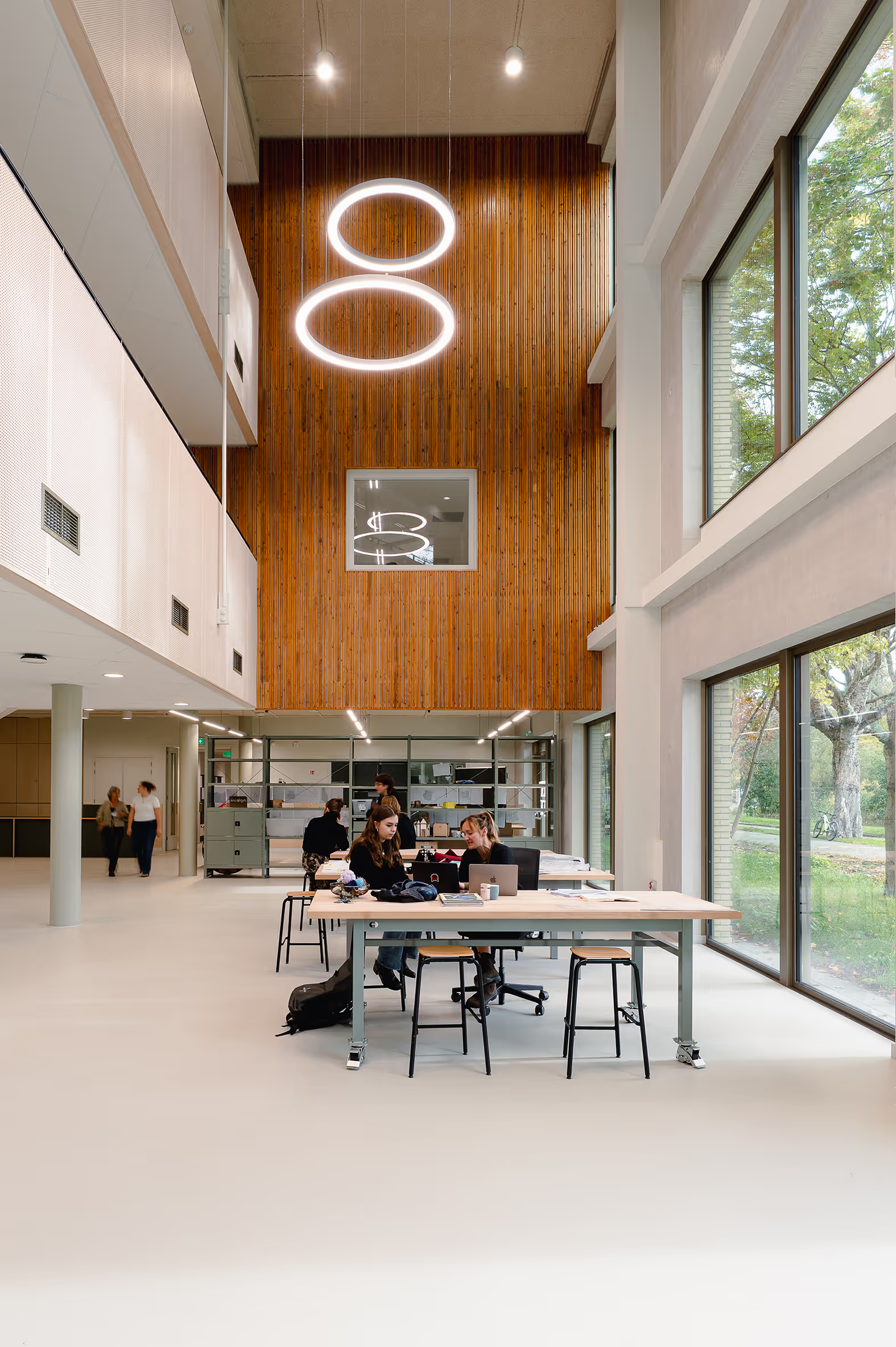
The learning environments are organized around an open, three-story space. This central space consists of two parts, the “Central Square” and the “Makerspace”, which are open. A grandstand staircase connects all floors. This creates a spacious central heart that gives the building a clear structure and zoning while at the same time meeting the appearance and needs of the International School Delft Secondary.
Atelier PRO architekten won the European selection for IGVO with a multidisciplinary and integrally working Design Team. In that team, OASE urban planning and landscape, HE advisors, ABT Delft, Kamphuis & Schaufeli and Pieters bouwtechniek worked together.
The building has exceptional environmental and sustainability performance: Fresh Schools Class B, BENG (Nearly Energy Neutral) and GPR (Municipal Practice Directive) = average ≥ 8.
Techdriven onderwijs
Centraal in het nieuwe gebouw ligt een open, drie verdiepingen hoge ruimte die bestaat uit twee delen: de Central Square en de Makerspace. In de Makerspace, die in open verbinding staat met de Arts en Design lokalen, kunnen leerlingen aan de slag met verschillende techdriven onderwijsprojecten. De Central Square verbindt met haar tribunetrap de verschillende afdelingen en verdiepingen, en werkt zo als het hart van de school. De centrale ruimte geeft het gebouw een heldere structuur en biedt tegelijkertijd ruimte voor vernieuwende onderwijsvormen.
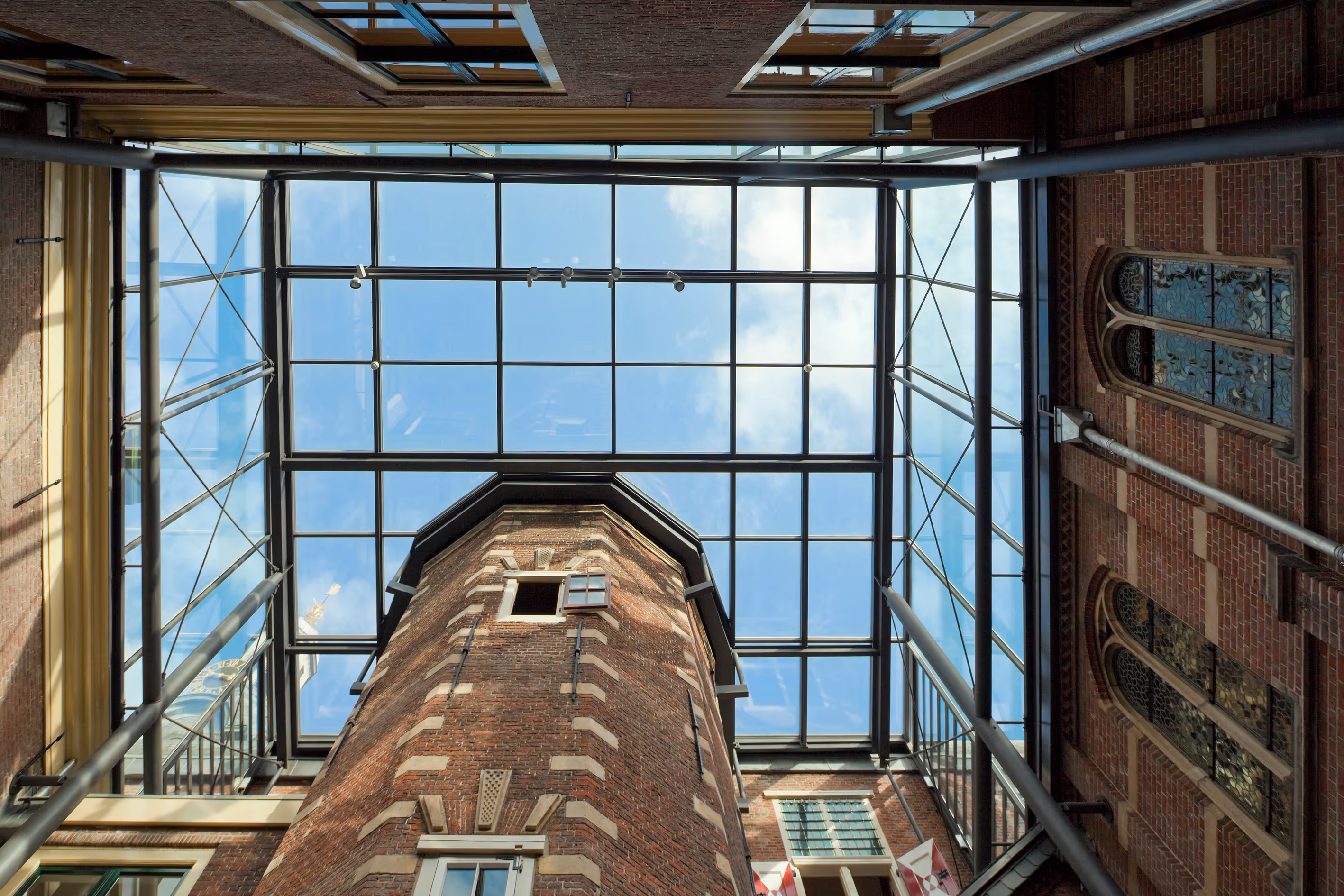
Hergebruik van een Delfts landmark
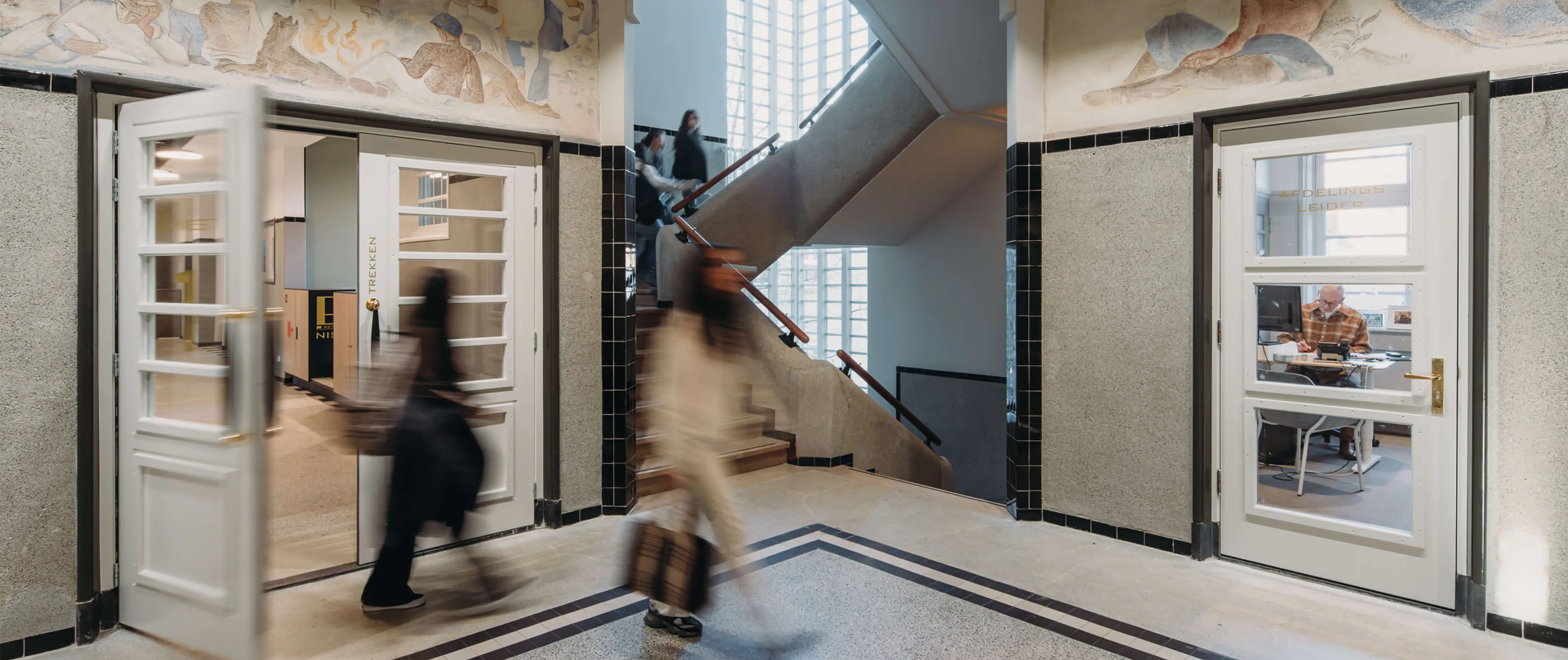
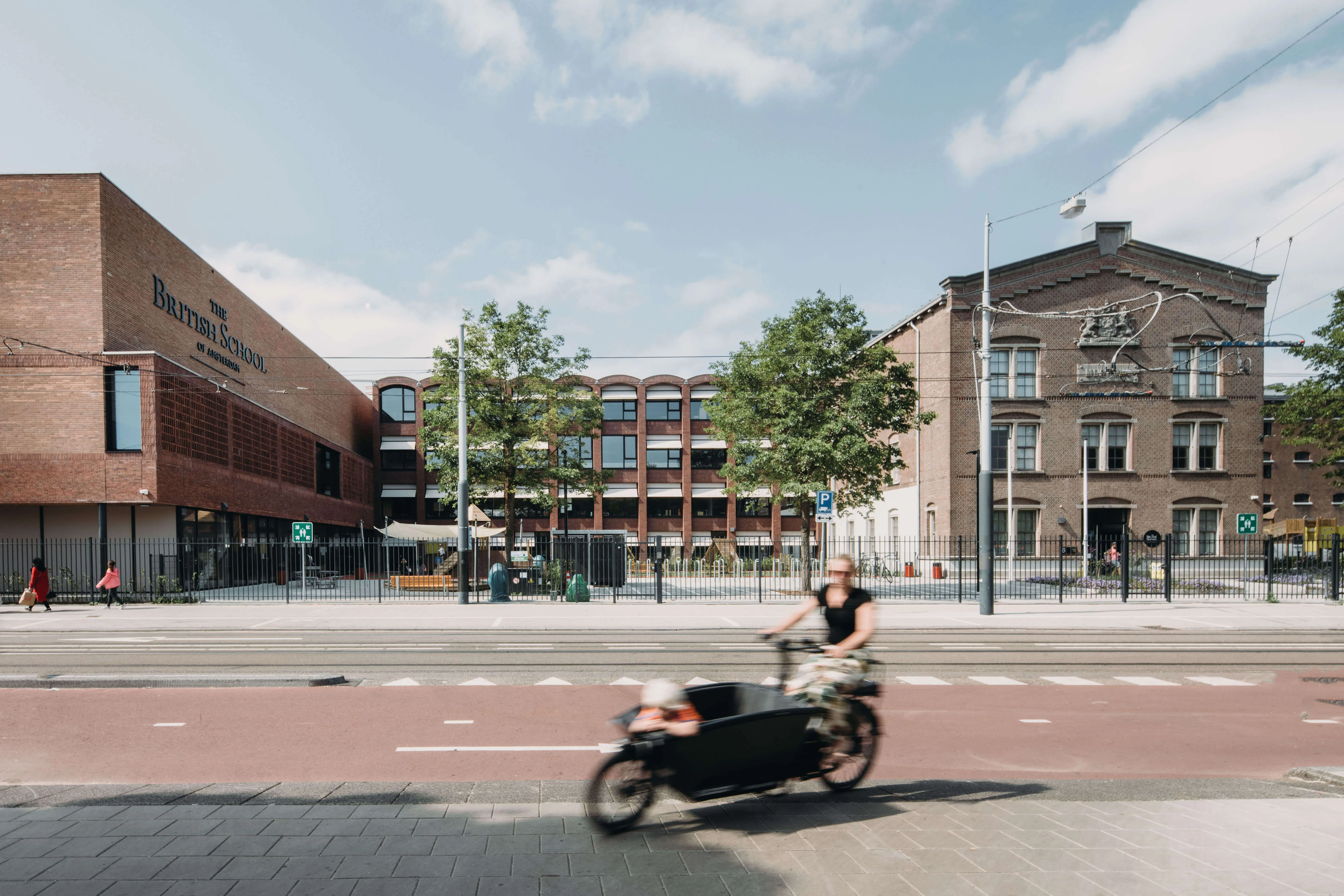
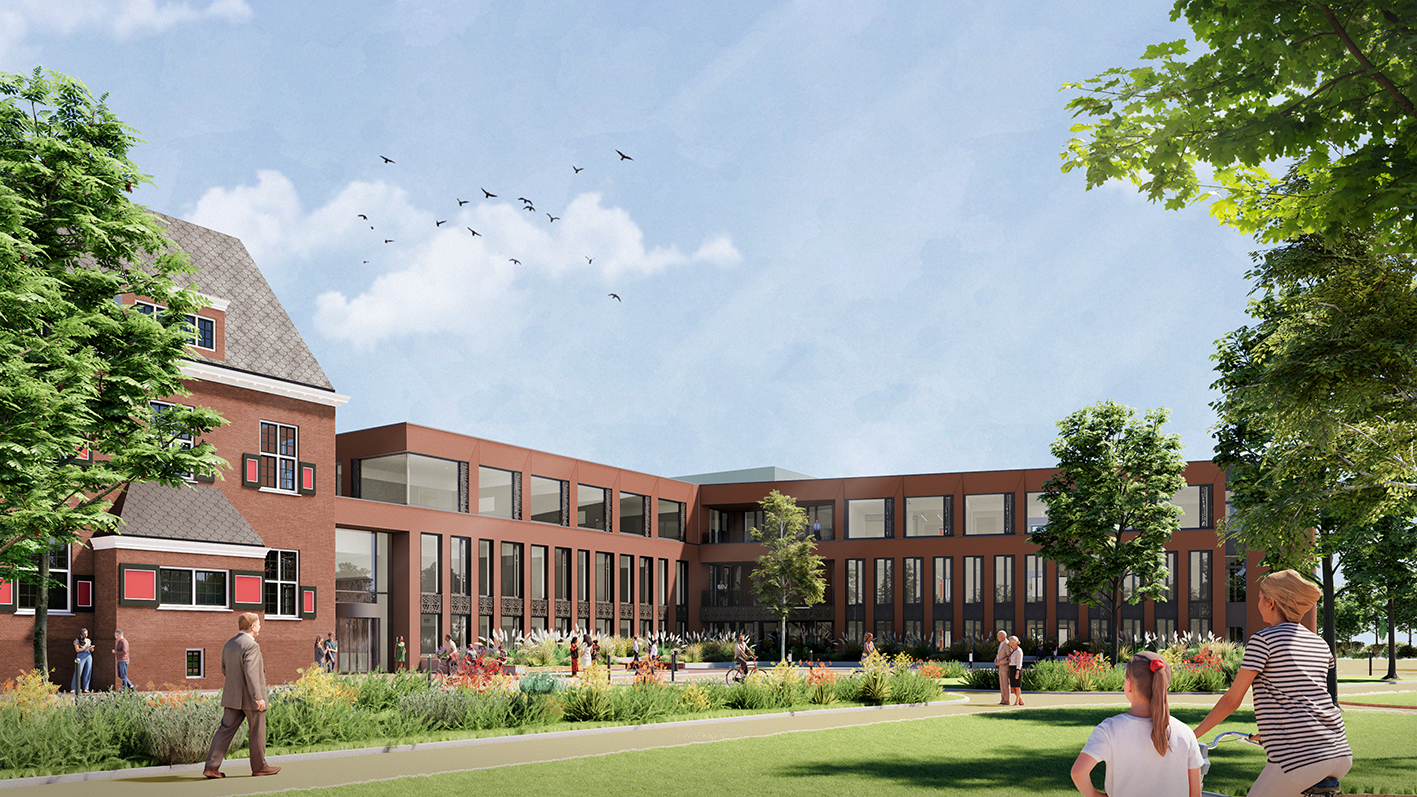
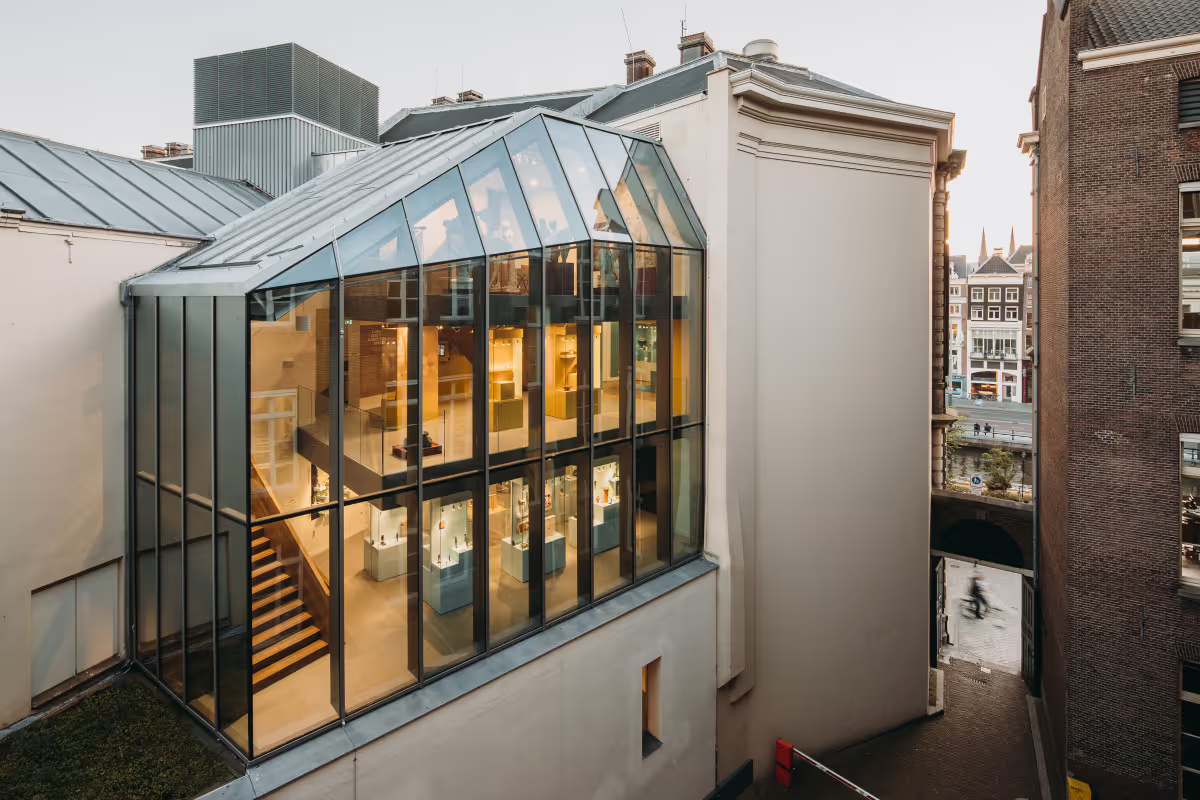
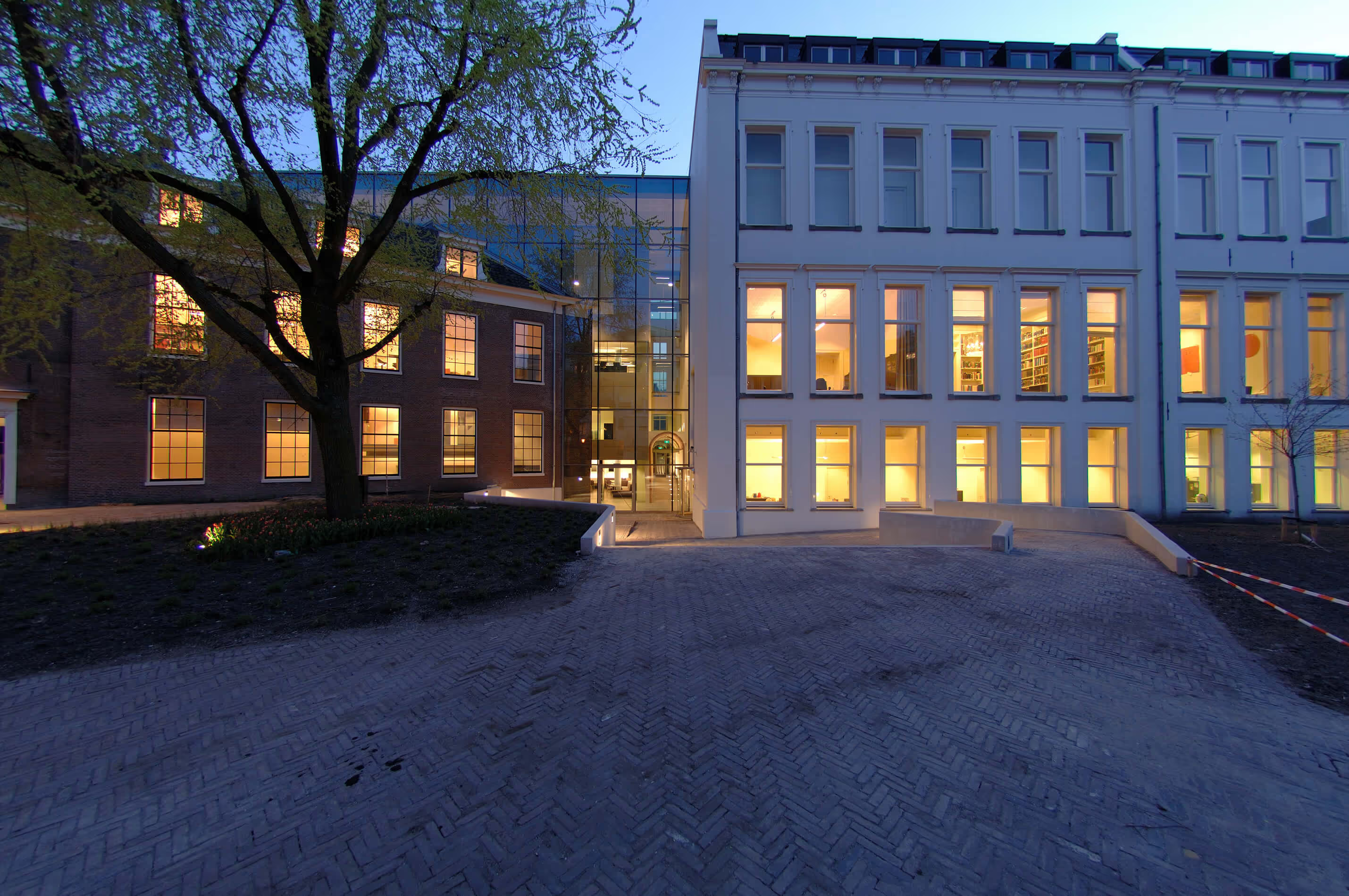
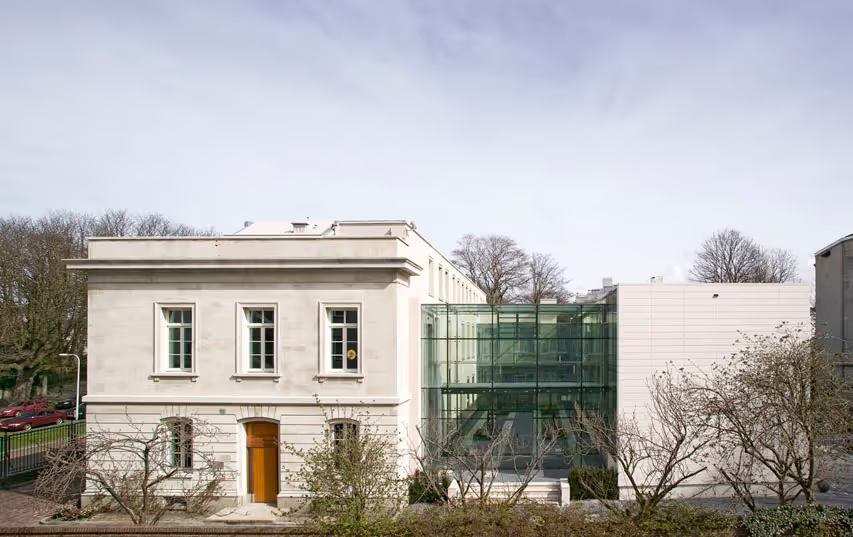
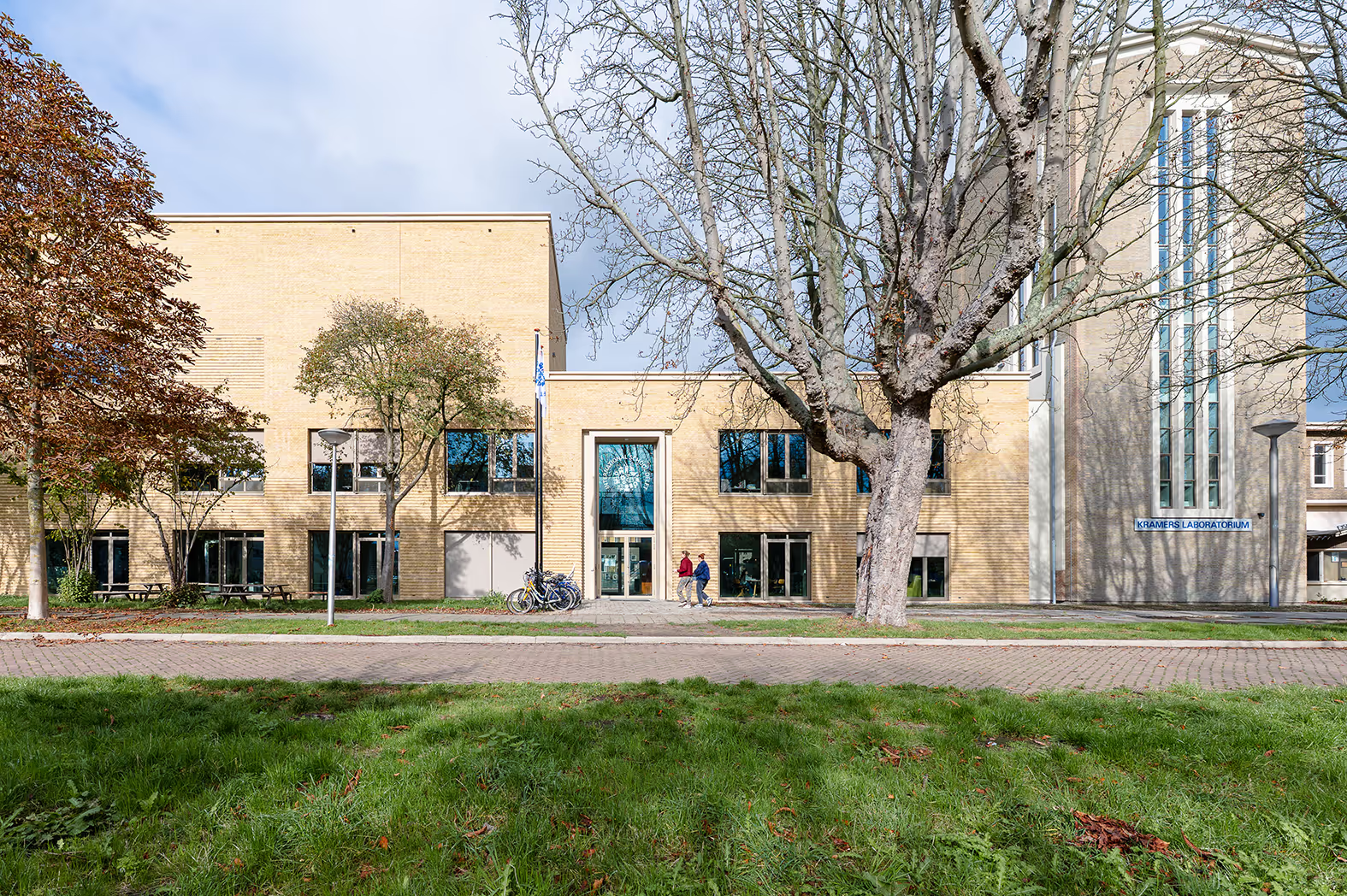
De ISD bevindt zich op de locatie van het voormalige Kramers Laboratorium; in ons ontwerp worden zowel de iconische toren als de entree van dit gebouw hergebruikt en onderdeel van de ISD. Hiermee wordt niet alleen de identiteit van de school versterkt, maar blijft ook een beeldbepalend landmark in de Delftse binnenstad bewaard. De toren wordt met de nieuwbouw verbonden en gaat ruimte bieden aan de kantoren en vergaderkamers van de school – en vormt zo een mooie, geborgen entree vanaf de straat naar het schoolplein. Daarbij kon ook de voormalige kelder opnieuw worden gebruikt als fietsenberging, wat ruimte maakt voor een open opgezet schoolplein.
The optimal building shape
A triangular lot was available for the school. In the search for an optimal building shape, a number of points emerged. Unfortunately, it was not possible to keep the entire Kramerhal, for example, because this was not technically, financially and functionally feasible and would lead to a very fragmented outdoor space — even though this was very important for the school. That is also why it was important to keep as much distance as possible from the (future) buildings of the TU next to the ISD. The new building has been incorporated into a compact, triangular framework as much as possible, so that there is maximum space for a square between the tower and the school.
A nature-inclusive school building
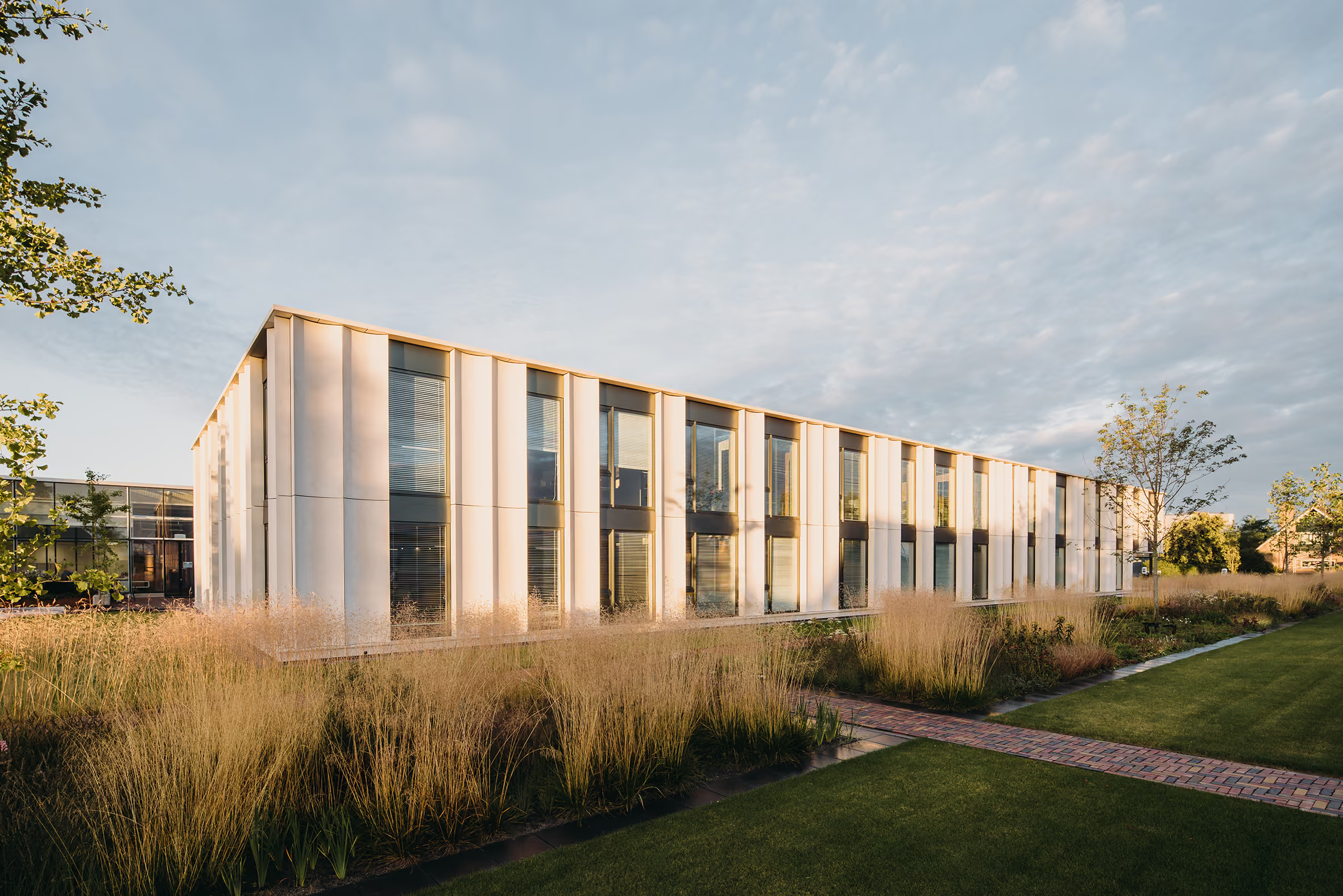
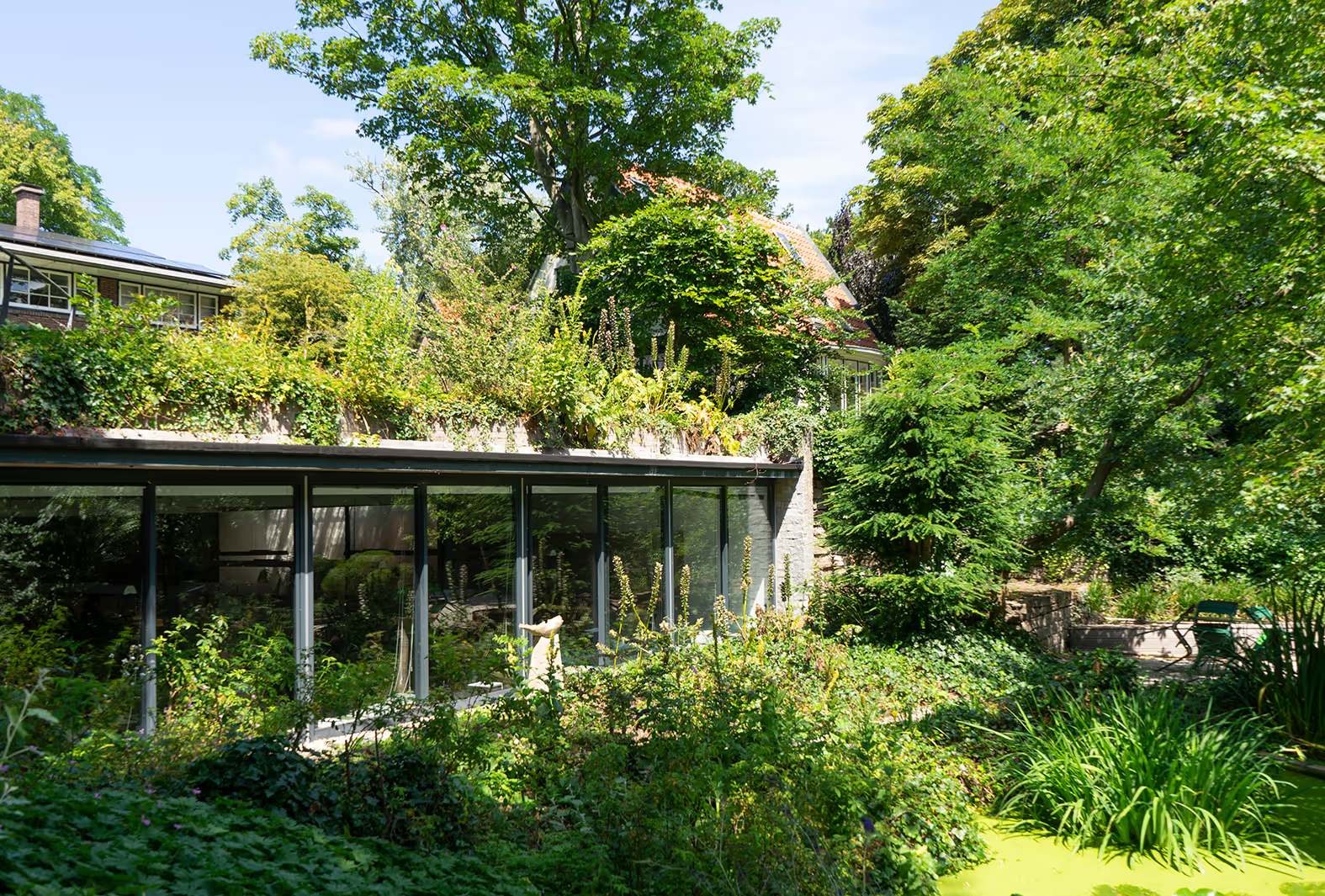
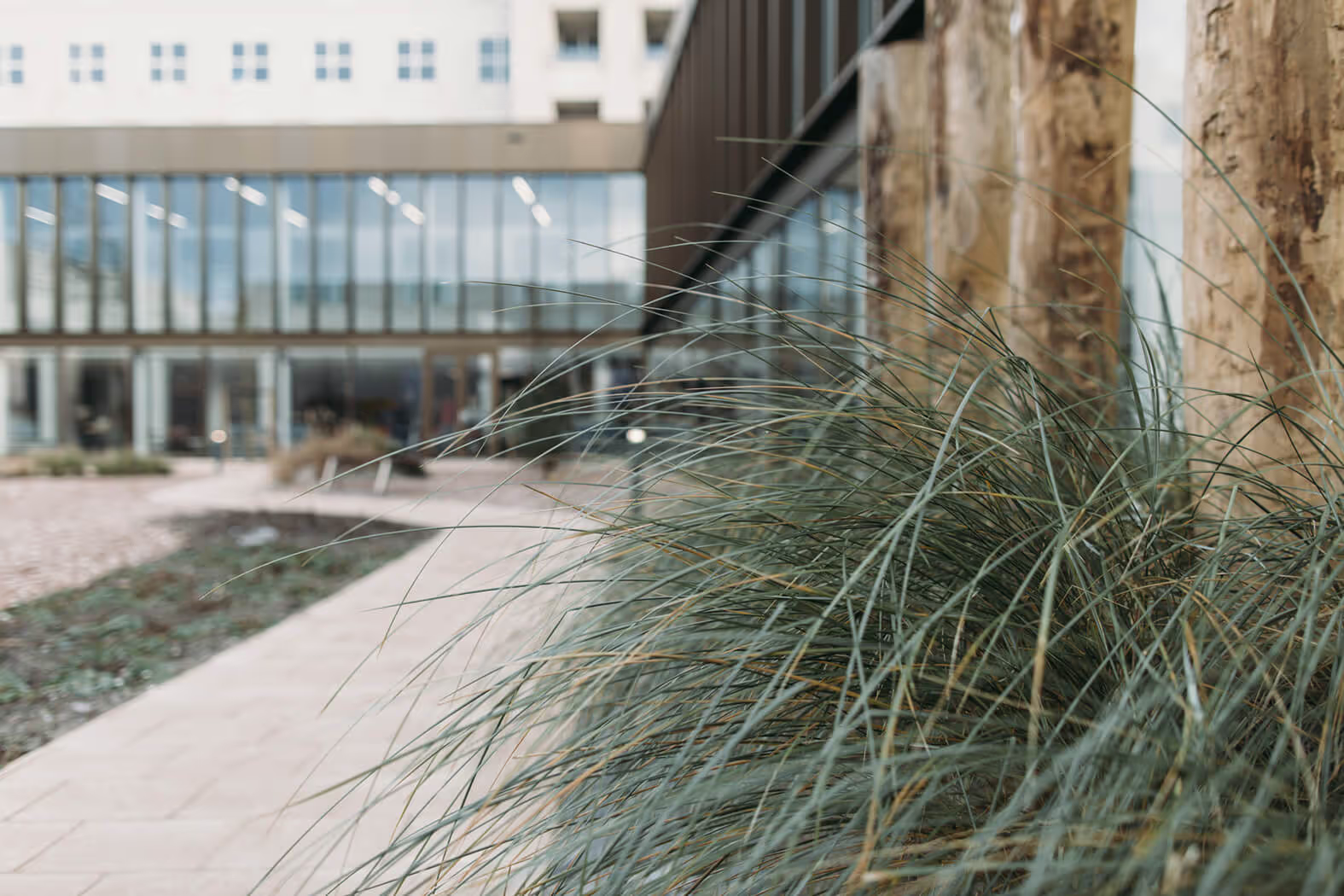
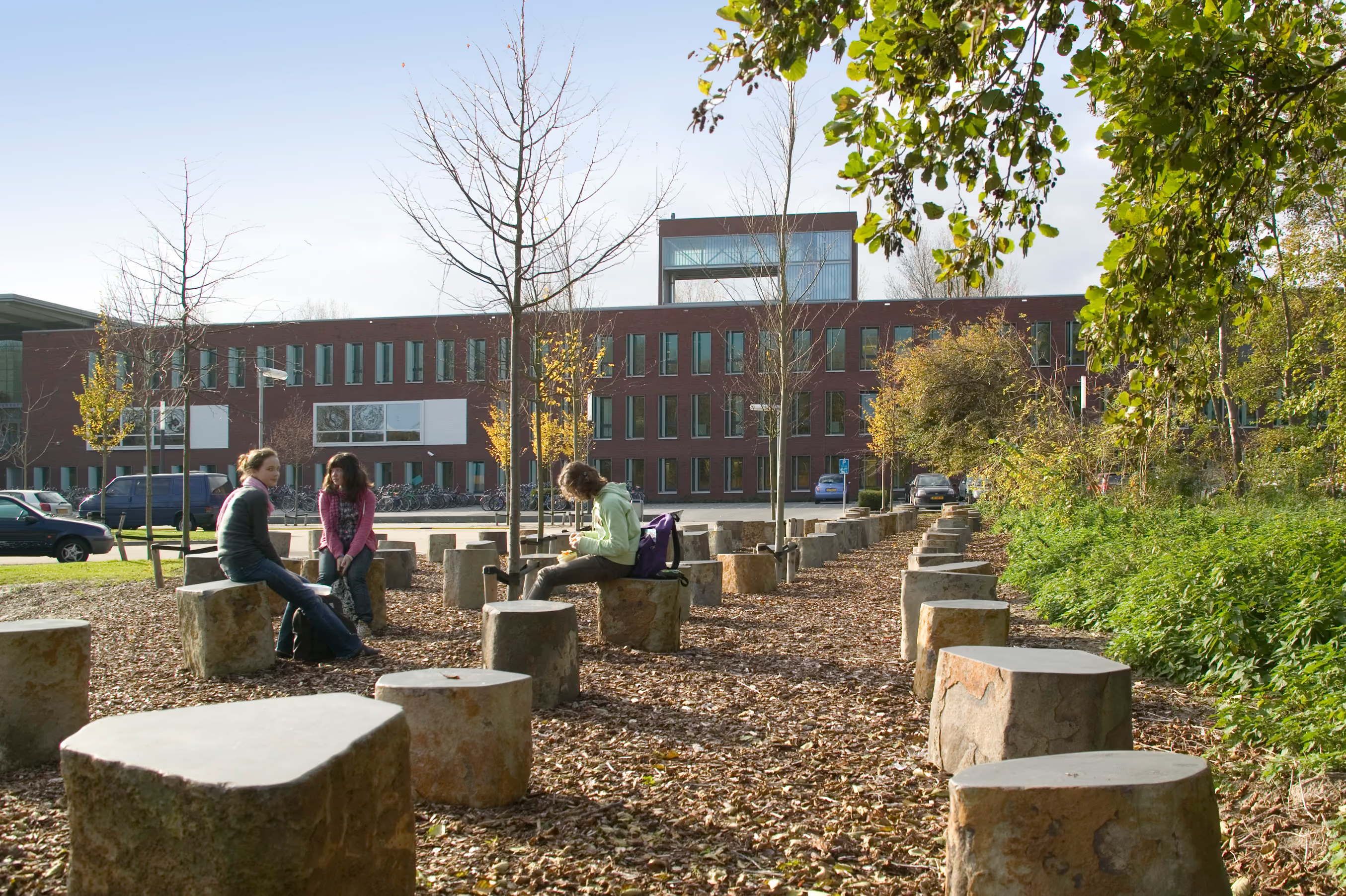
Fortunately, our client believes in buildings where there is room for more than just people — and therefore commissioned us for a green and nature-inclusive school building. For example, the building has been given a natural roof - including solar panels - and bat boxes have been integrated into the façade. The schoolyard, designed in collaboration with OASE urban planning and landscape, is optimally equipped for water buffering: we only paved the site where necessary and there are water retention crates under the square. There is also a buffer pool that can be used by students for research before the biology lessons. In addition, we worked with a tree-saving plan, where no trees were cut and even 17 more trees were added for greening and cooling; the schoolyard was also planted with as much native flora as possible, supplemented with a vegetable garden for the students.
Reuse and sustainability
Sustainability and reuse were also important principles in the design. For example, we reused the stone and old ceiling slats from the existing building as interior paneling, and “harvested” riveted grilles as climbing frames for plants outside. The International School Delft also complies with Fresh Schools Class B, the building is BENG (Nearly Energy Neutral) and scores an average of eight on the GPR (municipal practice guideline). In addition, the reuse of existing buildings is of course the highest form of sustainability!
And we're proud of that, because we believe you're designing for the future, including the planet's.