New construction of the Orange-Nassau Barracks NONK

New construction of the Orange-Nassau Barracks NONK
New construction of the Orange-Nassau Barracks NONK
Stedenbouwkundig plan voor een historisch kazerneterrein
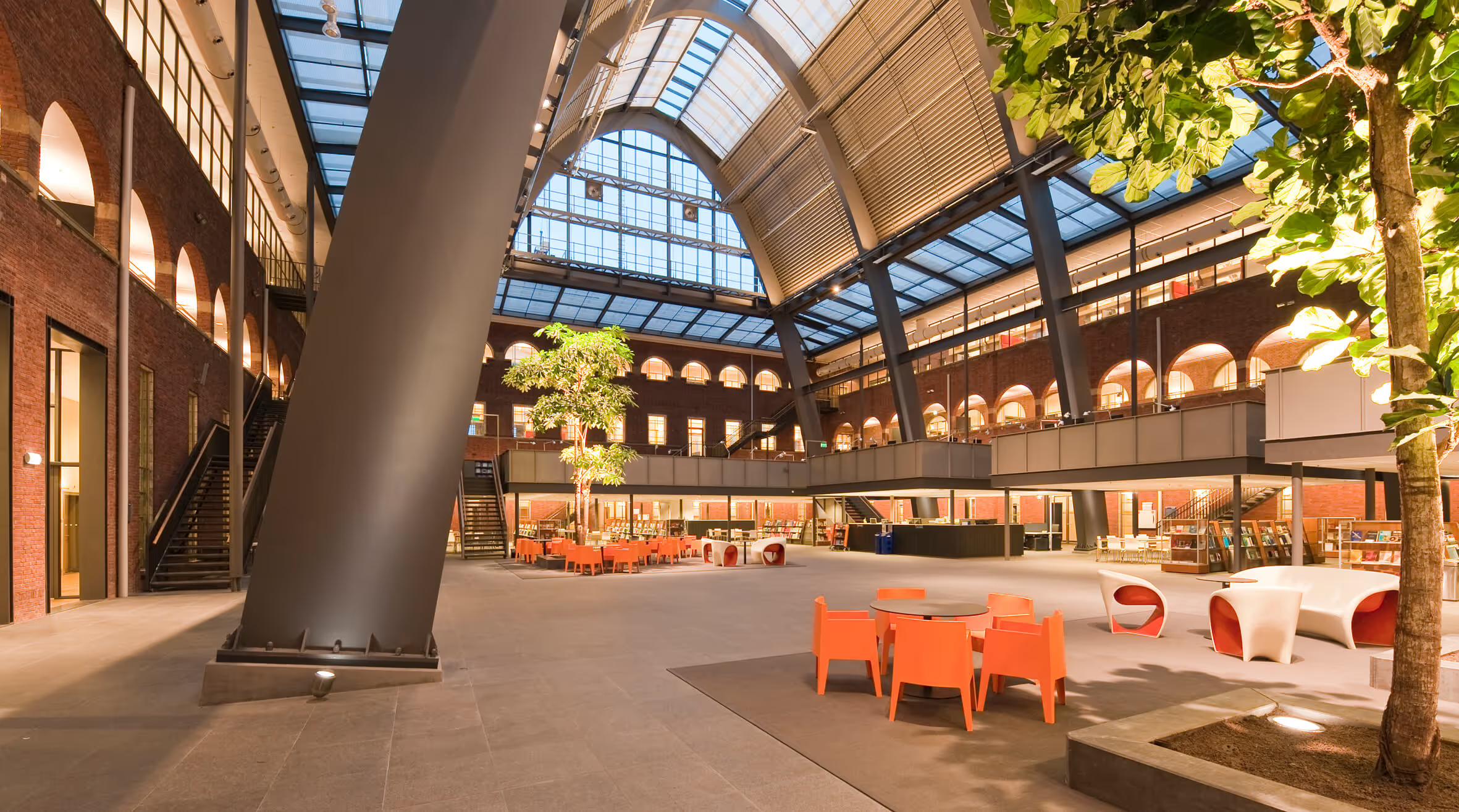
Reuse of a monument at the scale of the city
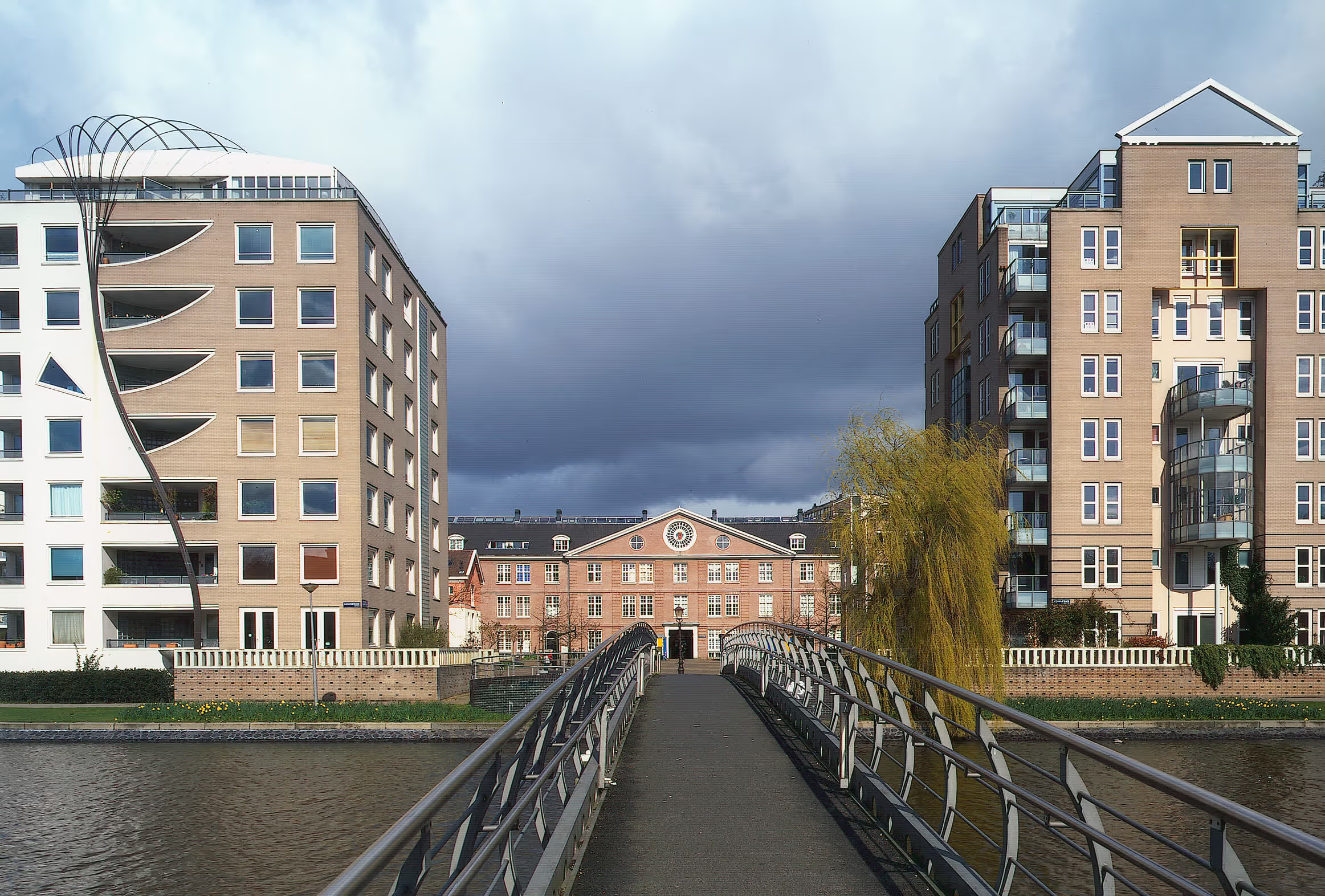
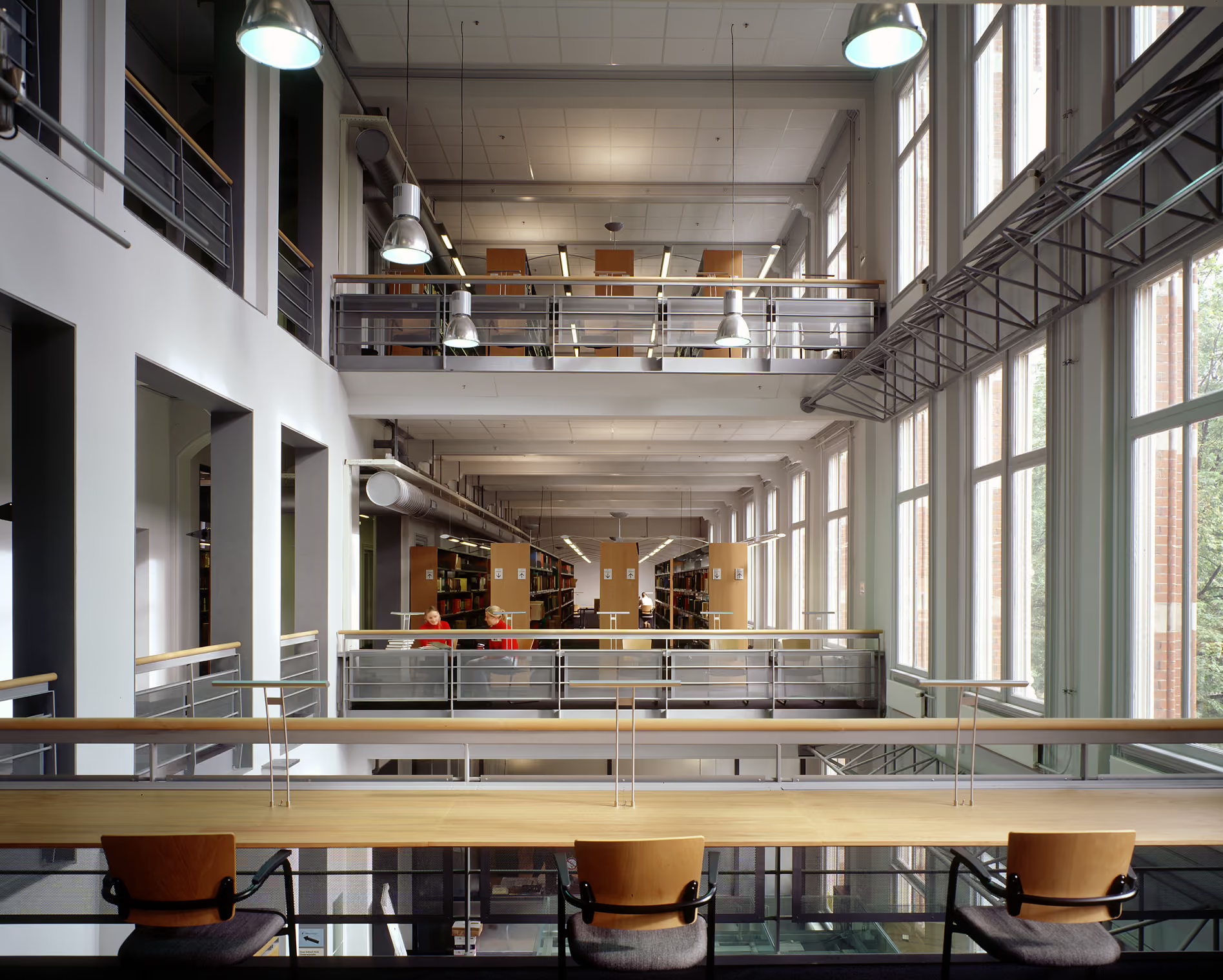
By the way, the six architects were not the first foreign designers to leave their mark on the field. In 1810, French engineer officer Picot de Moras designed the 276 (!) metre-long barracks, which was further developed by city architect Abraham van der Hart. The restoration and reuse of this impressive monument, located between two seventeenth-century strongholds on the Singelgracht, led to the urban design.
An urban plan within the context
However, this required an adapted new construction plan for the houses at the exercise site in front — which is a total of three hundred by ninety meters in size. Not only the pronounced symmetry of the barracks building, but also the slanting line of sight towards Linnaeusstraat and the straight Singelgracht are important starting points for atelier PRO's urban plan.
A collection of post-modernist icons for Amsterdam
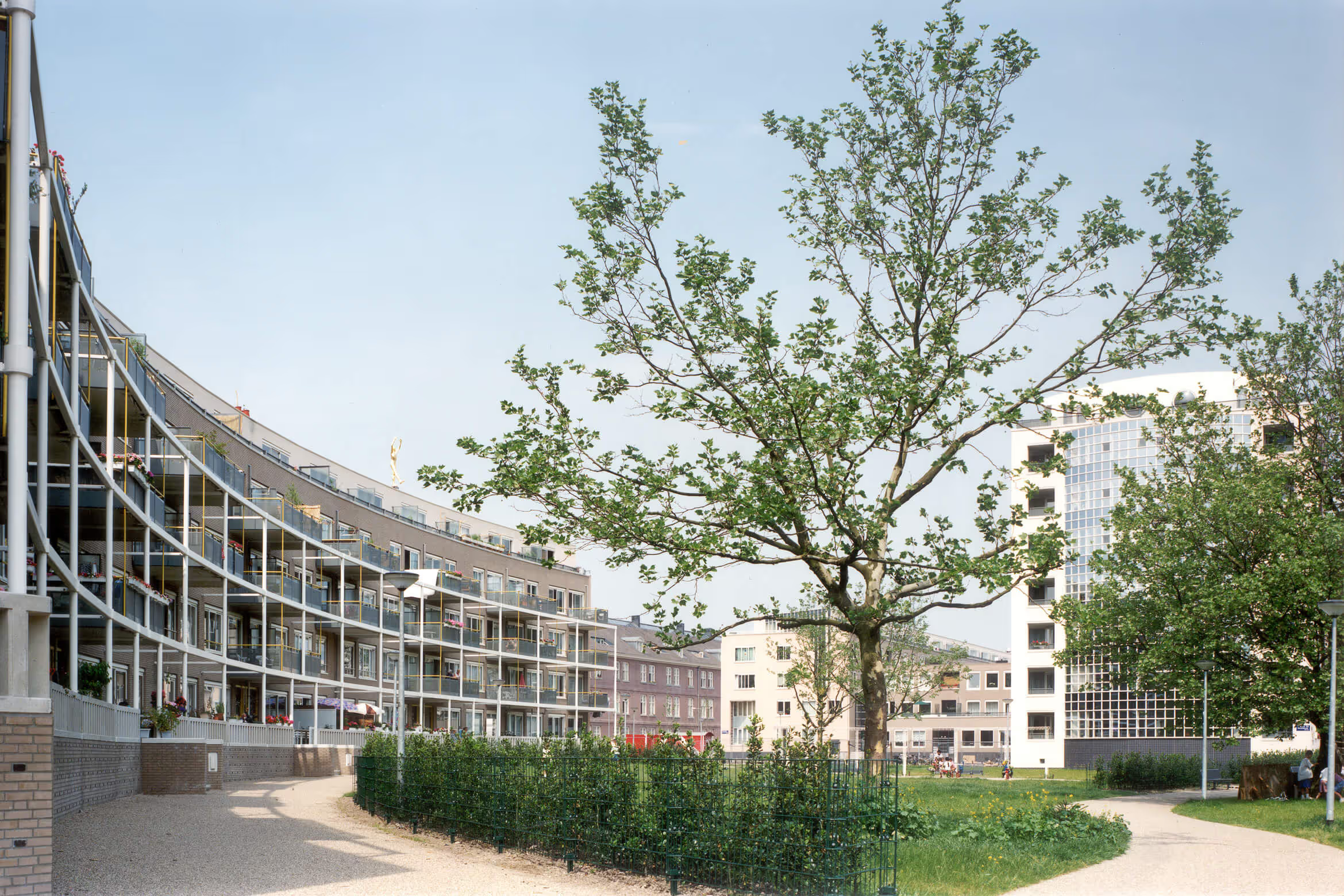
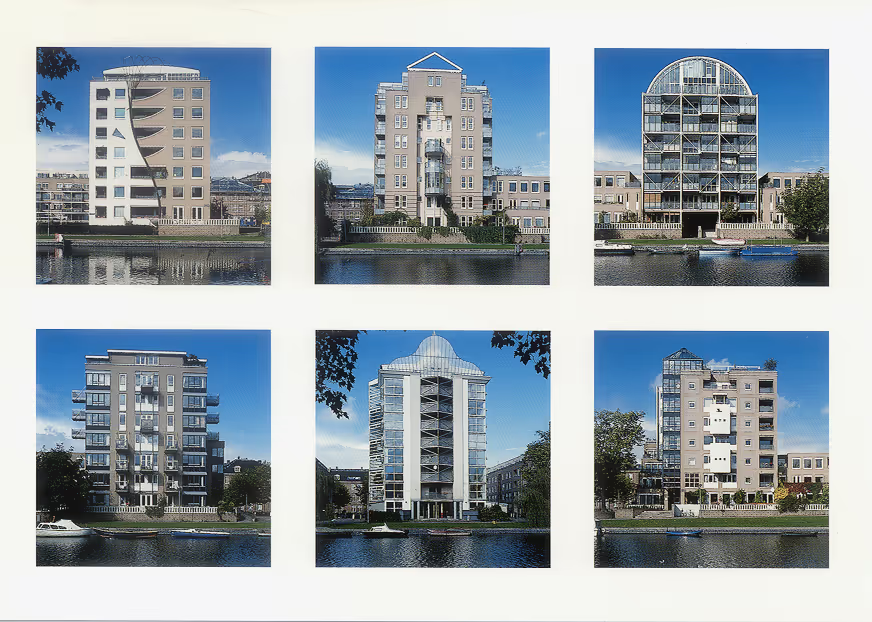
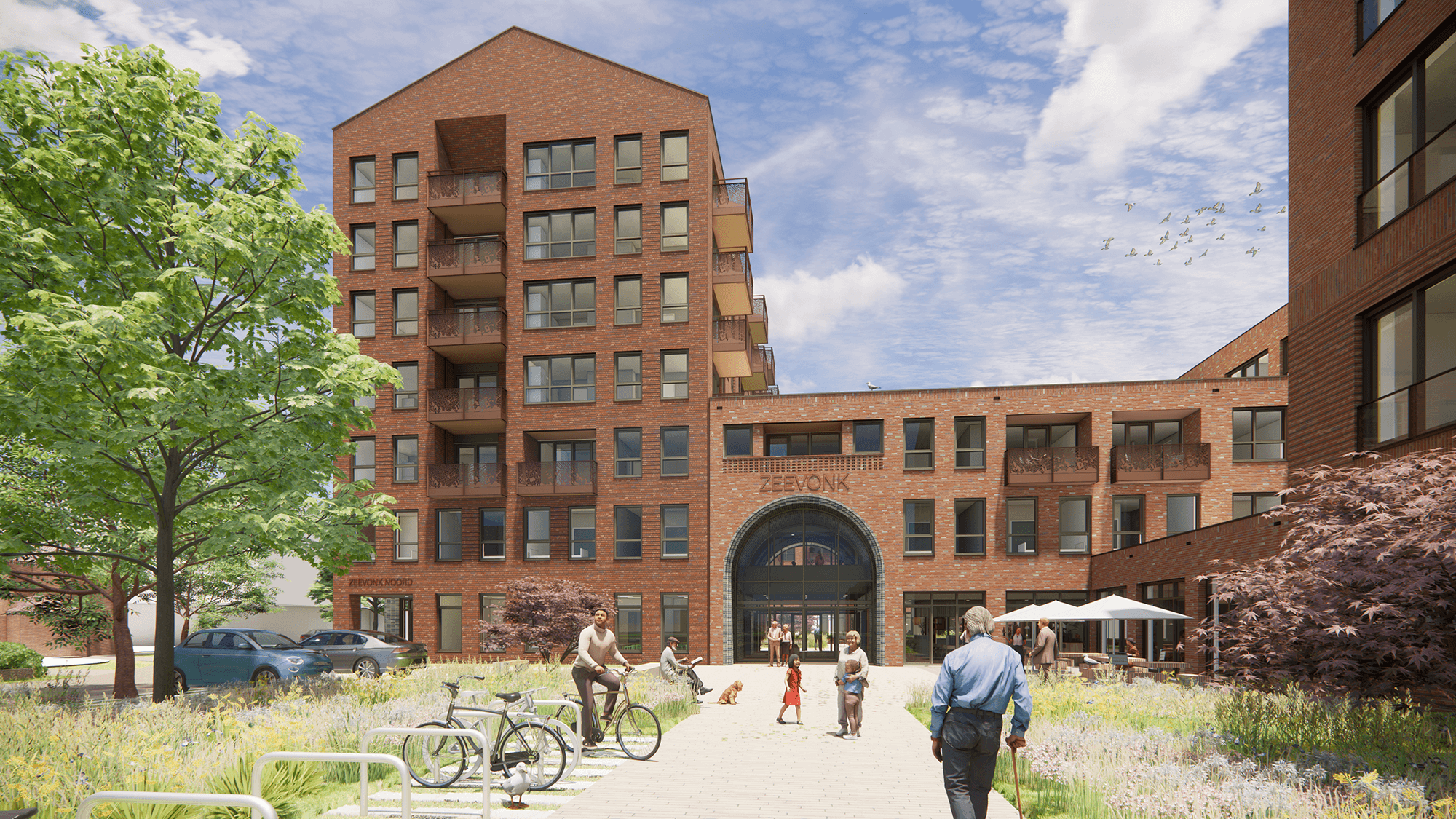
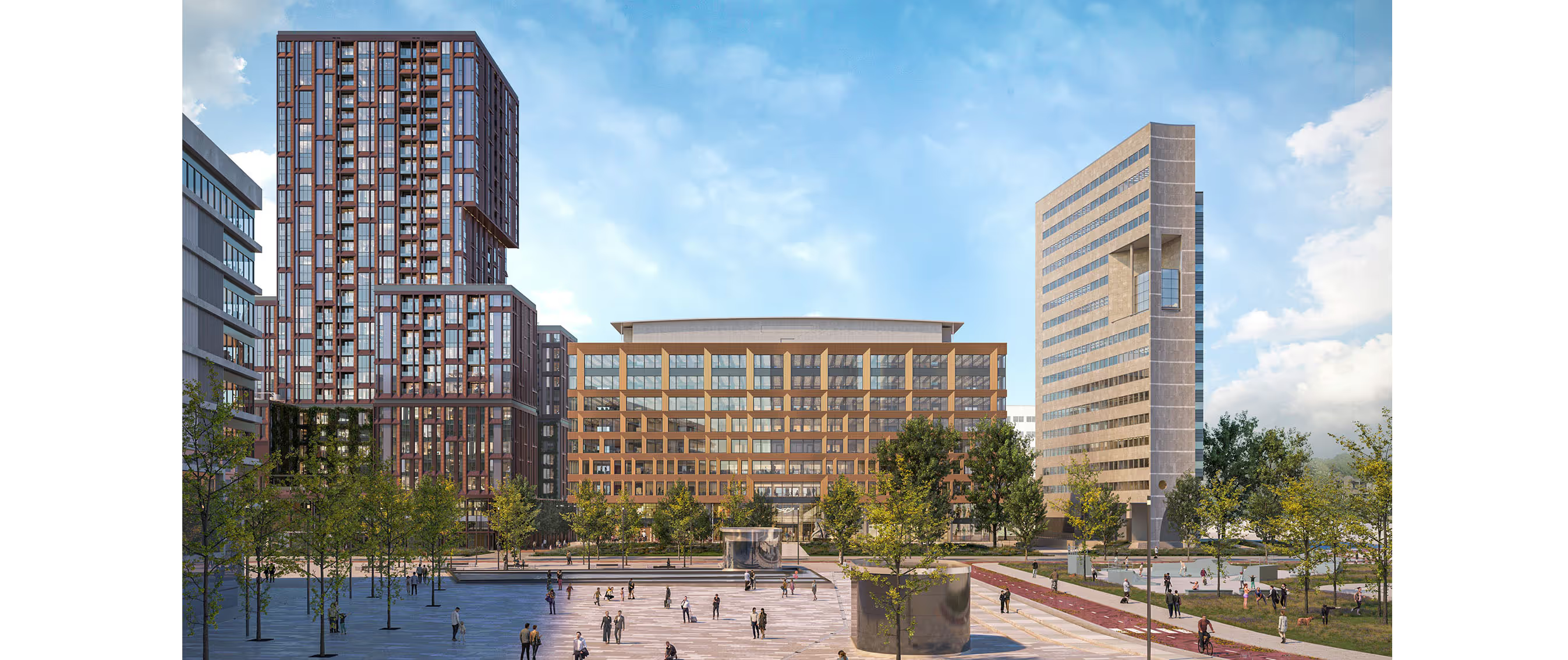
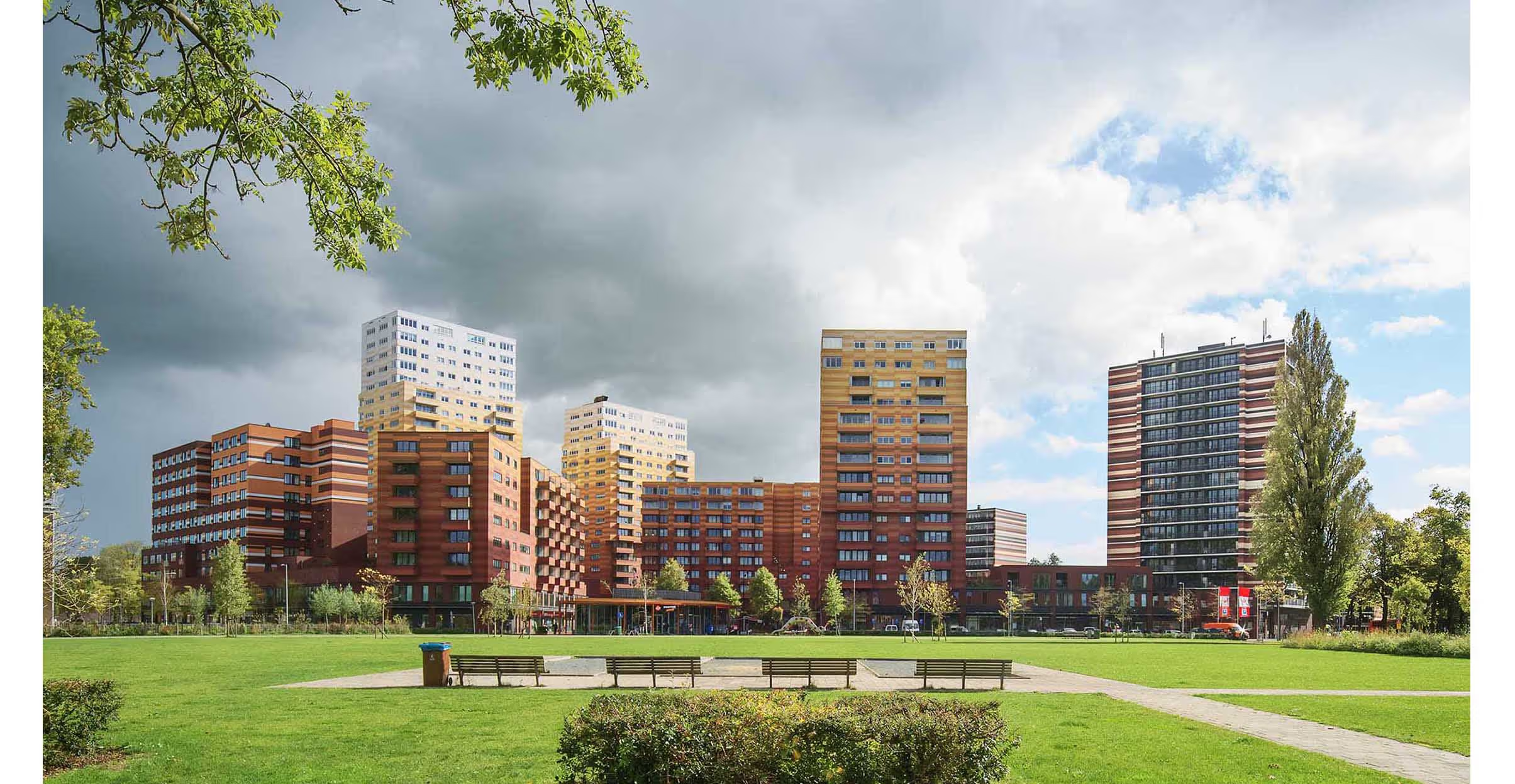
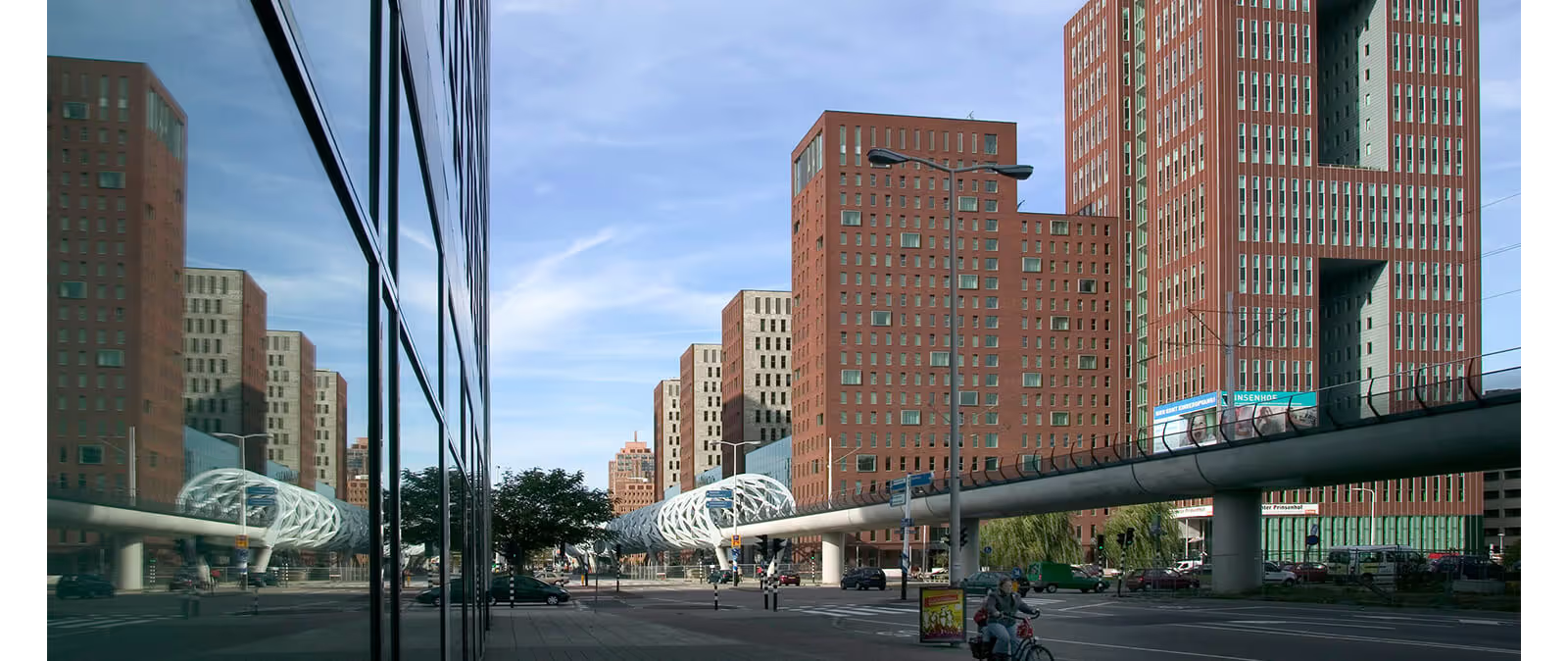
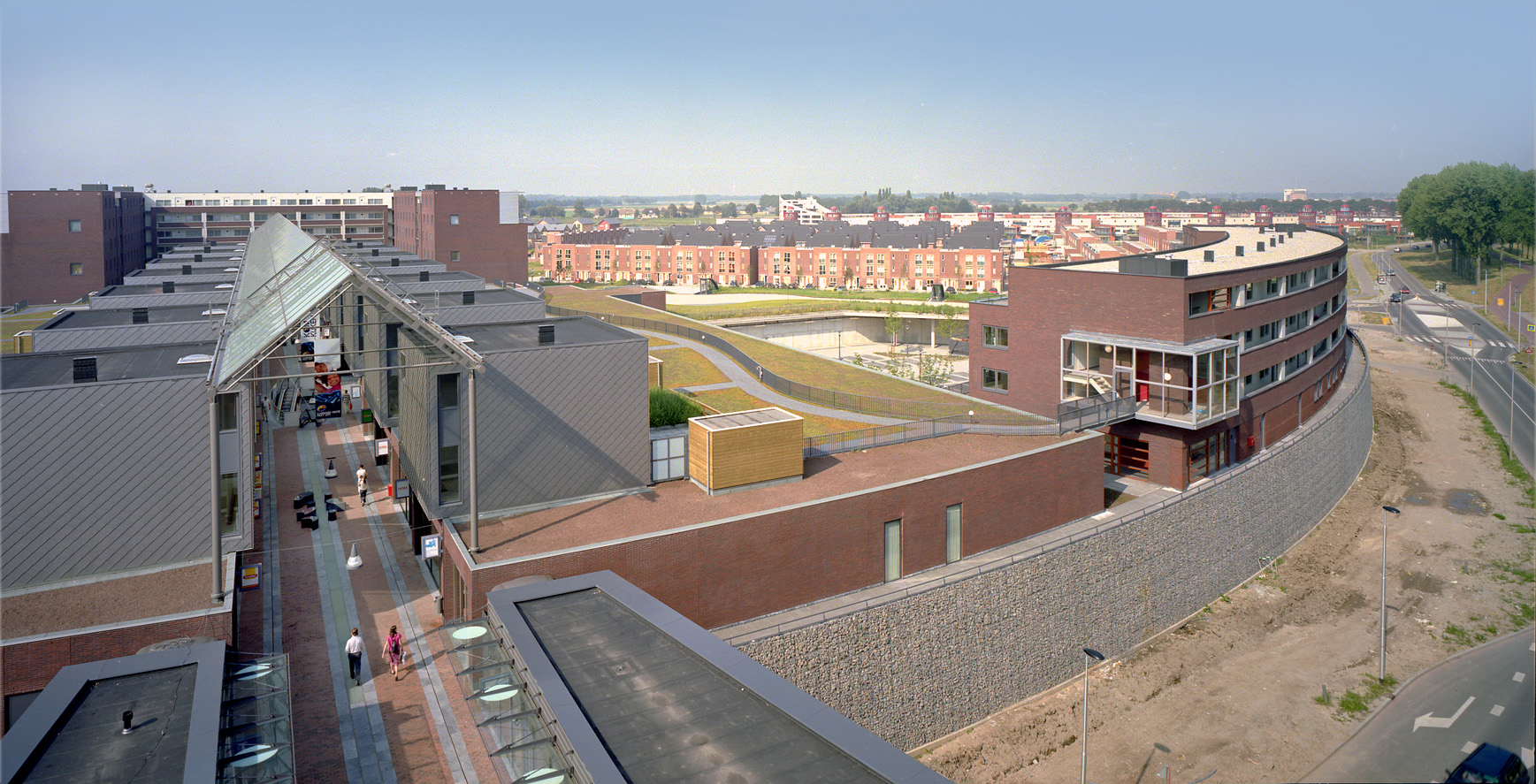
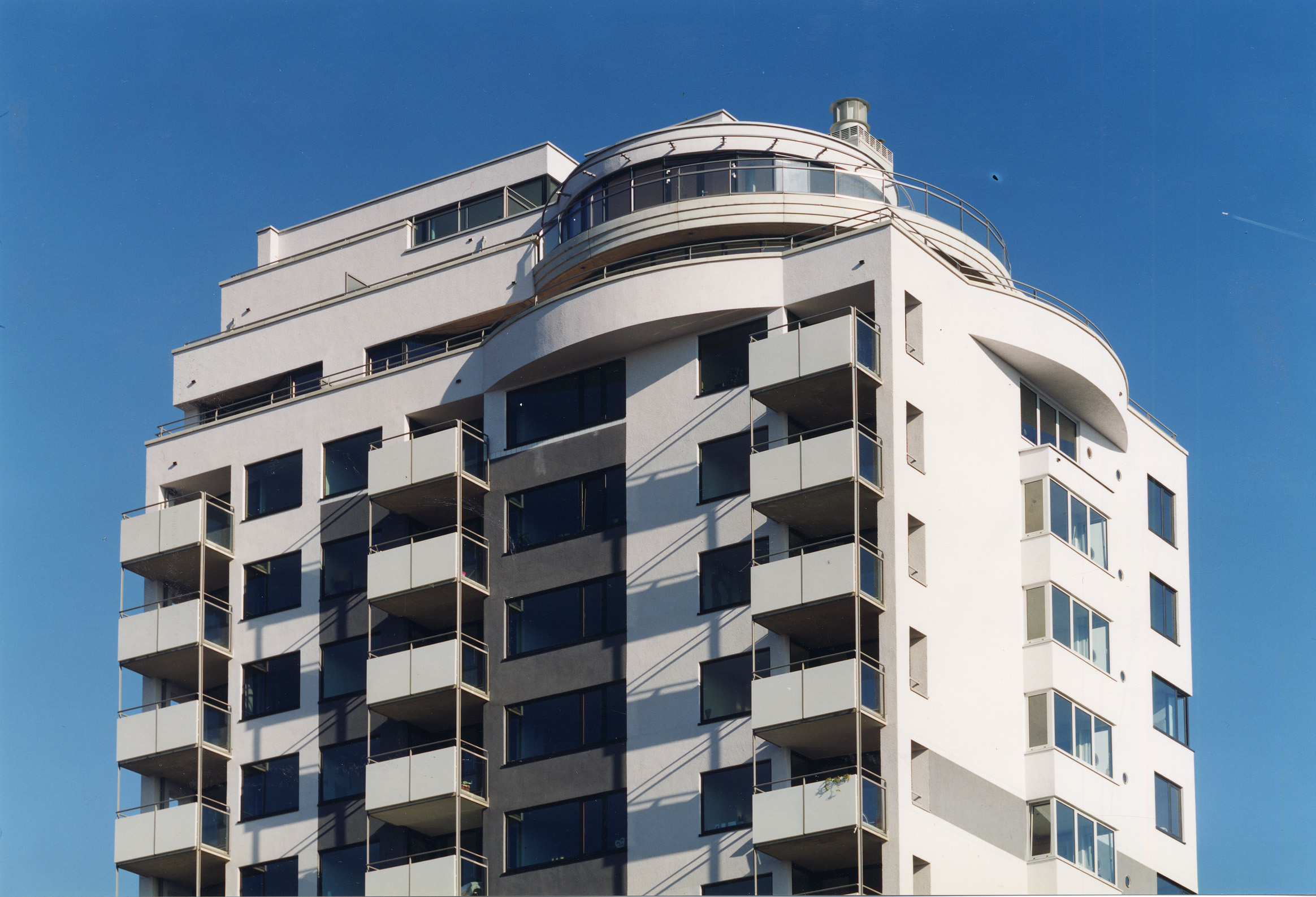
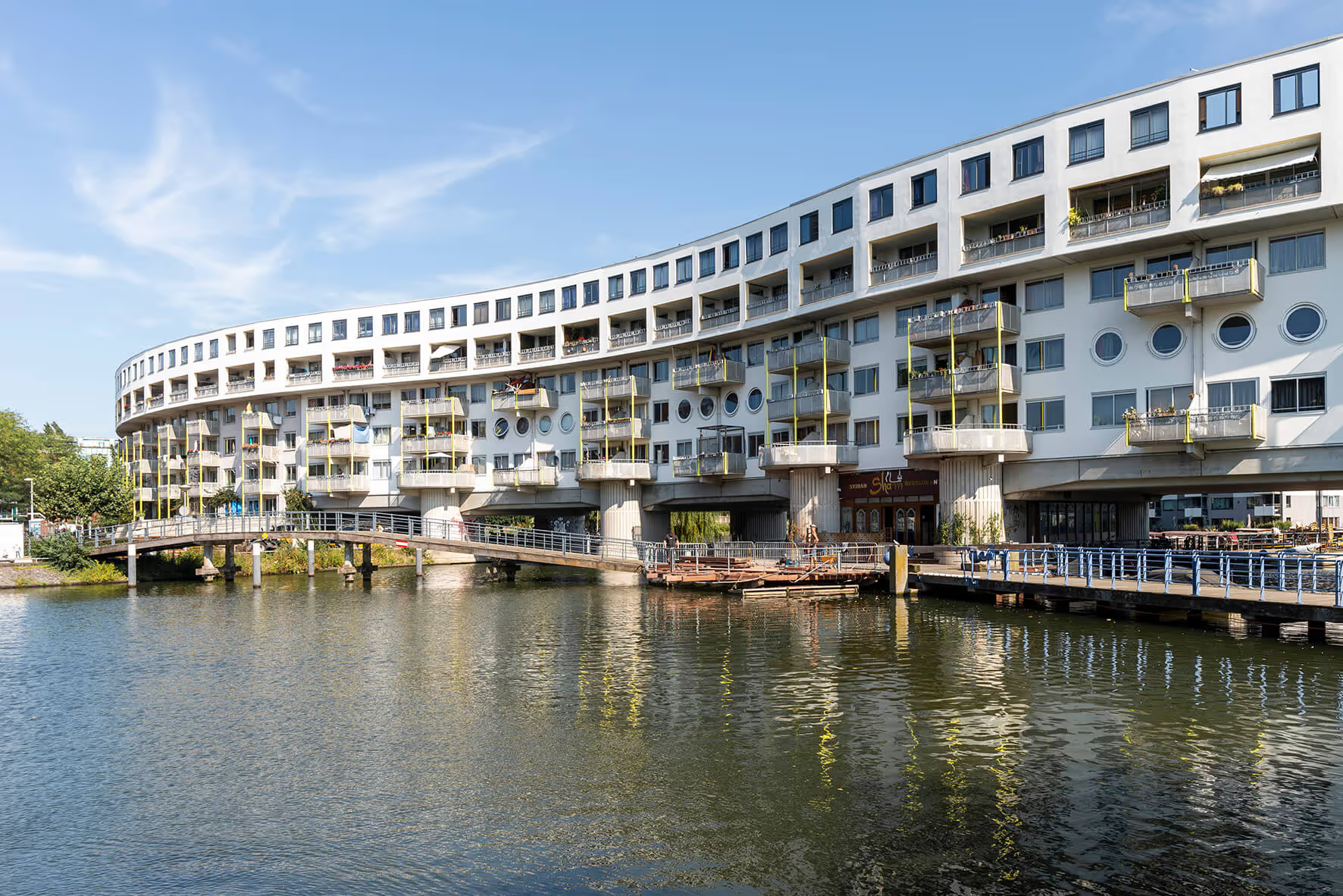
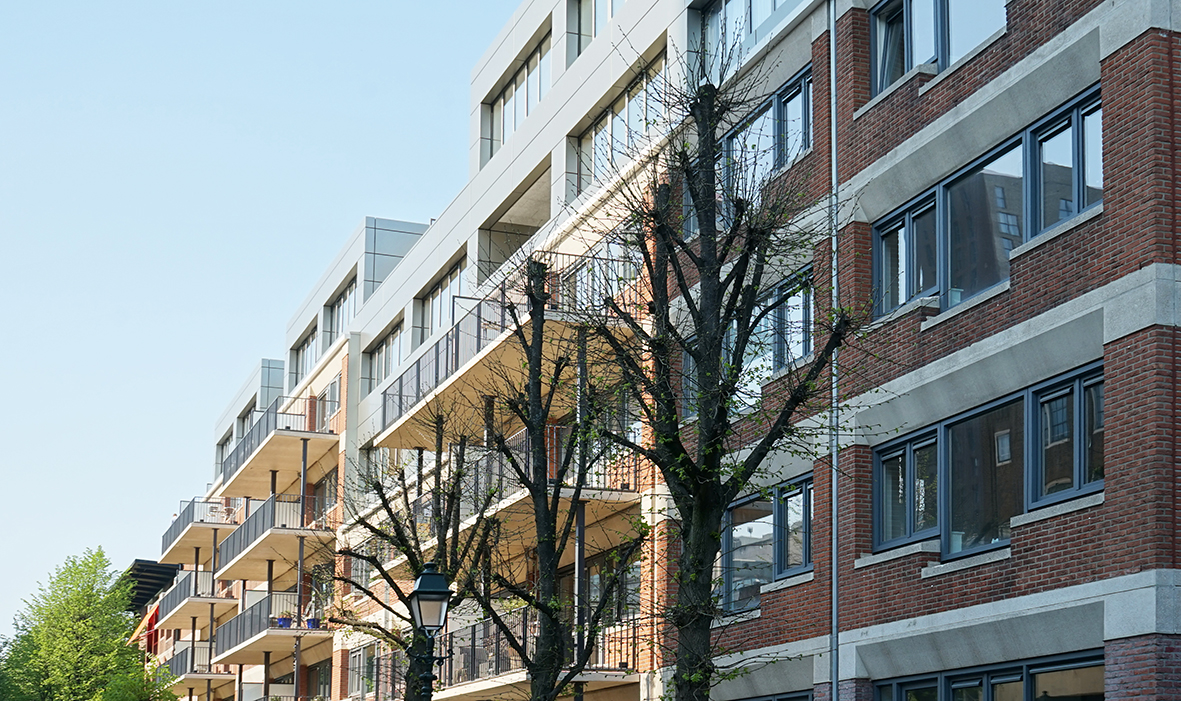
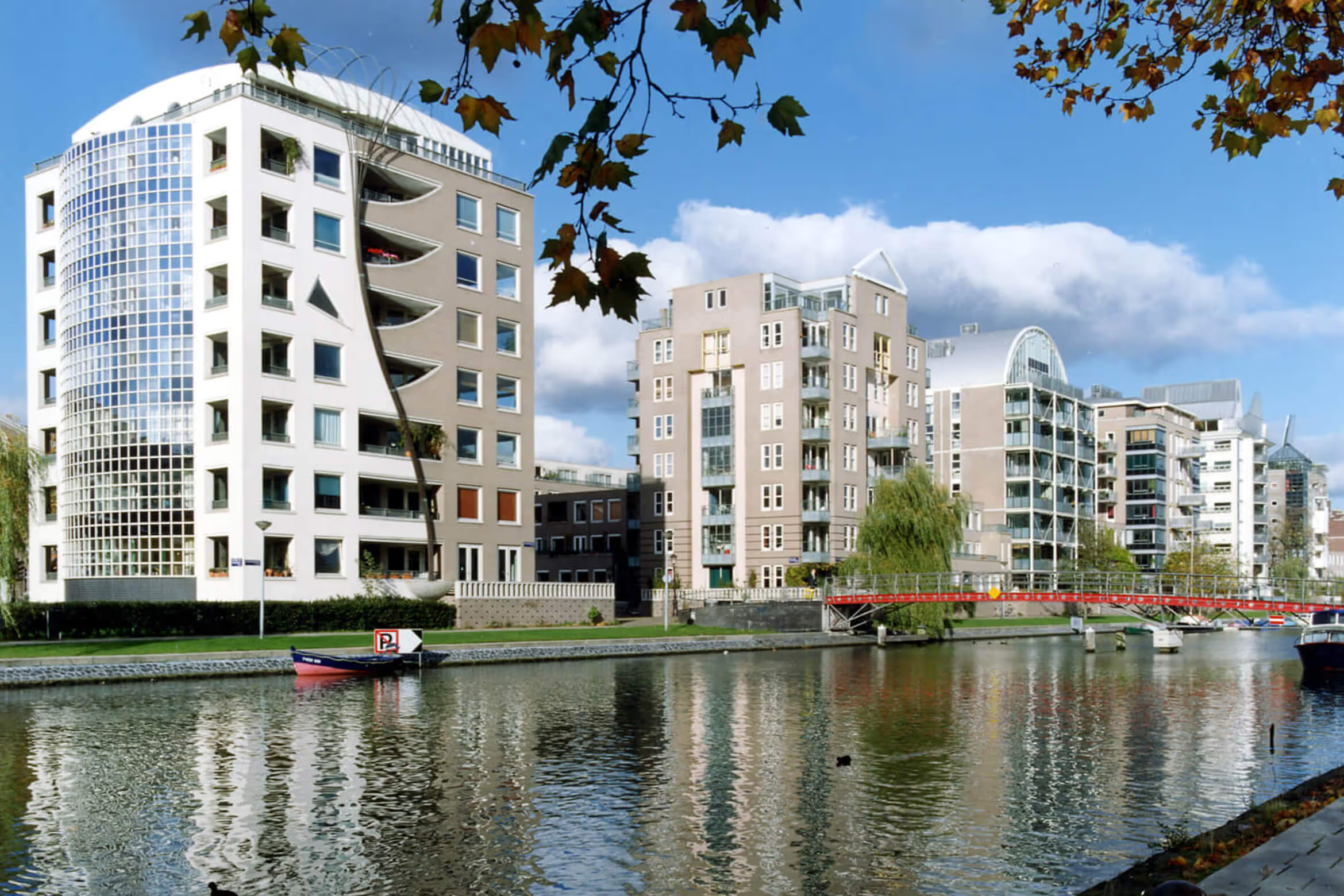
In addition to the six towers, the plan also includes three different building forms: the arch, the square and the block. Two of the towers are separate, the others are, as it were, on the low-rise. In addition, it is deliberately not the two towers along the central axis that are highest, but rather the towers on the partially built-up side axis. The different house plans and the very diverse (Amsterdam) sources of inspiration provide variation in the facades of the towers - which, due to their size and use of materials, are nevertheless a compositional unit.