Saffier visual quality plan
Saffier visual quality plan
Saffier visual quality plan
Future vision for elderly housing

De Baton
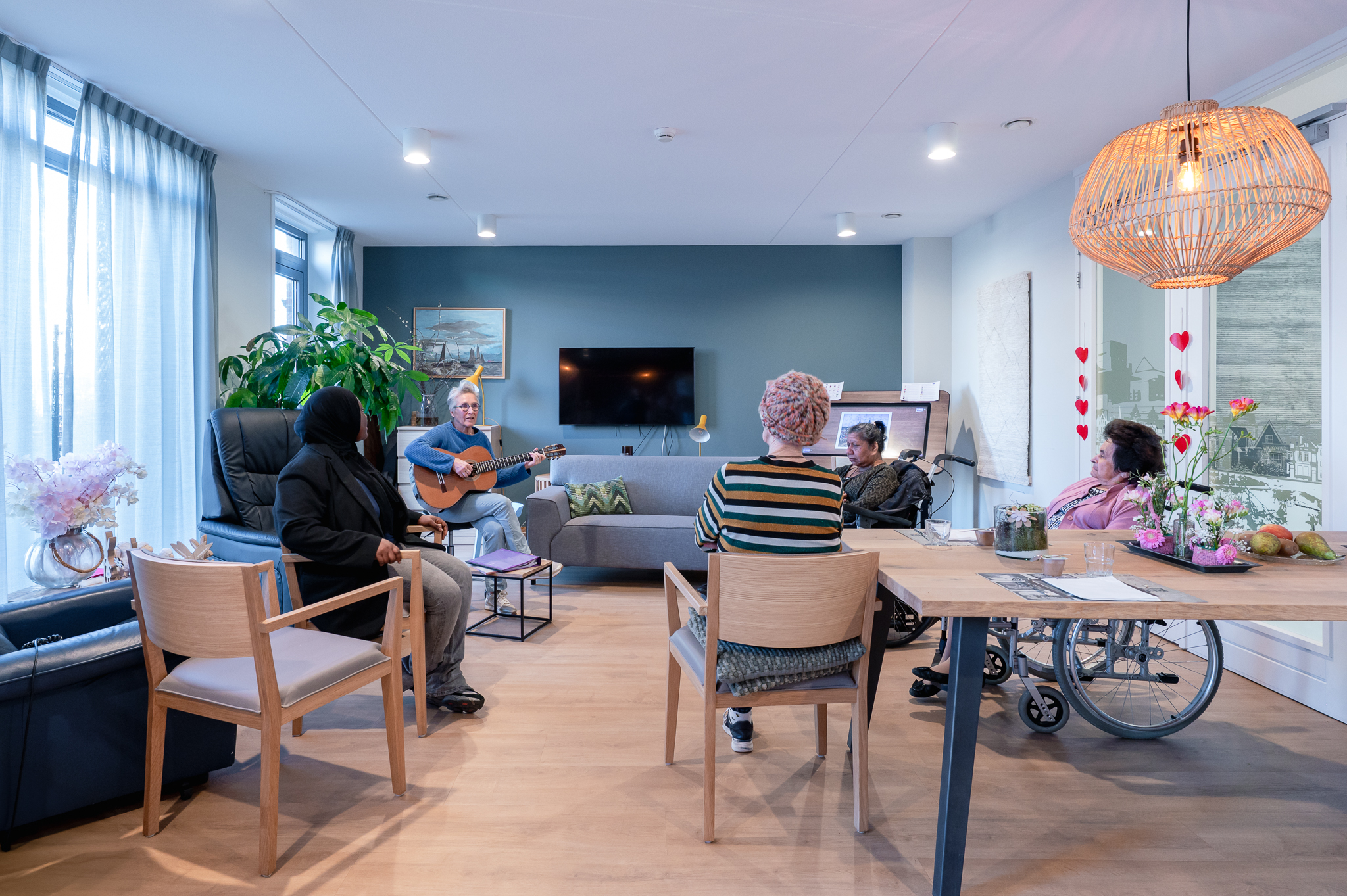
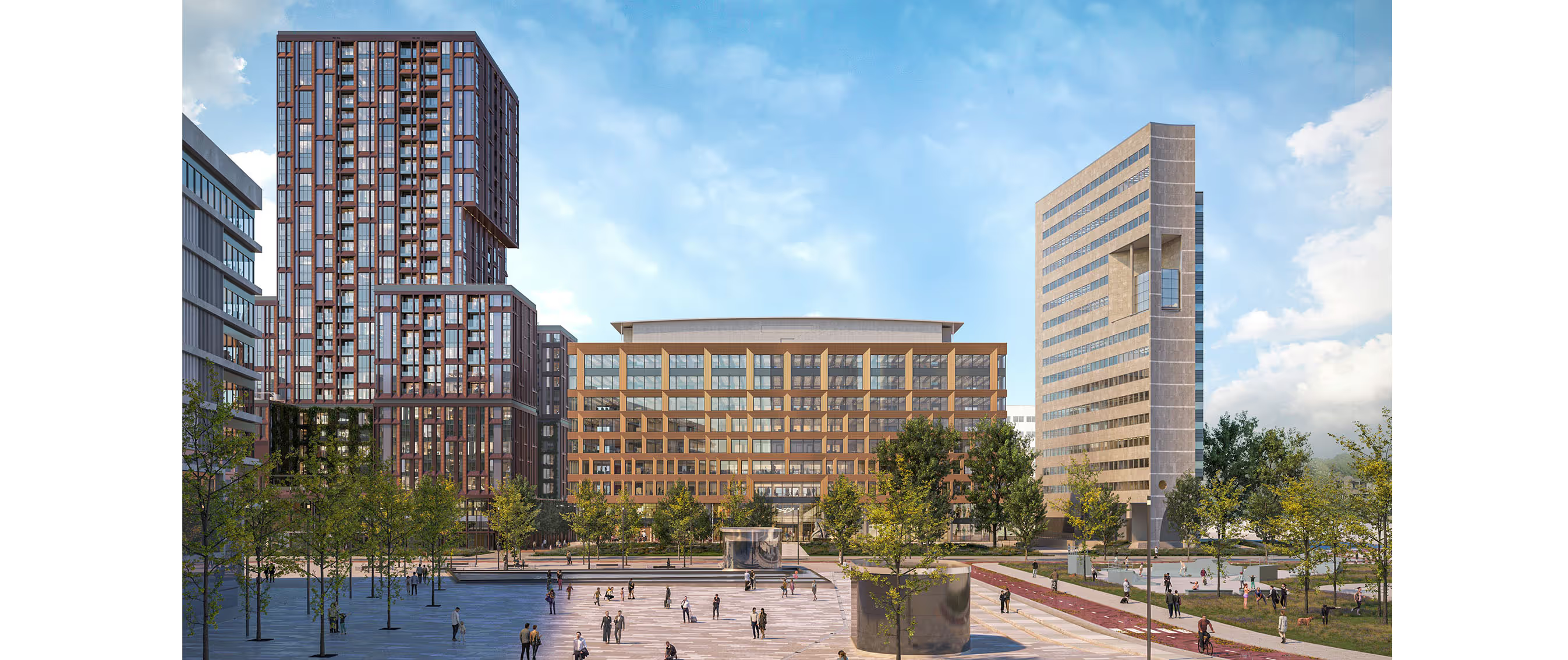
Four years ago, we developed a vision for Saffier on how residential care facilities could be designed differently—with a focus on both residents and staff, and based on one key principle: creating an environment where people feel comfortable, welcome, and at home. We did this for a complex that was yet to be built at the time, called Maestro. Within this complex, we have now completed the pilot project De Baton.
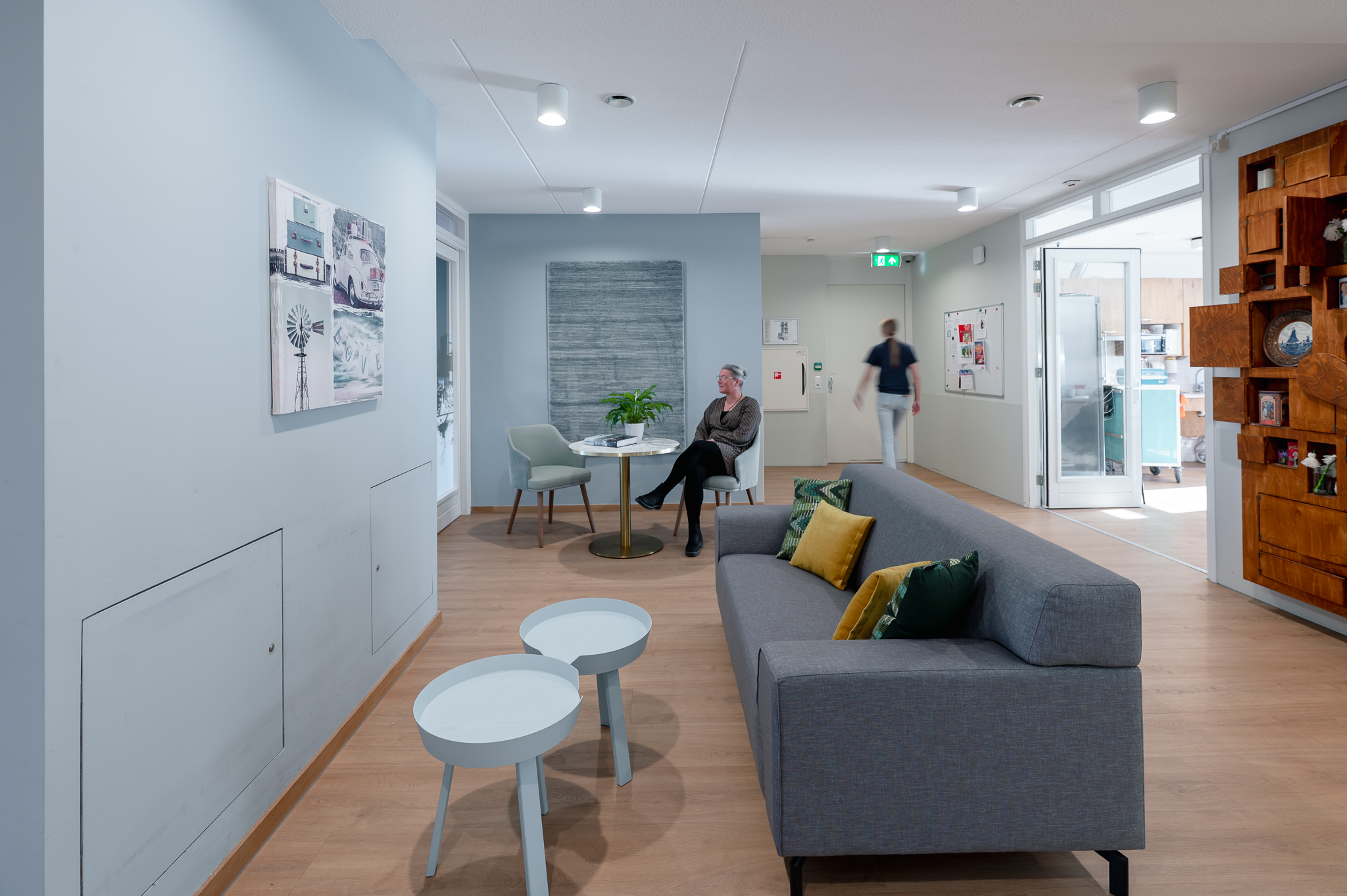
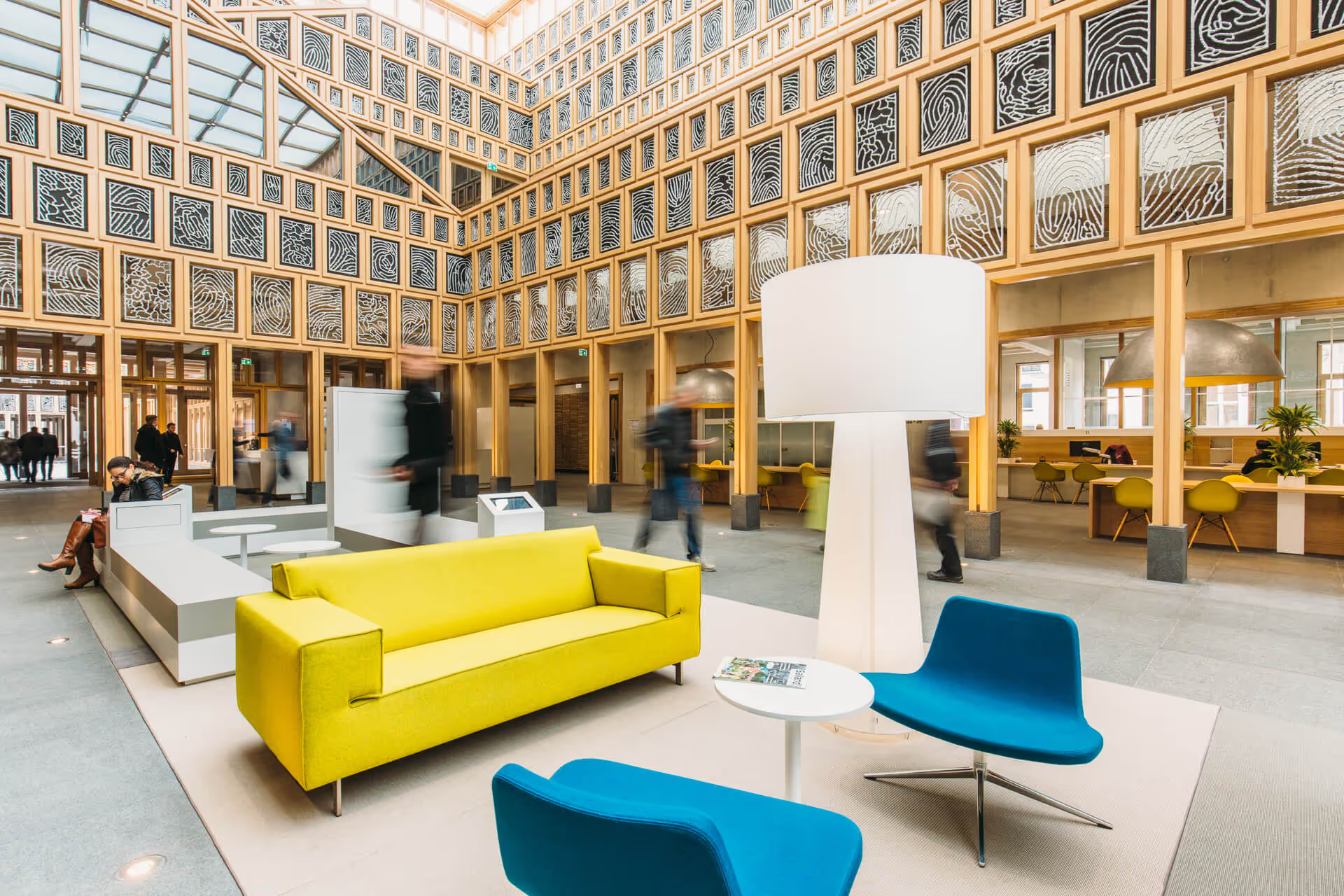
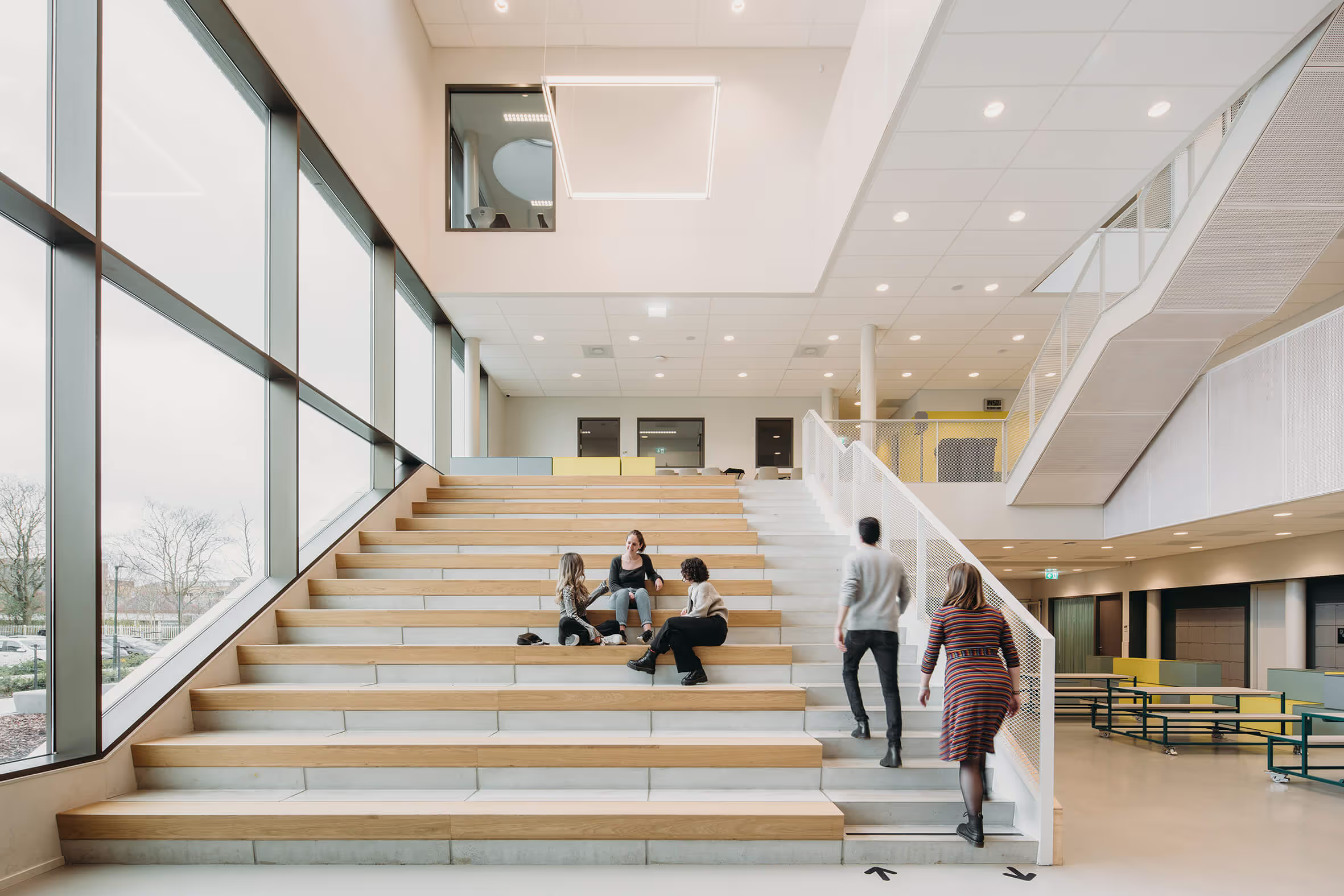
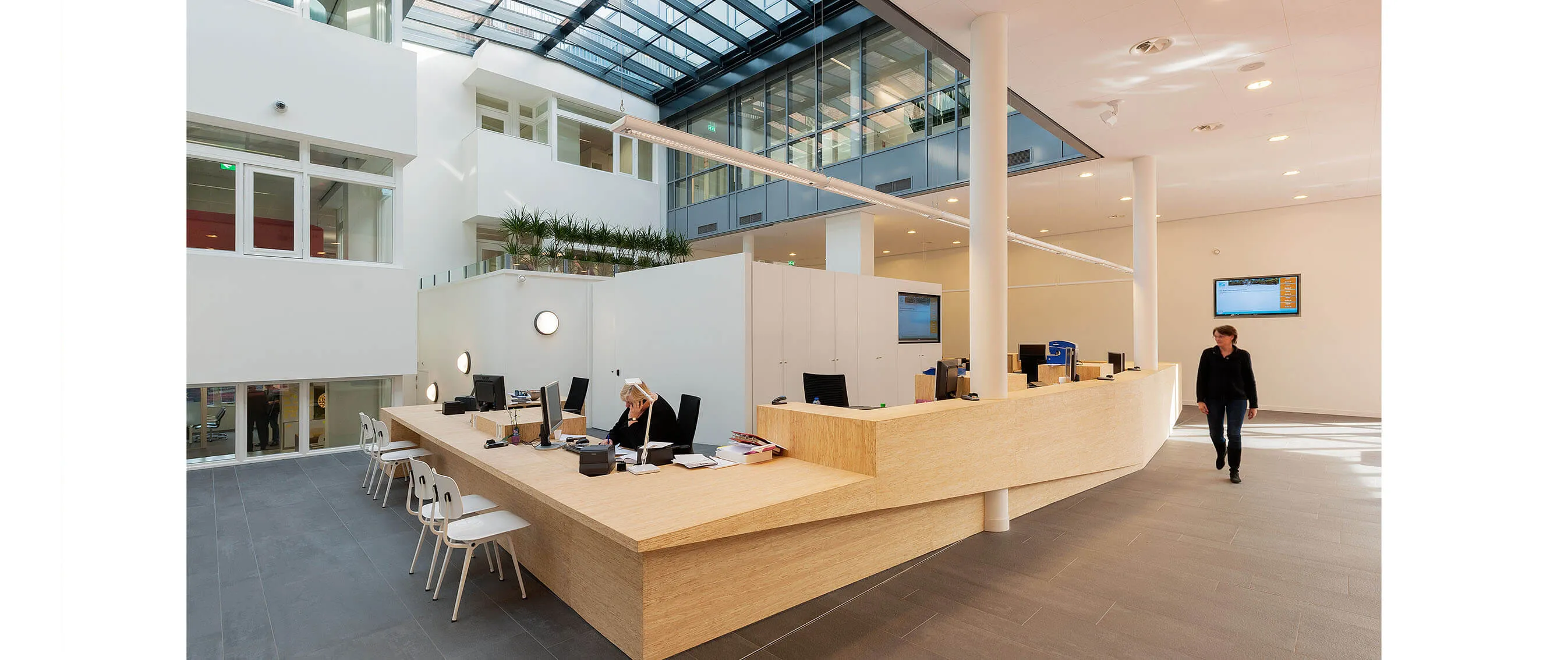
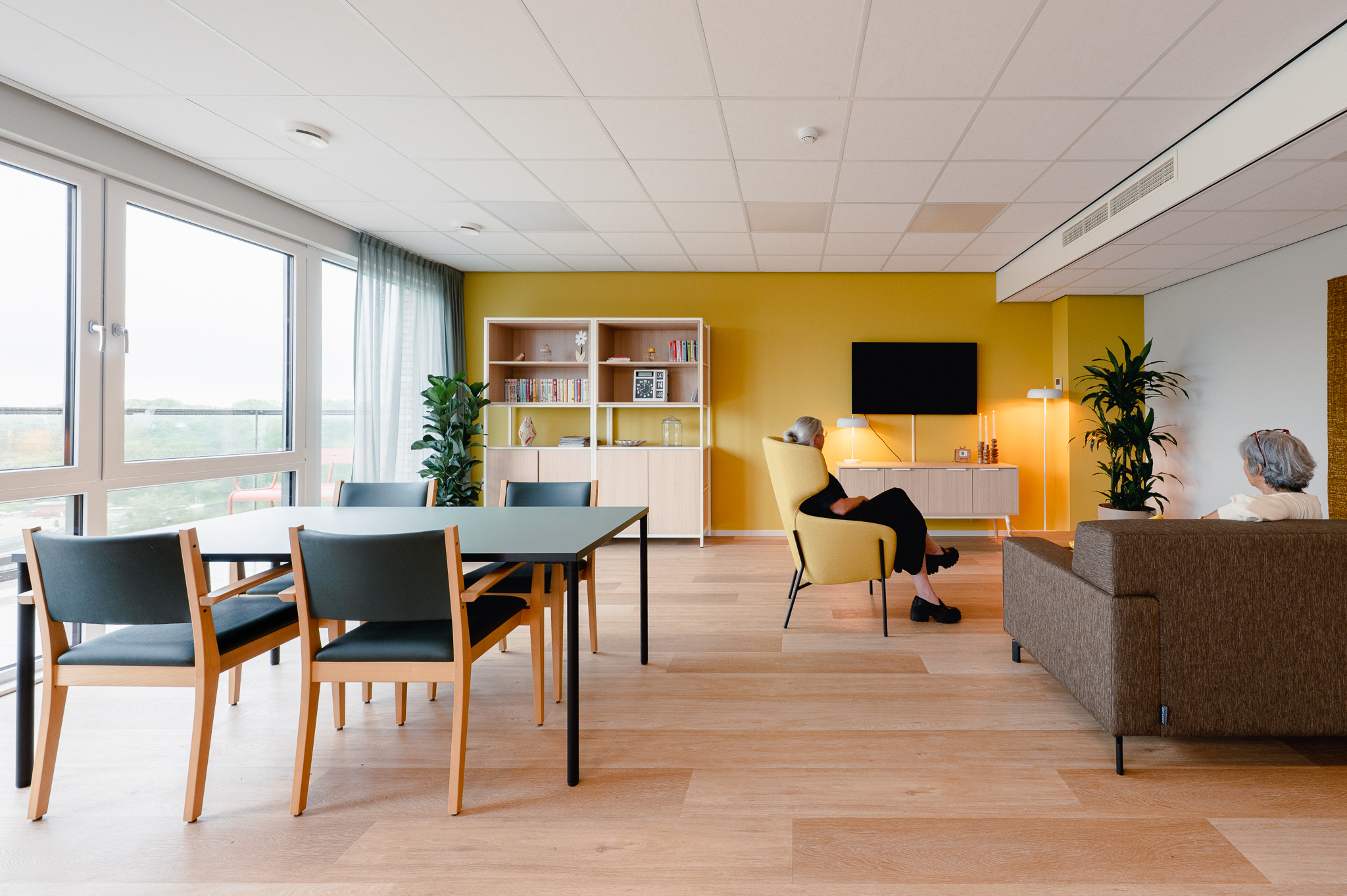
For the new KOW building, Atelier PRO designed the interior and carried out several architectural interventions. By opening up spaces and improving connections throughout the building, we created an environment that encourages interaction. This aligns with Saffier’s vision of connecting not only with its residents but also with the surrounding neighbourhood. As such, De Baton is more than a residential care facility: it also includes a restaurant, physiotherapy practice, hair salon, open-plan office space and workplaces on the residential floors, creating opportunities for people and activities to come together.
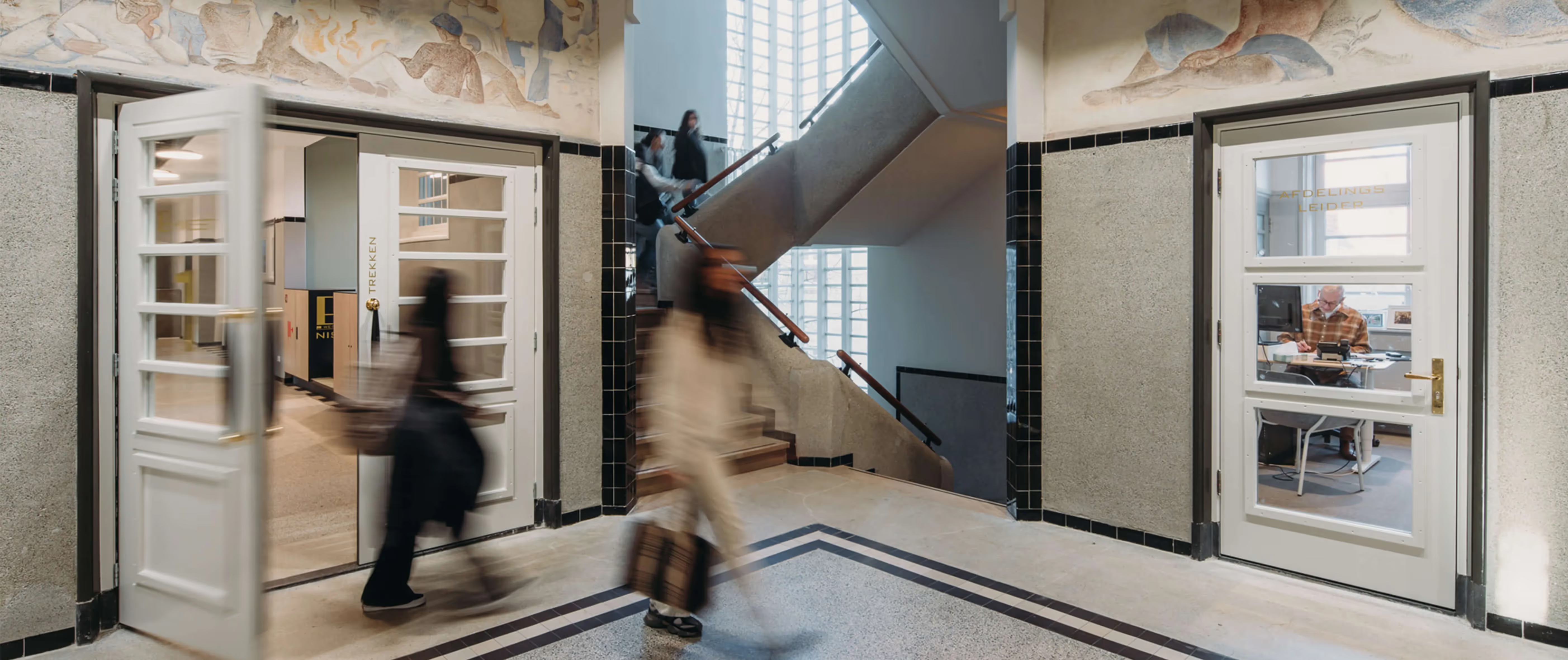
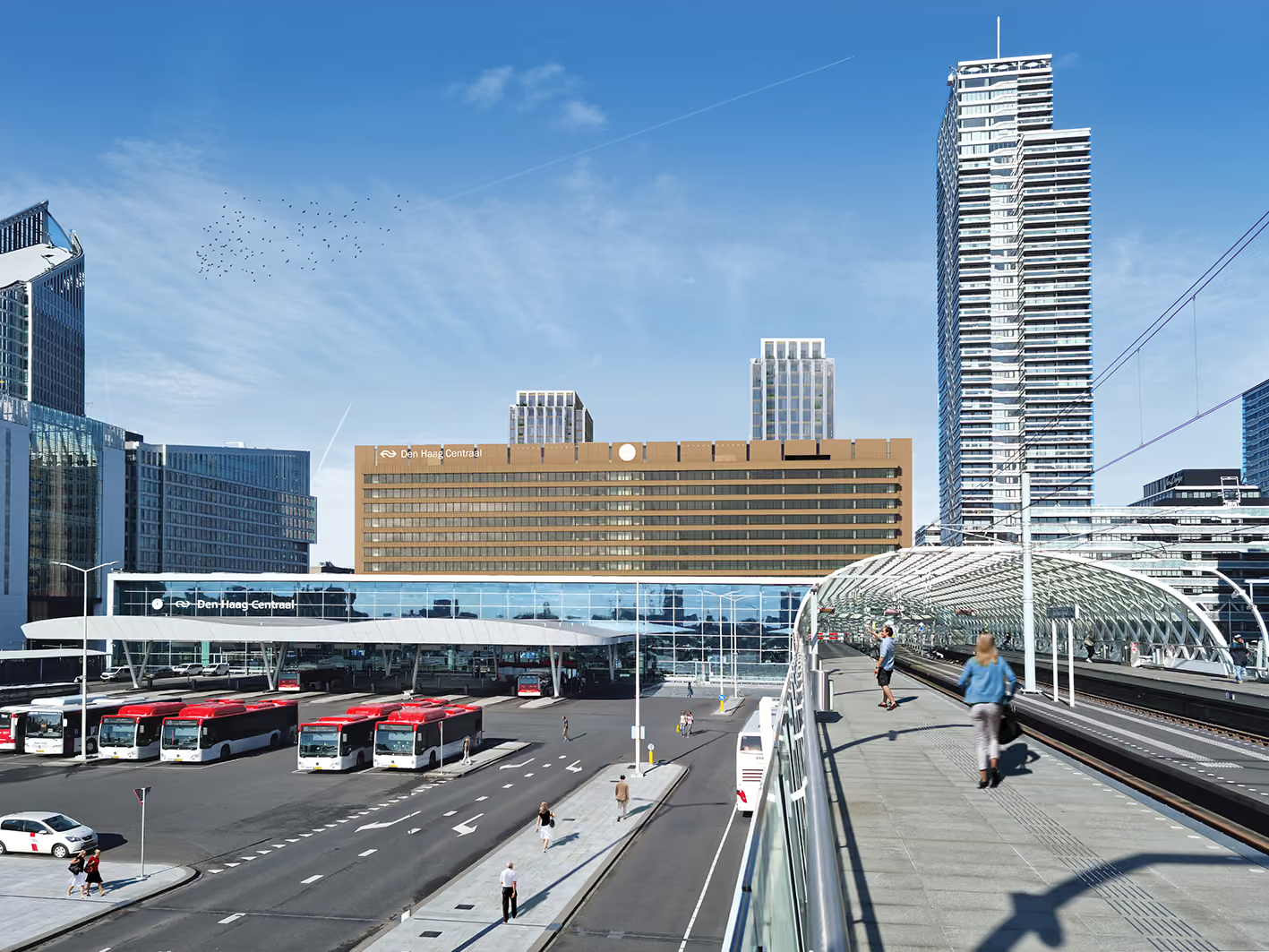
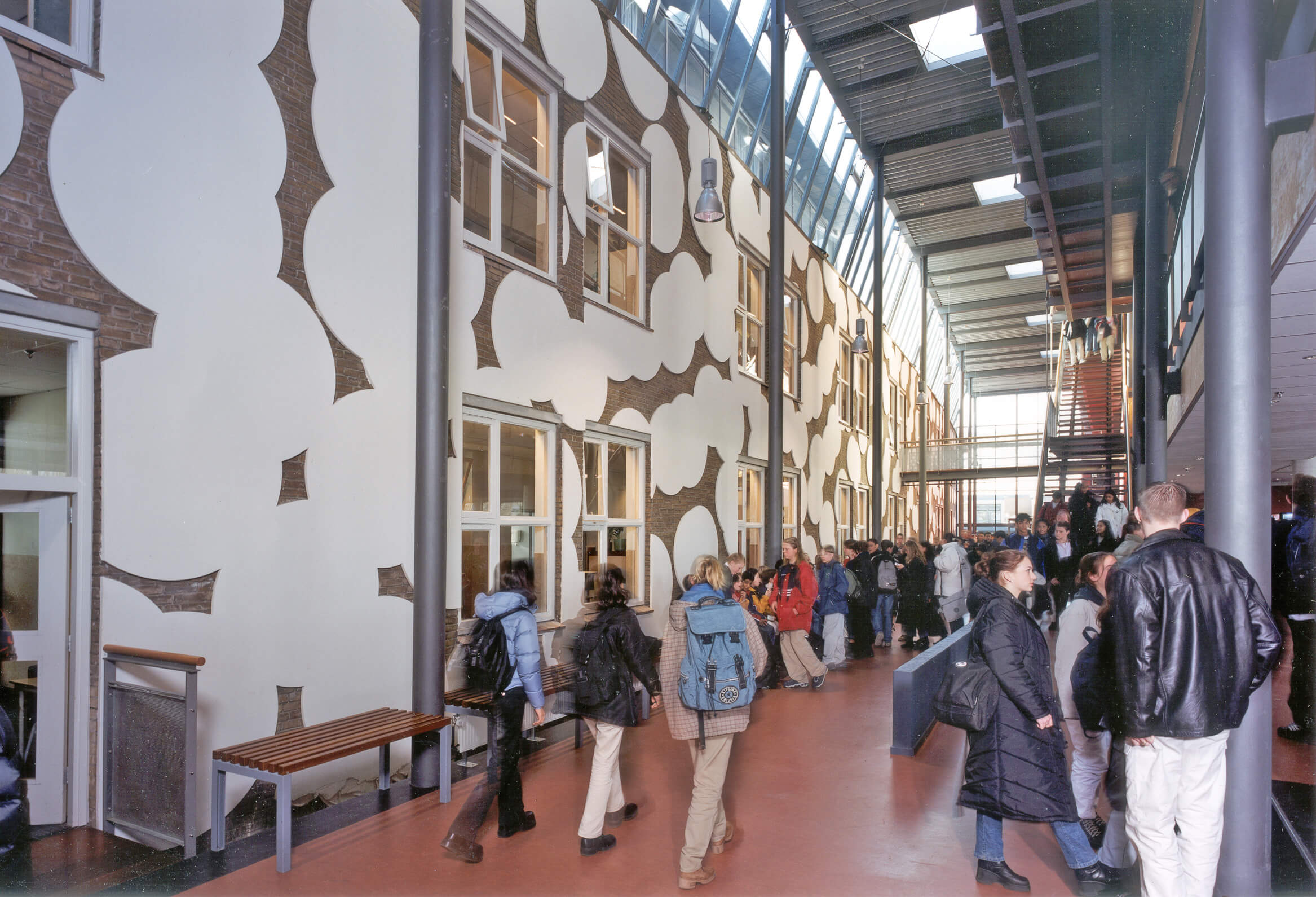
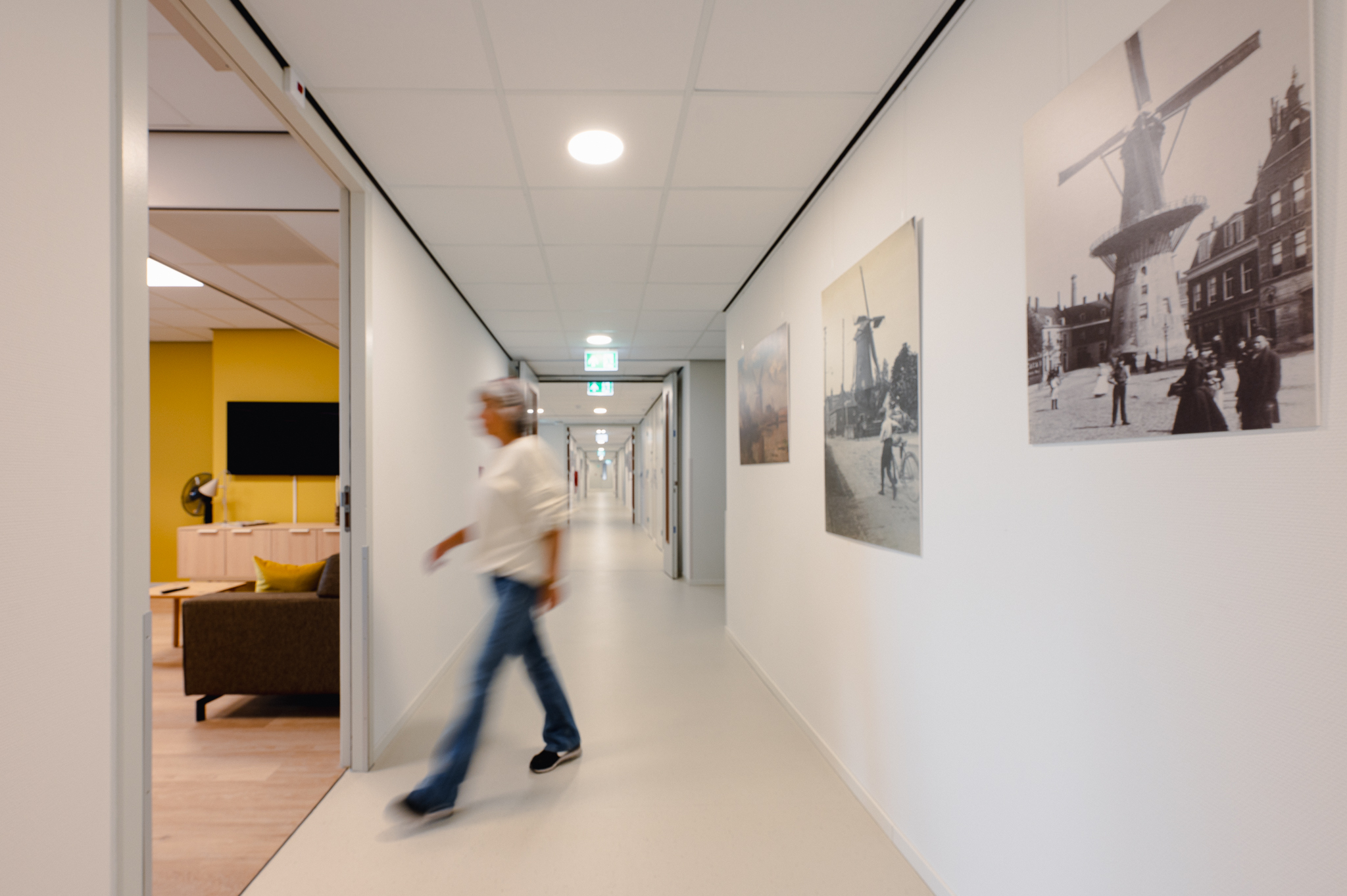
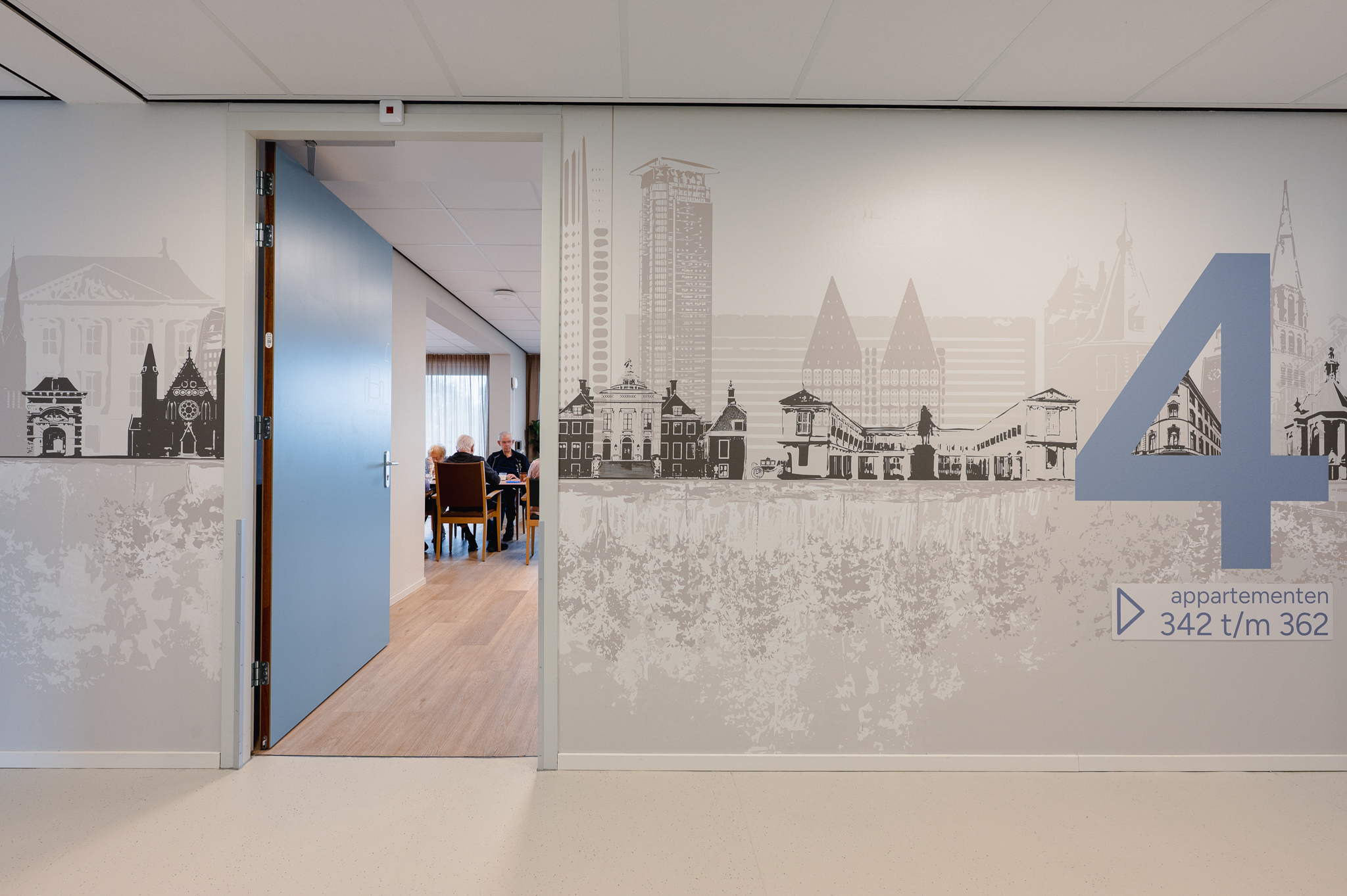
We used materials, color, and lighting to create atmosphere in the building. The signage and wall treatments reference The Hague, with the city’s skyline as a recurring panorama throughout the building. We also deliberately chose landmarks from the immediate vicinity more often. Not only to aid orientation, but also to give residents a sense of their own surroundings and history. Furthermore, each floor features an exhibition centered on a recognizable theme. Together, they form a sort of “path home.”
And that’s when you realize why these kinds of choices matter: an elderly resident who was initially completely withdrawn has now truly blossomed—he goes to the restaurant on his own, strikes up conversations, and even ventures out into the neighborhood. It shows just how much the environment influences people’s well-being. And if, as an architect or designer, you can contribute to that, then you know what you’re doing it for.

Design choices: baseline and counterpoints
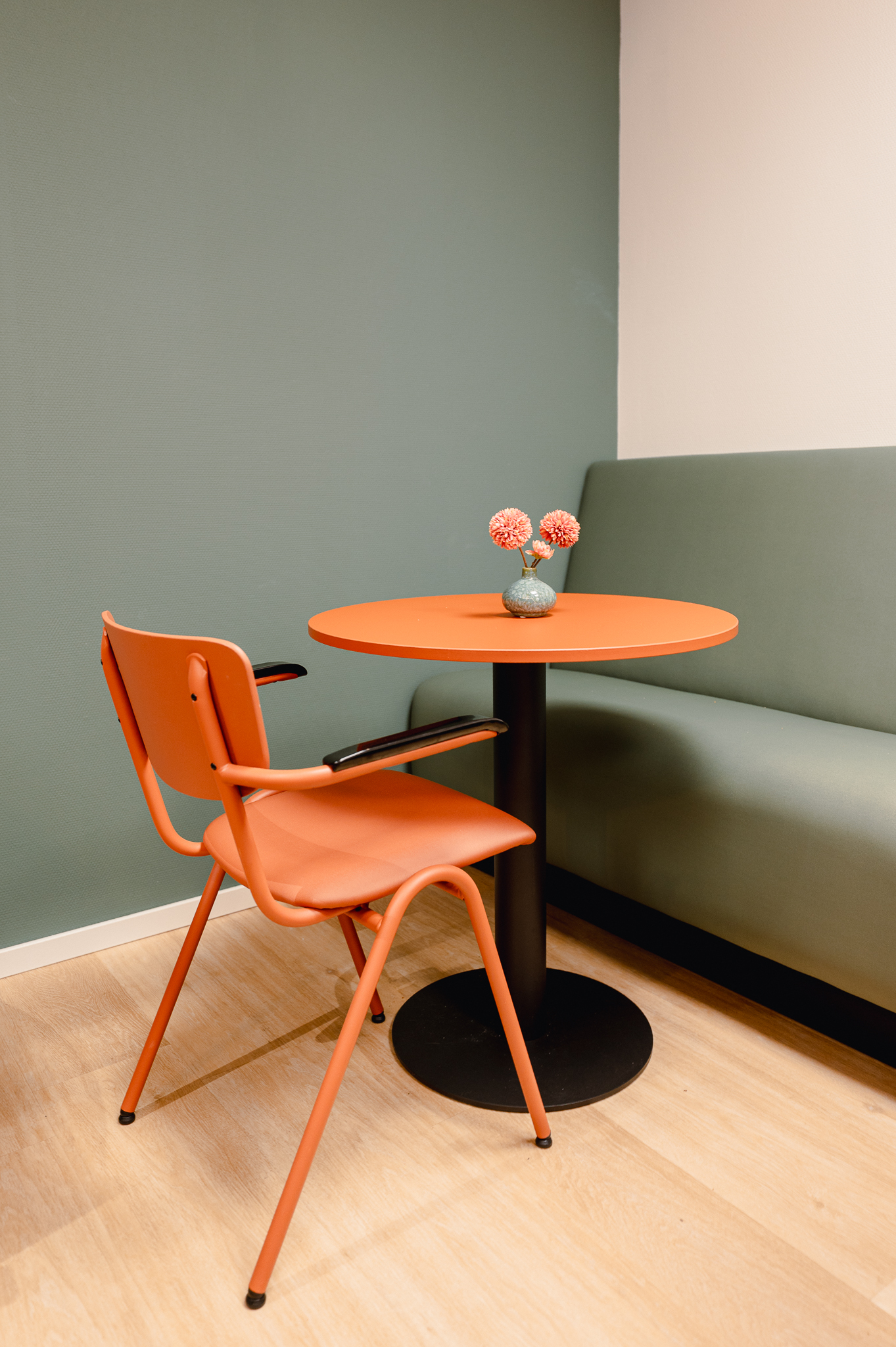
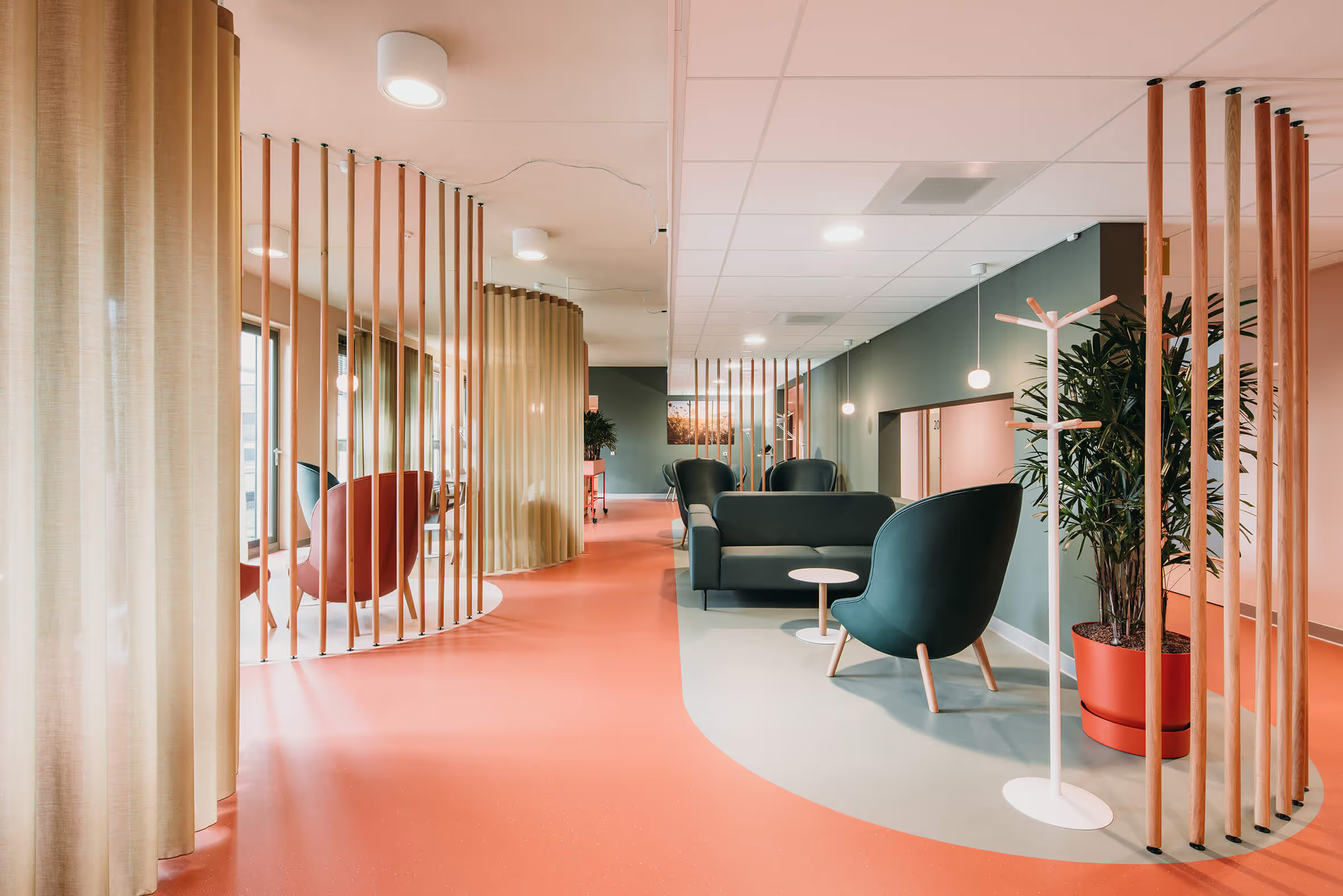
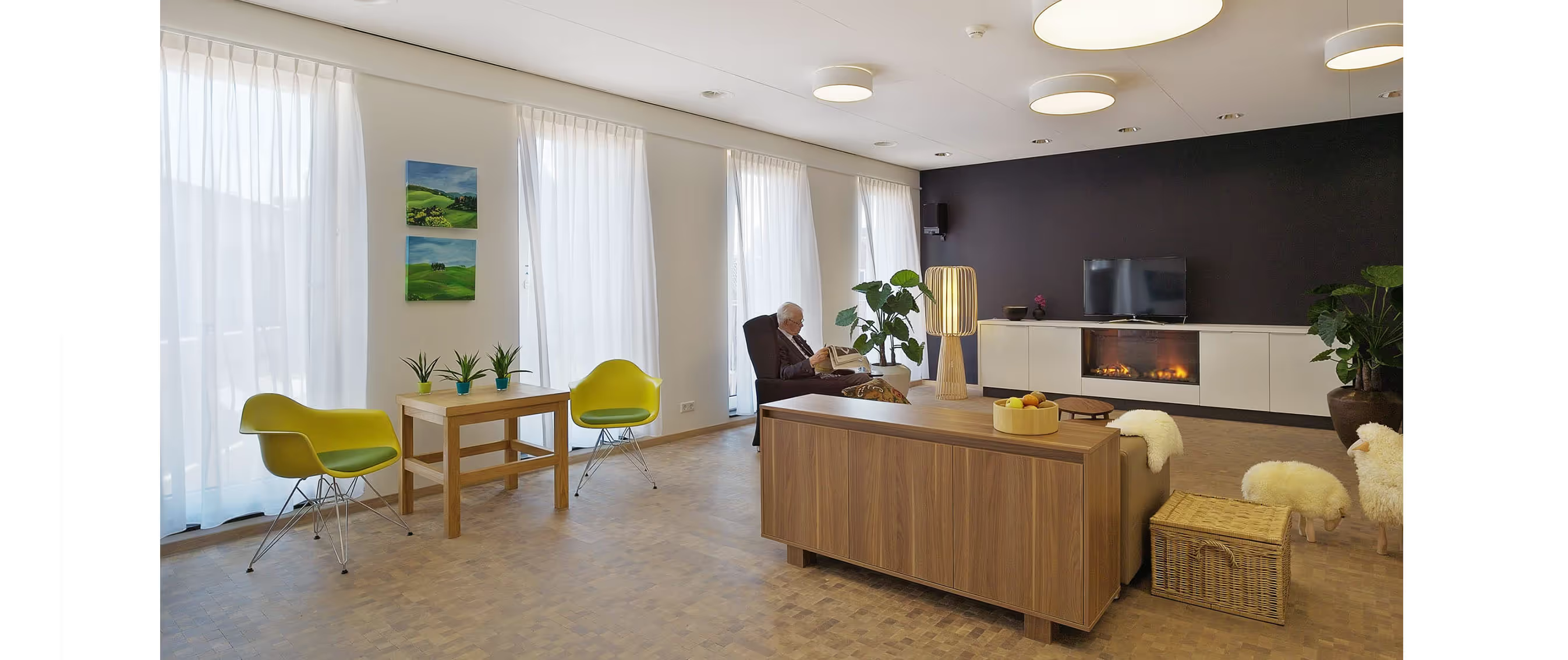
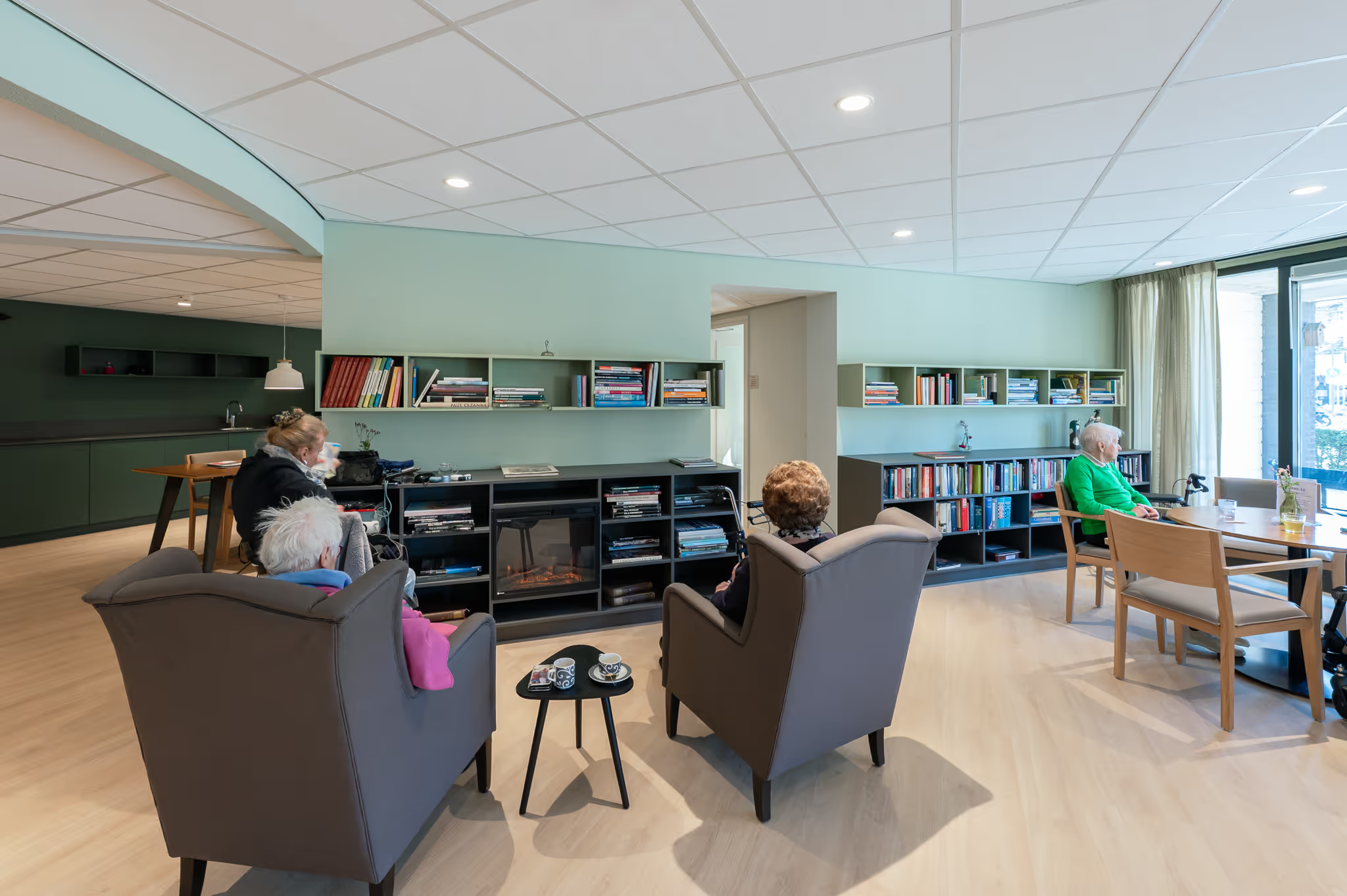
The BKP for Saffier is based on the principles of a healing environment; central to this is a stress-reducing interior that offers tranquility and clarity. It’s also important that this balance be interspersed with spaces that have a more specific look and feel. That is why a calm, warm, and natural Baseline was chosen for the consistent color and material palette—and in particular for those elements that need to last a long time; this not only provides a calm foundation but is also more sustainable. In addition to the Baseline, there are “Contrapoints”—spaces and areas where a distinctive atmosphere is sought. Contrapoints are designed with contemporary accents—sometimes striking, sometimes understated—that are primarily applied to walls and accessories. This makes these Contrapoints easier to adapt—a quick way to give the timeless Baseline a contemporary feel.
Personal Furniture for a sense of home
In addition, there is also space for residents’ own furniture and personal belongings, helping them feel at home more quickly. This is not only an aesthetic choice but also a medical one: for some residents—such as those with dementia—their own belongings provide a sense of calm because they are recognizable and familiar. Residents’ own furniture is used not only in their private living spaces but also in public areas, to give these spaces more character.
Maison Gaspard de Colligny: a care environment, not a care setting
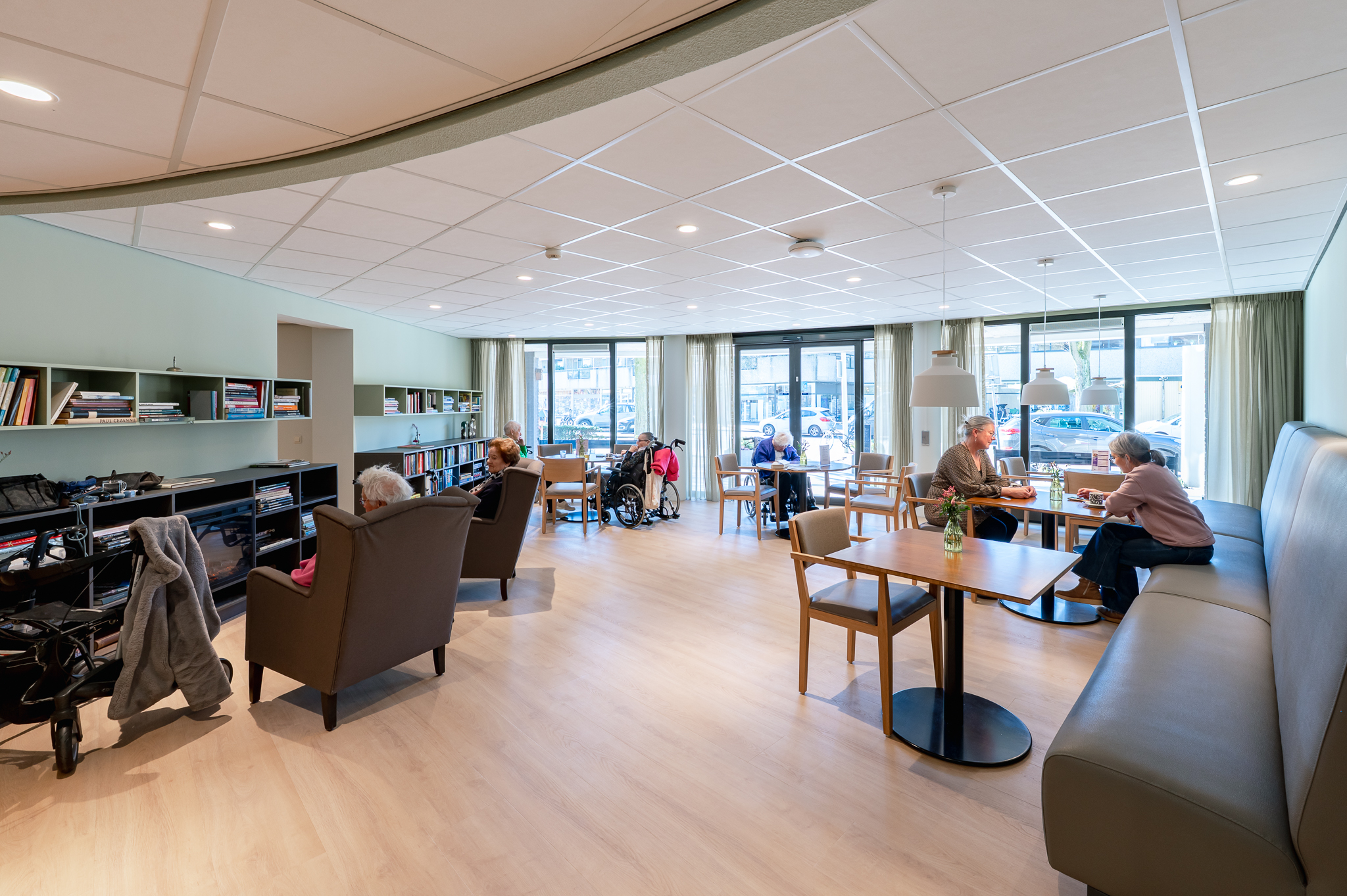
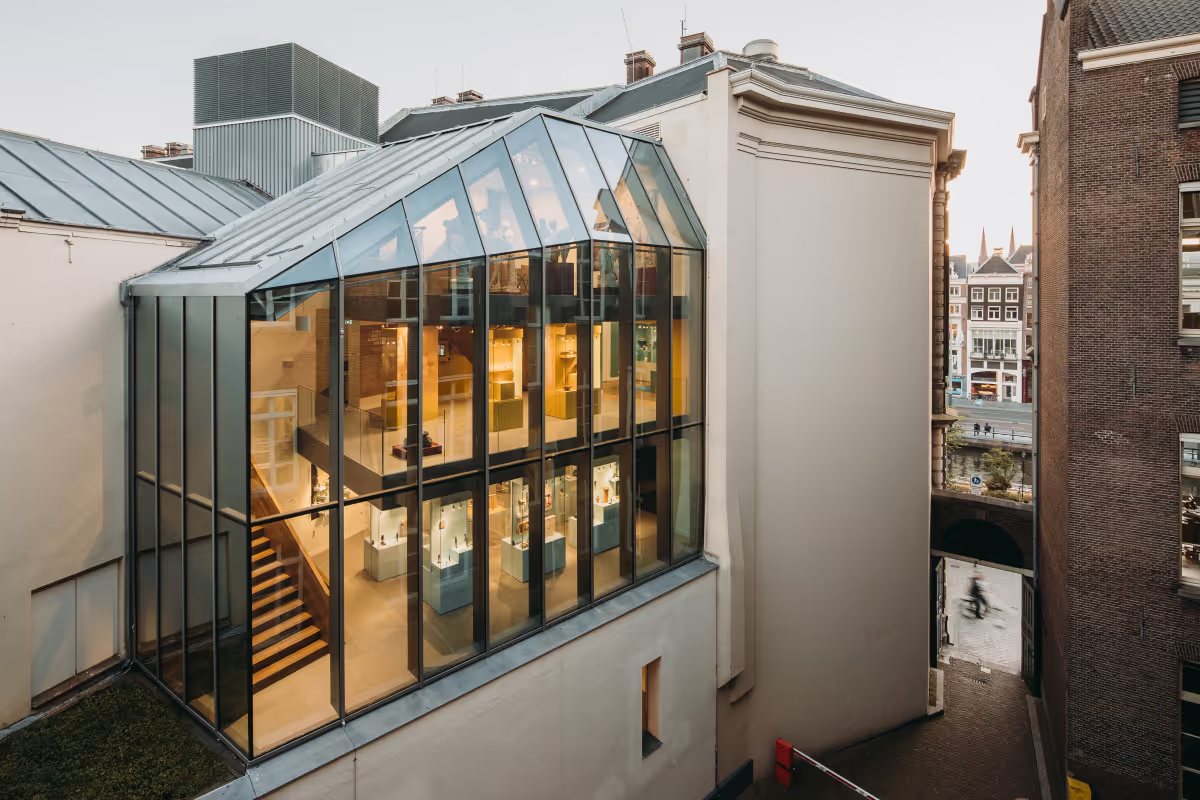
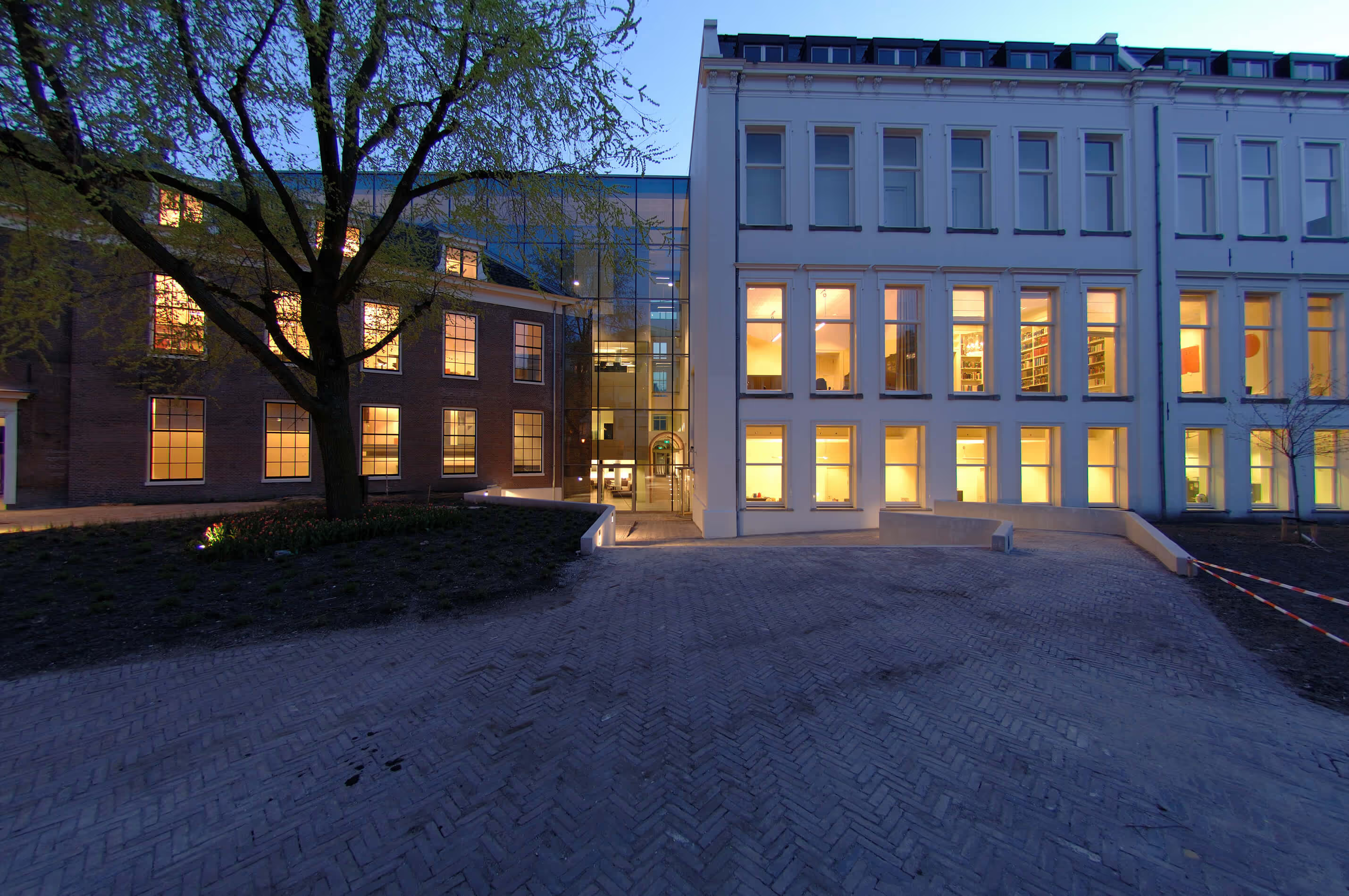
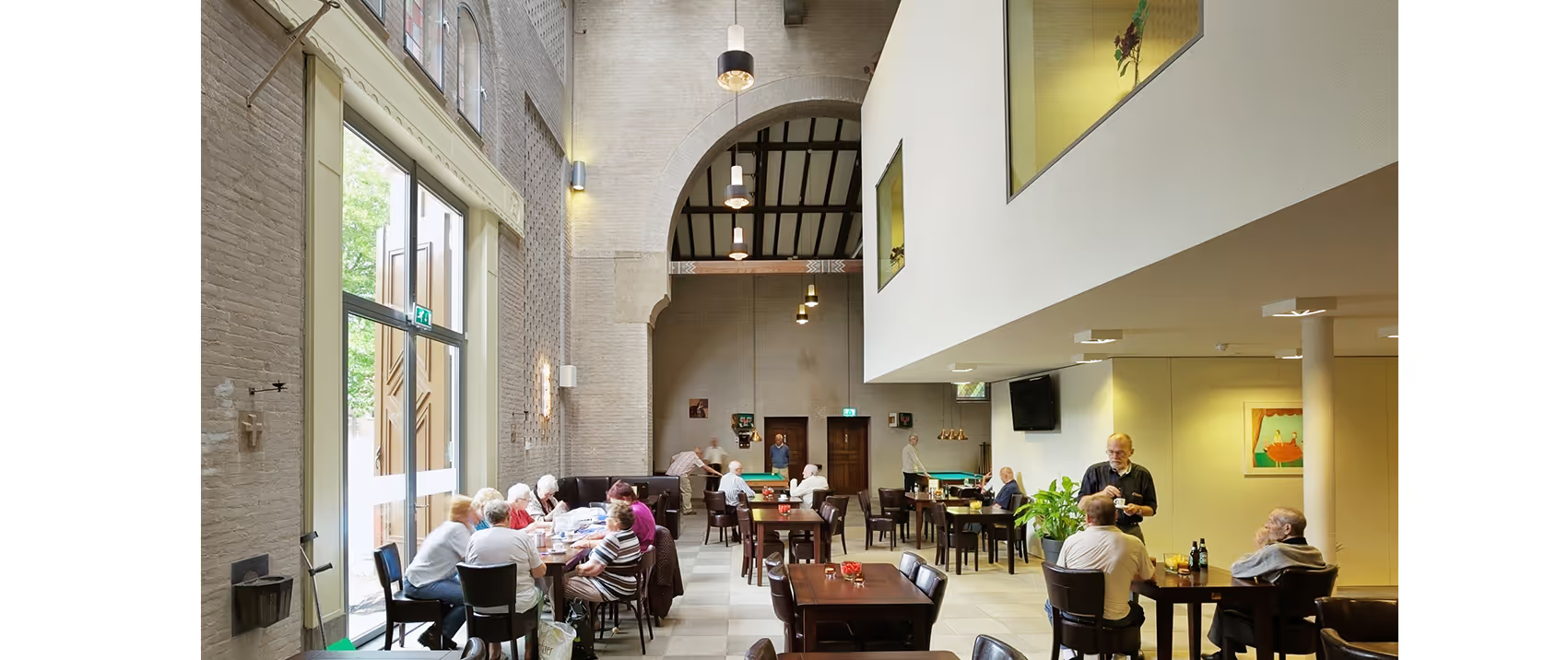
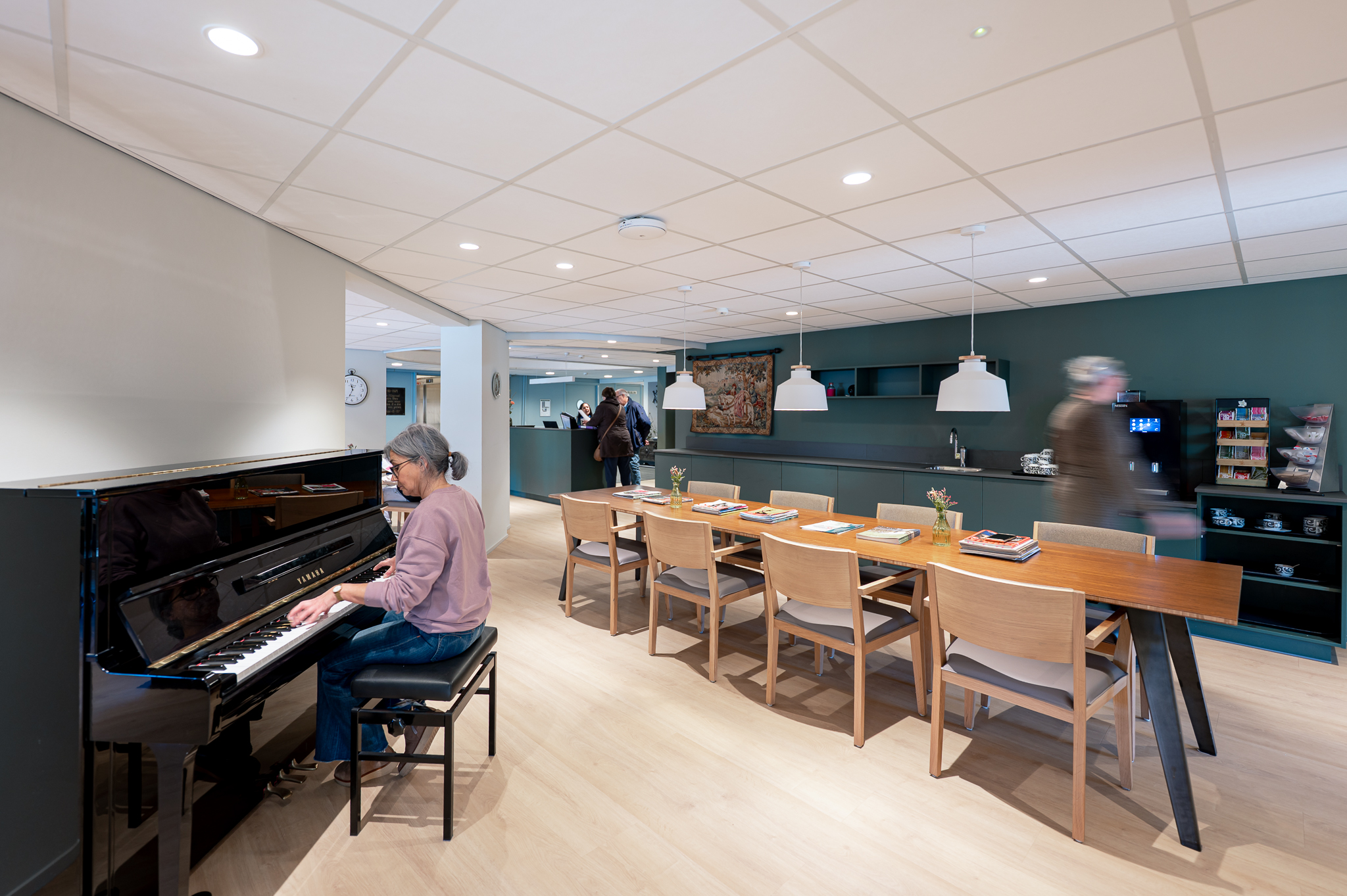
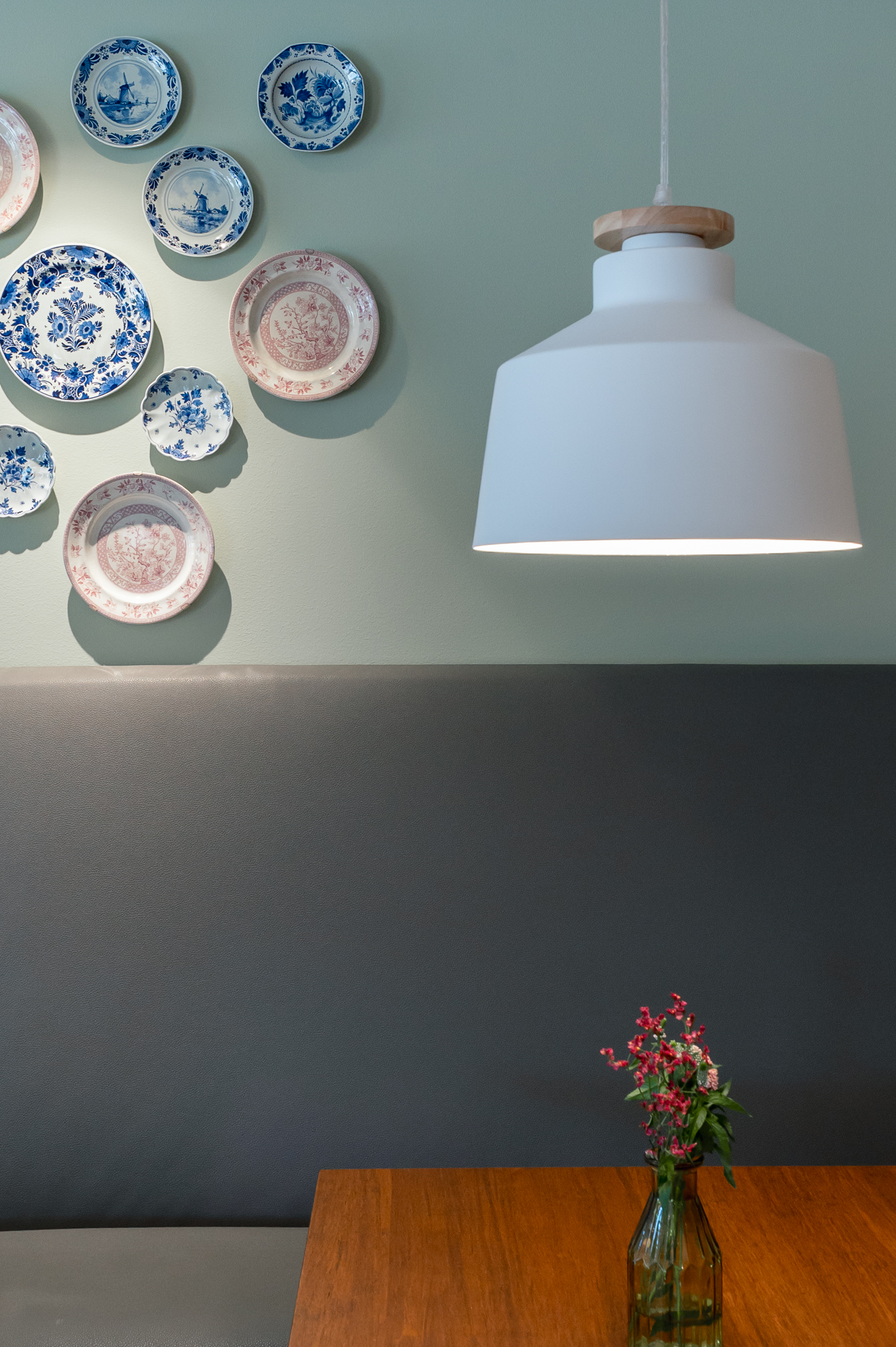
Within the BKP, Maison Gaspard de Colligny is, after De Baton, the project where we’ve made the most extensive changes, focusing on the entrance area, the common areas, the reception, and the restaurant. Because the target group consists of elderly people, some of whom are ill, we must always strike a balance between care needs on the one hand and atmosphere on the other—something we strive to address as much as possible within the design itself: for example, we designed the restaurants in the style of a Grand Café, selecting attractive, appropriate materials that are both easy to keep clean and durable.
Huize Royal Case Study
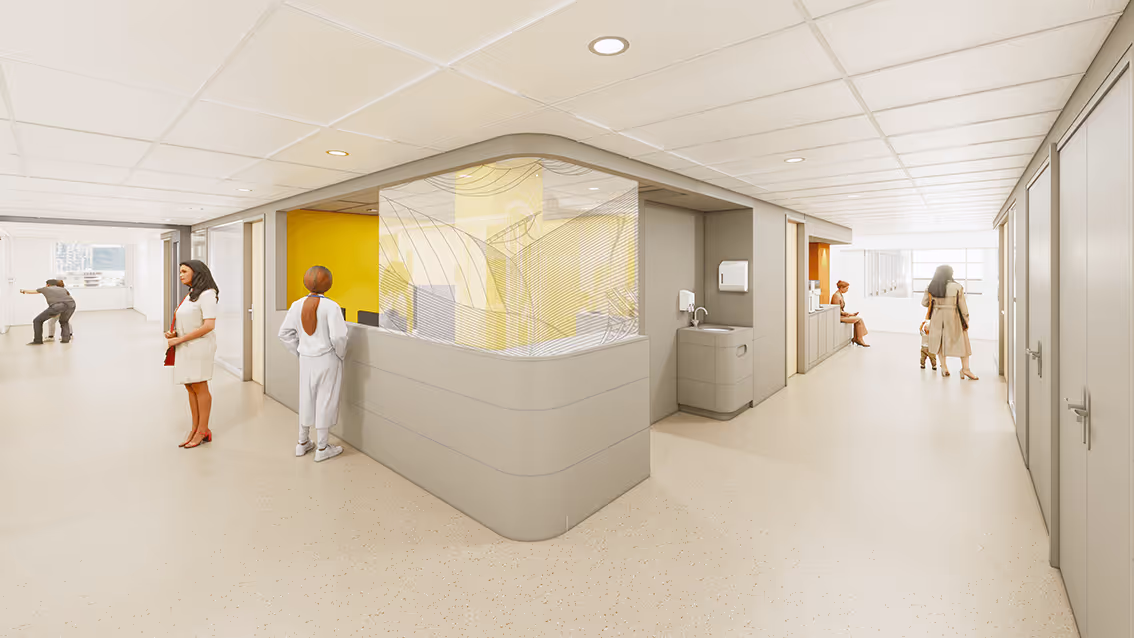
Huize Royal is the first renovation project in which the BKP’s guiding principles have been applied on a living-room scale. As an existing structure, this facility will become part of Zeevonk in the future and will be integrated into the new complex.
Zeevonk: Implementing the Entire BKP
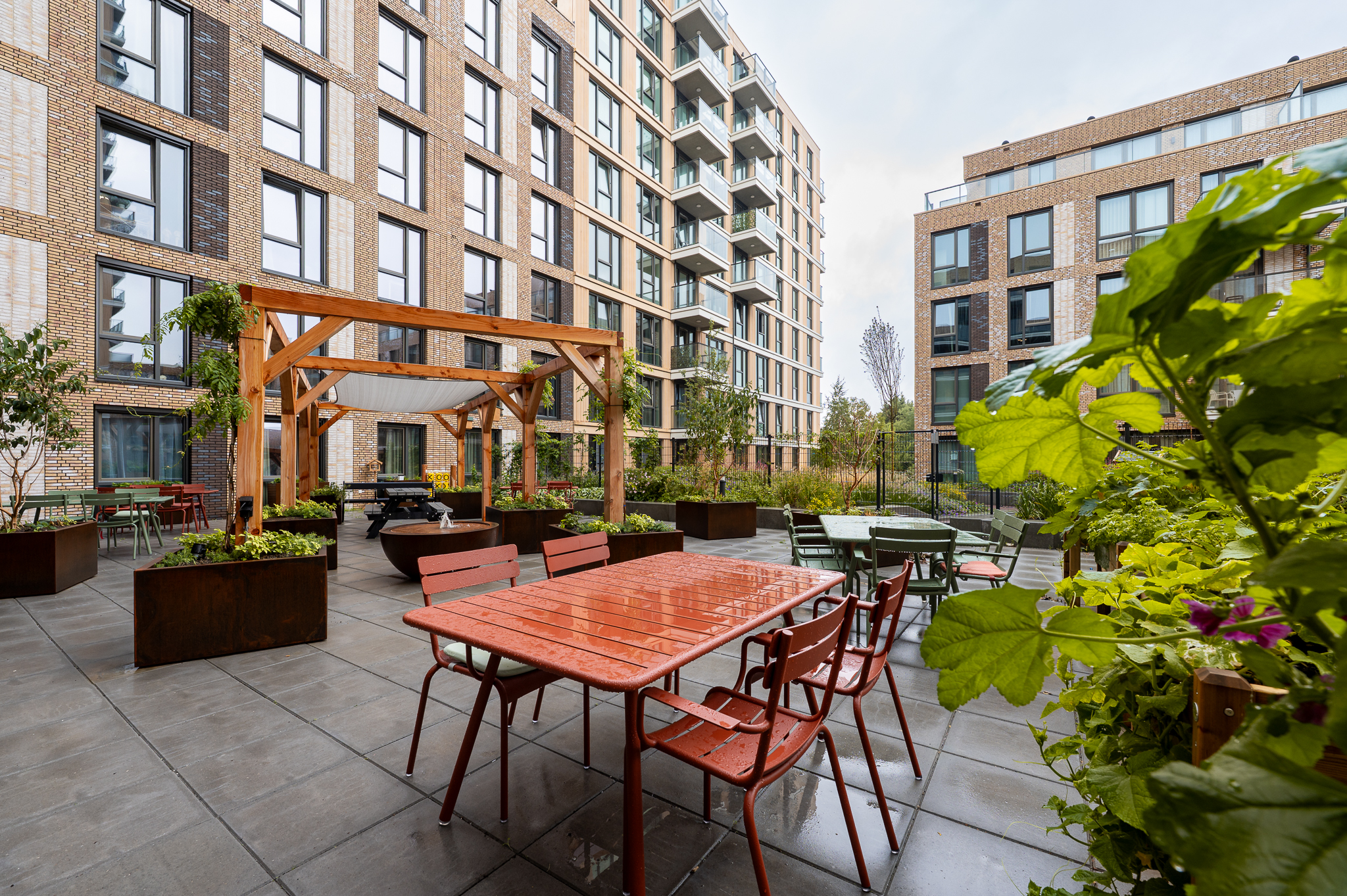
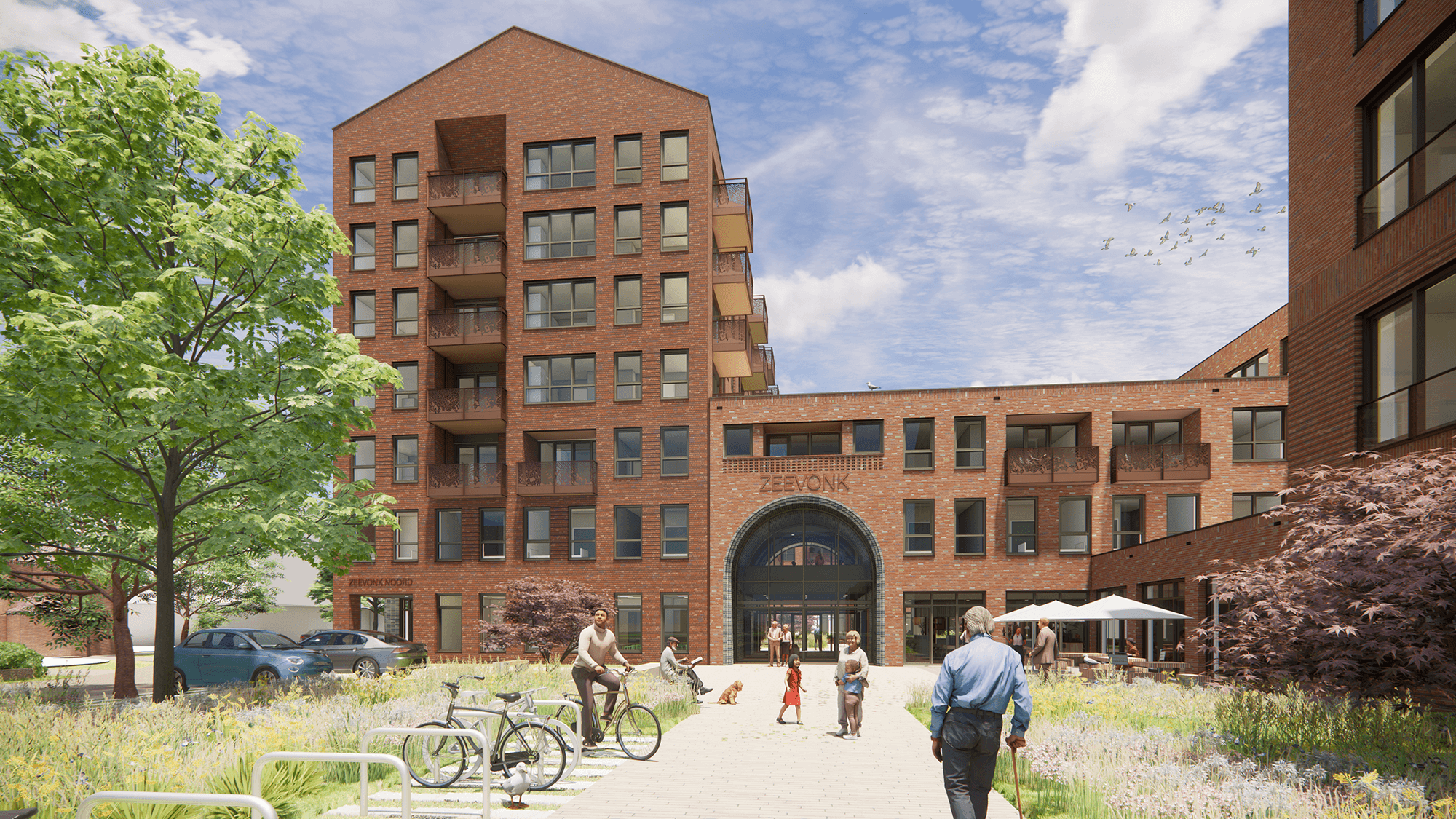
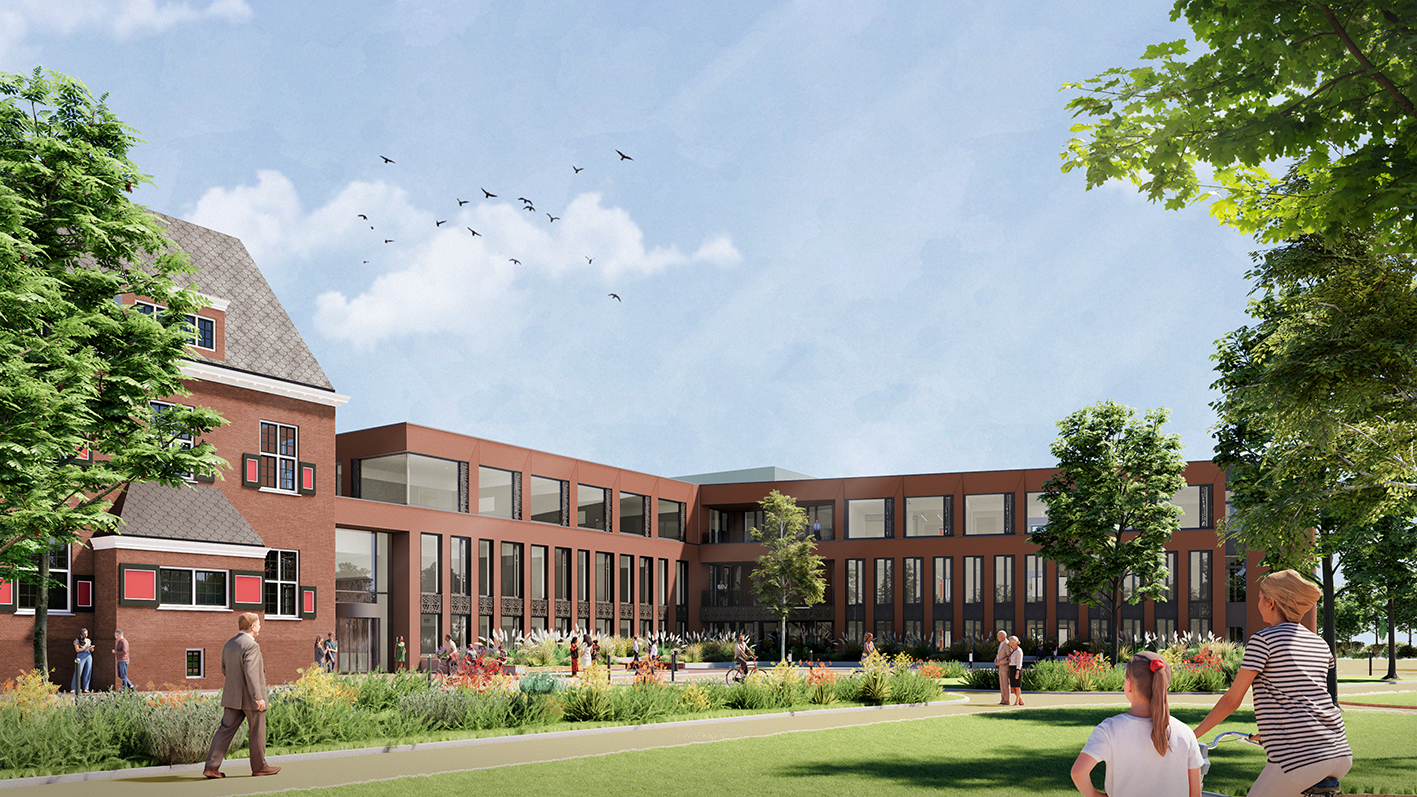
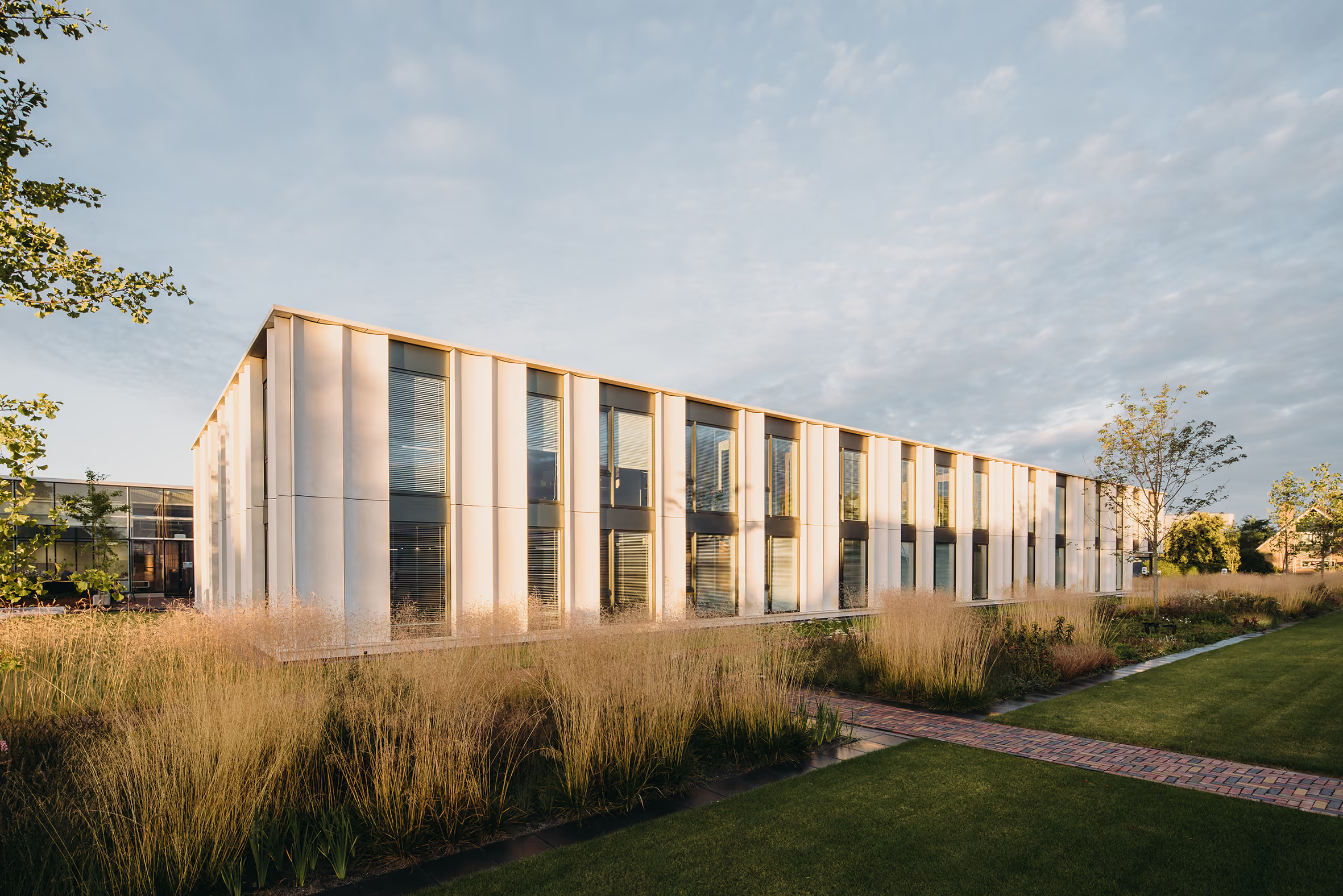
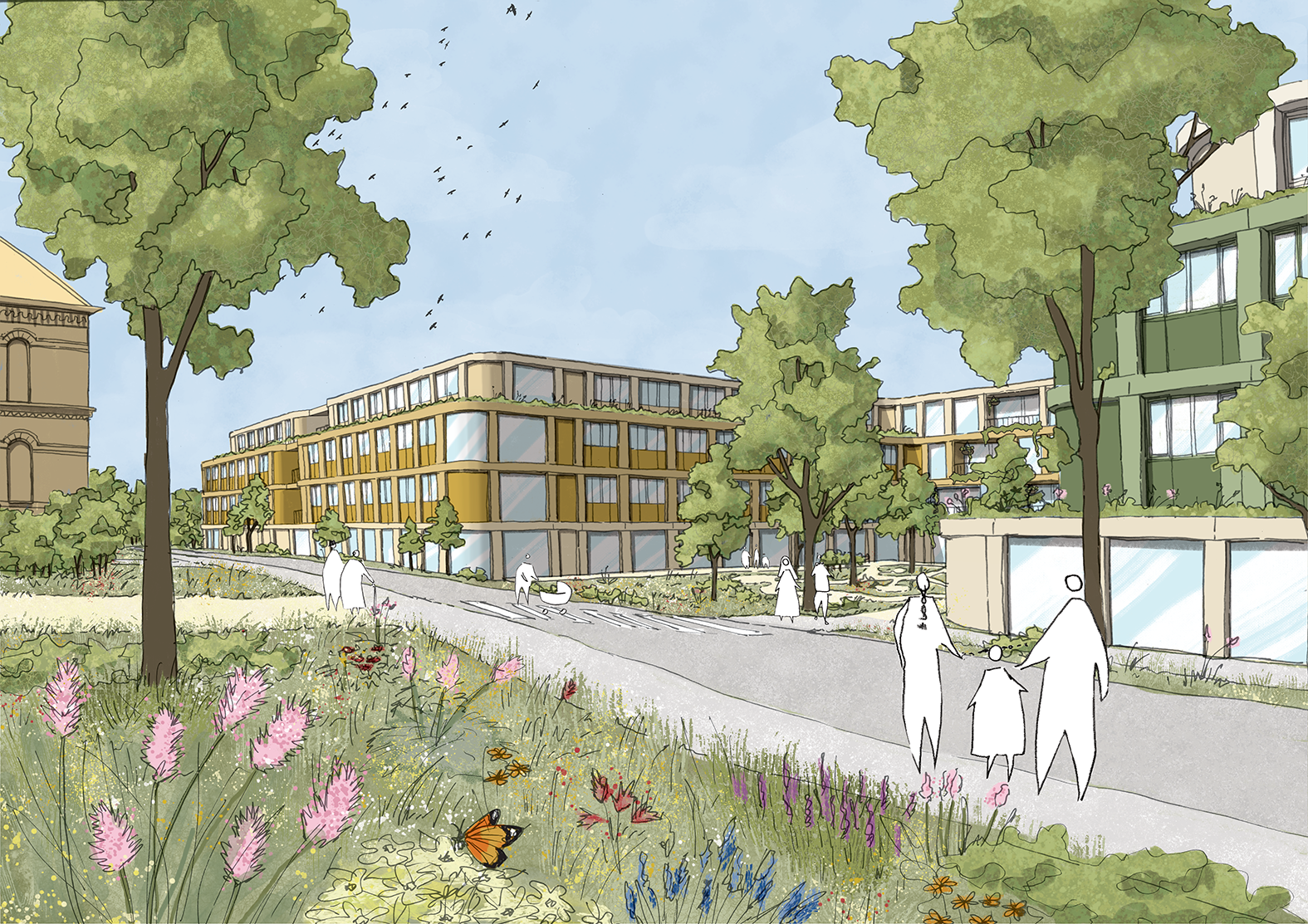
This welcoming atmosphere is not only intended for the residents but also reflects the community role that Saffier envisions for its buildings. That is why we are especially proud of the comprehensive project for Zeevonk, a new residential building on Rusthoekstraat in Scheveningen. Zeevonk is meant to be a place where people can meet both indoors and outdoors, featuring a restaurant, a gym, a rehabilitation center, a physical therapist, activity spaces, a hair salon, and a communal garden—as well as storytime afternoons for children, creative workshops, and neighborhood festivals. In this way, we aim to make Zeevonk a vibrant place for everyone—residents and neighbors alike.
Timelessness = Sustainability
An interior design with a neutral foundation for elements meant to last, combined with contemporary touches only in areas that are easy to adapt, guarantees future-proofing, flexibility, and sustainability. In addition, we focus on demountable, modular interior elements, high-quality furniture with a long lifespan, and the reuse of existing furniture. And in the case of new construction, we naturally opt for a package of energy-saving measures that ensures this senior housing is ready for the future.