Holland Park
Holland Park
Holland Park
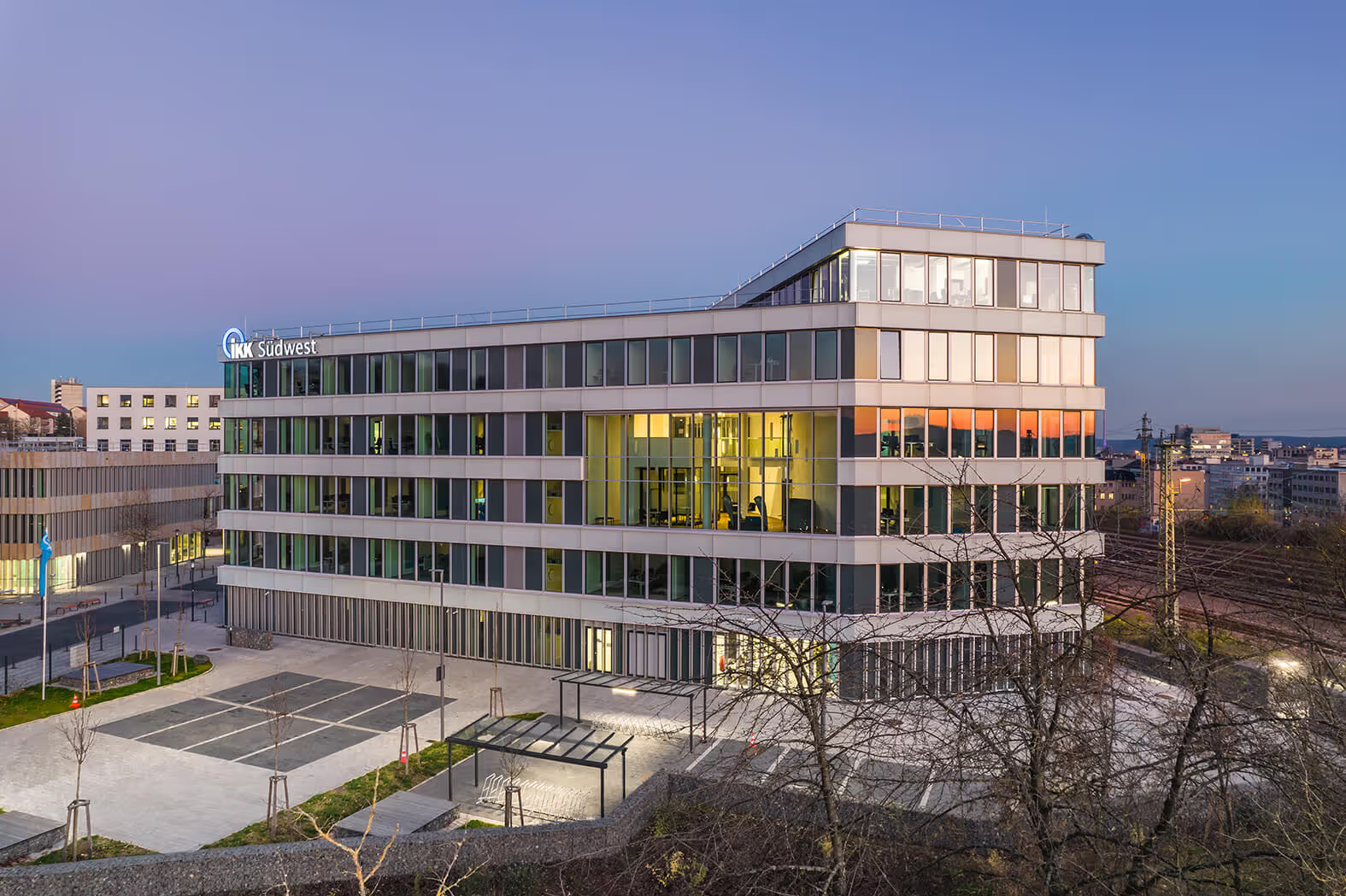
Modern kantoorgebouw in een monumentale context

The existing city as a starting point
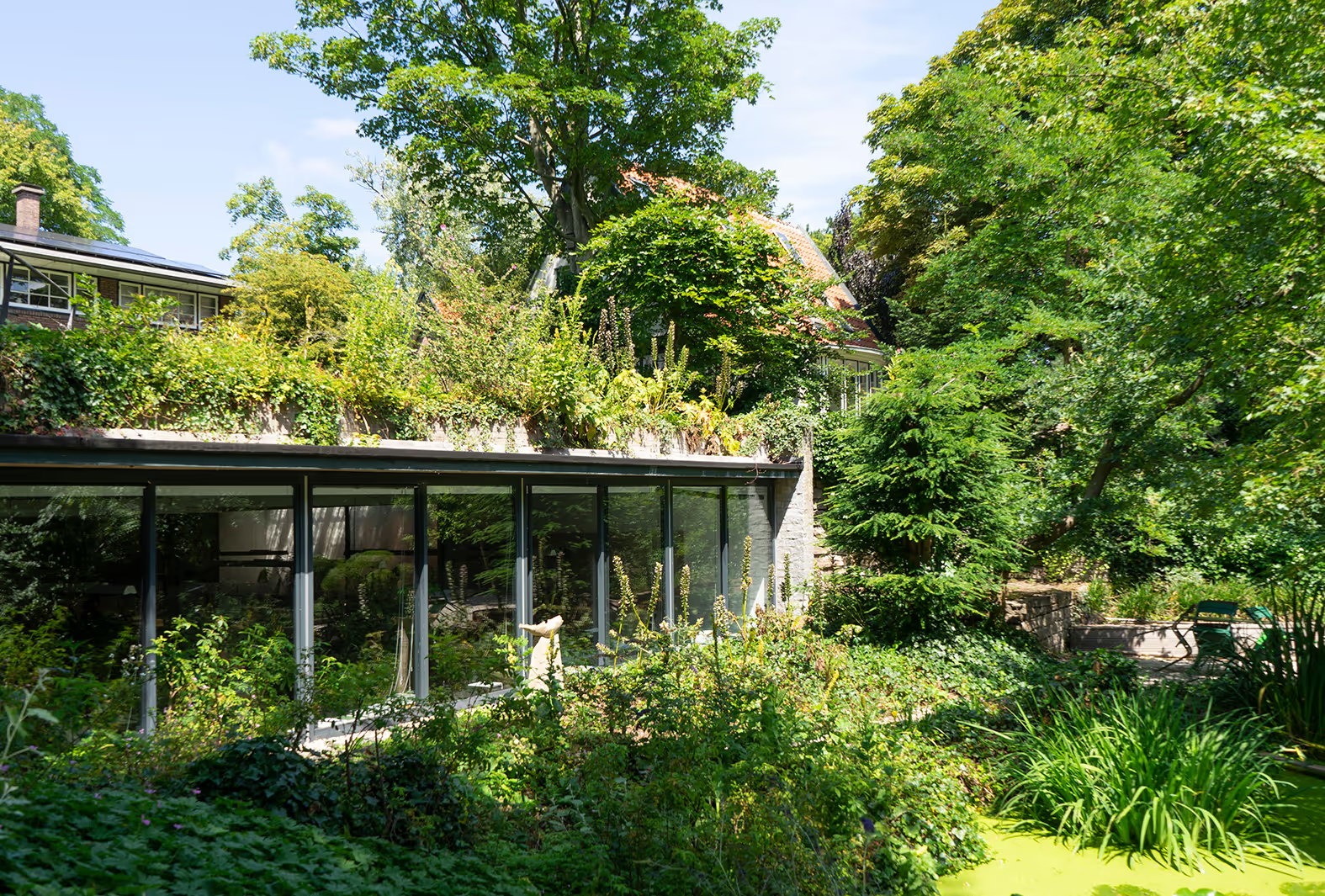
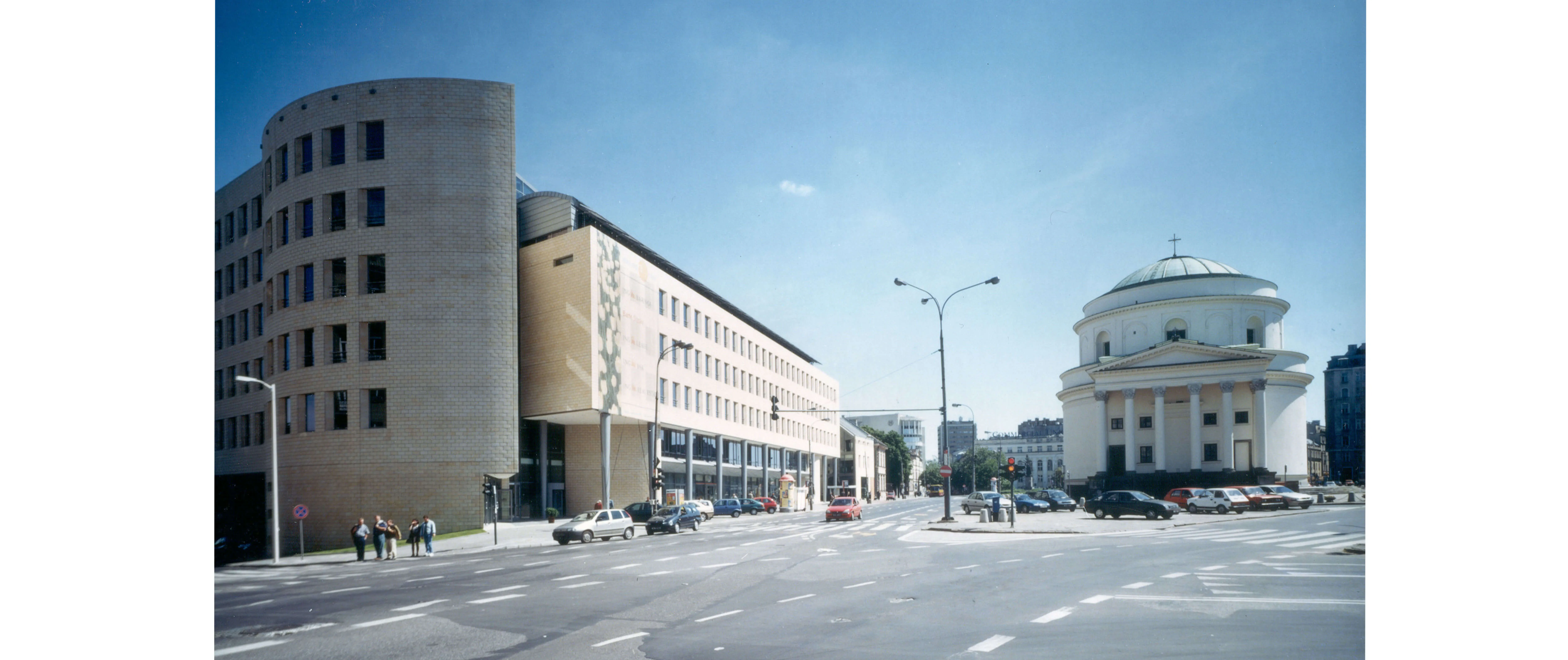
Our design came directly from the urban and landscape context; on the one hand, the layout was determined by the vegetated, hilly terrain at the back of the building, and on the other hand by a fan of roads that took the shape of the Three Crosses Square in the early nineteenth century. The architecture of the new building — the building mass, the design, the dimensions, the relationship to the building line — responds to this in a smart way and thus turns challenges into starting points.
Architecture in context
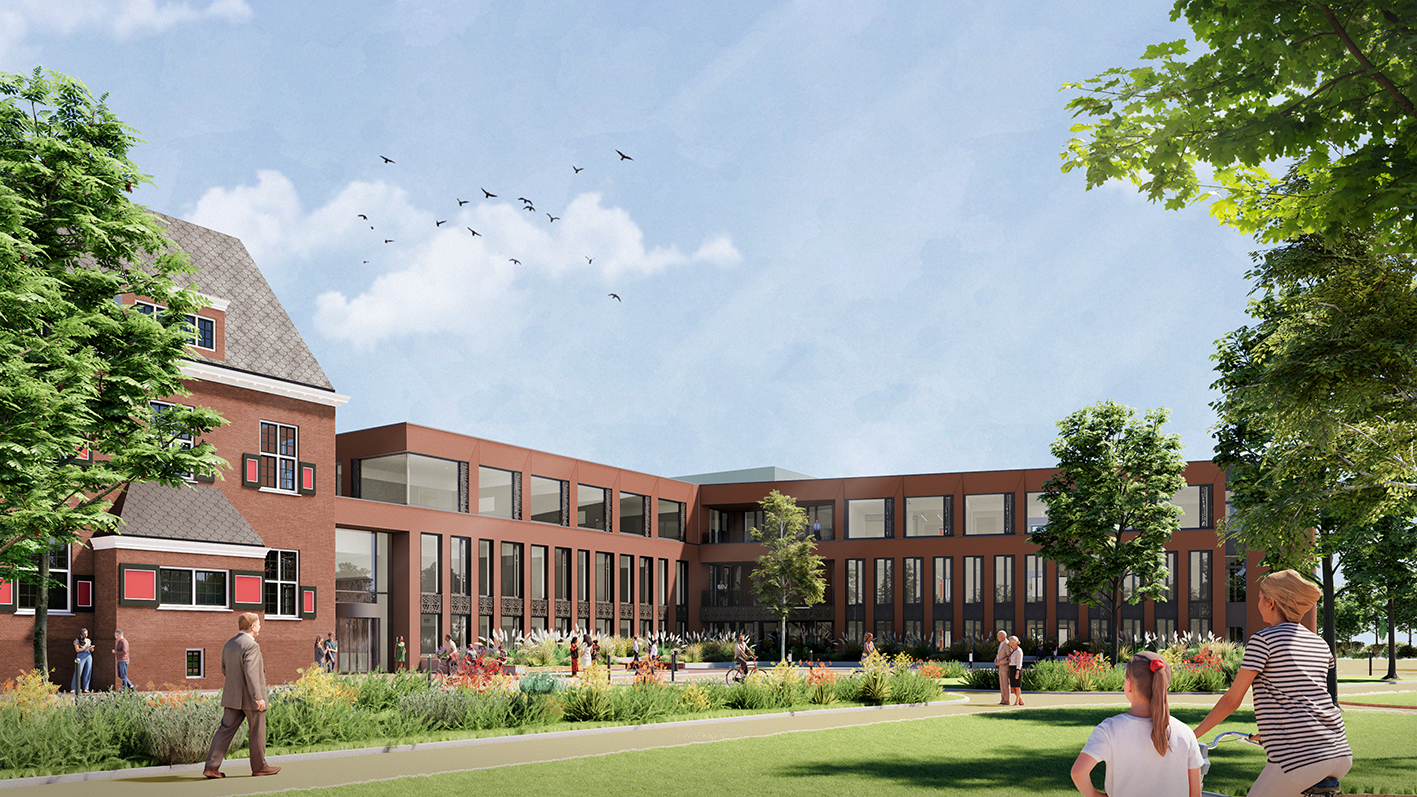
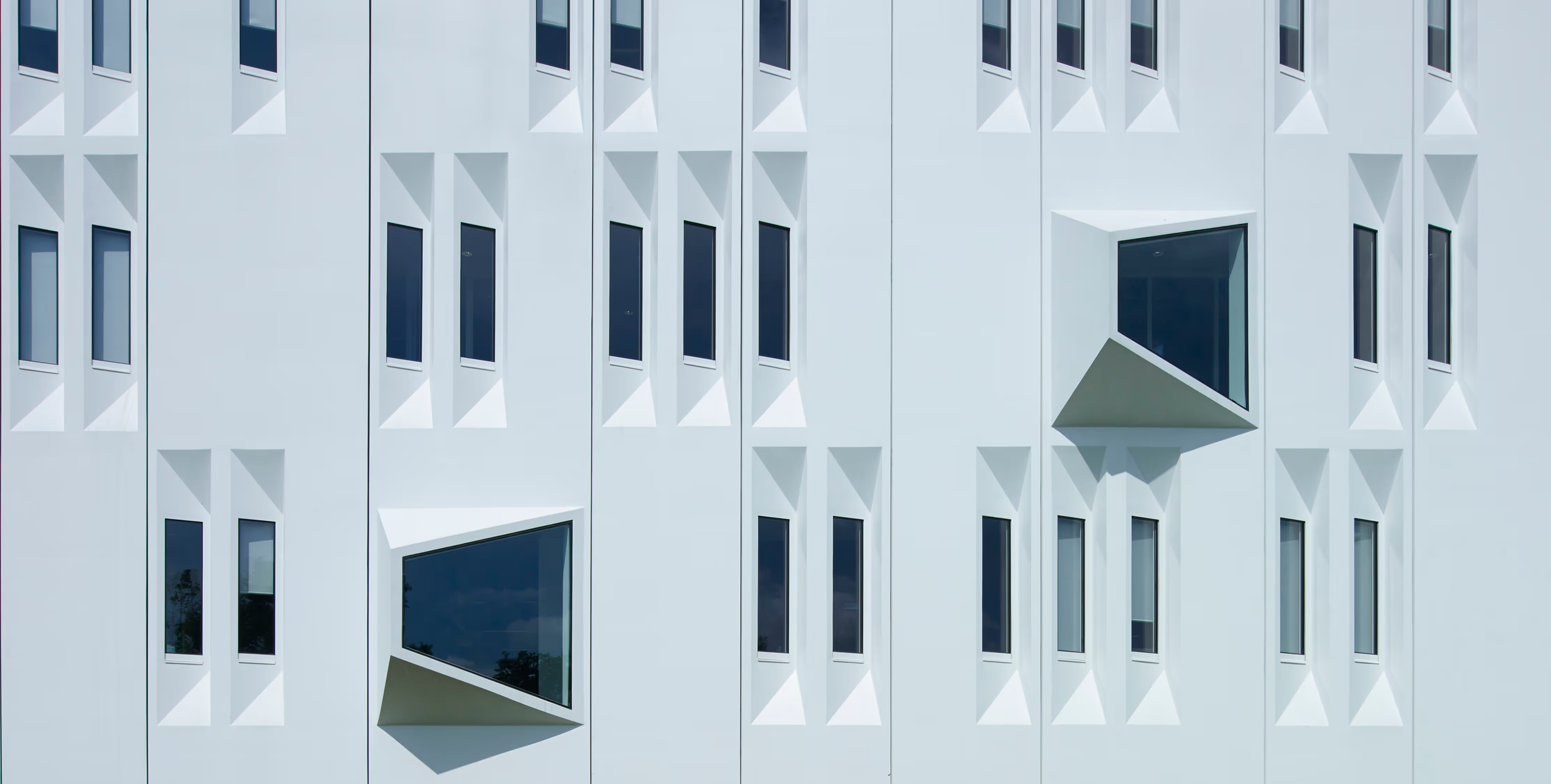
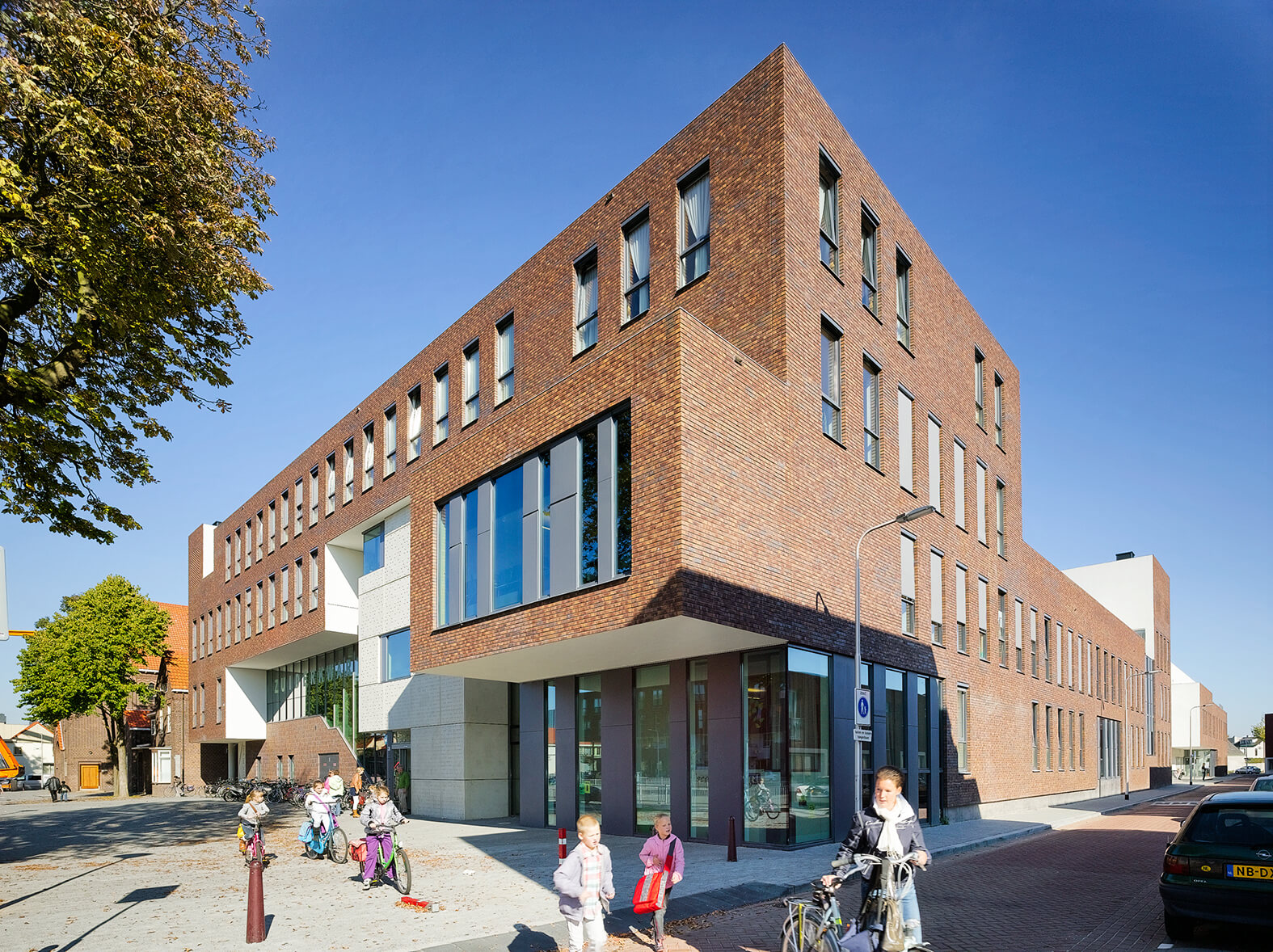
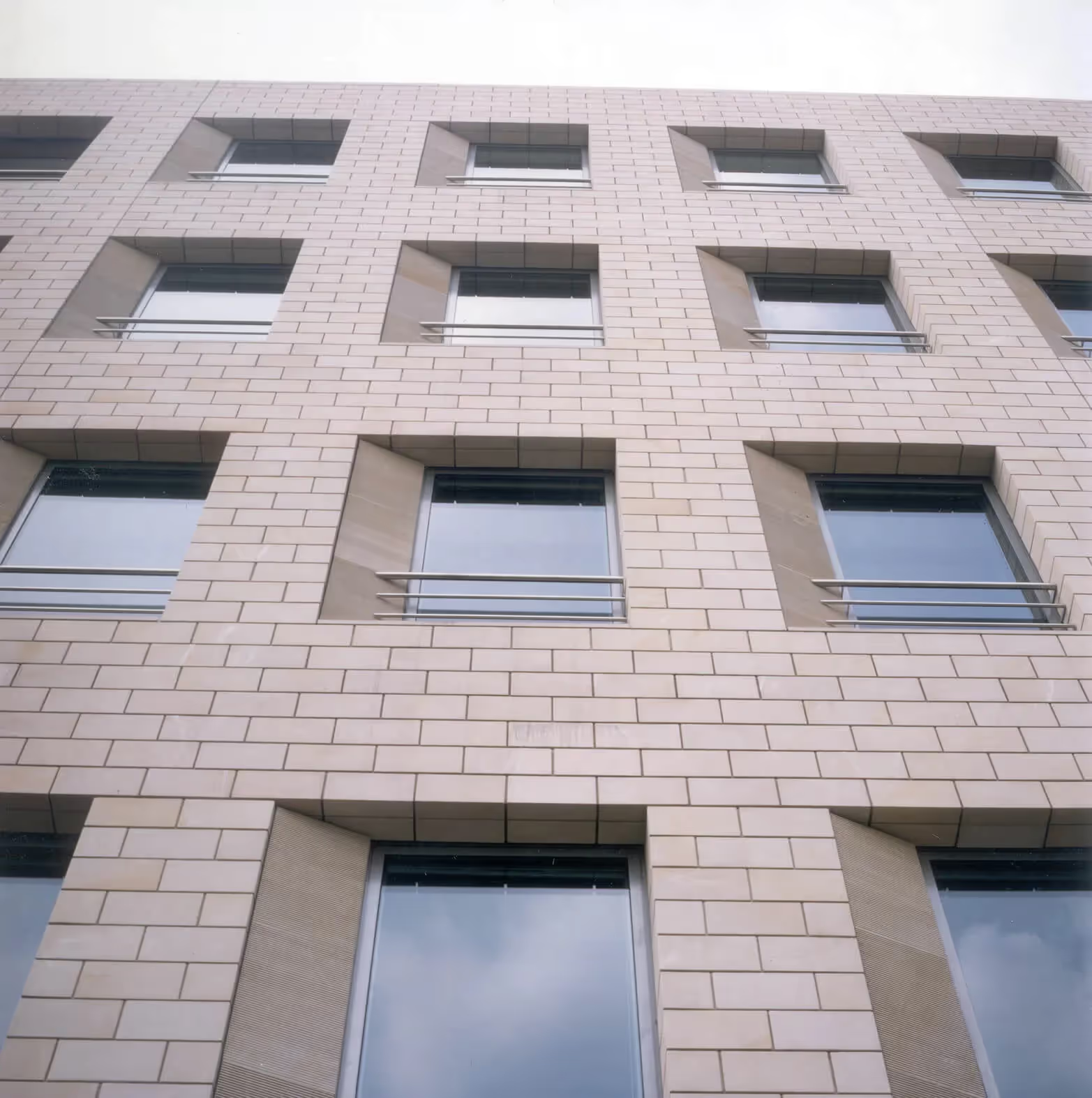
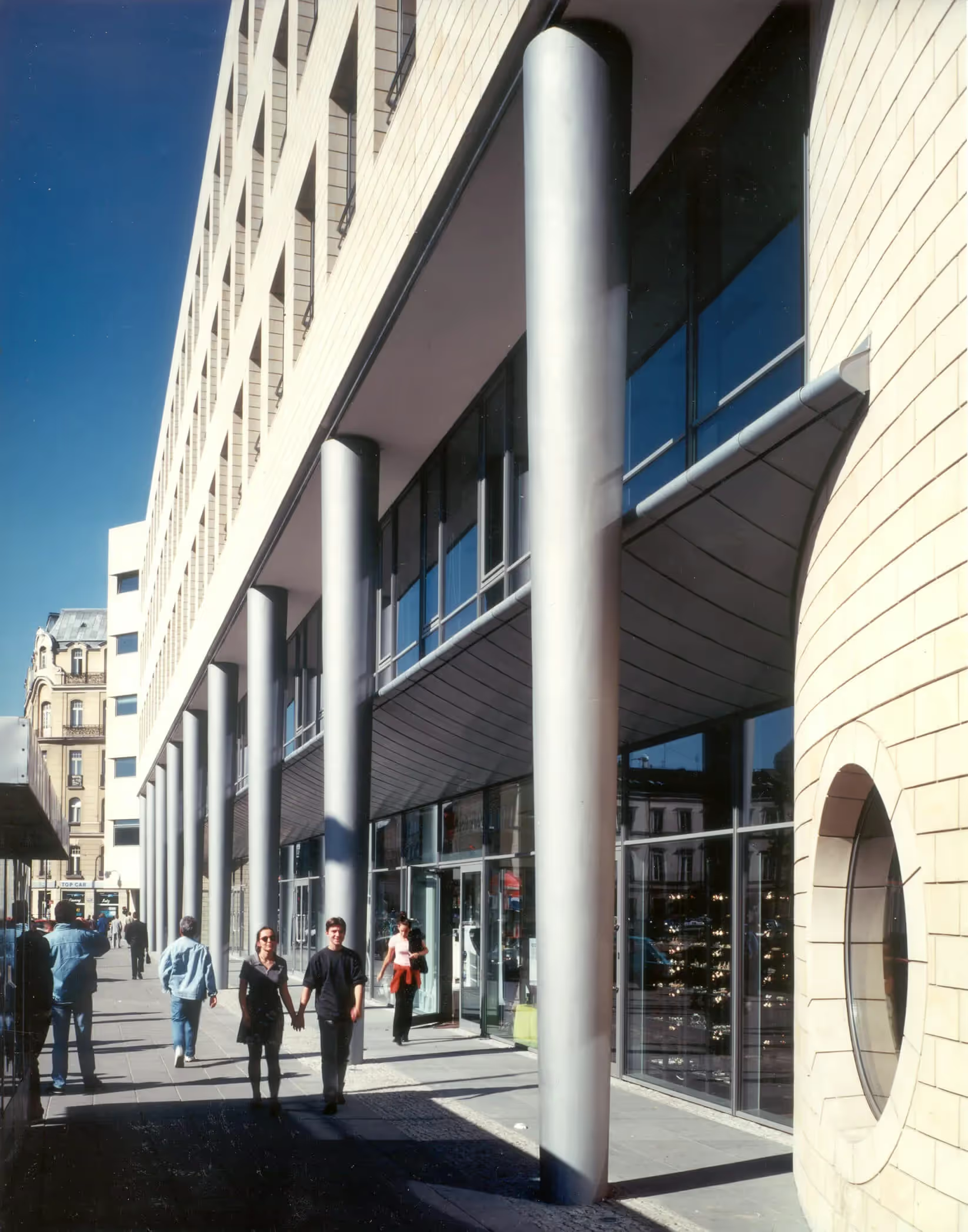
Stylistically, a modest, sleek modern design language was chosen, which is nevertheless in harmony with the monumental buildings in the immediate vicinity - such as the free-standing neoclassical Alexander Church and the Ministry of Industry, built under communism.
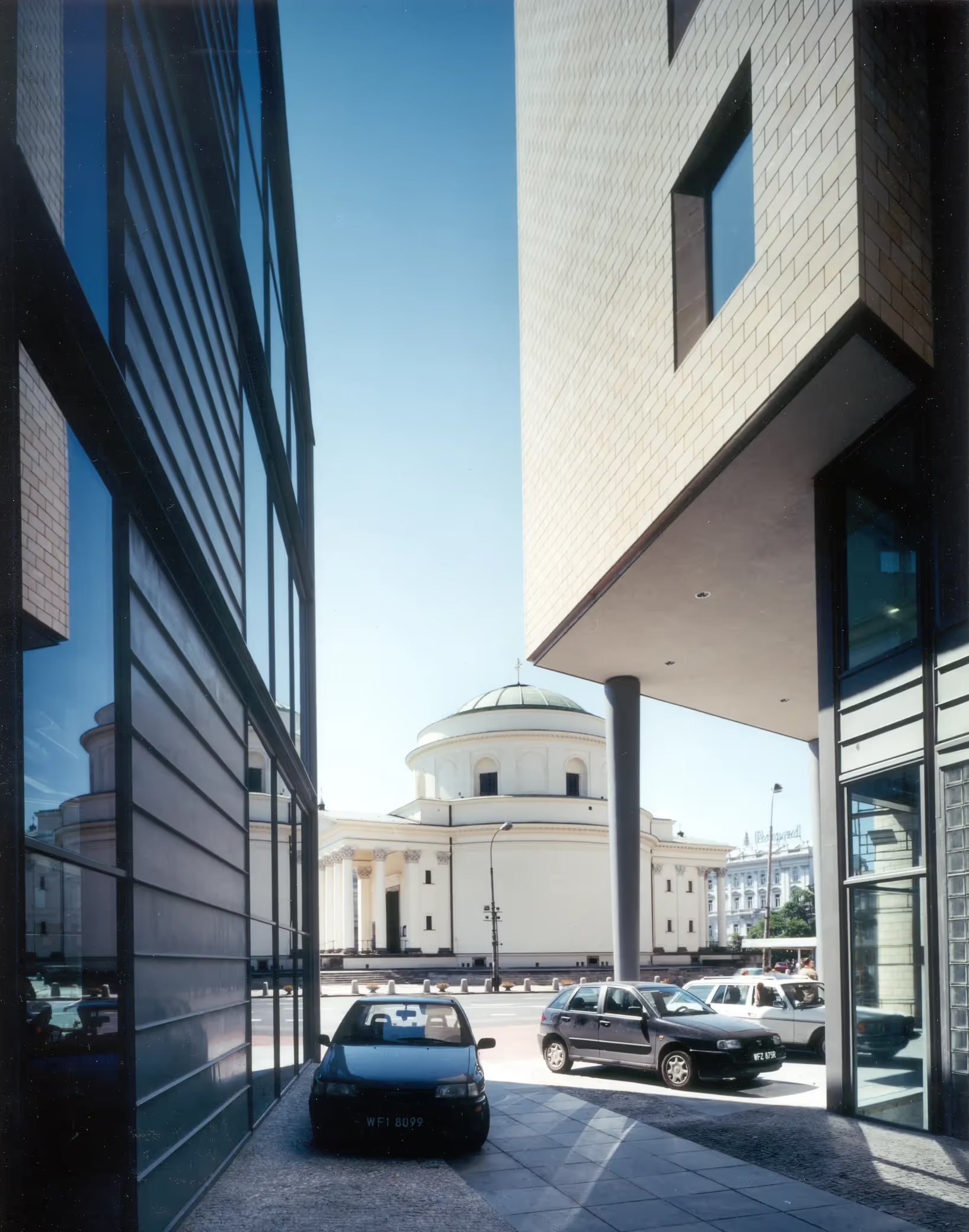
Different design for different functions
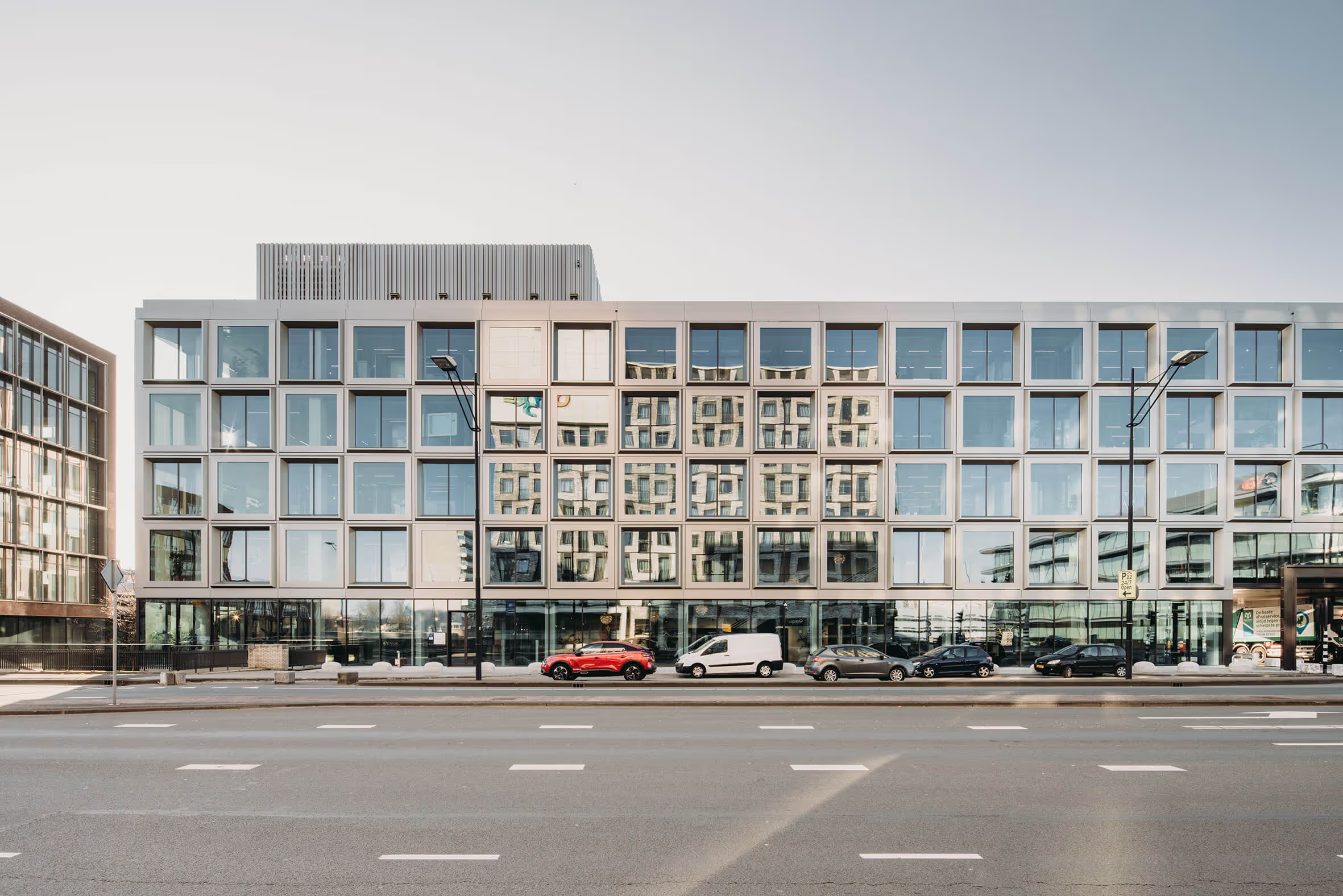
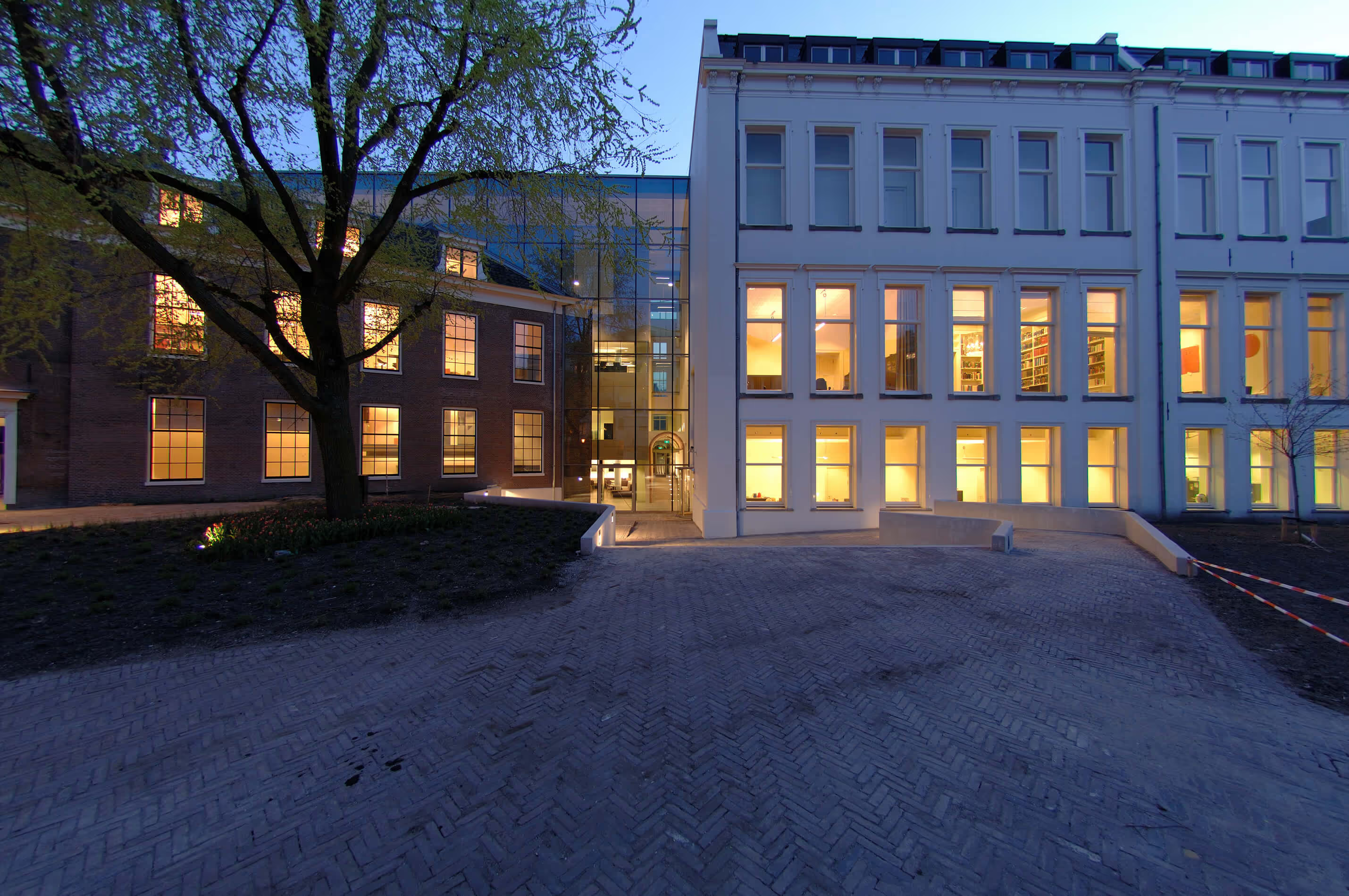
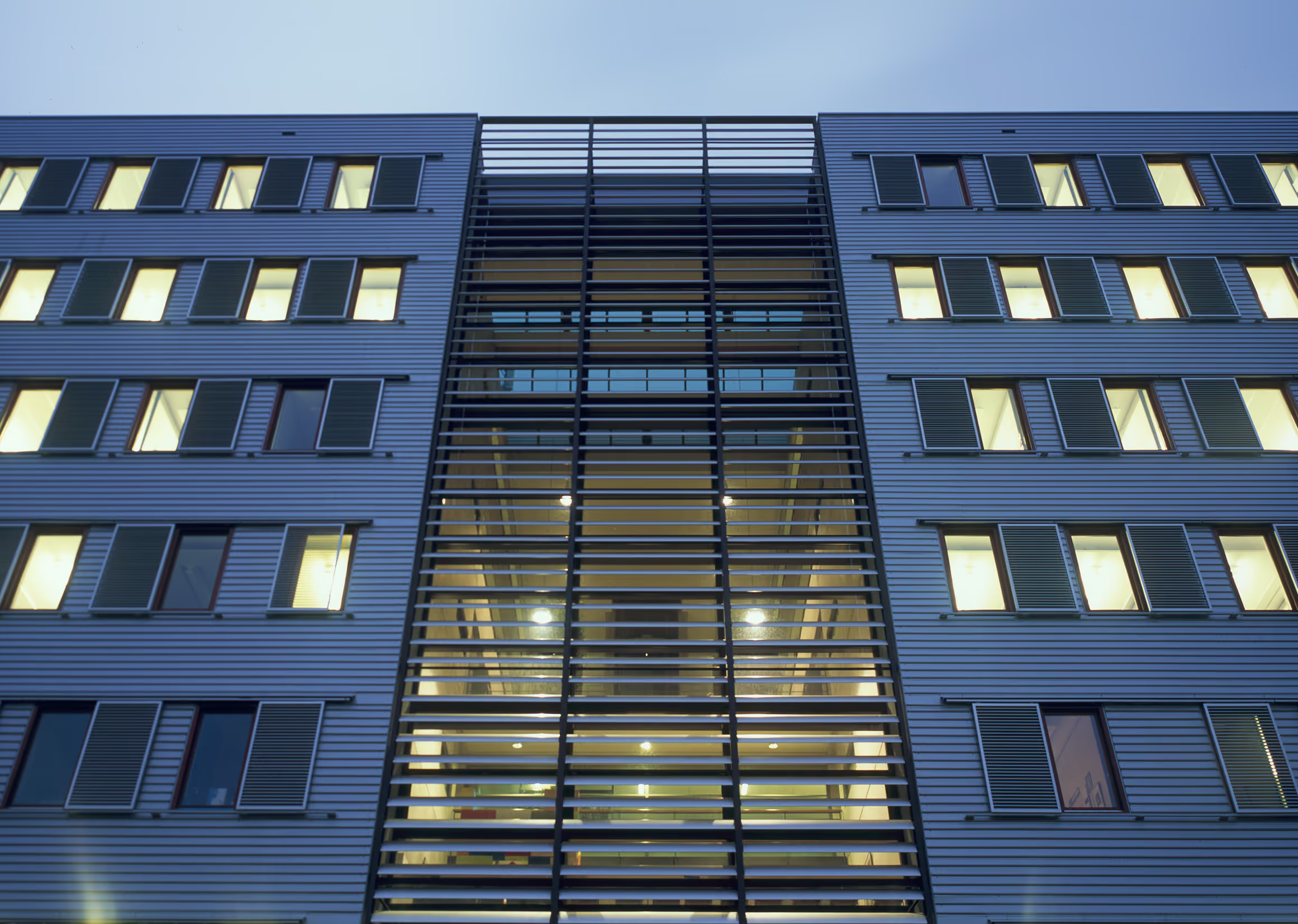
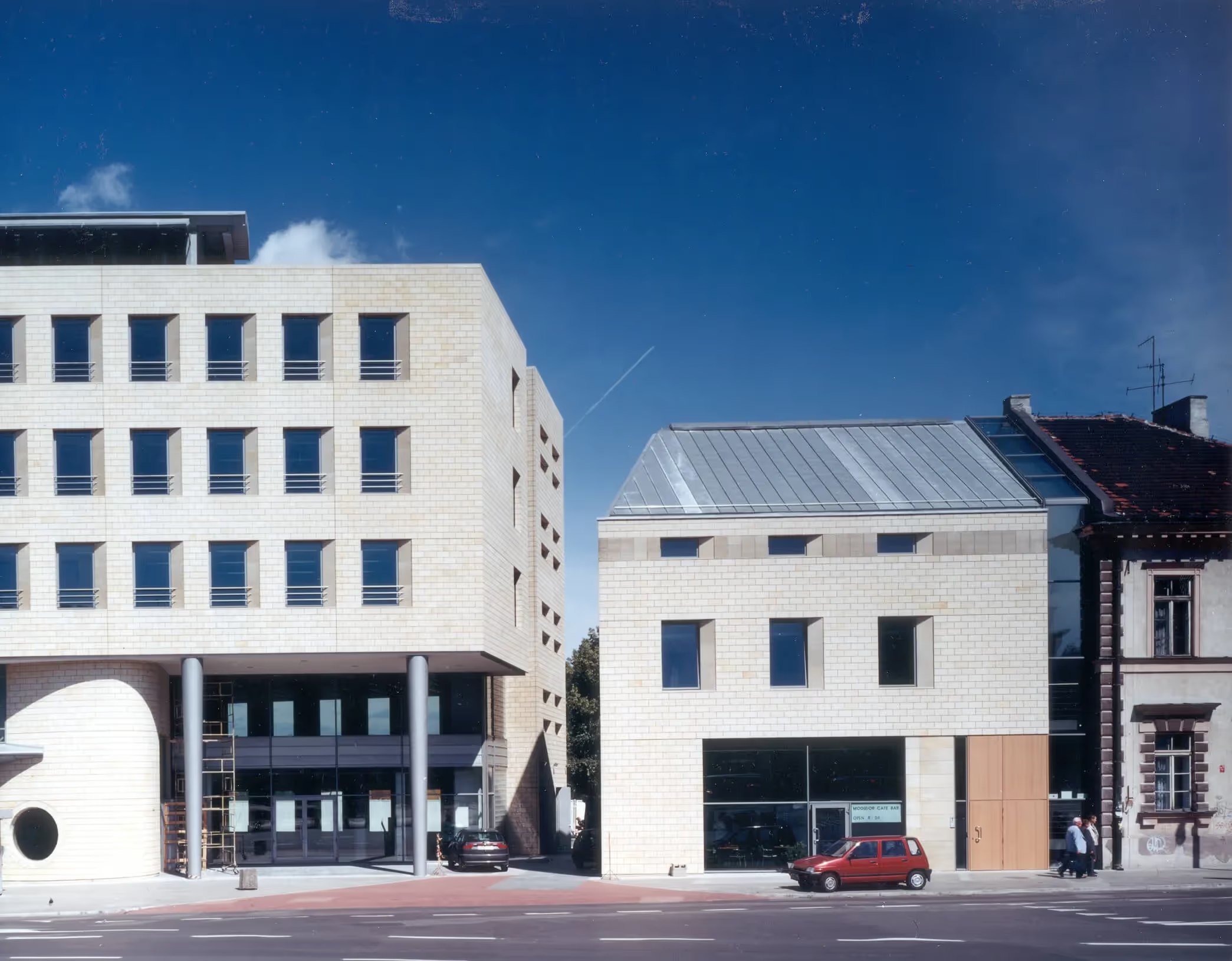
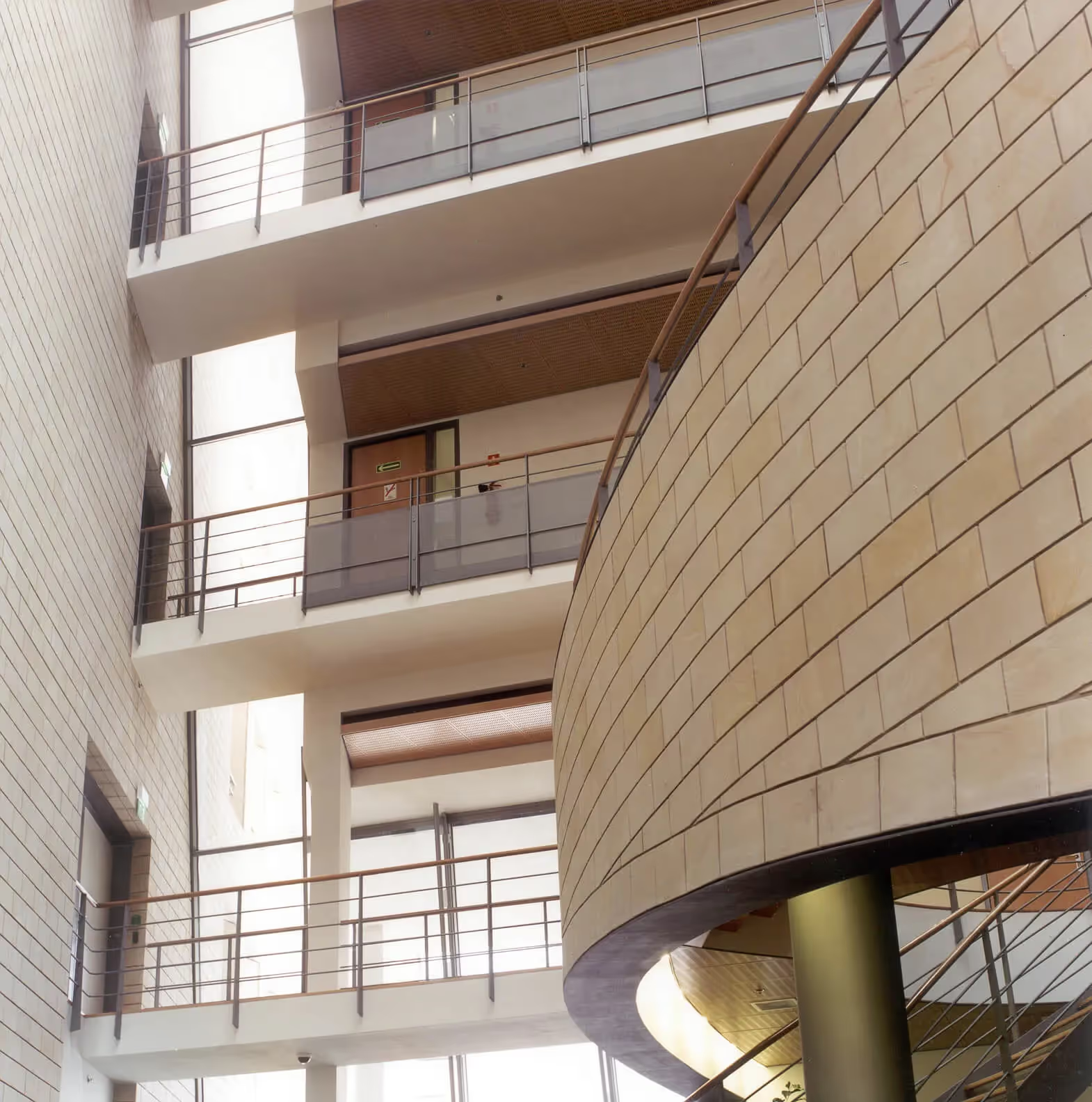
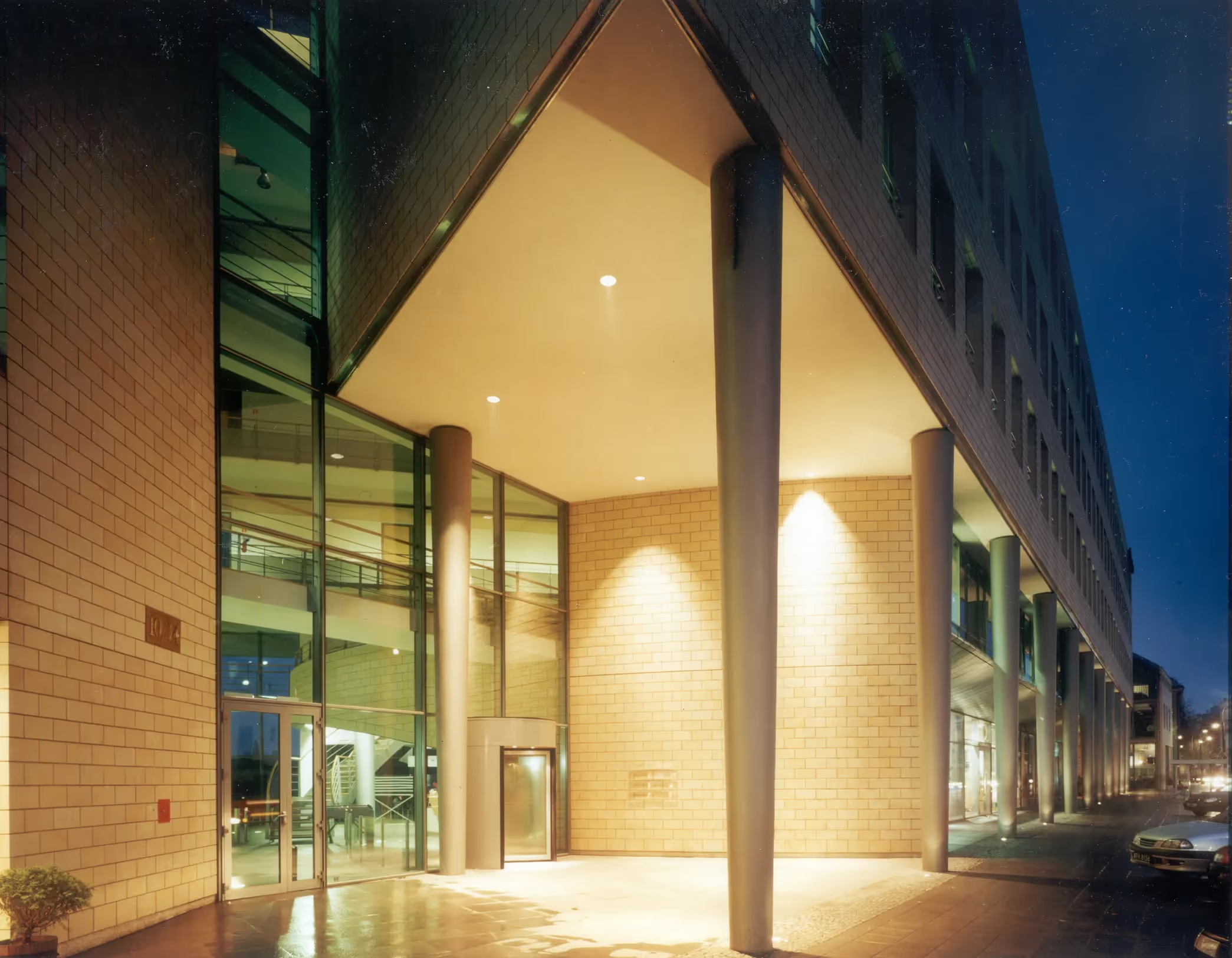
Dividing the sandstone façade of the bank office into three vertical bands, with each section functioning at a different scale level. The double store floor lying backwards provides space for pedestrians, the regular sandstone façade forms a square wall, while the light, pavilion-like roof structure can only be seen from a distance. The public passage to the park is flanked by a lower extension, right next to the historic building of the Institute for the Deaf: an ingenious transition that ensures that the new building is seamlessly embedded in the context.