Markenhoven
Markenhoven
Markenhoven
A residential area that builds on the city
City formation and resistance
The buildings of Valkenburgerstraat and Rapenburgerstraat, the so-called VARA strip, were the result of the process of city formation in the eastern part of the city center of Amsterdam and the resistance against it. City formation was a process that started as early as the nineteenth century, but had an enormous impact, especially after the Second World War, due to the large-scale demolition of houses for the construction of the IJtunnel route. The resulting resistance meant that the site remained undeveloped for a long time in the 'run-up' to the tunnel.
A residential neighborhood with small-scale activity
The way in which the Vara strip should be rebuilt kept people busy for decades; in the course of the 1980s, the municipality proved willing to listen to the wishes of residents. On the empty plains created by the complete demolition of the area between Valkenburgerstraat and Rapenburgerstraat and the closing of the Markengracht, the neighborhood wanted to see another residential neighborhood with small-scale activity.
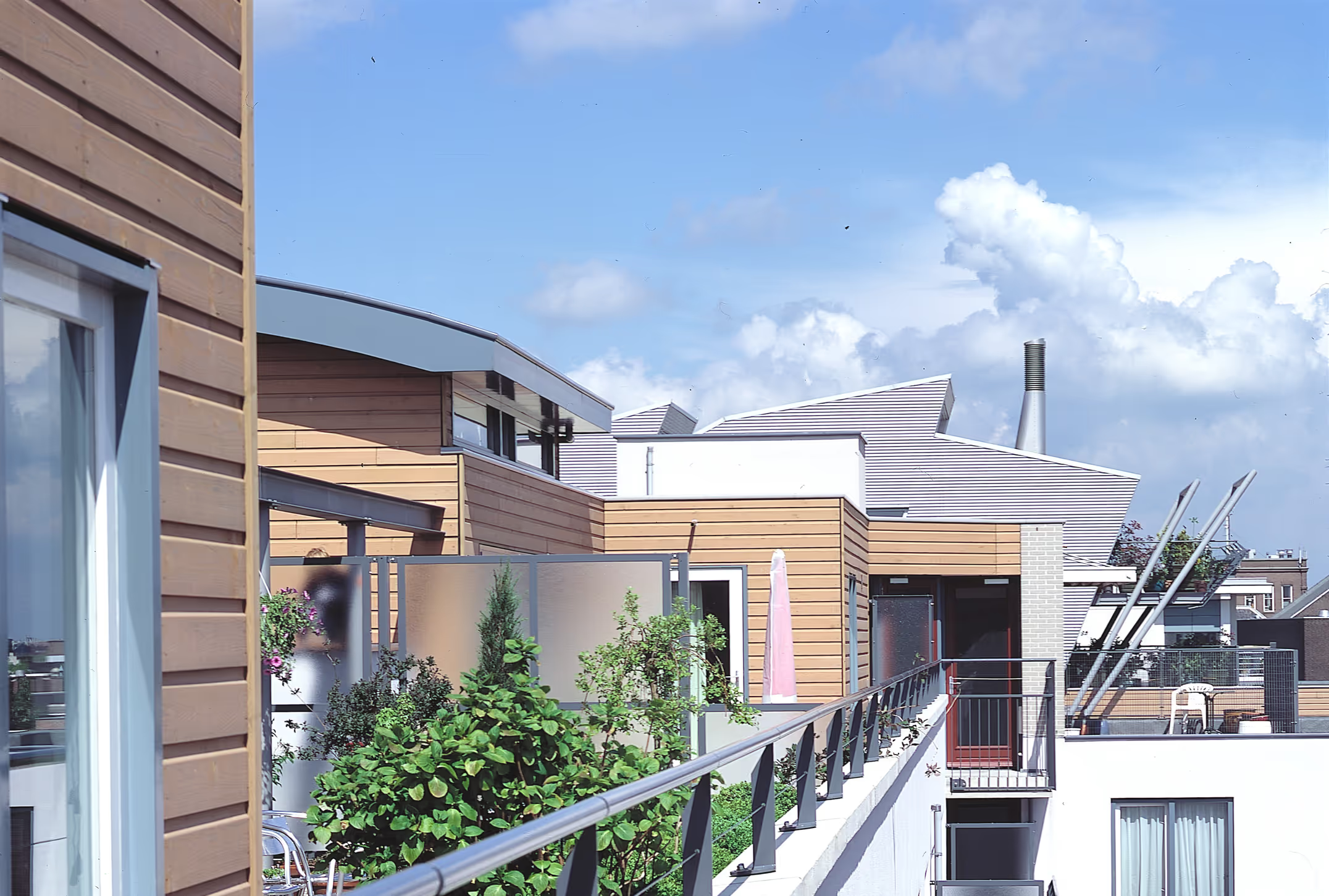
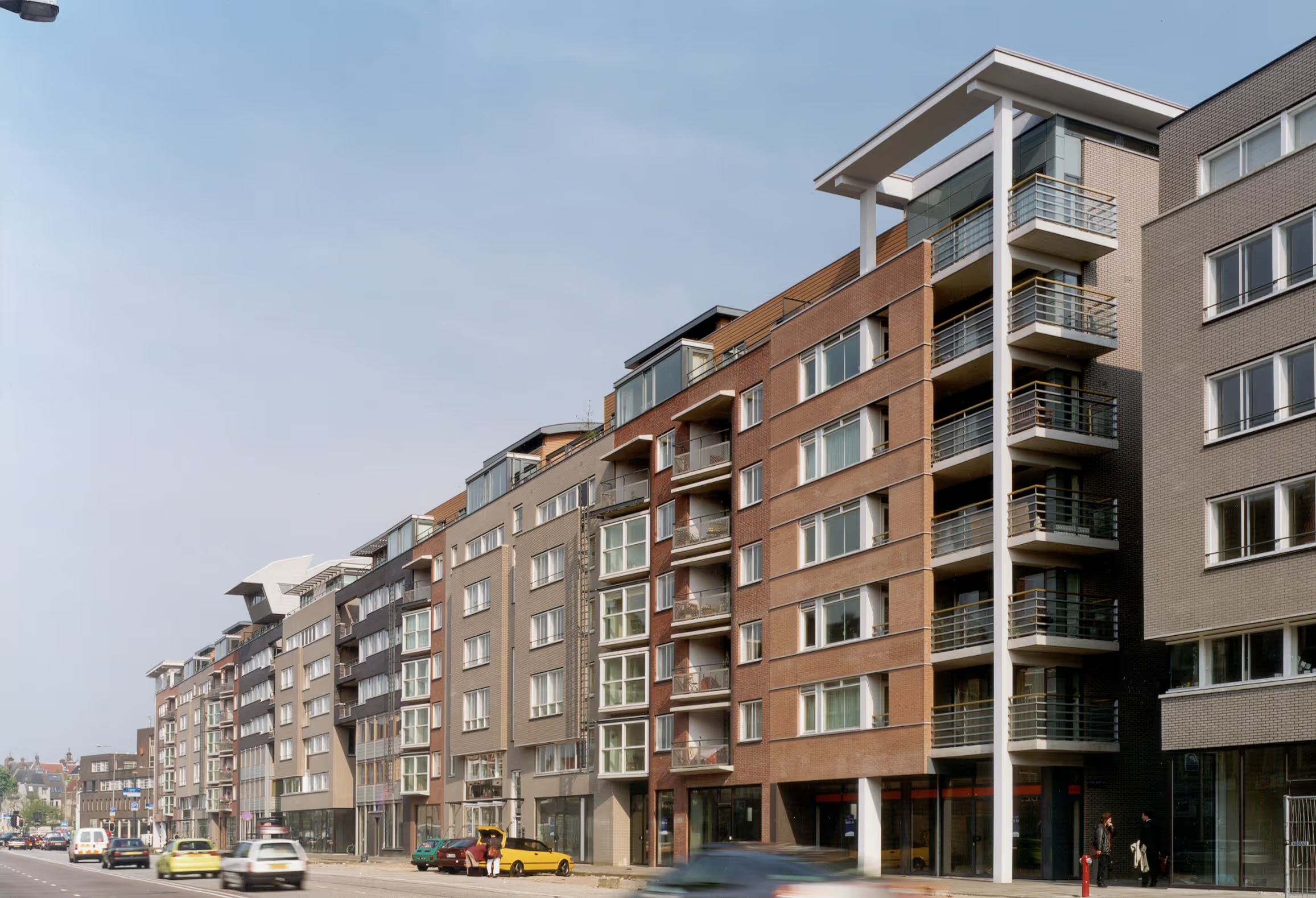
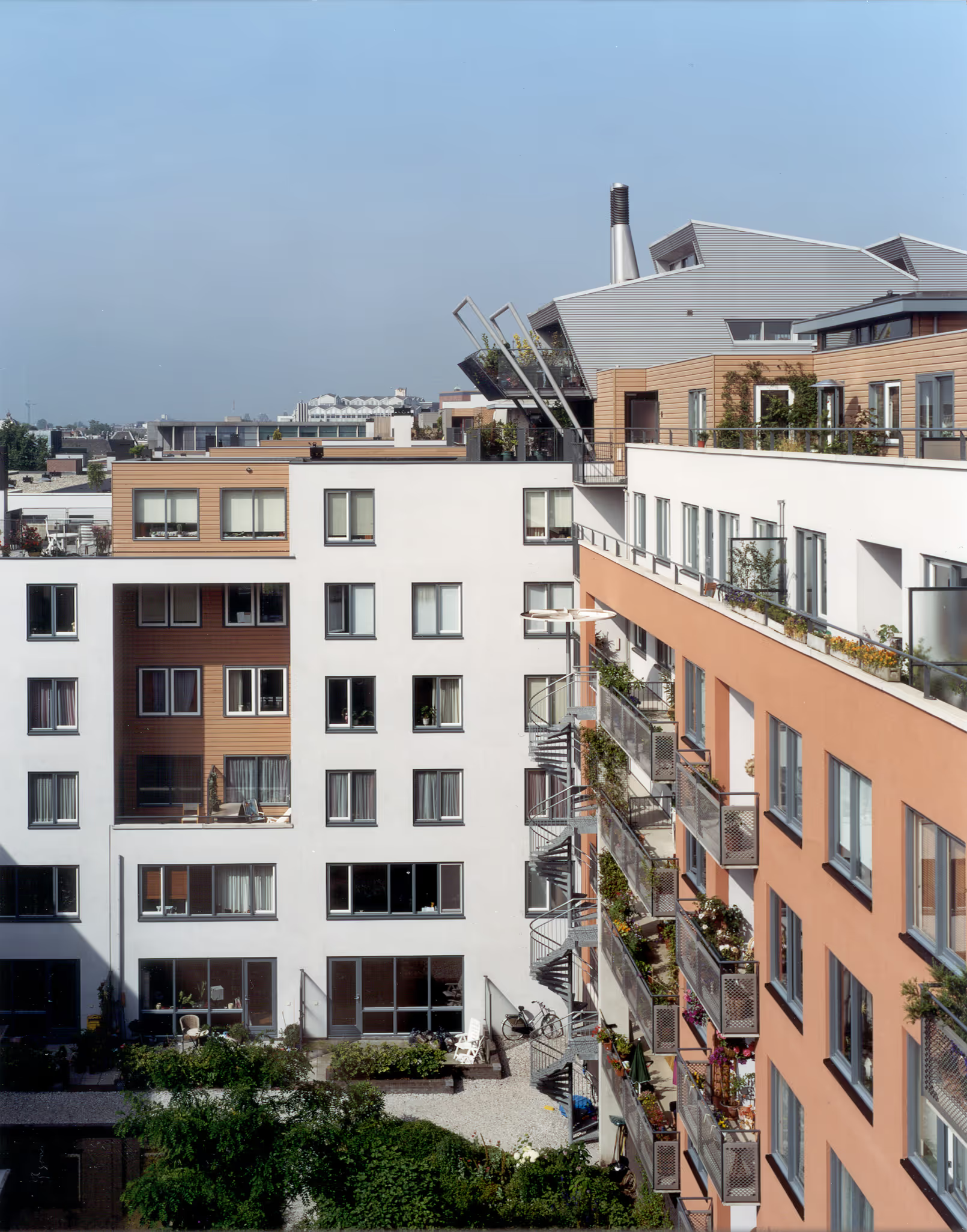
Stamps for variation in the floor plans
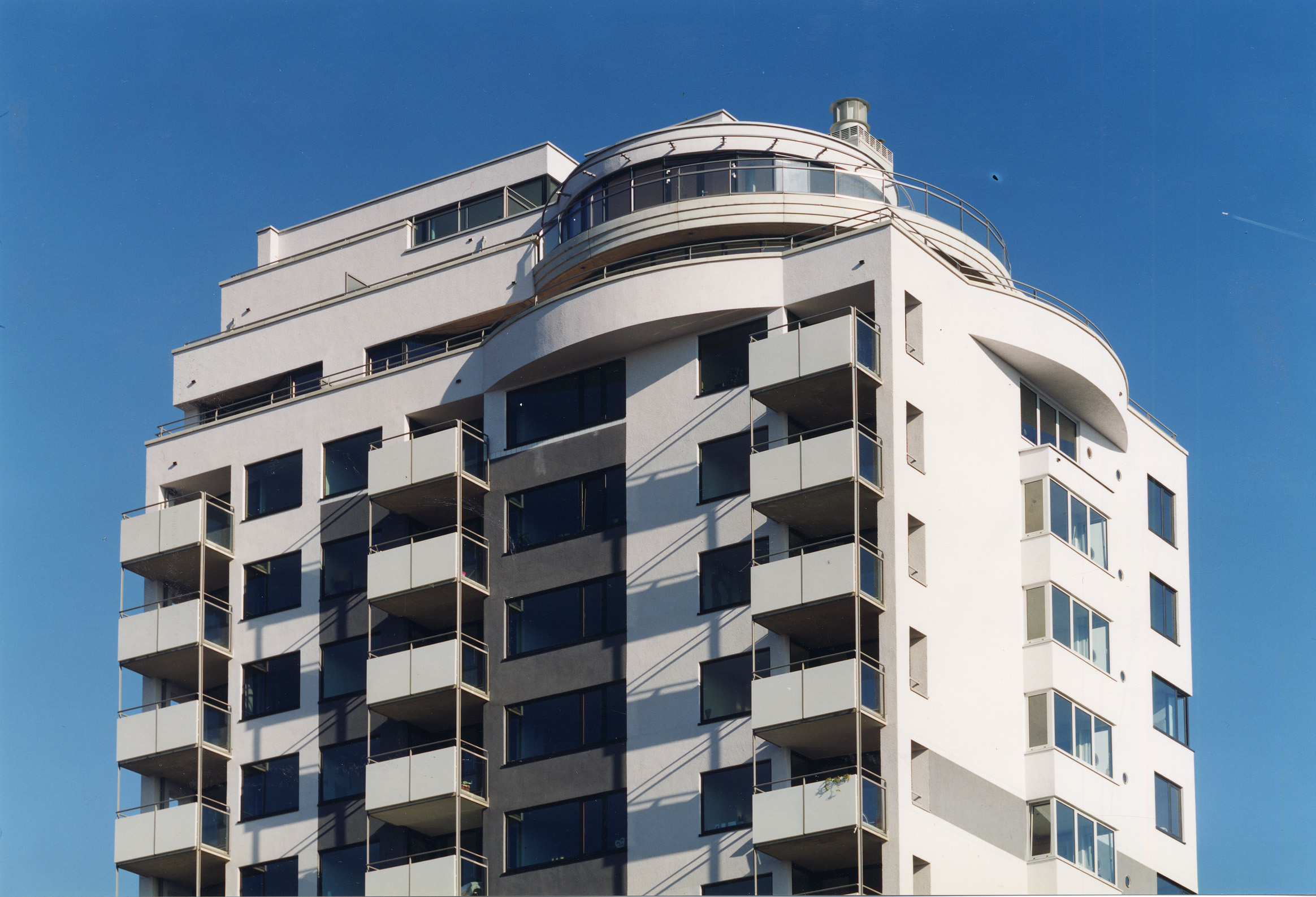
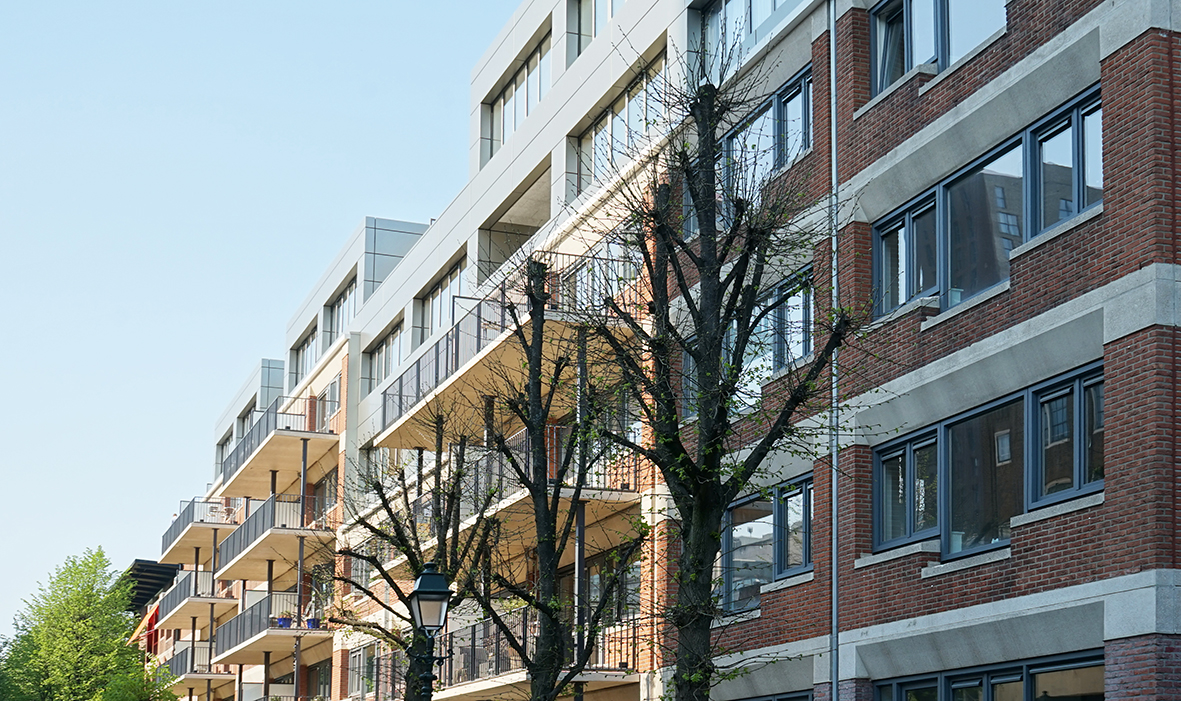
In the early 90s, Atelier PRO was commissioned to redevelop the area, which would be called Markenhoven. The task was to house the façade walls on the very busy, continuous Valkenburgerstraat and the quiet Rapenburgerstraat in one block. This is where the municipal Housing Atlas came to the rescue, introducing a whole range of new housing types based on contemporary lifestyles. As a workshop, in 1991, led by Hans van Beek from atelier PRO, five guest architects developed series of 'stamps' that contain dozens of different home plans.
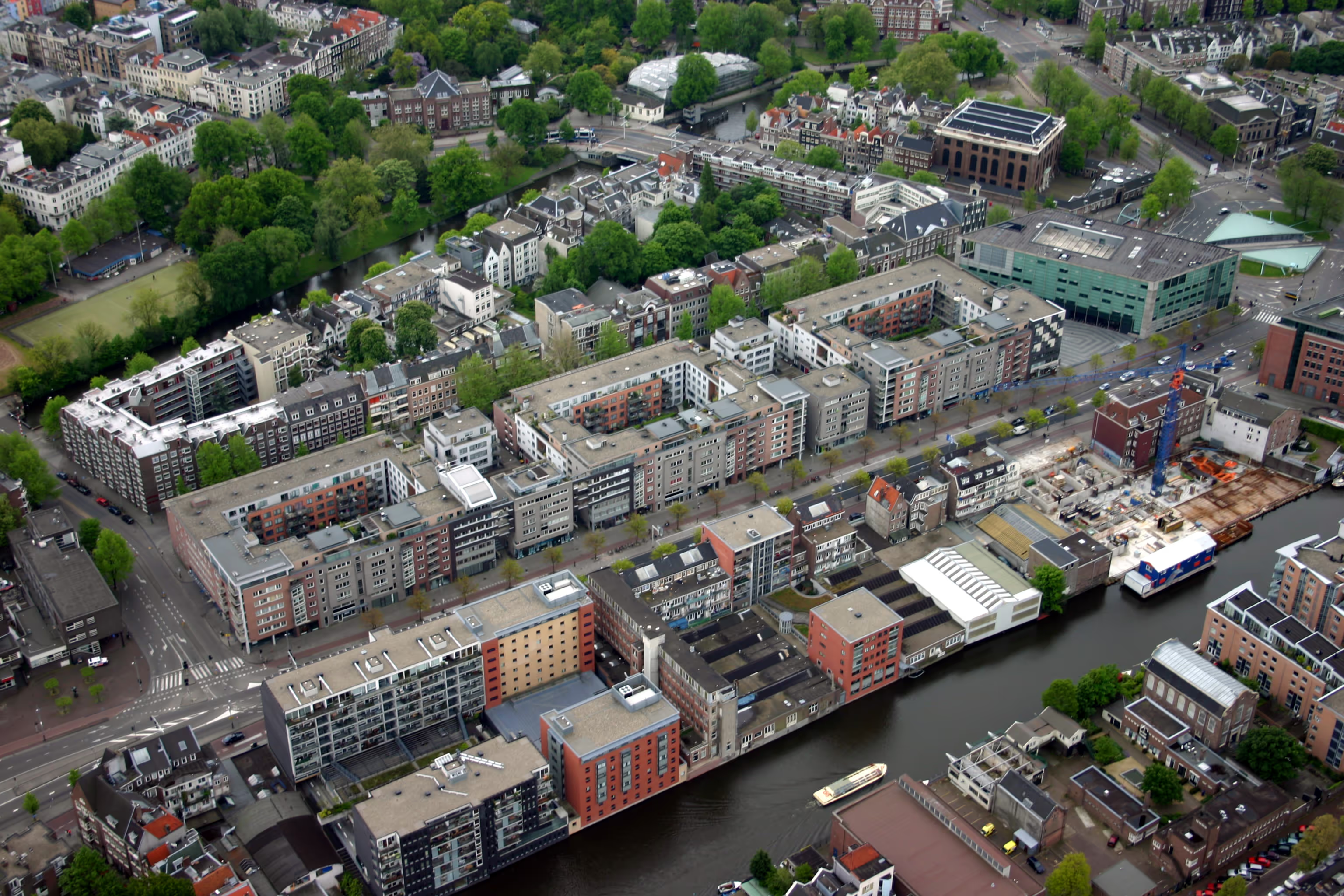
A city block between two scale levels
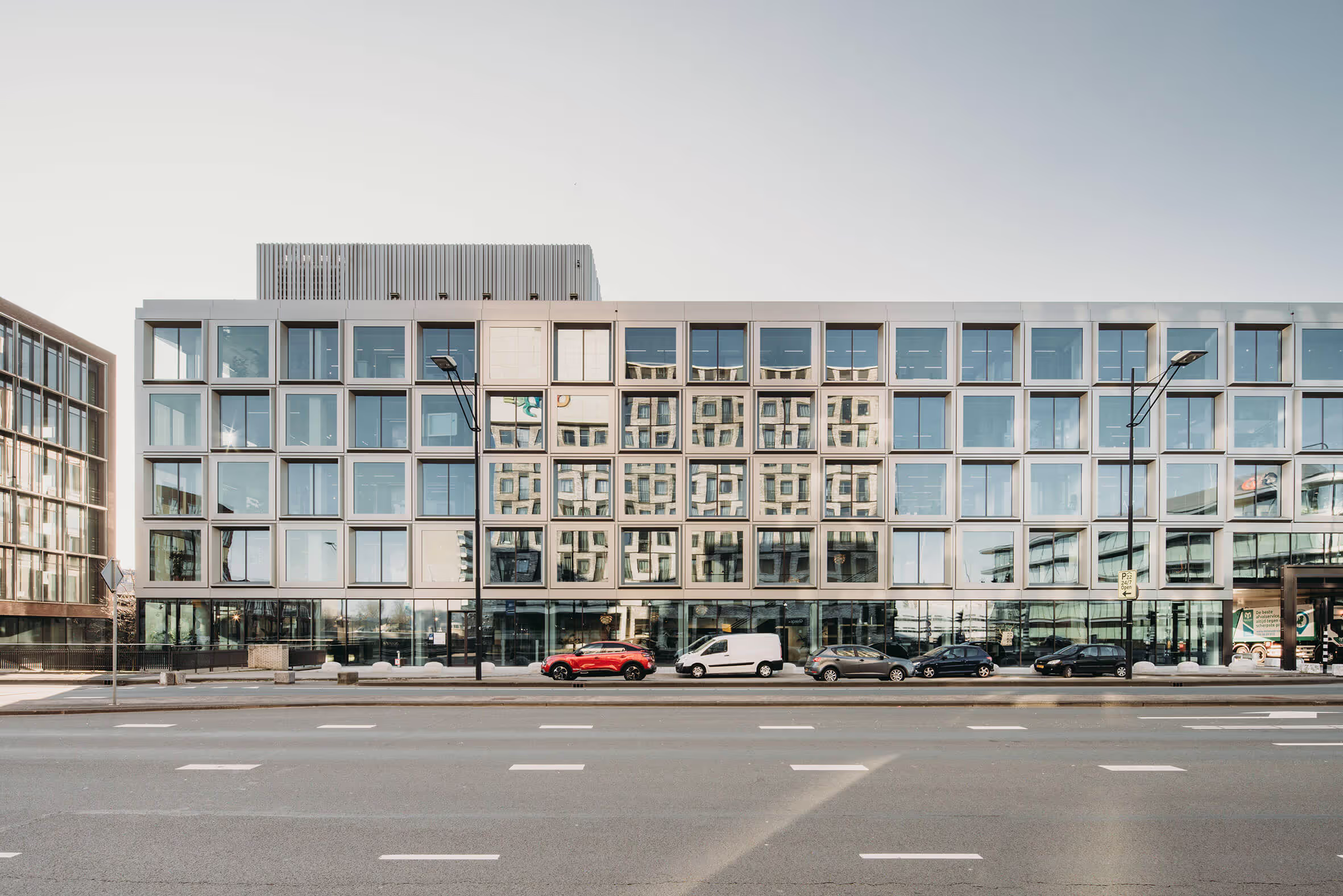
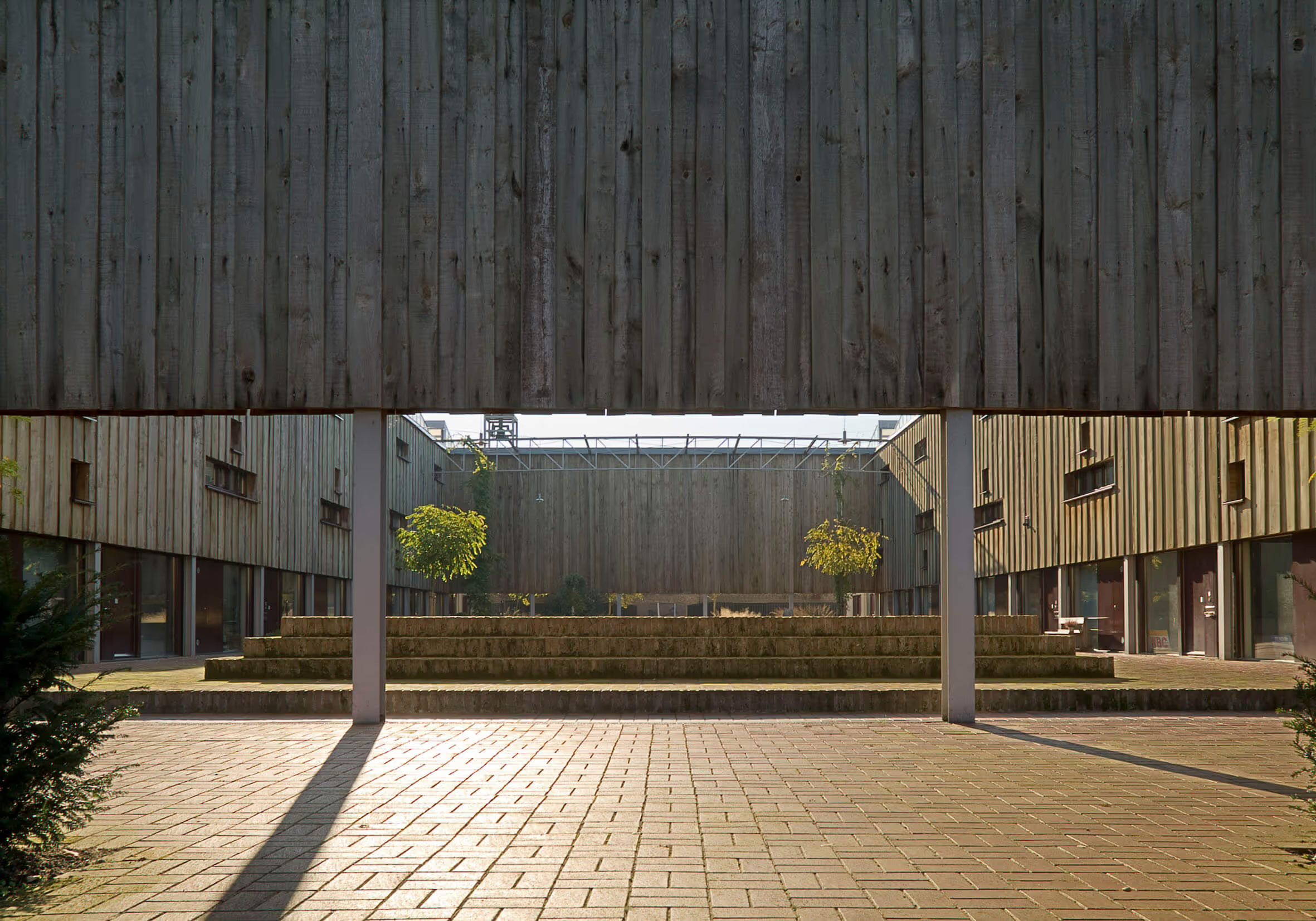
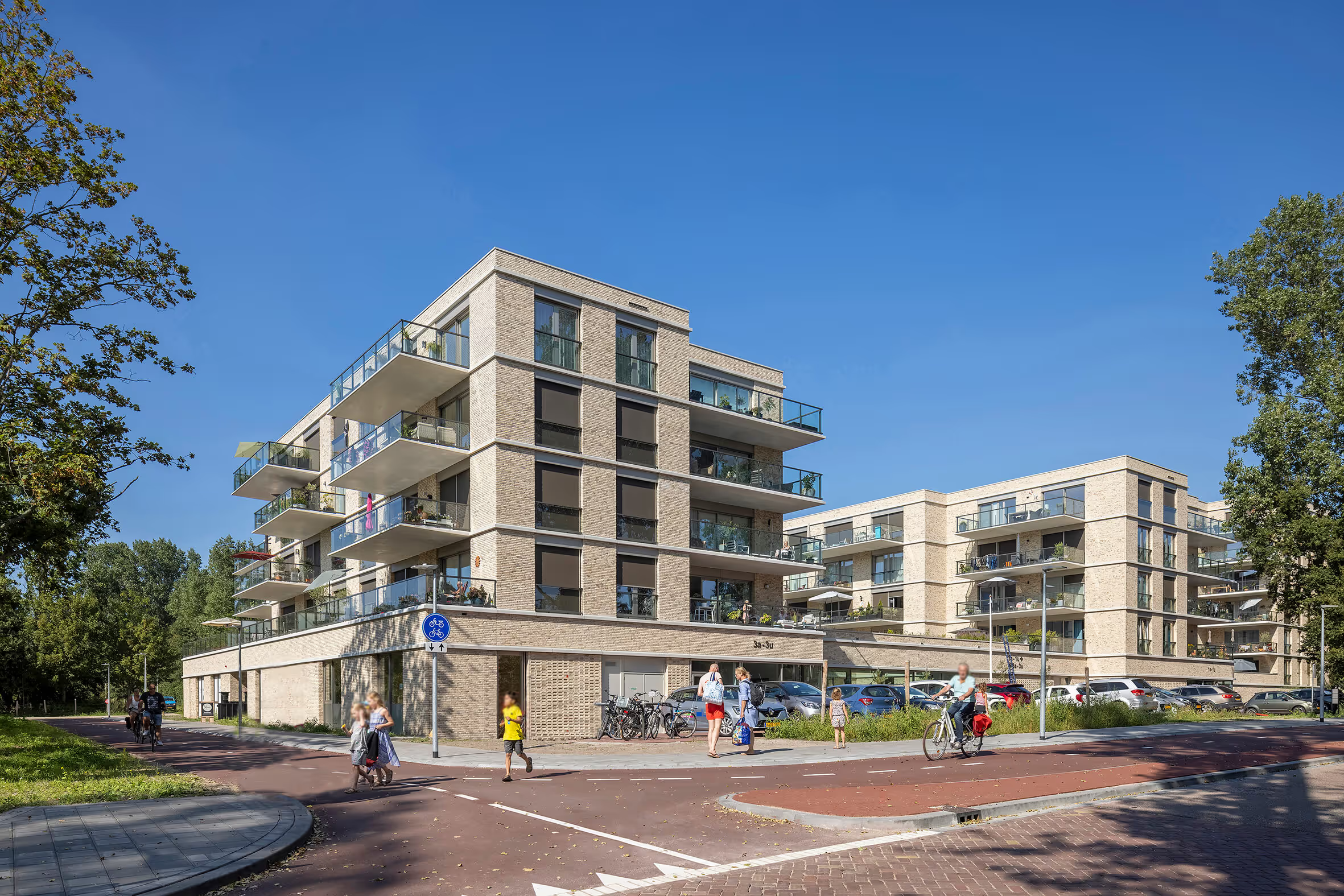
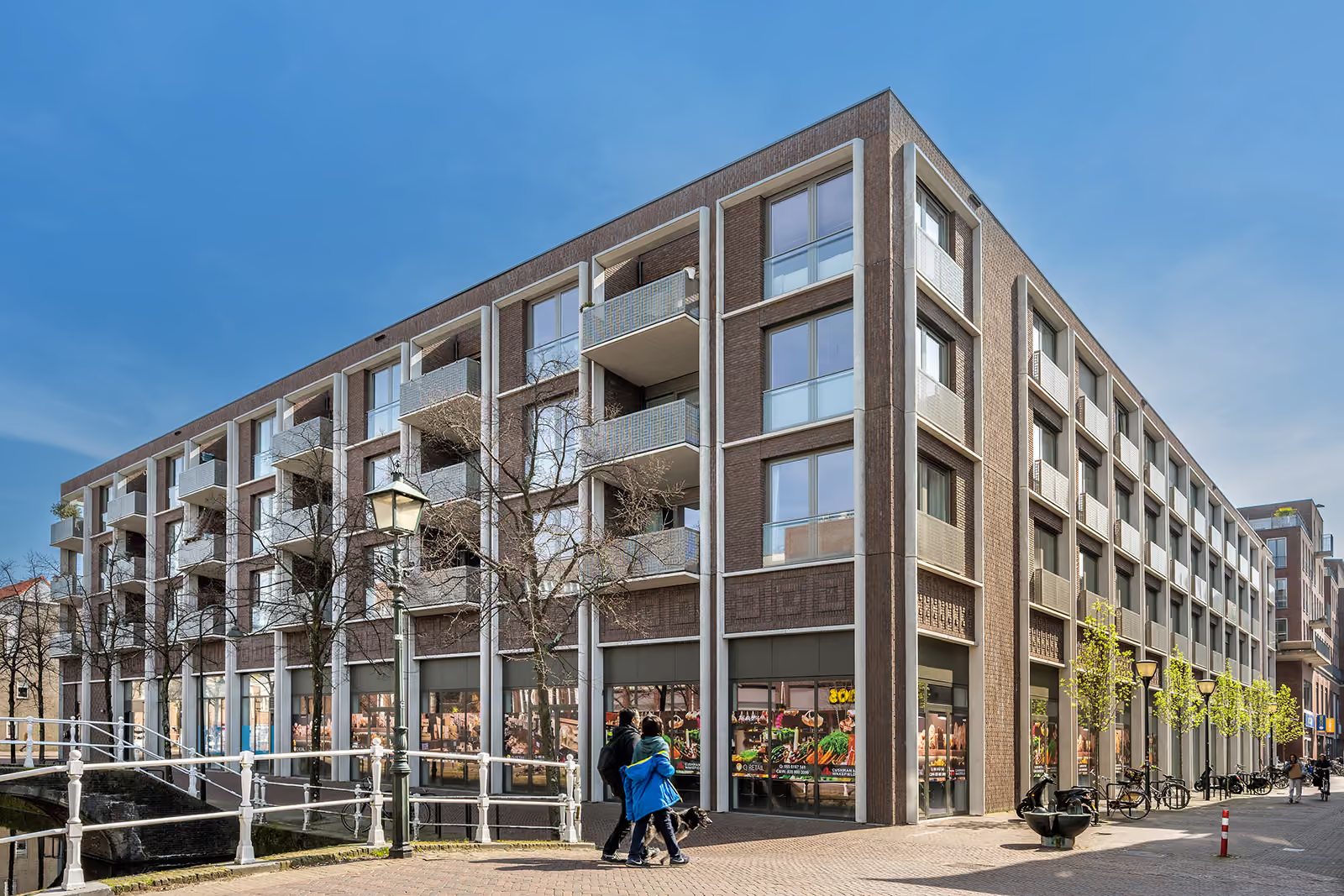
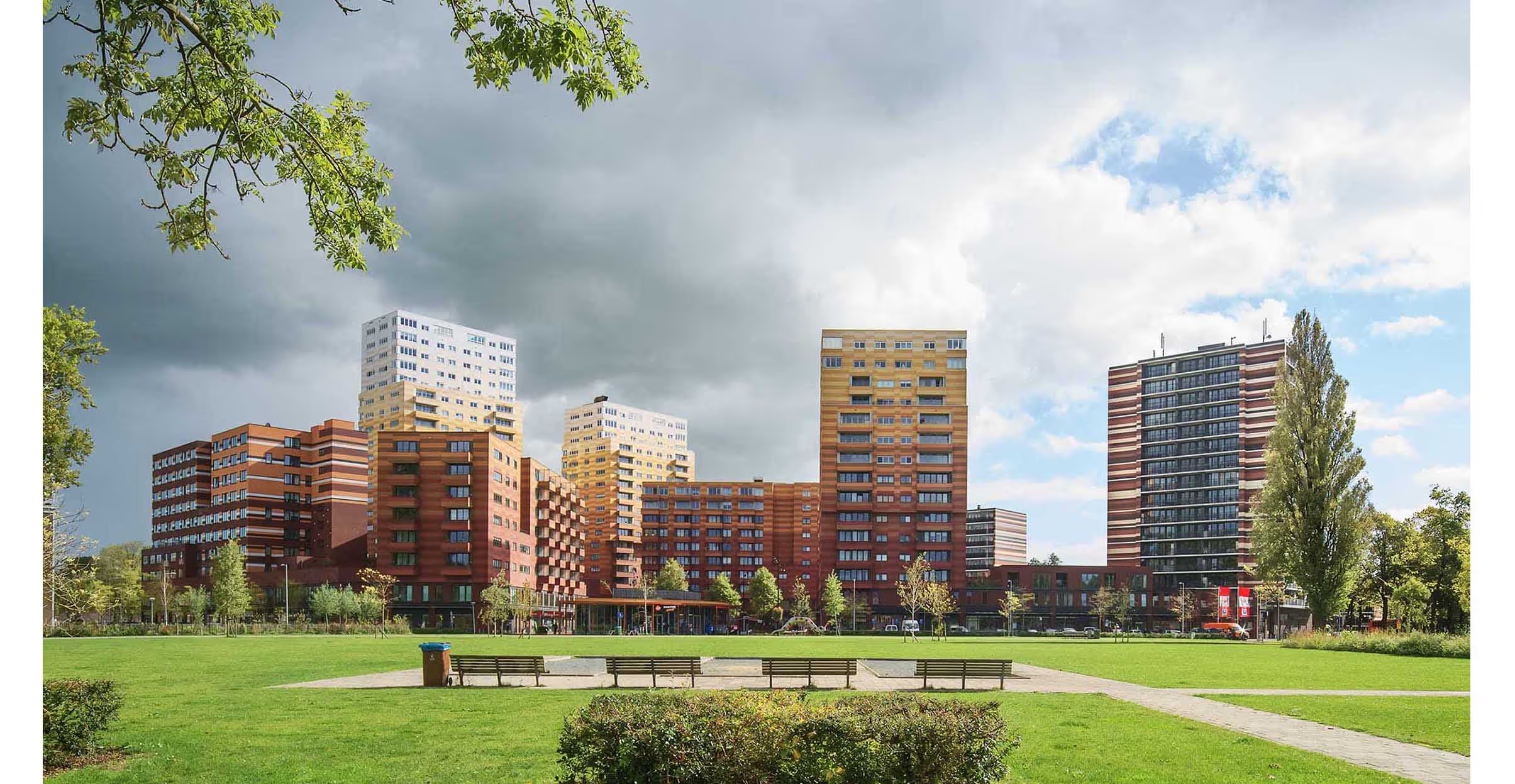
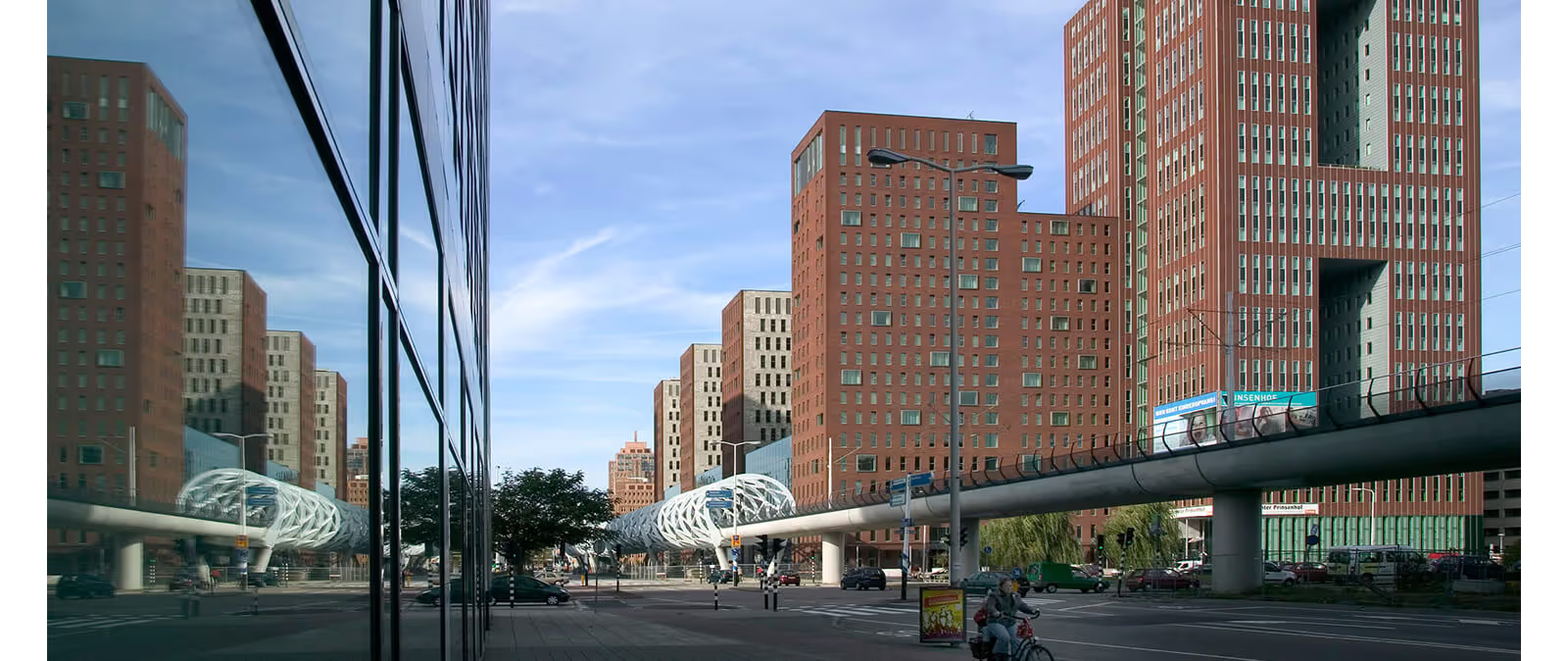
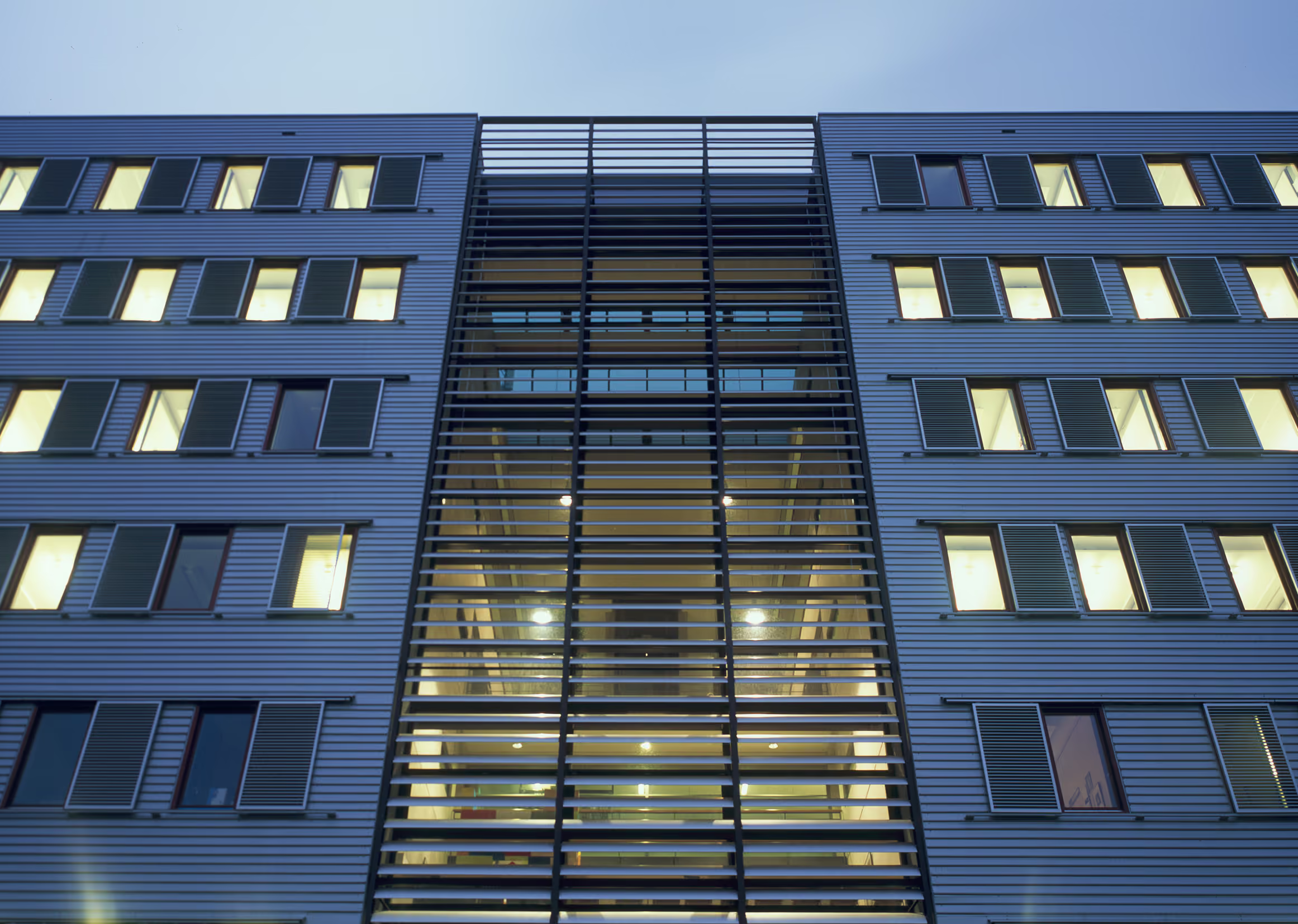
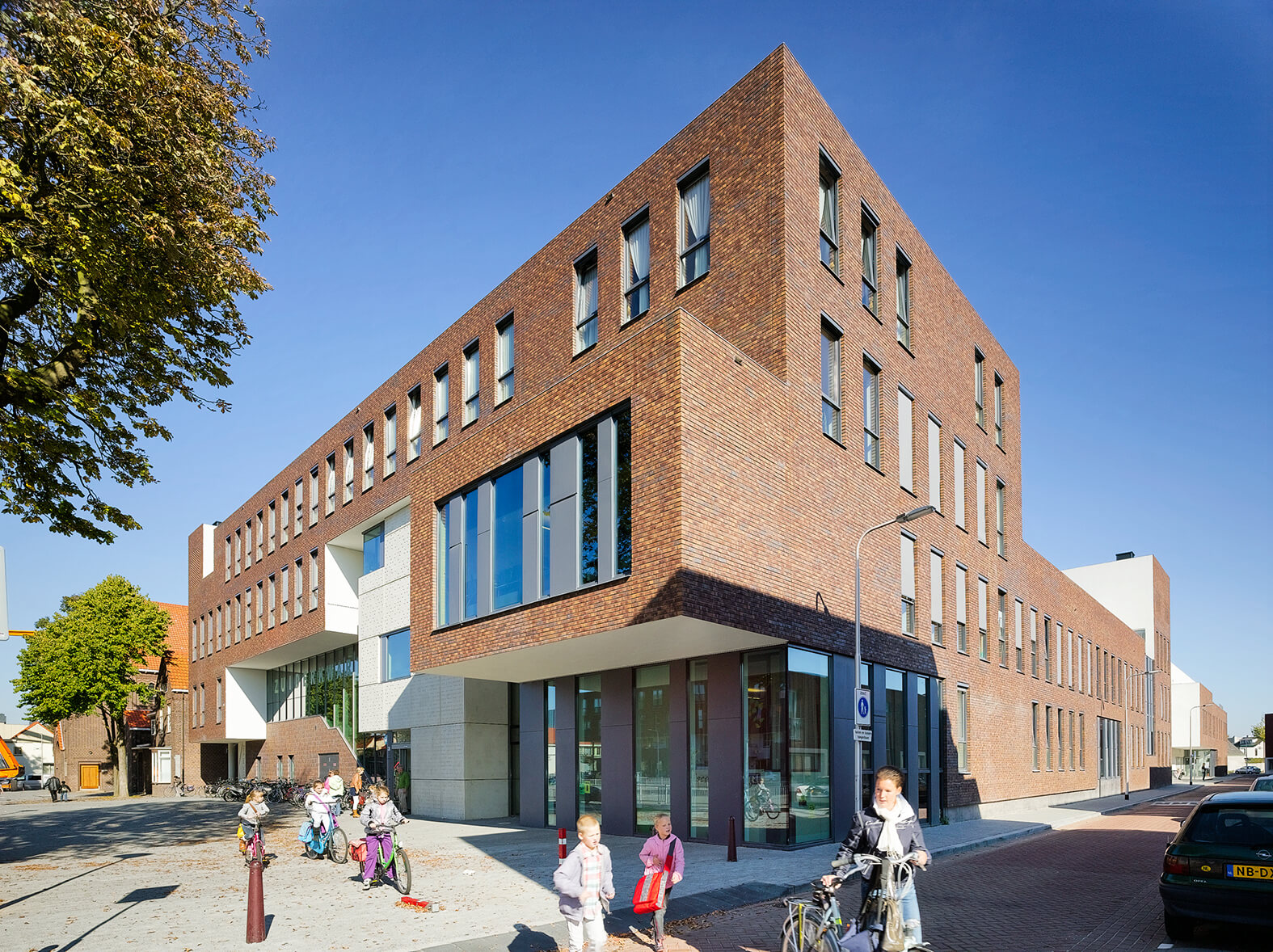
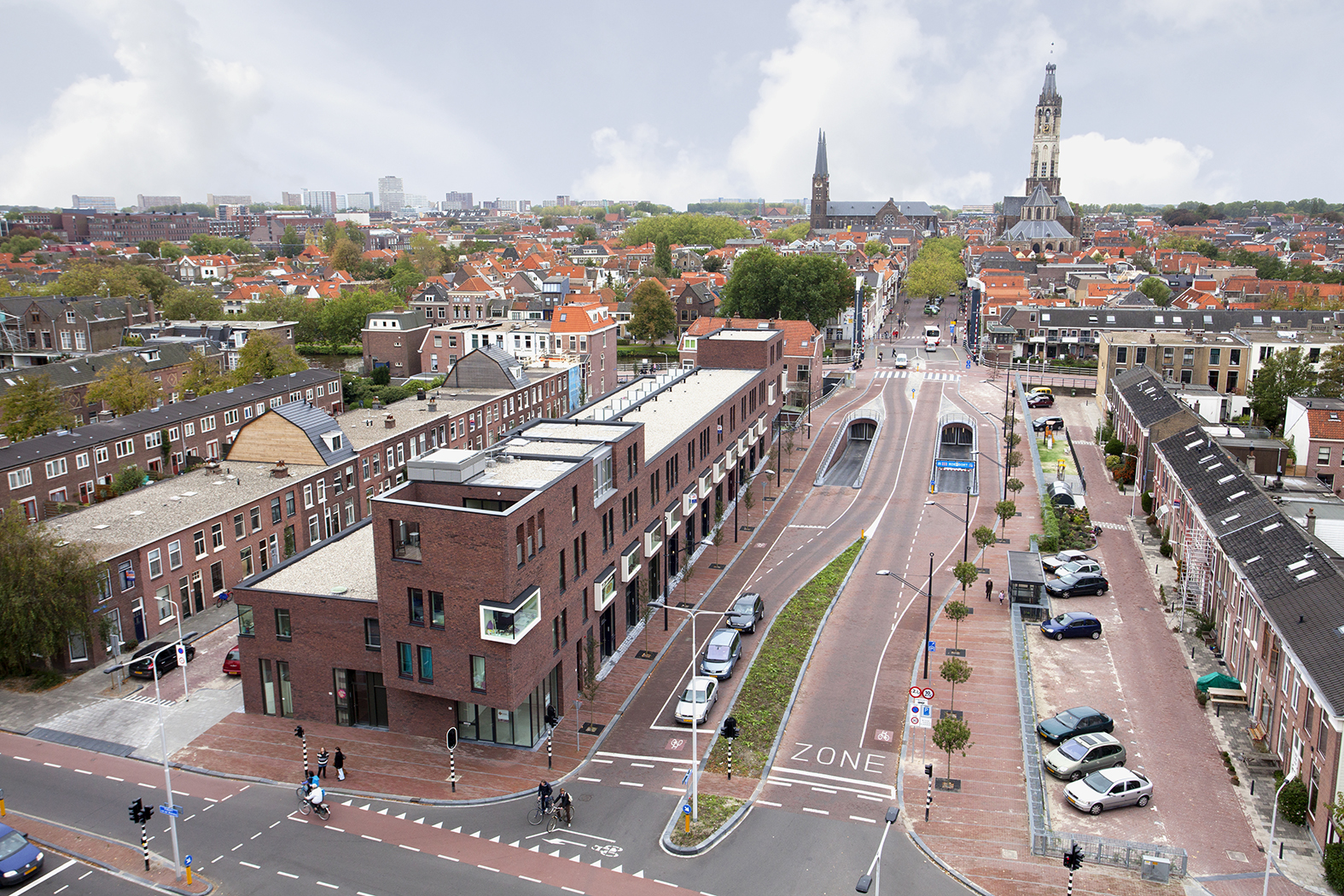
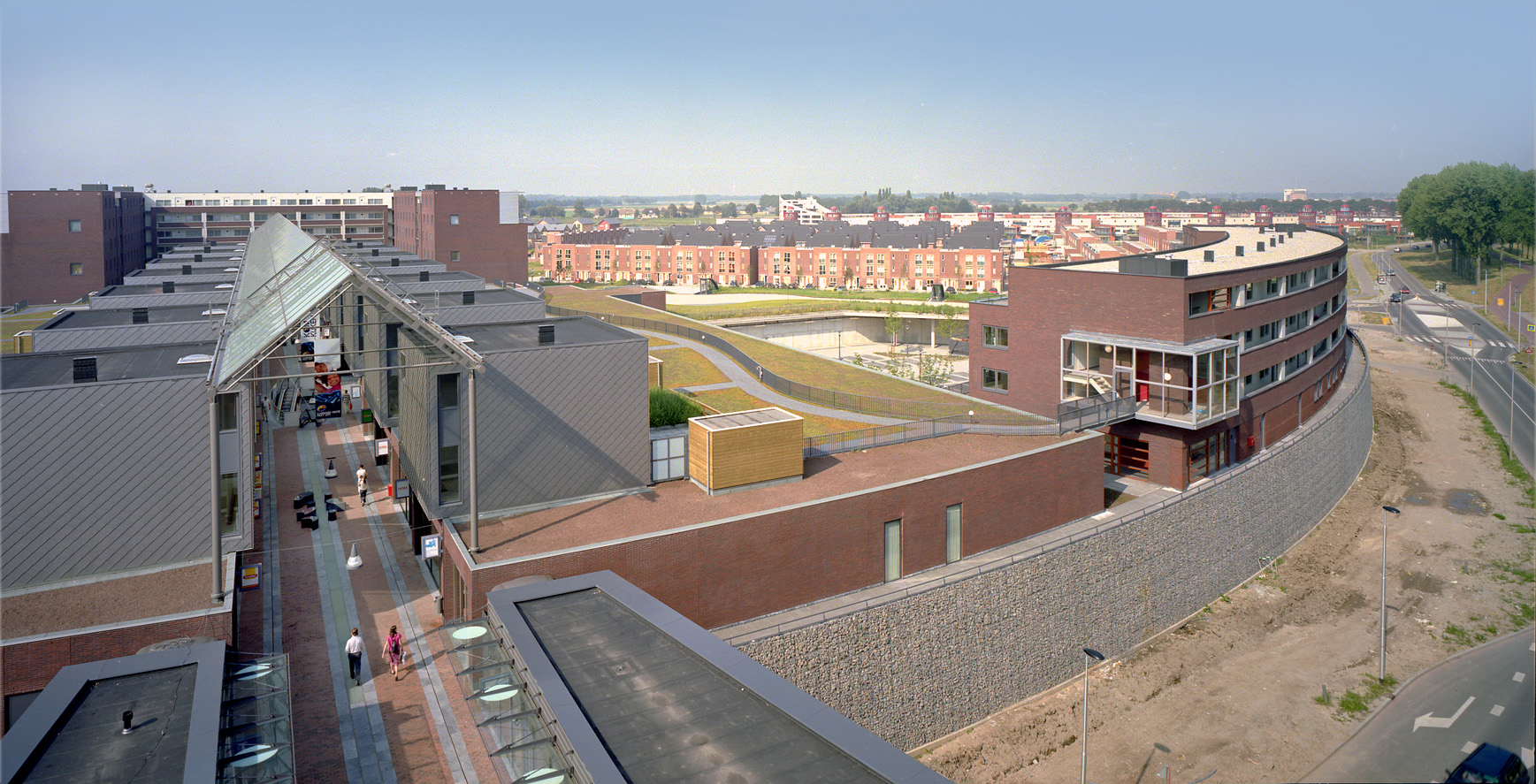
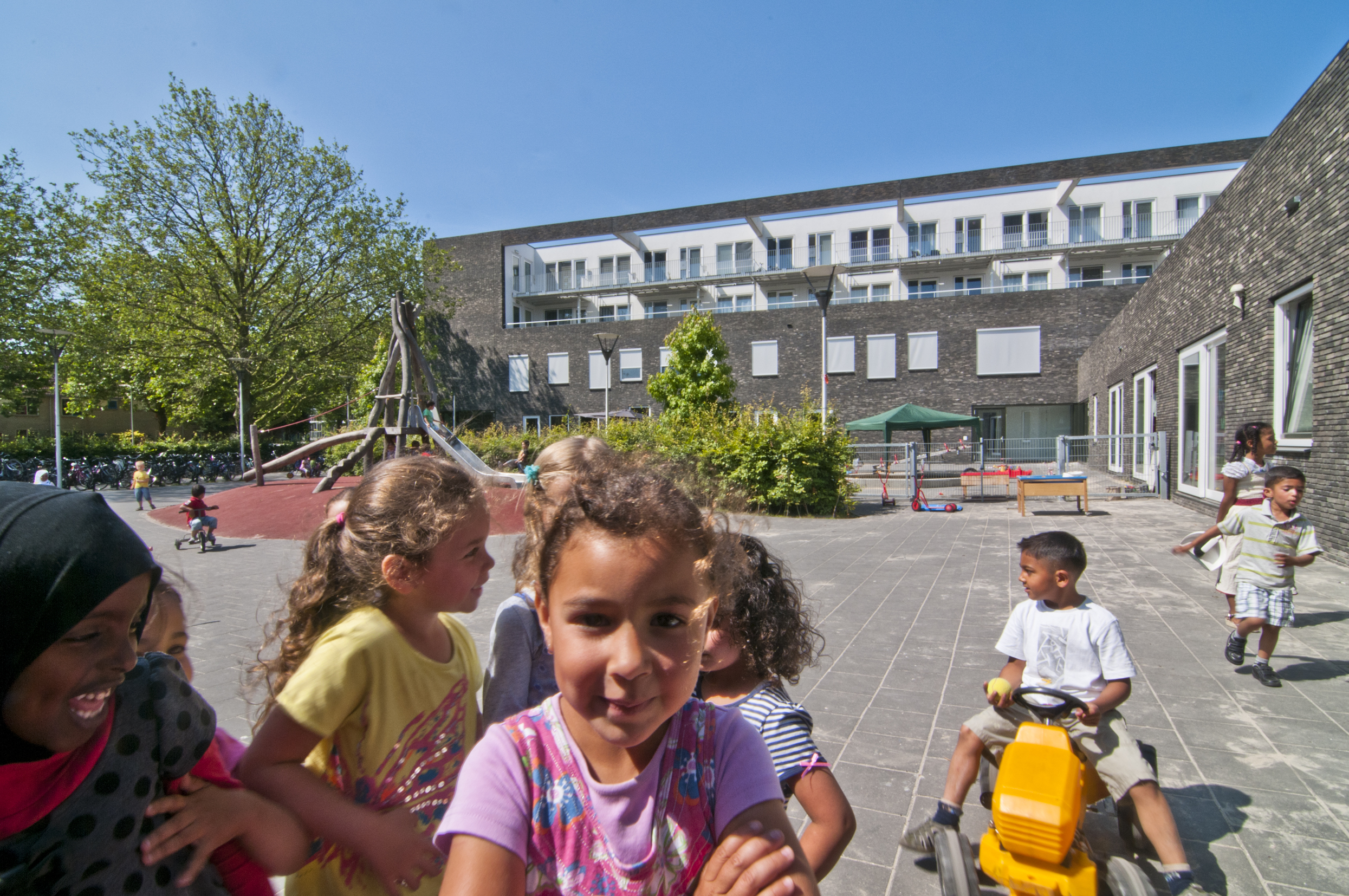
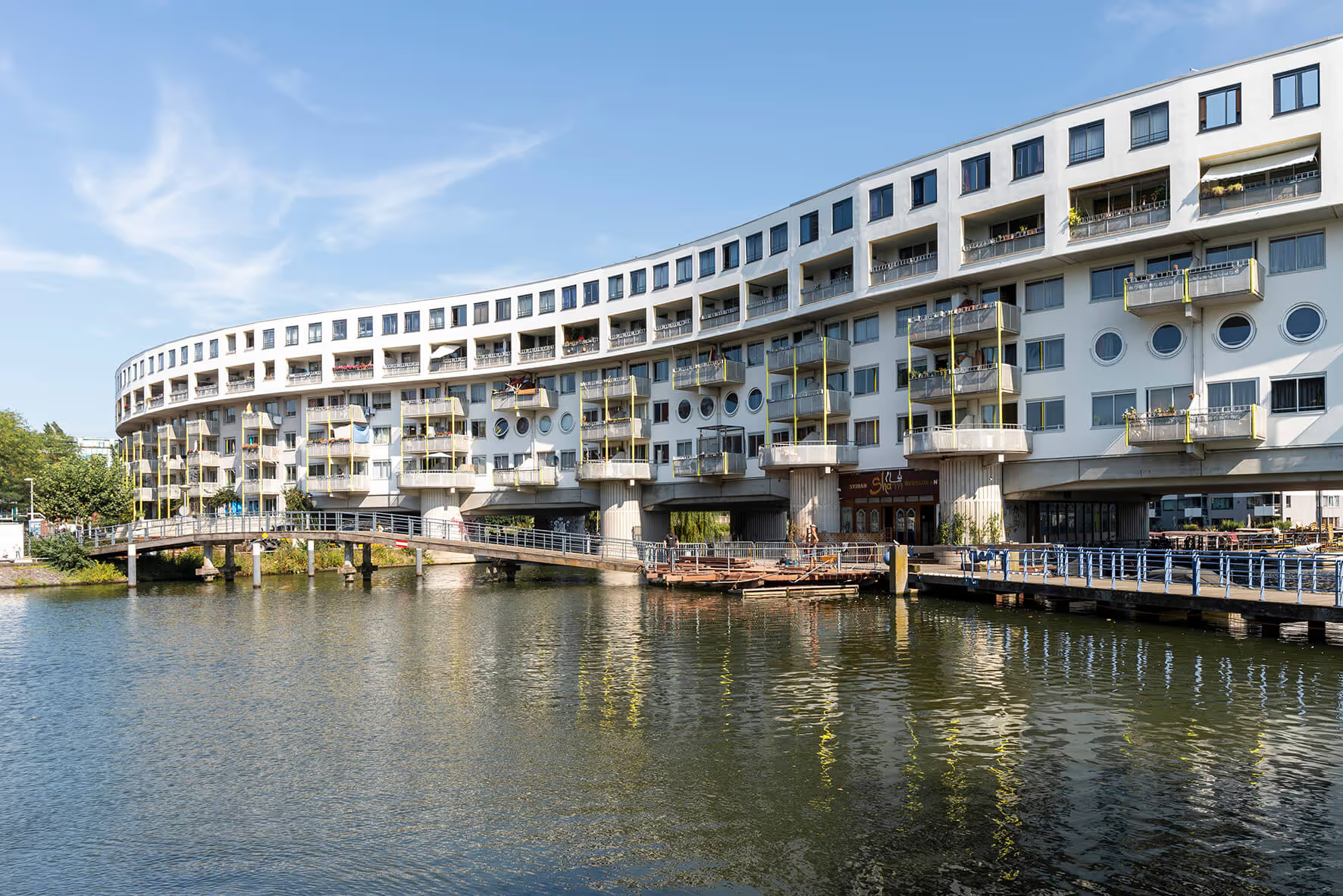
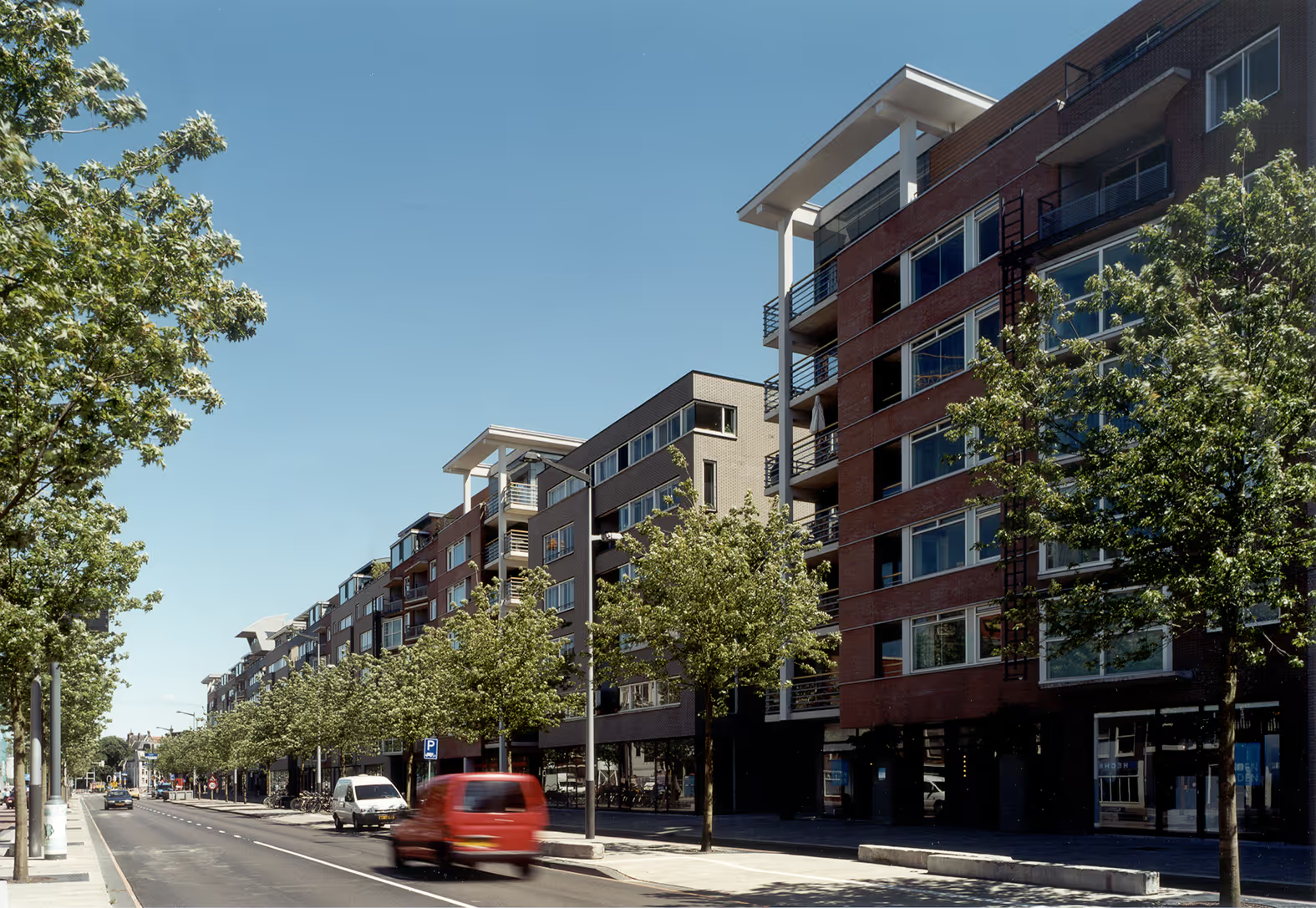
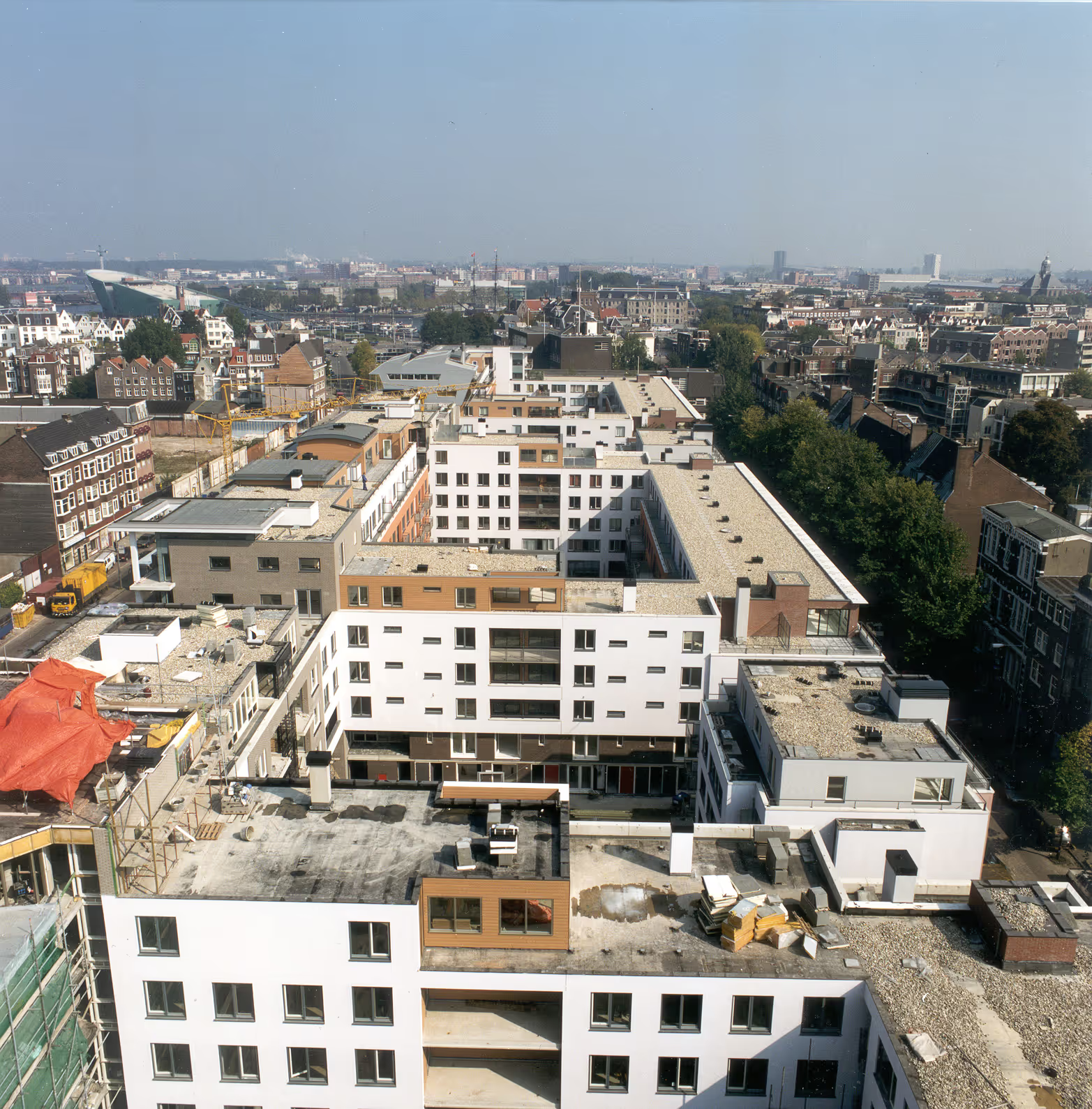
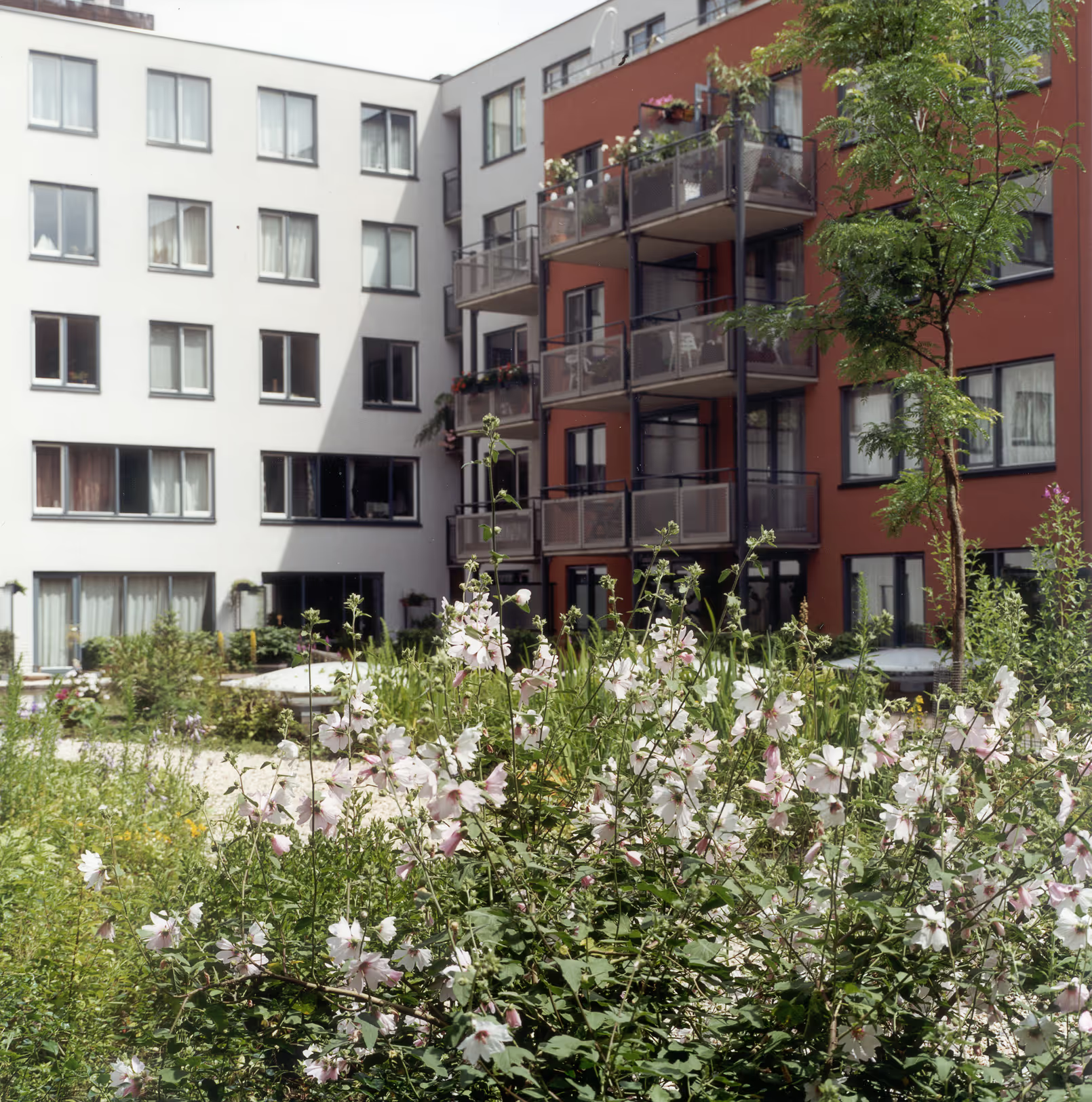
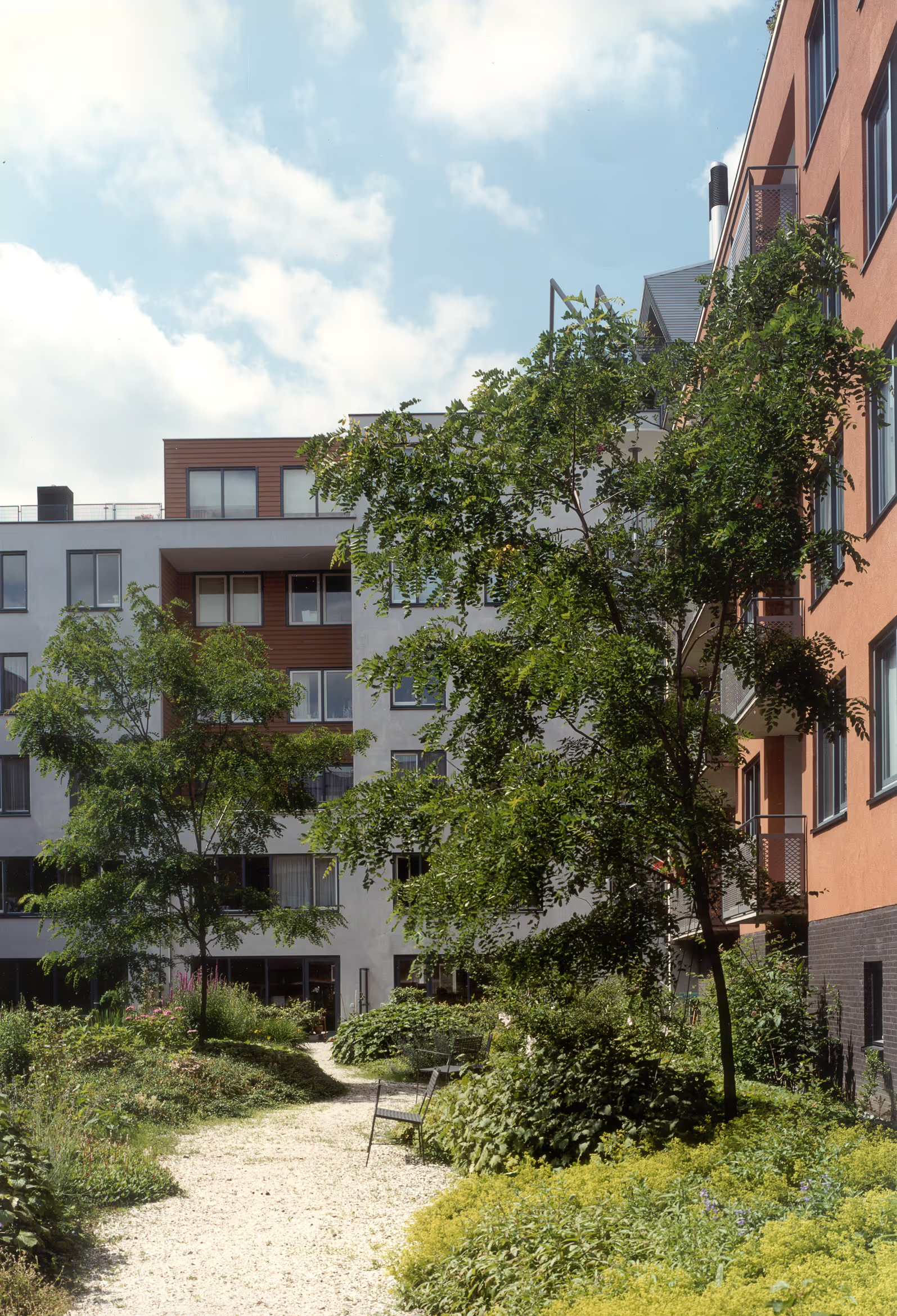
Markenhoven deliberately takes a transitional position between two very different parts of the city. On the Valkenburgerstraat side, the façade wall has the allure of a metropolitan boulevard. On the Rapenburgerstraat, on the contrary, we kept the façade wall very controlled and balanced. The long block is interrupted by two semi-public squares and three courtyards intended for residents. These are enchanting places decorated with water features and plants that remain hidden from the eyes of passers-by.
Living, shopping and working mixed
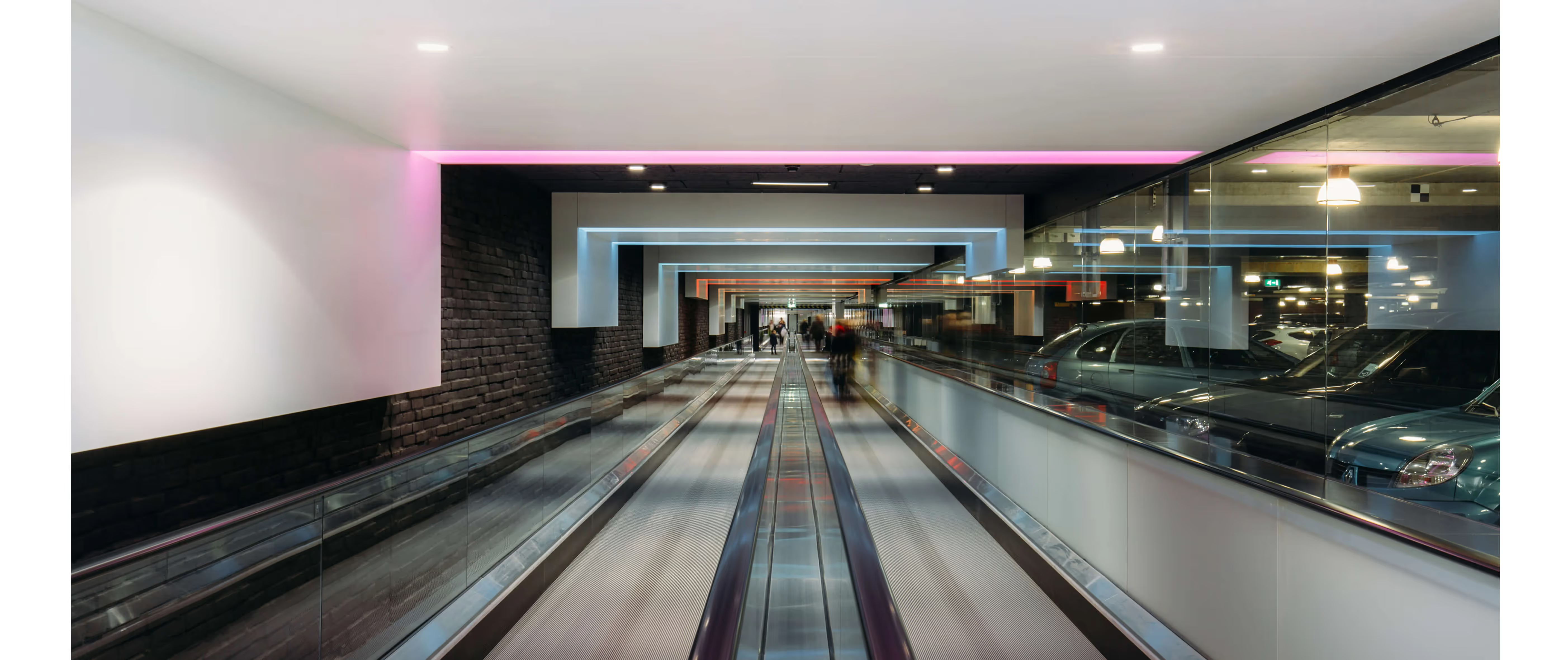
There are 351 homes in the block — both purchase and social rent. In addition, business units and retail spaces have been built on the center side - the Valkenburgerstraat - that form, as it were, the supporting structure for the housing of the “guest architects”. There is a two-tier car park underground. For example, in a place with a special significance for the city, a city block has been created that does justice to the area's eventful history.