Trade Union Museum
Trade Union Museum
Trade Union Museum
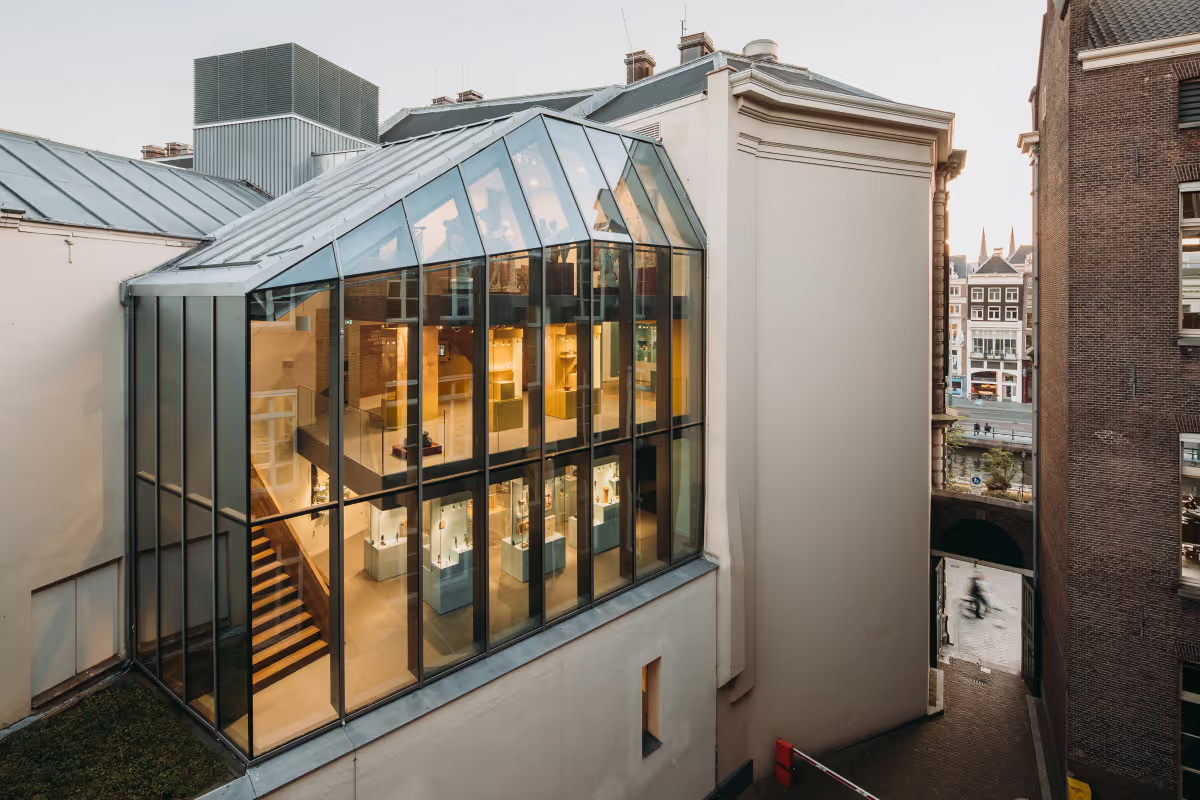
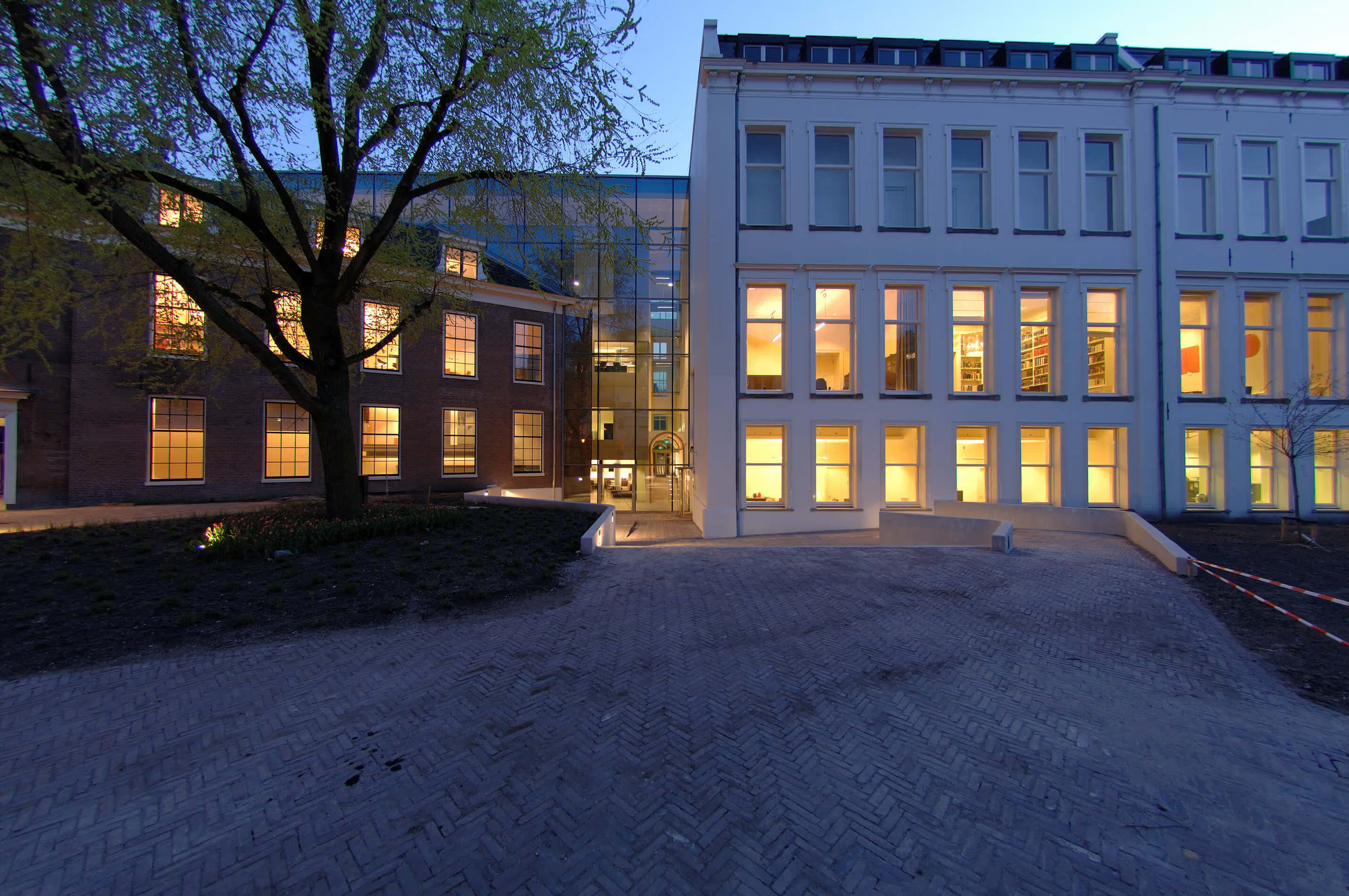
Renovation of Berlage's former ANDB building into a museum
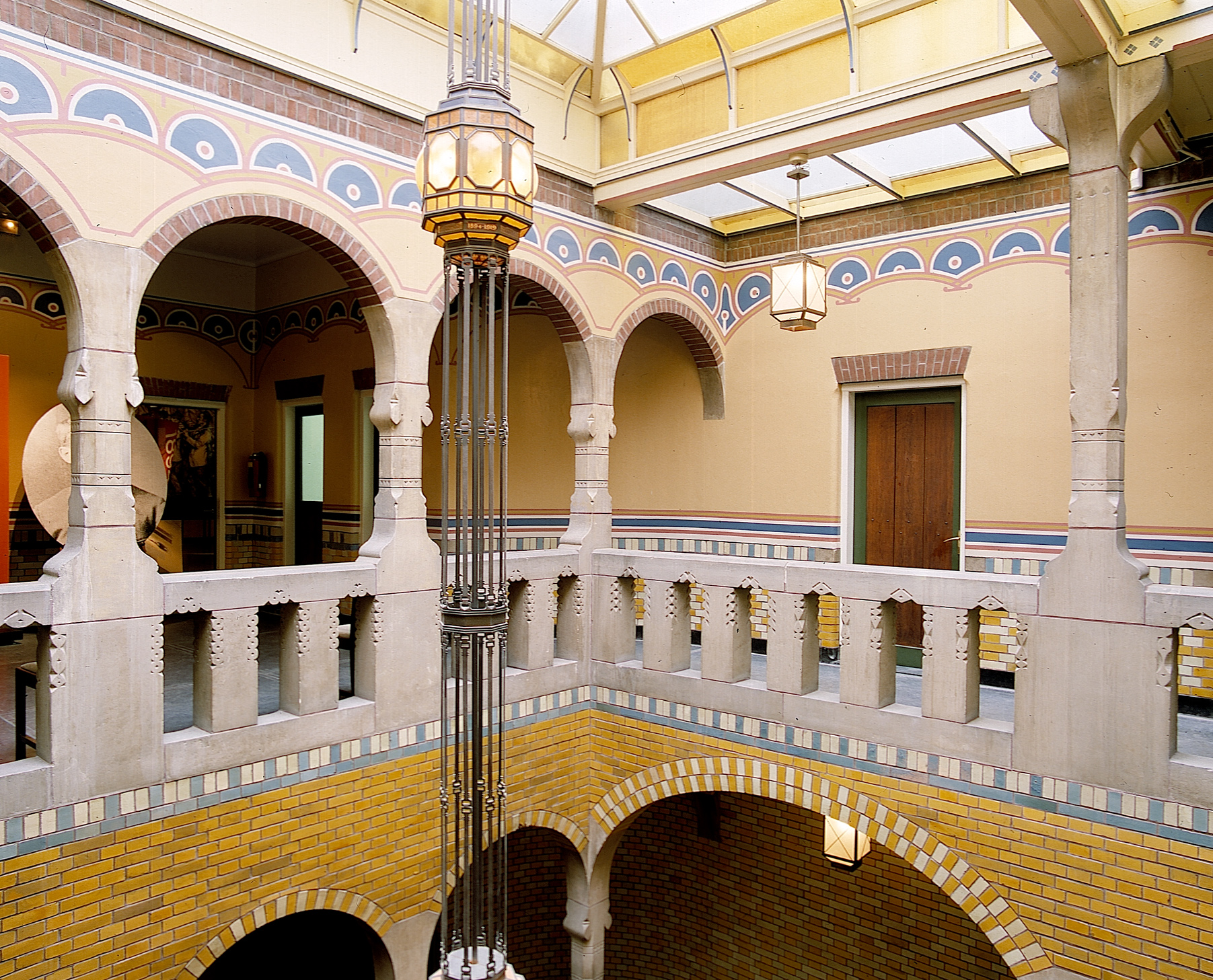
The basement housed a typesetting shop and a printing press, while the ground floor contained a meeting room and offices. The first floor also featured offices, and the top floor held a library and reading room for union members.
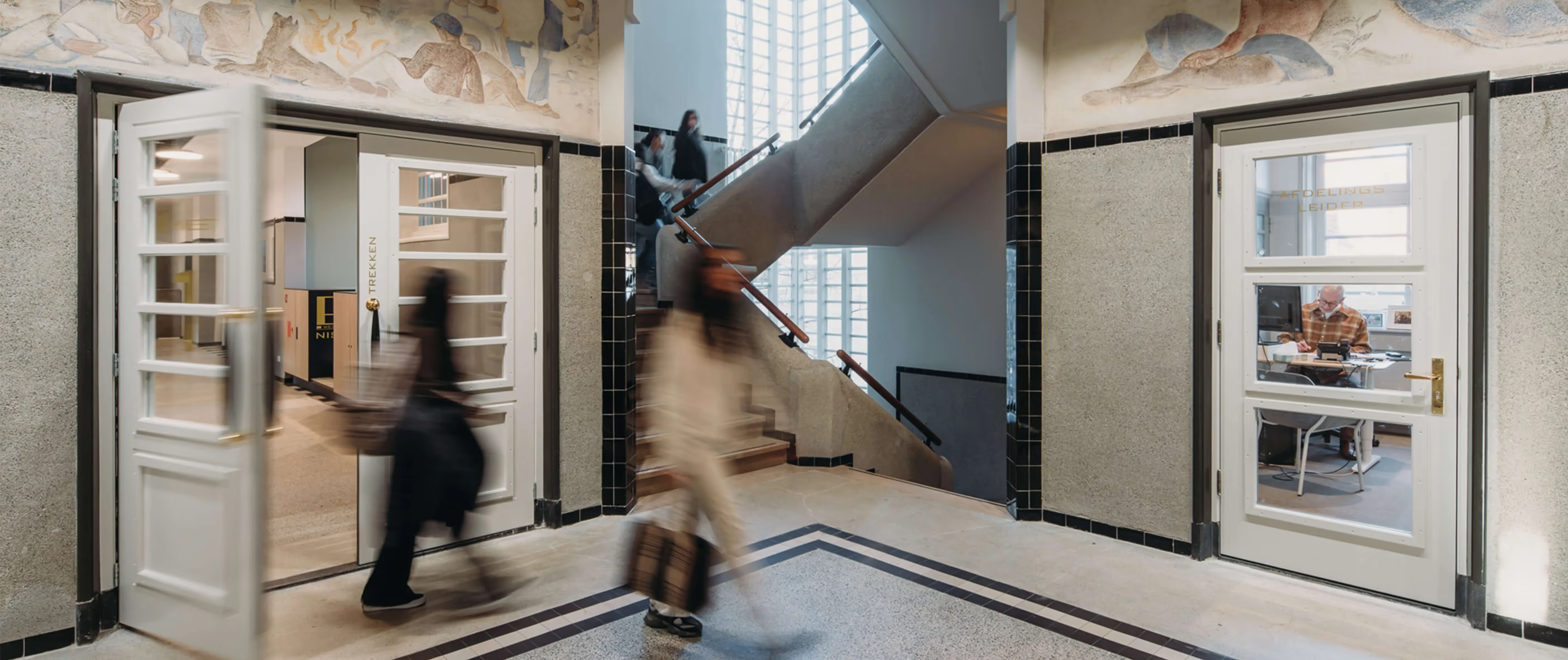
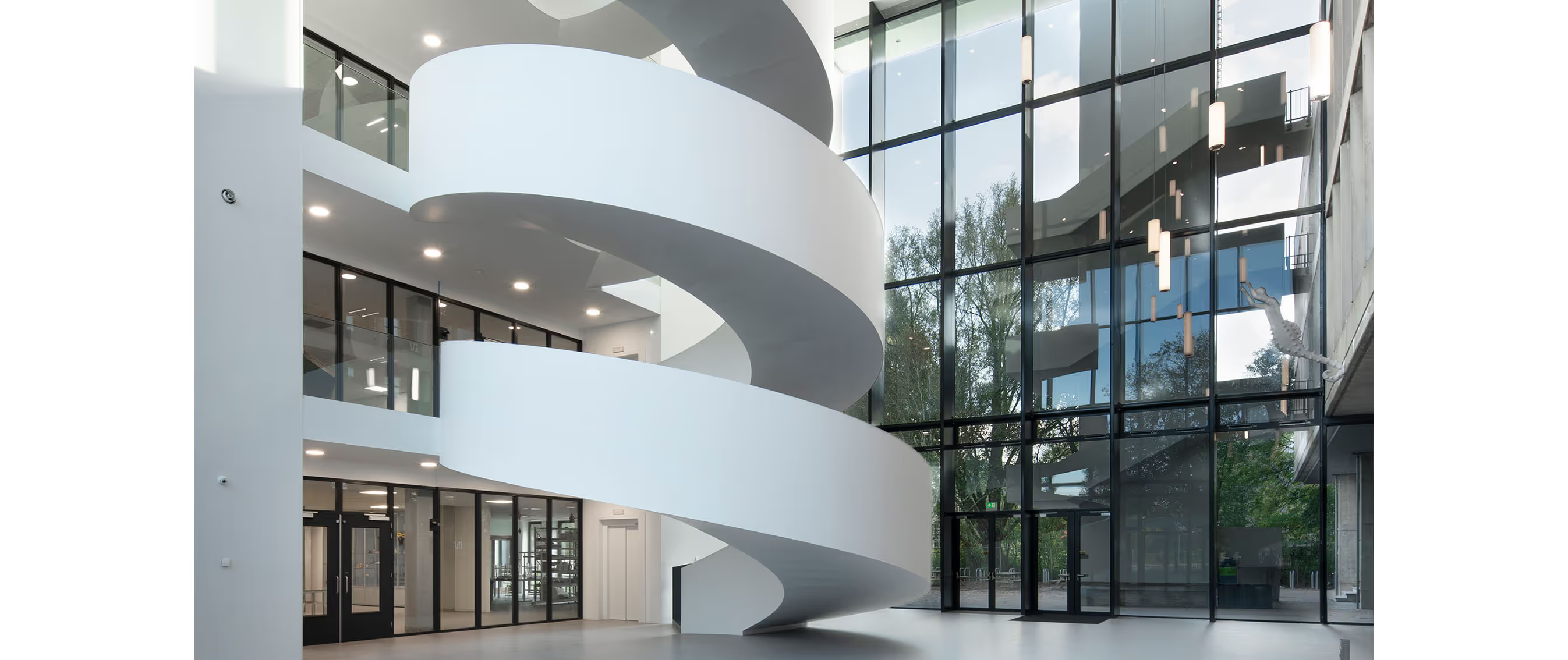
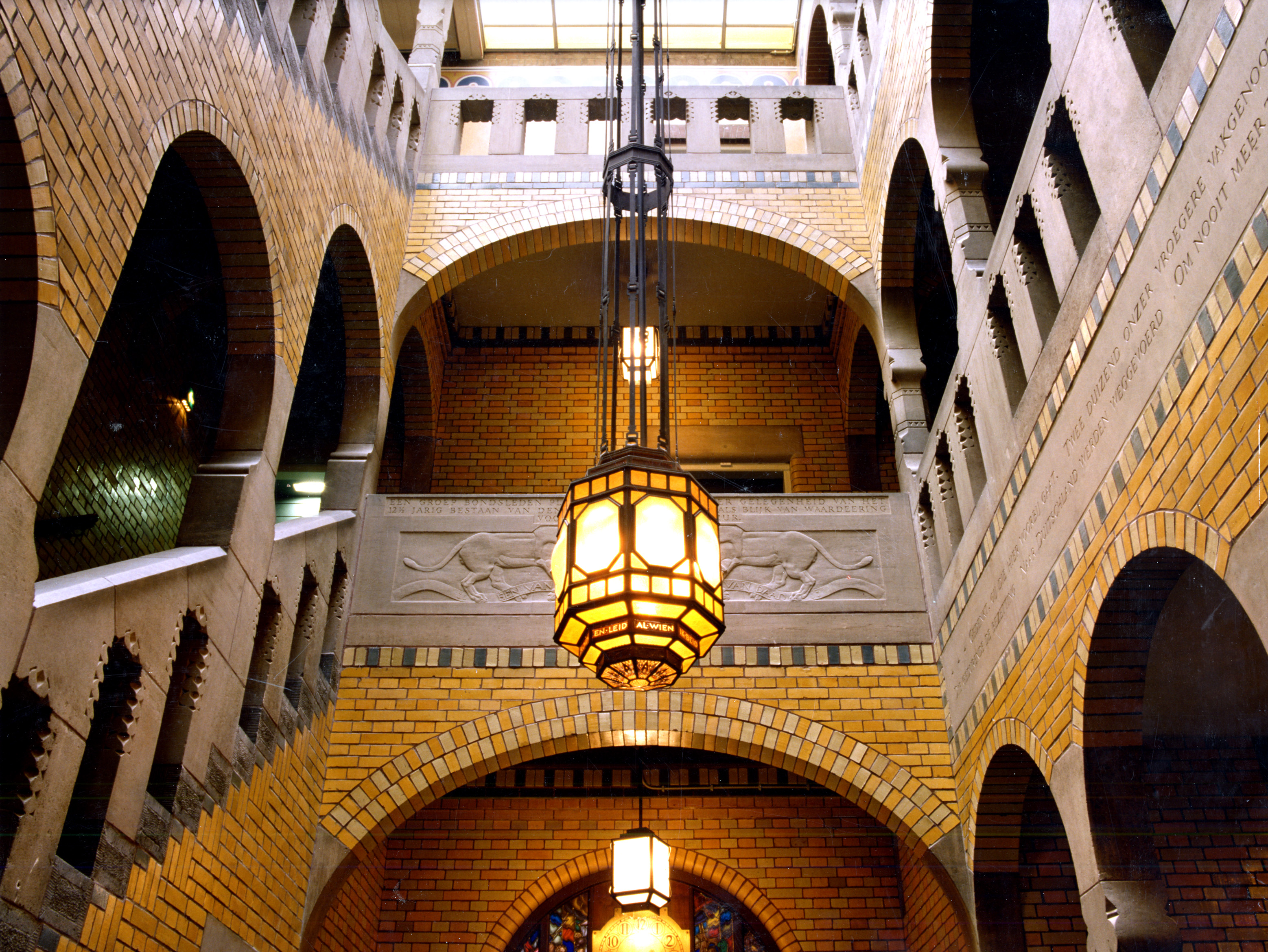
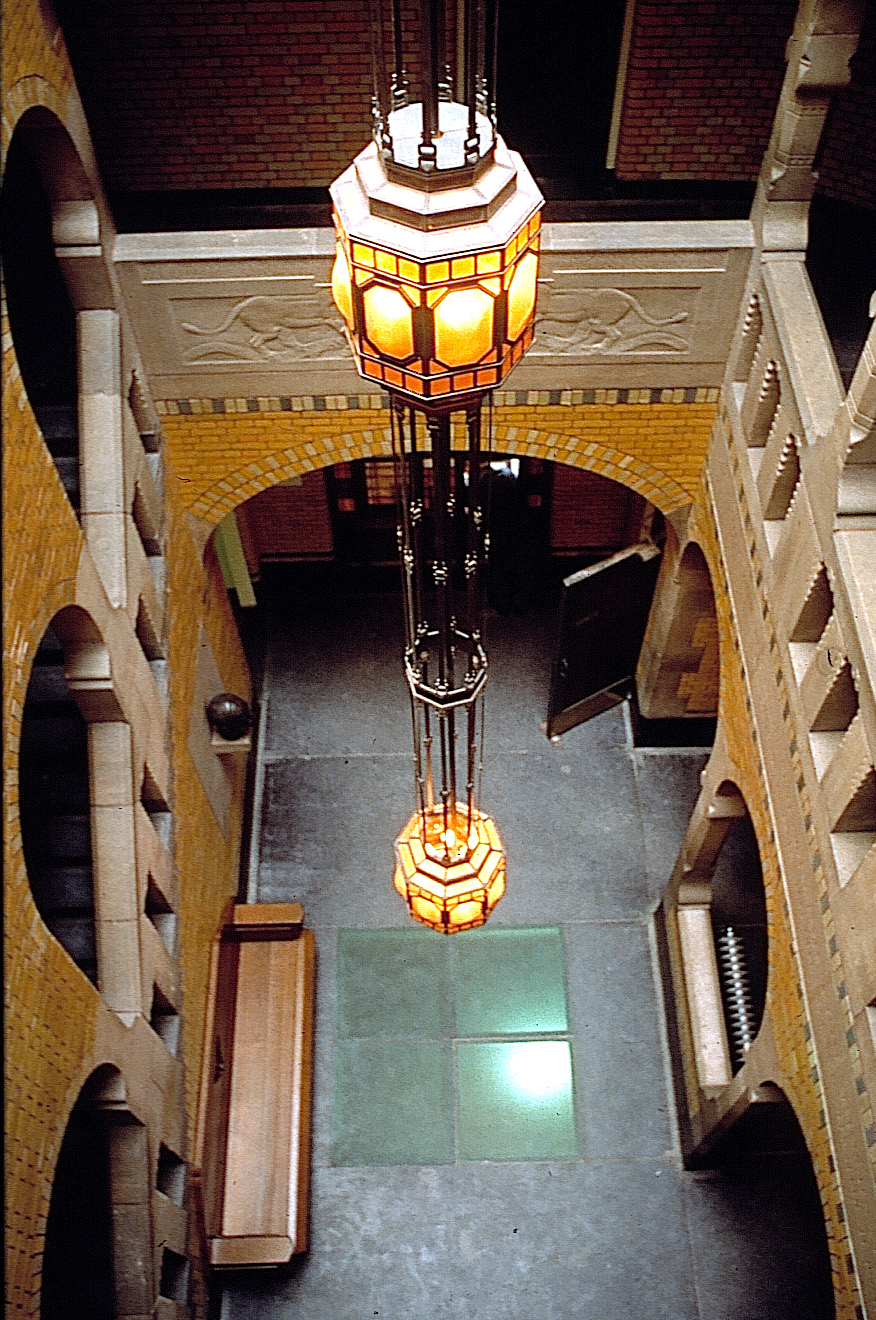
The hall with its staircase is the building's greatest charm: the natural light, the glazed brickwork, the hardstone floor tiles, and the pendant lamp by decorative artist Eissenlöffel are truly exceptional.
Anniversaries and major milestones were reasons to embellish the building: panels by R.N. Roland were added to mark the introduction of the eight-hour workday in 1911, and paintings were added to the union council chamber in 1913.
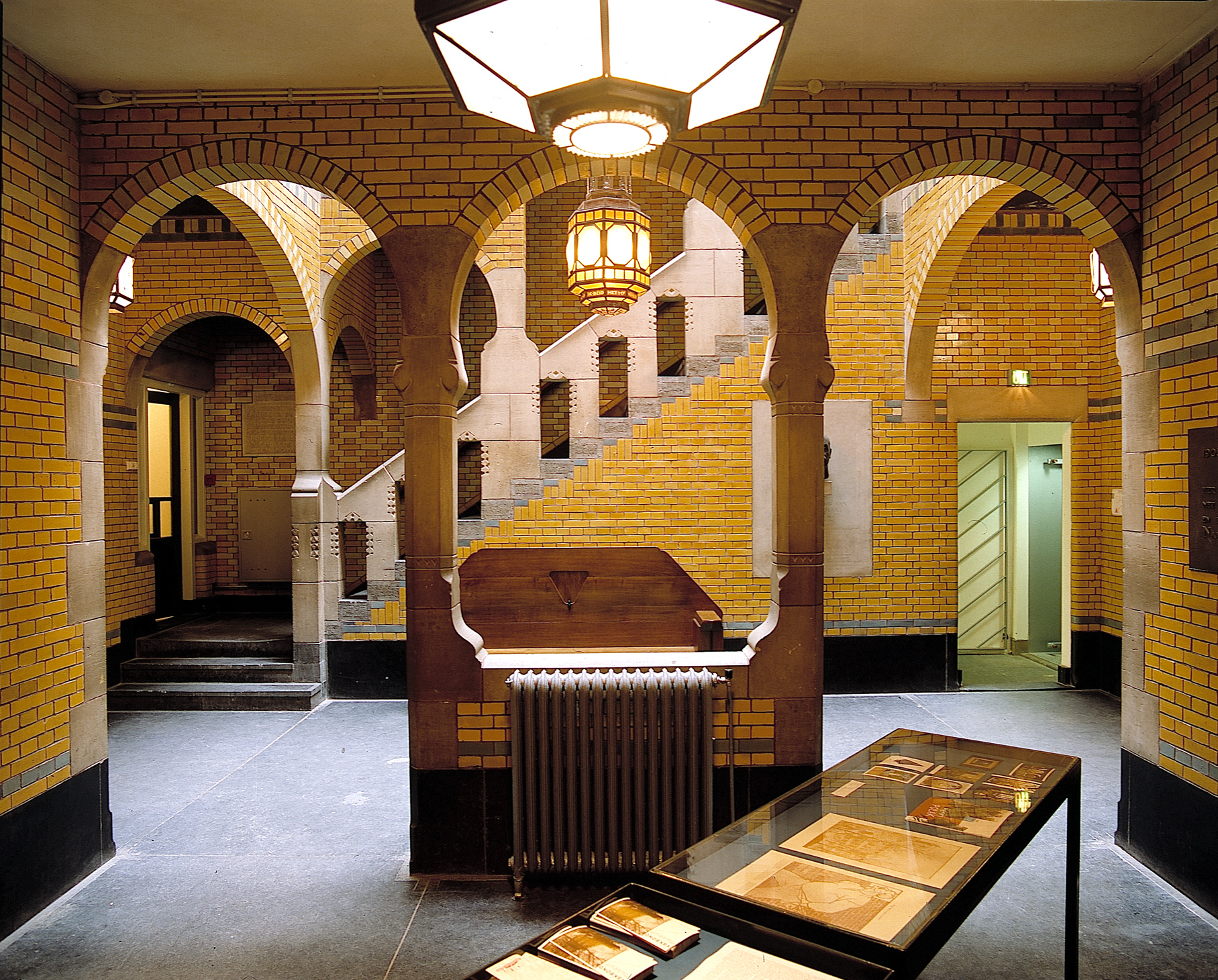
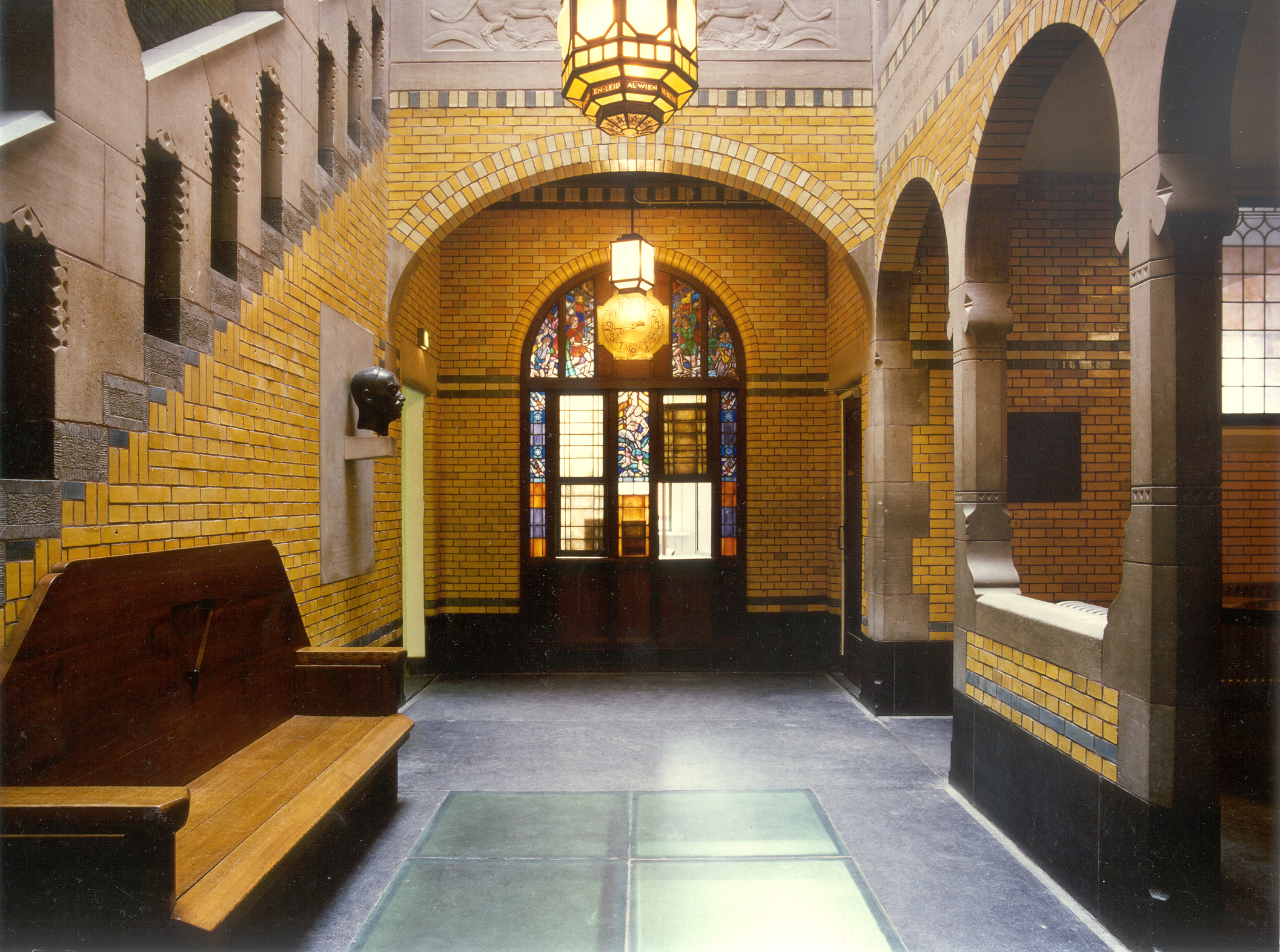
Various disrespectful renovations have not done the building any favors.
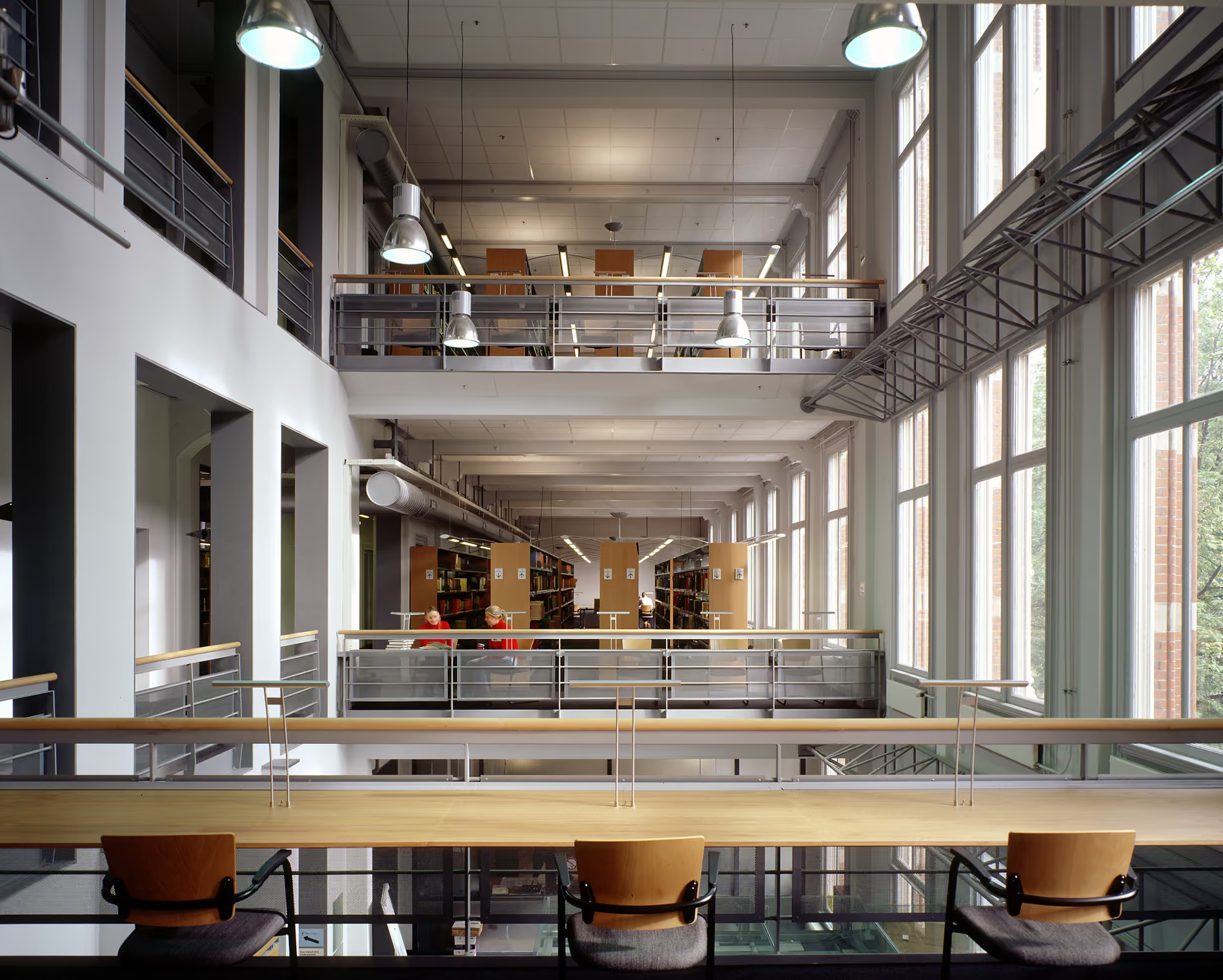
During the 1990 renovation, a modest budget was used to both adapt the building for exhibitions on the history of the labor movement and restore it to its former glory as much as possible. Authentic boundary markers were replaced, the glass floor panel to the basement was restored, and on the top floor, in addition to the ceiling, the composite cast-iron columns and original wall and steel beam paintings were uncovered.